
 Guards + Retainers
 Custom Night Guard
 Retainer
 Emergency Order

 Whitening
 Whitening Kit
 Teeth Whitening Gel
 Dual-Action Foam
 Cleaning + Care
 Ultrasonic Cleaner Pro
 Water Flosser
 UV Toothbrush Sanitizer
 Deep Clean + Freshening Tablets
 Accessories
 Guard Removal Tool
 Replacement Nozzles
 Bundles

You pour that second (or third) cup of coffee without thinking much about it, but your jaw might be paying the price while you sleep. The connection between teeth grinding caffeine intake is one that researchers have studied for years, and the evidence points to a real relationship between your daily habit and what happens to your teeth after you fall asleep. If you've been waking up with a sore jaw, dull headaches, or worn-down enamel, your caffeine consumption could be a significant contributing factor.
Bruxism, the clinical term for grinding or clenching your teeth, affects a large percentage of adults, and many never realize they're doing it. Caffeine stimulates your central nervous system in ways that don't simply shut off at bedtime, which means that afternoon espresso may still be influencing your muscle activity hours later. Understanding this connection is the first step toward protecting your teeth from ongoing damage.
At Remi, we make custom night guards designed to shield your teeth from the effects of grinding, but we also believe in helping you understand why it's happening in the first place. This article breaks down what the research says about caffeine and bruxism, how much is too much, signs that your habit may be fueling nighttime clenching, and practical steps you can take to reduce grinding alongside wearing proper dental protection.
Why caffeine can affect teeth grinding
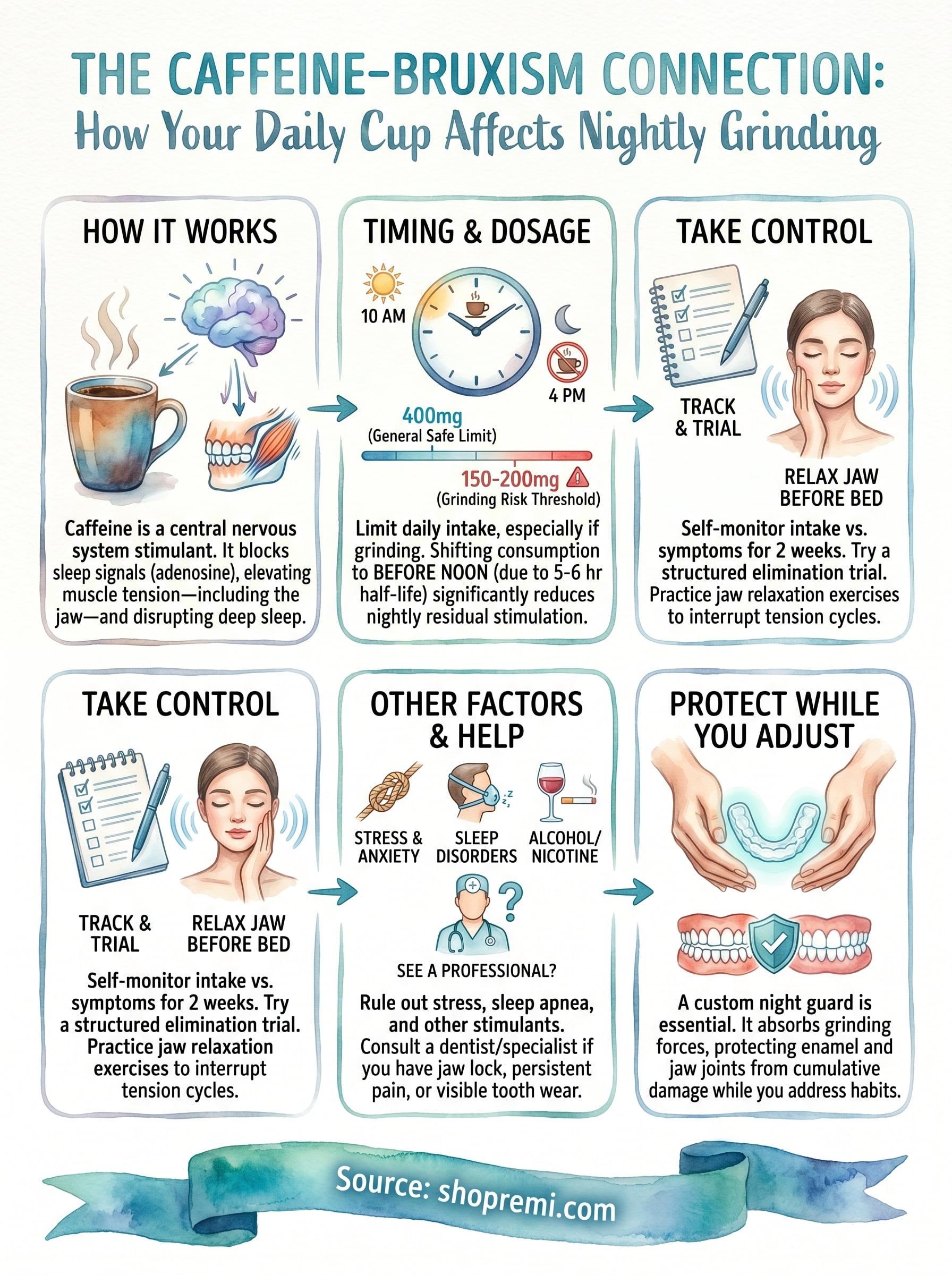
Caffeine is a central nervous system stimulant that works by blocking adenosine receptors, the receptors responsible for signaling your body to slow down and feel sleepy. When you consume caffeine, your brain and body shift into a more alert, activated state. Muscles throughout your body, including those in your jaw, respond to this heightened neural activity, which sets the stage for a direct connection between what you drink and how your jaw behaves while you sleep.
How caffeine stimulates your nervous system
Your nervous system operates on a balance between excitatory and inhibitory signals. Caffeine disrupts this balance by flooding your system with stimulating signals that raise your heart rate, increase muscle tension, and keep your brain firing more actively than it would naturally be at a given hour. When that stimulation reaches your jaw muscles, specifically the masseter and temporalis muscles that control biting and chewing, the result can be involuntary clenching or grinding that persists well into the night.
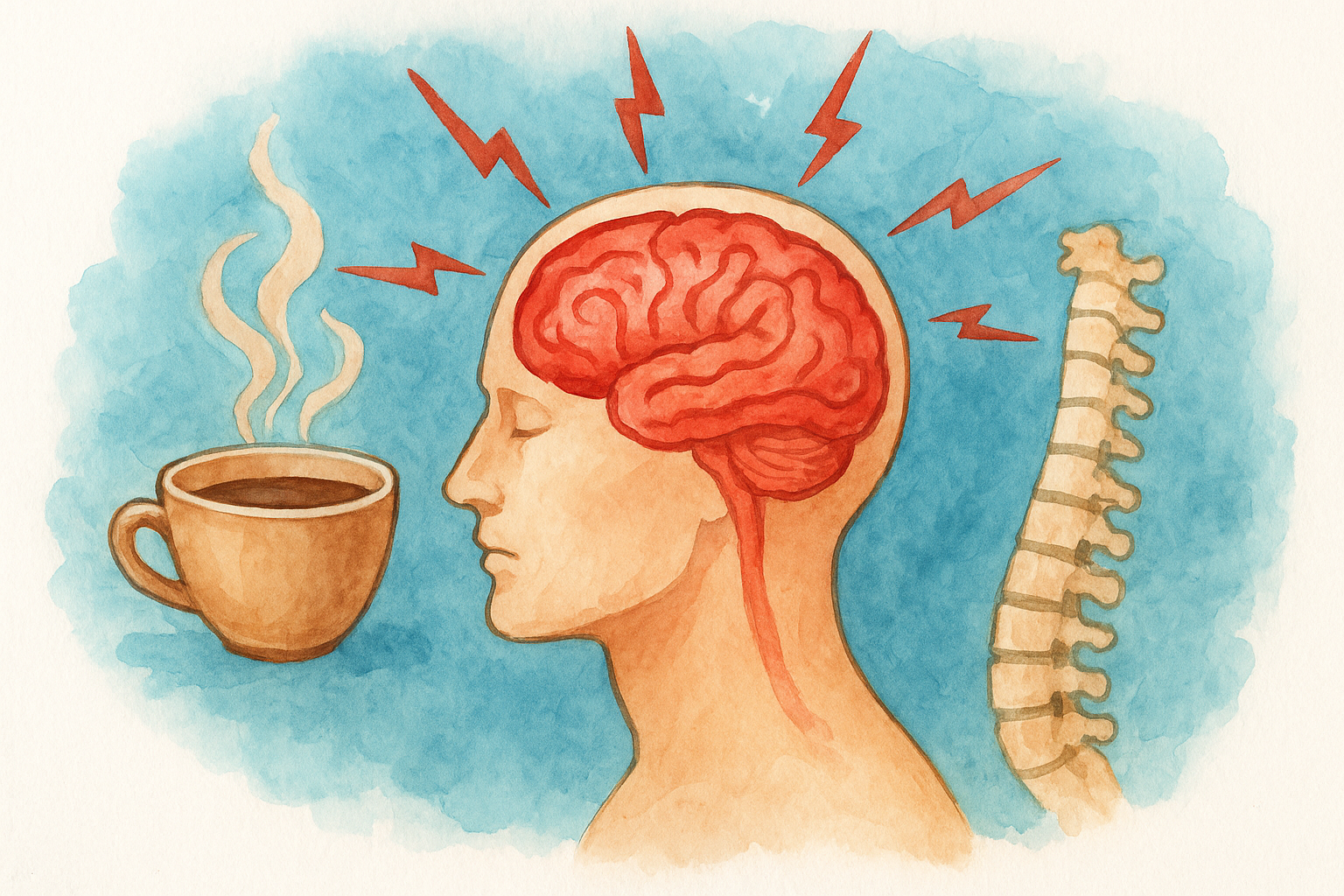
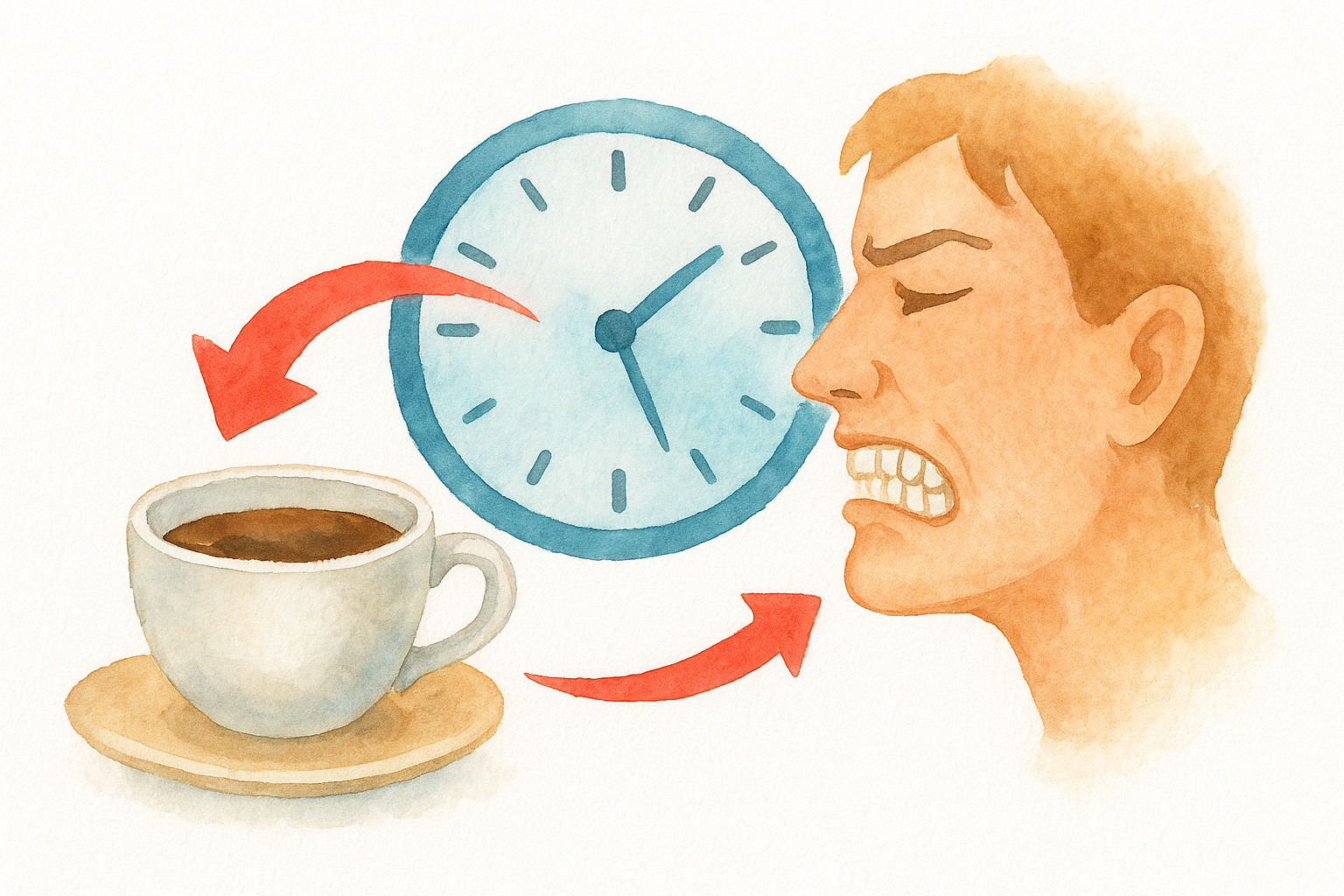
The half-life of caffeine in the average adult is roughly five to six hours, which means a 3 p.m. cup of coffee still carries half its stimulating power at 8 or 9 p.m.
This prolonged window is why the teeth grinding caffeine connection is more serious than most people assume. You might feel tired and ready for sleep, but your jaw muscles may still be operating under residual stimulation that your body has not fully cleared. That gap between how you feel and how your muscles are actually behaving is where bruxism often takes hold.
The sleep disruption factor
Caffeine does not just keep you awake longer; it also reduces your sleep quality even when you do fall asleep. Specifically, it suppresses slow-wave deep sleep and lowers overall sleep efficiency. Research consistently links poor sleep quality to increased bruxism episodes, making caffeine doubly problematic: it stimulates your muscles directly and degrades the sleep stages during which grinding is most likely to occur.
When your sleep architecture gets disrupted, your body spends more time in lighter sleep stages. During lighter sleep, your jaw muscles are less inhibited than they are during deep sleep, which means grinding and clenching episodes tend to become more frequent and more forceful. You may not remember waking, but the cumulative damage to your enamel and jaw joints builds steadily over time.
Muscle tension and the jaw connection
Stress and muscle tension share a well-documented relationship with bruxism, and caffeine amplifies both. Elevated cortisol levels, which caffeine can trigger, keep your muscles in a state of mild contraction throughout the day. Your jaw muscles are particularly vulnerable because they already carry significant resting tension from speaking, chewing, and emotional stress, and adding caffeine-induced tension on top of that baseline creates conditions where nighttime grinding becomes almost a predictable outcome.
Your jaw is one of the strongest muscle groups in your body relative to its size, and that strength works against you when bruxism kicks in. Grinding forces during bruxism episodes can reach levels far beyond what your enamel is designed to absorb during rest, causing micro-fractures, enamel wear, and joint soreness that worsen progressively. Addressing caffeine-driven muscle tension is one concrete and actionable step toward lowering the intensity of that force before it causes lasting damage.
What research says about caffeine and bruxism
The scientific literature on bruxism has increasingly examined lifestyle factors like stimulant use as contributing causes rather than treating grinding as a condition with purely psychological or structural origins. Multiple studies have identified a measurable link between caffeine consumption and elevated bruxism frequency, giving researchers and clinicians a clearer picture of how daily habits shape what happens inside your mouth while you sleep.
Studies linking stimulant intake to bruxism episodes
A frequently cited area of research involves self-reported bruxism alongside dietary habits. In studies that surveyed adults about their caffeine intake and grinding behavior, those who consumed more than 150 milligrams of caffeine per day, roughly one to two standard cups of coffee, showed a notably higher rate of bruxism symptoms. Jaw soreness, morning headaches, and awareness of clenching appeared more often in higher-consumption groups than in those who limited or avoided caffeine entirely.
One cross-sectional study published in the Journal of Oral Rehabilitation found that individuals who consumed energy drinks, which combine caffeine with other stimulants, had significantly higher odds of reporting bruxism symptoms than those who did not.
Research into polysomnographic sleep studies, where participants are monitored overnight in a clinical setting, has also shown that caffeine consumed in the afternoon or evening correlates with more frequent rhythmic masticatory muscle activity, the technical term for the jaw movements associated with bruxism. These findings confirm that the teeth grinding caffeine connection is not simply anecdotal, but physiologically documented.
How dose and timing factor into the research findings
Studies consistently show that both how much caffeine you consume and when you consume it influence bruxism risk. Late-afternoon and evening caffeine intake appears to have a stronger association with nighttime grinding than morning consumption, likely because the stimulant's presence in your bloodstream peaks closer to your sleep window. Even moderate amounts taken late in the day have been linked to disrupted sleep architecture and increased masticatory muscle activity during the night.
Researchers also note that individual variation in caffeine metabolism plays a significant role in the severity of symptoms. Some people carry genetic variants that slow caffeine breakdown, meaning the same cup of coffee produces a longer and more intense stimulant effect in their bodies compared to fast metabolizers. This variation may partly explain why some people develop severe grinding from modest caffeine intake while others with higher consumption report far fewer symptoms.
How much caffeine is too much for bruxism
There is no single number that applies to everyone, but general guidelines from health authorities give you a useful starting point. The FDA cites 400 milligrams of caffeine per day as an amount generally considered safe for healthy adults. For context, a standard 8-ounce cup of brewed coffee contains roughly 80 to 100 milligrams, a shot of espresso runs about 63 milligrams, and a typical energy drink delivers anywhere from 80 to 200 milligrams. If you are already prone to bruxism, staying well below the 400-milligram ceiling is a more protective approach than treating that number as a daily target.
When your total intake starts working against you
For people with active bruxism symptoms, the threshold that begins amplifying grinding risk appears to sit closer to 150 to 200 milligrams per day based on the available research. Two large coffees before noon can put you right at or past that range before you factor in afternoon tea, pre-workout supplements, or caffeinated sodas that often go uncounted. Many people underestimate their daily total because caffeine shows up in sources beyond coffee, including chocolate, certain medications, and flavored sparkling waters.
Tracking your actual intake for even three days often reveals a total significantly higher than your initial estimate.
Your body's sensitivity to caffeine also shifts with age, weight, hormonal changes, and medications, which means a dose that felt manageable in your twenties may now be enough to push your jaw muscles into a state of elevated tension throughout the night. If your grinding symptoms have worsened without an obvious lifestyle change, your caffeine tolerance may have changed while your habits stayed the same.
Cutting back without cutting out entirely
Reducing your intake by 25 to 50 milligrams at a time rather than stopping abruptly gives your nervous system a chance to adjust without triggering withdrawal headaches that could ironically increase jaw tension. Swapping one daily coffee for a lower-caffeine option, such as green tea at roughly 30 to 50 milligrams per cup, lets you lower your overall stimulant load while keeping a routine that feels sustainable. When managing the teeth grinding caffeine connection, gradual reduction tends to produce more consistent results than an all-or-nothing approach that is difficult to maintain.
How to test if caffeine triggers your bruxism
Testing whether caffeine drives your bruxism does not require a clinical study. A structured self-monitoring approach gives you reliable data about your own body within two to four weeks, which is enough time to spot a meaningful pattern between your consumption habits and how your jaw feels each morning.
Track your caffeine intake and symptoms together
Before you change anything, spend one full week logging both your caffeine intake and your bruxism symptoms without altering your normal habits. Write down every caffeinated item you consume, the time you consumed it, and the approximate milligrams where possible. Each morning, note specific symptoms: jaw soreness, headaches near your temples, tooth sensitivity, or a feeling of fatigue in your face. Doing this creates a baseline that shows you exactly where you are starting from rather than guessing.
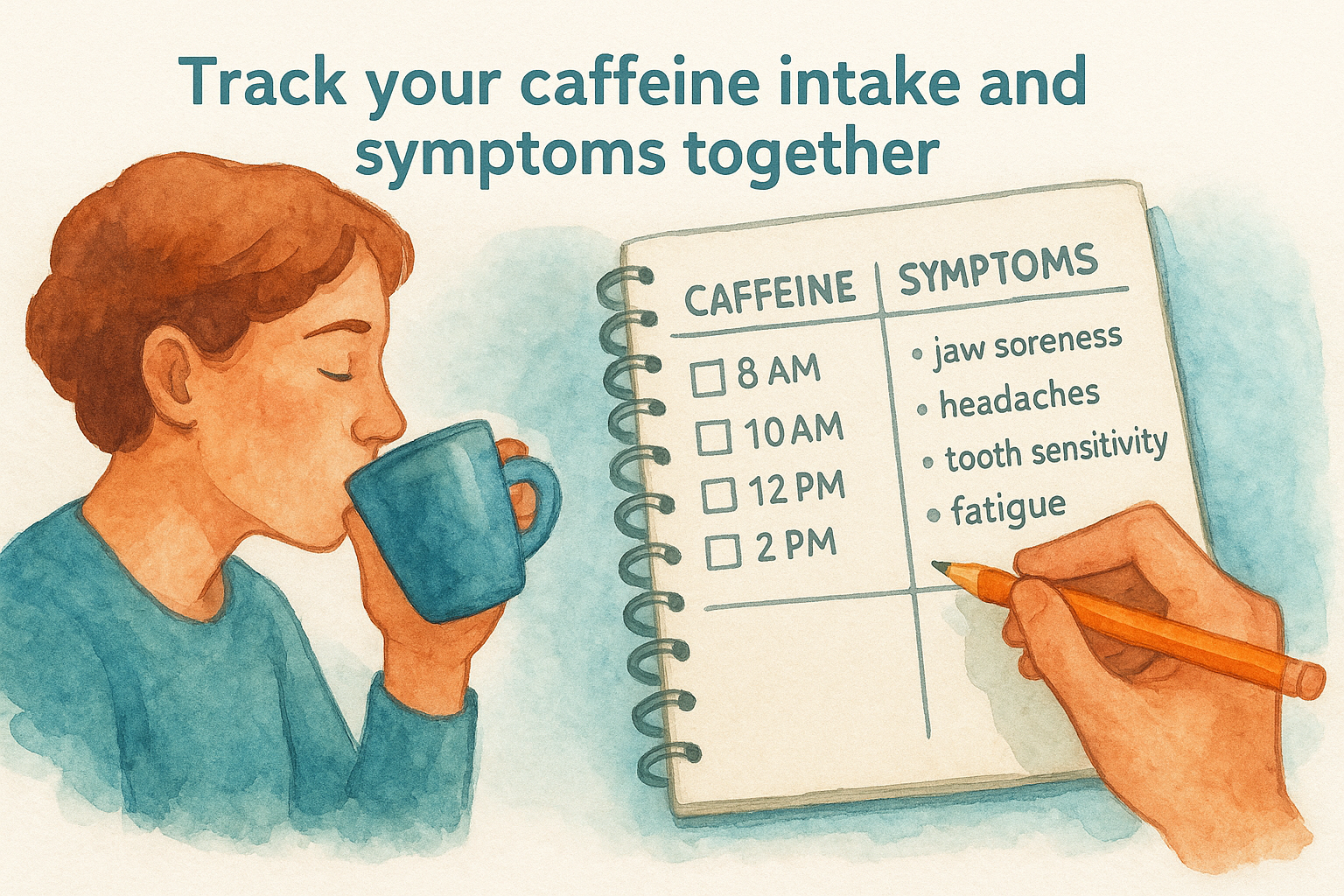
Keeping a simple notes app log takes less than two minutes a day and often reveals patterns you would never have noticed otherwise.
Run a structured elimination trial
Once you have your baseline, cut your total daily caffeine intake by roughly half for the following two weeks. Keep all other variables as consistent as possible, meaning your sleep schedule, stress load, alcohol intake, and exercise routine should stay the same. You are trying to isolate caffeine as a single variable, so changing multiple habits at once makes it significantly harder to identify what actually shifted your symptoms.
After two weeks at the lower intake, record your symptoms again using the same criteria from your baseline week. If your jaw soreness and morning headaches have decreased noticeably, the teeth grinding caffeine connection is likely active in your case. If symptoms stayed the same, caffeine may be a minor factor and other triggers deserve closer attention.
Watch for these physical signals during the trial
Your body gives you measurable feedback beyond jaw soreness if you know what to look for. Check the inside of your cheeks for bite marks or ridging, which indicates clenching even if you do not feel significant pain. Also look for increased sensitivity in your back molars when you eat or drink something cold, since grinding wears enamel and exposes the sensitive layer beneath it. Noticing these changes during your trial helps you gauge whether reducing caffeine is producing real protective benefits for your teeth before any serious damage accumulates.
How to reduce grinding without quitting caffeine
Quitting caffeine entirely is not the only path to reducing bruxism, and for many people it is not a realistic option. A targeted approach that combines smarter caffeine habits with direct jaw management techniques can significantly reduce grinding without requiring you to give up coffee or tea altogether. The goal is to lower your overall stimulant load during the hours when it matters most and give your jaw muscles active support so they are less likely to clench while you sleep.
Shift your caffeine cutoff earlier in the day
The single most effective adjustment most people can make is moving their last caffeinated drink to before 12 or 1 p.m. rather than stopping consumption entirely. Because caffeine's half-life runs five to six hours, finishing your intake by early afternoon gives your body enough time to clear most of the stimulant before you get into bed. Your jaw muscles respond directly to circulating stimulants in your bloodstream, so reducing that load at sleep time lowers their activation level through the night.
Setting a simple alarm labeled "last coffee" on your phone takes about ten seconds and removes the habit of reaching for an afternoon cup without thinking.
If you currently drink caffeine in the afternoon out of routine rather than genuine need, substituting decaf or herbal tea after your cutoff time preserves the ritual without adding to your nightly stimulant burden. This swap alone can meaningfully reduce the residual stimulation your jaw muscles carry into sleep.
Practice jaw relaxation before bed
Intentional jaw relaxation exercises in the thirty minutes before sleep can interrupt the muscle tension cycle that the teeth grinding caffeine connection often creates. A basic technique involves placing the tip of your tongue lightly against the roof of your mouth, keeping your lips closed but your teeth slightly apart, and holding that position for thirty seconds while breathing slowly through your nose. This position physically prevents clenching and trains your muscles to rest in a neutral position rather than contracting.
Pairing this with a short warm compress applied to your masseter muscles for five to ten minutes before bed further relaxes the tissue and reduces baseline tension. You can use a warm damp cloth held against your jaw just below your cheekbones. Doing this consistently, not just on high-stress days, builds a more durable reduction in nighttime muscle activity over time.
Other common bruxism triggers to rule out
Caffeine is a significant factor, but it rarely works alone. Bruxism typically has multiple overlapping causes, and focusing only on the teeth grinding caffeine connection without ruling out other contributors can leave you grinding through the night even after you adjust your coffee habits. Identifying all the triggers at play gives you a more complete picture and a faster path to relief.
Stress and anxiety
Psychological stress is the most consistently documented trigger for bruxism across the research literature. When you experience chronic stress or anxiety, your nervous system stays in a low-grade fight-or-flight state that keeps your muscles, including your jaw, contracted at a higher resting baseline than normal. This elevated tension carries directly into your sleep, where it expresses itself as clenching or grinding without any conscious input from you.
Anxiety disorders in particular show a strong association with bruxism severity. People managing generalized anxiety, social anxiety, or untreated panic disorder report bruxism at notably higher rates than those without these conditions. If your stress levels have increased recently and your jaw symptoms have followed, stress management practices like structured breathing or progressive muscle relaxation may address a root cause that caffeine reduction alone will not fix.
Sleep disorders and medications
Obstructive sleep apnea has a well-documented link to bruxism, with some researchers proposing that grinding episodes function as a physiological response to airway obstruction during sleep. If you snore heavily, wake frequently, or feel unrefreshed in the morning, a sleep study is worth discussing with your doctor before attributing all your symptoms to lifestyle factors.
Certain prescription medications, particularly SSRIs and SNRIs used to treat depression and anxiety, list bruxism as a known side effect that your prescribing physician can help you address.
Stimulant medications used to treat ADHD also elevate muscle tension in ways that mirror caffeine, making it important to review your full medication list with your doctor if grinding persists despite lifestyle adjustments.
Alcohol and other stimulants
Alcohol disrupts sleep architecture in a pattern similar to caffeine, suppressing deep sleep stages and increasing time spent in lighter sleep where grinding episodes occur more freely. Many people assume alcohol helps them sleep because it accelerates sleep onset, but the overall sleep quality it produces is significantly poorer, which makes bruxism more likely rather than less.
Nicotine from smoking or vaping carries similar stimulant properties to caffeine and deserves equal scrutiny when you are troubleshooting grinding. Regular nicotine use before bed keeps your nervous system activated and your jaw muscles primed for tension throughout the night.
When to see a dentist or sleep specialist
Self-monitoring and lifestyle adjustments handle many bruxism cases effectively, but some symptoms signal that the problem has progressed beyond what habit changes alone can address. Knowing when to bring in a professional saves your teeth from damage that becomes expensive and painful to reverse. If the teeth grinding caffeine adjustments and jaw relaxation techniques you have tried for four to six weeks have not produced noticeable improvement, that plateau is a clear indicator that a professional evaluation is the appropriate next step.
Signs your symptoms need professional evaluation
Several specific symptoms should prompt you to contact a dentist without waiting out a longer trial period. Visible flattening or chipping of your tooth surfaces, increased sensitivity that did not exist six months ago, and jaw pain that radiates into your ear or neck all indicate that structural damage is already occurring. You are not in a position to reverse enamel loss at home, and waiting longer only narrows the treatment options your dentist has available.
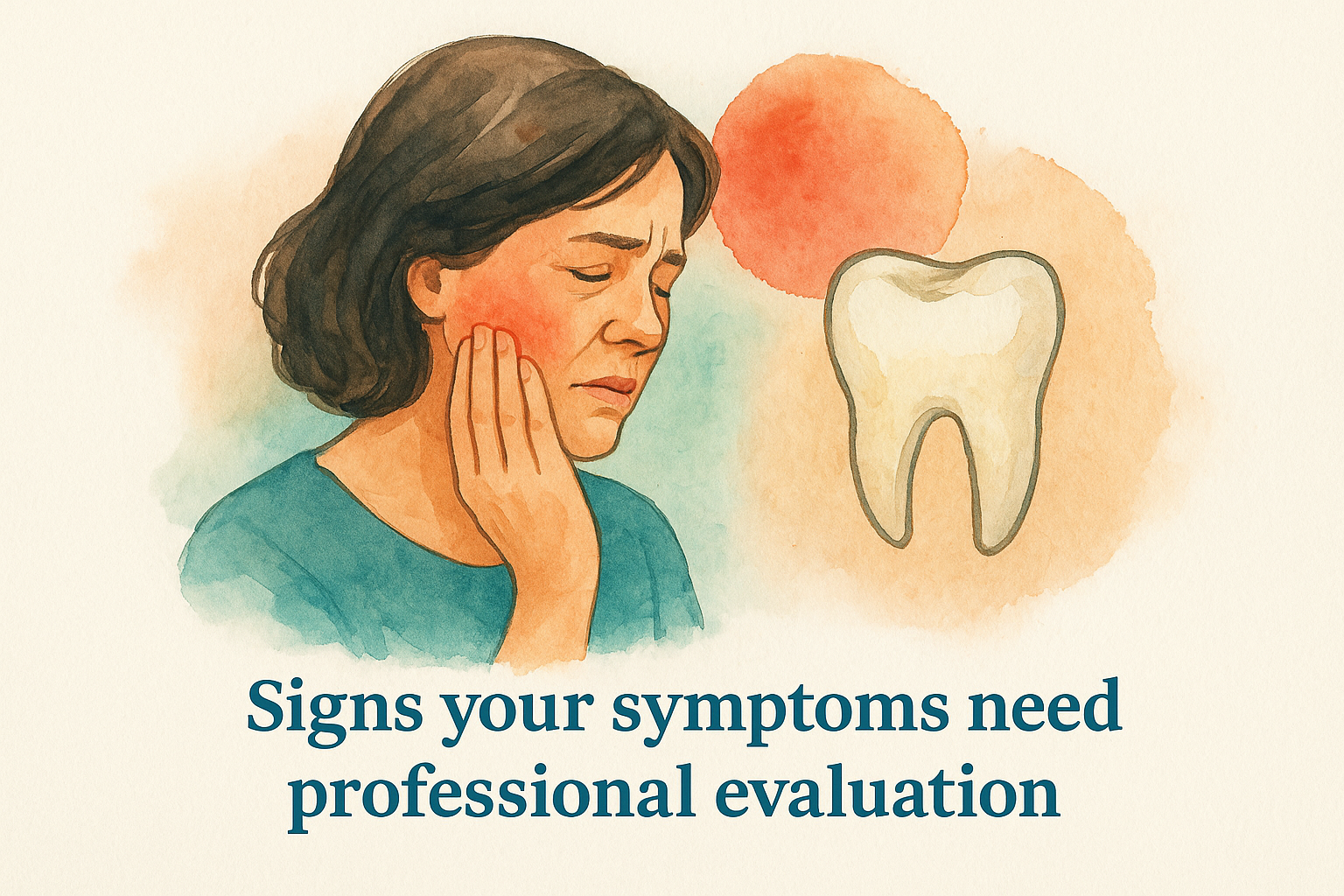
Watch for these warning signs that warrant a dental or medical appointment:
- Jaw locking or limited range of motion when you open your mouth wide
- Clicking or popping sounds in your jaw joint when you chew or speak
- Persistent morning headaches that occur three or more times per week
- Tooth sensitivity to temperature that lasts longer than a few seconds
- Visible wear facets on your molars or front teeth that your dentist can confirm
If you wake up with a sore jaw on most mornings despite making consistent lifestyle adjustments, booking a dental appointment within the next two weeks is the right move rather than waiting for symptoms to worsen.
What a sleep specialist can diagnose
A sleep specialist becomes relevant when your symptoms suggest an underlying sleep disorder is driving the grinding. Obstructive sleep apnea, periodic limb movement disorder, and REM sleep behavior disorder each have documented connections to bruxism, and none of them respond to caffeine reduction or night guards alone. Your dentist may refer you after examining your symptoms, or you can ask your primary care physician for a referral directly.
A sleep study, also called a polysomnography, records your muscle activity, breathing, and brain waves overnight to identify exactly what is happening while you sleep. This data gives a sleep specialist the information needed to treat the root cause rather than just the surface symptoms, which makes a meaningful difference in your long-term outcomes.
Protecting your teeth while you adjust habits
Lifestyle changes take time to produce results, and your teeth are under active stress every night while you work through the adjustment process. Addressing the teeth grinding caffeine connection through diet and behavior shifts is a smart long-term strategy, but those changes do not protect your enamel tonight. A custom night guard fills that gap by absorbing grinding forces before they reach your tooth surfaces, giving you a physical barrier that works regardless of where you are in the process of reducing your triggers.
Start with a custom night guard
A night guard works by cushioning the contact between your upper and lower teeth, redirecting the force of grinding away from your enamel and into a material designed to absorb impact. Over-the-counter options from the pharmacy provide some coverage, but their generic fit often results in pressure points that cause jaw discomfort and can disrupt your sleep further, which is the opposite of what you need.
A custom-fitted night guard, made from a mold of your actual teeth, distributes grinding forces evenly across the surface so no single tooth takes a disproportionate hit during the night.
Remi's at-home impression kit lets you create a precise mold without a dental appointment, and the resulting guard is fabricated to your specific bite. This level of fit also makes the guard more comfortable to wear consistently, which matters because a night guard you leave on the nightstand provides no protection at all. Consistent nightly use is what determines whether your enamel holds up while you work on the underlying habits driving the grinding.
Add a cleaning routine to protect your guard
A night guard that is not cleaned properly becomes a breeding ground for bacteria, which can affect your gum health and shorten the life of the appliance itself. Rinsing it with cool water immediately after you remove it each morning removes surface debris before it has a chance to settle. Brushing it gently with a soft toothbrush and non-abrasive soap a few times per week keeps the material clear and odor-free.
For a deeper clean, an ultrasonic cleaner reaches areas that manual brushing misses by using high-frequency vibrations to dislodge buildup from the guard's surface. Pairing this with Remi's Night Guard Cleaning and Teeth Whitening Foam gives you a simple two-step routine that keeps your appliance in protective condition for as long as possible while you address the broader causes of your bruxism.
Final takeaways
The teeth grinding caffeine link is real, measurable, and actionable. Caffeine stimulates your nervous system, elevates muscle tension, and disrupts the sleep stages where grinding is most likely to occur, making it one of the most direct lifestyle levers you have for reducing bruxism severity. Shifting your last caffeinated drink to before noon, tracking your symptoms for two weeks, and practicing jaw relaxation before bed give you a structured path to meaningful improvement without requiring you to quit caffeine entirely.
At the same time, habit changes alone do not protect the enamel you already have. While you work through reducing triggers, your teeth need physical protection each night. A properly fitted night guard absorbs grinding forces before they reach your tooth surfaces and keeps damage from accumulating while your habits catch up. If you are ready to stop waking up with a sore jaw, start with a custom night guard from Remi and protect your teeth tonight.

