
 Guards + Retainers
 Custom Night Guard
 Retainer
 Emergency Order

 Whitening
 Whitening Kit
 Teeth Whitening Gel
 Dual-Action Foam
 Cleaning + Care
 Ultrasonic Cleaner Pro
 Water Flosser
 UV Toothbrush Sanitizer
 Deep Clean + Freshening Tablets
 Accessories
 Guard Removal Tool
 Replacement Nozzles
 Bundles

You spent the time and money to brighten your smile, now the real work begins. Knowing how to maintain teeth whitening results takes more than just avoiding coffee for a week. Without the right habits, stains can creep back faster than you'd expect, sometimes within just a few months of treatment.
The good news? Keeping your teeth white isn't complicated. It comes down to smart daily choices, what you eat, how you brush, and which products you use between treatments. At Remi, we help people protect their smiles every day with products like our dual-purpose cleaning and whitening foam, designed to work alongside night guards and retainers so you can maintain brightness while you sleep.
Below, you'll find practical, dentist-backed tips to extend the life of your whitening results and keep your smile looking its best. From dietary swaps to simple oral care upgrades, these are steps you can start using right away.
1. Use a Daily Whitening and Cleaning Foam
A daily whitening foam is one of the most practical tools for how to maintain teeth whitening results between professional treatments. Unlike trays or strips, it fits easily into an existing routine and delivers a low, consistent dose of whitening agents to your enamel each day without the bulk or hassle of extra steps.
What a Whitening Foam Does and What It Cannot Do
Whitening foam works by using mild peroxide or non-peroxide whitening agents to lift surface stains and slow new stain buildup over time. It won't reverse deep discoloration on its own, but it does a reliable job of preserving the brightness you already achieved from treatment. Think of it as maintenance mode, not a replacement for your original whitening process.
Used consistently, a daily whitening foam can meaningfully extend the time between full whitening treatments.
How to Use Whitening Foam Without Increasing Sensitivity
The key is frequency and moderation. Applying whitening foam once per day gives your enamel enough time to remineralize between uses. If your teeth already feel sensitive after treatment, cut back to every other day until that sensitivity settles down. You should also avoid using foam right after acidic foods or drinks, since your enamel is temporarily softened and more vulnerable to irritation at those moments.
How to Pair Whitening Maintenance With Appliance Cleaning
Wearing a night guard or retainer gives you a built-in opportunity to double up on your maintenance routine. Remi's Night Guard Cleaning + Teeth Whitening Foam lets you clean your appliance and whiten your teeth at the same time, cutting out a separate step entirely. Apply the foam to your appliance before you put it in so your teeth stay in consistent contact with the whitening agents throughout the night while the appliance itself stays fresh and odor-free.
When to Pause and Ask a Dentist First
Stop using any whitening product if you notice sharp or lingering tooth sensitivity, gum irritation, or unusual white spotting on your enamel. Those signs mean your enamel likely needs a break. Also, speak with your dentist before starting a maintenance routine if you have crowns, veneers, or significant restorations, since whitening foam only works on natural tooth enamel and won't match the shade of dental work.
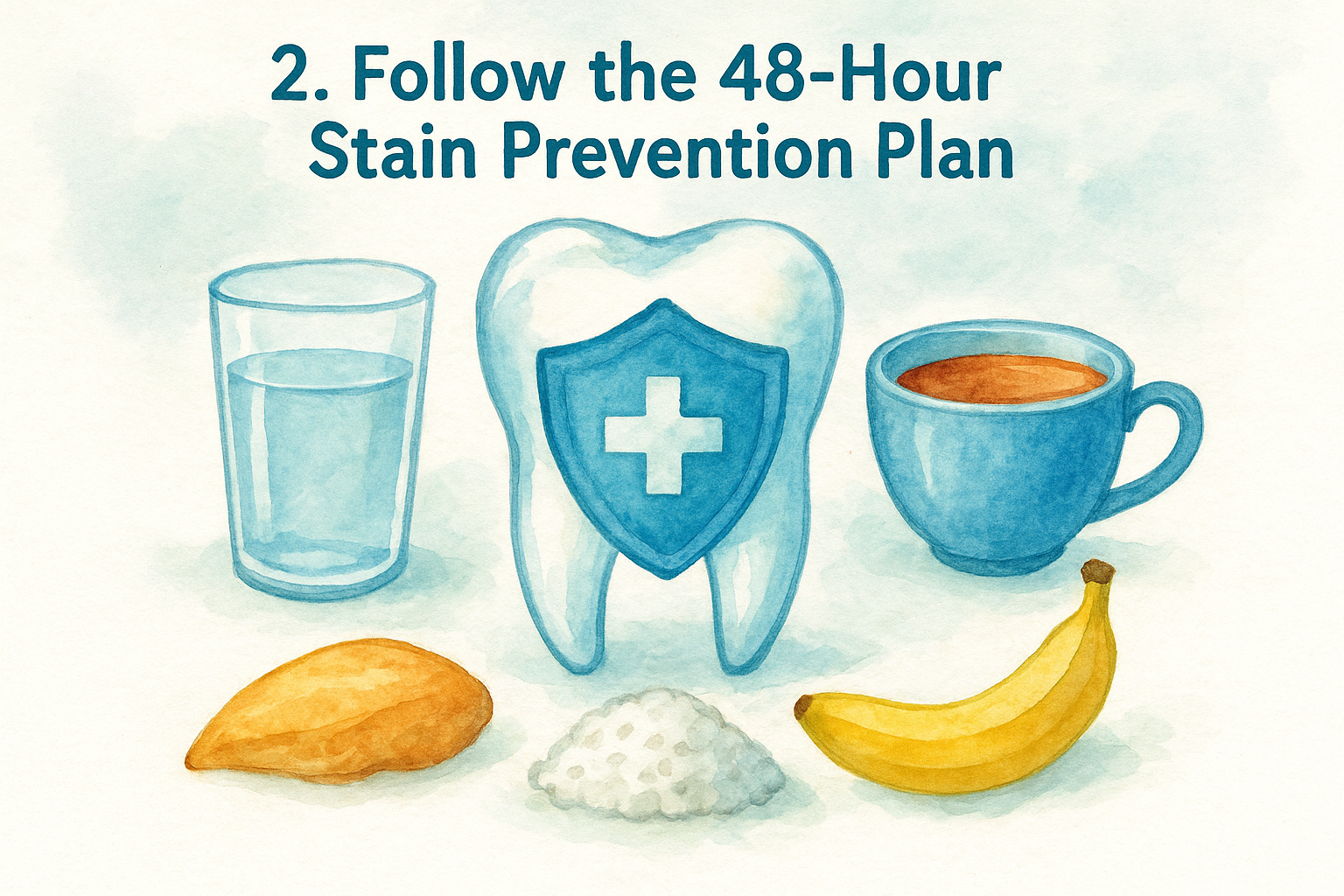
2. Follow the 48-Hour Stain Prevention Plan
The 48 hours right after whitening are the most sensitive period for protecting your results. Your enamel is in a temporarily vulnerable state, meaning the habits you follow in this short window have an outsized impact on whether your brightness holds.
Why Teeth Pick Up Stains Faster Right After Whitening
Whitening treatments work by opening the microscopic pores in your enamel to break apart deep-set discoloration. Those pores stay open briefly after treatment, which means pigment-rich foods and drinks absorb far more aggressively than they normally would during this short period.
The first 48 hours after whitening are when your enamel is most vulnerable to new staining.
What to Avoid for the First Two Days
Skip anything with deep pigmentation for at least 48 hours. The biggest offenders to cut out include:
- Dark beverages: coffee, tea, red wine, and cola
- Staining foods: berries, tomato sauce, soy sauce, and beets
- Tobacco products: cigarettes and chewing tobacco cause rapid surface yellowing
What You Can Eat and Drink Instead
Sticking to the "white diet" keeps your enamel clean while it restabilizes. Safe options include:
- Proteins and grains: chicken, fish, white rice, and pasta with cream sauce
- Light foods: bananas, plain yogurt, and cauliflower
- Beverages: water and clear or lightly colored drinks like coconut water
How to Handle Slip-Ups Without Undoing Your Results
If you consume something staining, rinse your mouth with water immediately to flush out pigments before they settle. One lapse won't undo your treatment entirely.
Following up by brushing gently within 30 minutes of the incident reduces how much stain actually takes hold in your enamel during that vulnerable window.
3. Eat and Drink to Reduce New Stains
Your diet plays a direct role in how to maintain teeth whitening results over time. Some foods and drinks deposit pigments deep into enamel, while others actively reduce buildup as part of a normal routine. Understanding which is which helps you make better choices without a major lifestyle overhaul.
The Biggest Staining Culprits and Why They Stick
Chromogens, the pigment compounds in deeply colored foods and drinks, bind to enamel with surprising strength. Tannins in coffee, tea, and red wine act as binding agents that lock those pigments in place, making these drinks especially damaging to brightness.
Acidic drinks soften enamel temporarily, giving chromogens a wider opening to penetrate deeper into the tooth surface.
The biggest offenders to limit include:
- Coffee, black tea, and red wine
- Berries, tomato-based sauces, and beets
- Dark sodas and sports drinks
Simple Habit Swaps That Keep Your Normal Routine Intact
Small changes add up quickly. Swapping dark sauces for lighter alternatives and choosing white tea instead of black tea cuts chromogen exposure without removing foods you enjoy.
Adding crunchy raw vegetables like celery or carrots to meals helps scrub the enamel surface while you eat, giving you a passive cleaning effect with no extra effort.
How to Drink Coffee, Tea, and Wine With Less Staining
Using a straw routes liquid past your front teeth, reducing direct contact with the most visible enamel surfaces.
Rinsing with water between sips also dilutes pigments before they settle, which makes a meaningful difference during longer meals or social situations.
What to Do Right After Staining Foods and Drinks
Rinse immediately with water to flush loose pigments off the surface before they bind to enamel. The faster you act, the less staining actually takes hold.
Chewing sugar-free gum afterward stimulates saliva, which buffers residual acids and helps clear chromogens naturally from the tooth surface.
4. Brush, Floss, and Rinse the Right Way
Your daily oral care routine is one of the most reliable tools for how to maintain teeth whitening results long-term. Consistent, correct technique removes surface stains before they bond to enamel, making every session count toward preserving your brightness.
The Best Daily Routine for Keeping Stains Off Enamel
Brush twice a day and floss once to remove the plaque and food particles that trap pigments against your enamel. Use gentle circular motions rather than aggressive scrubbing, which wears down enamel over time and makes teeth more prone to absorbing stains.
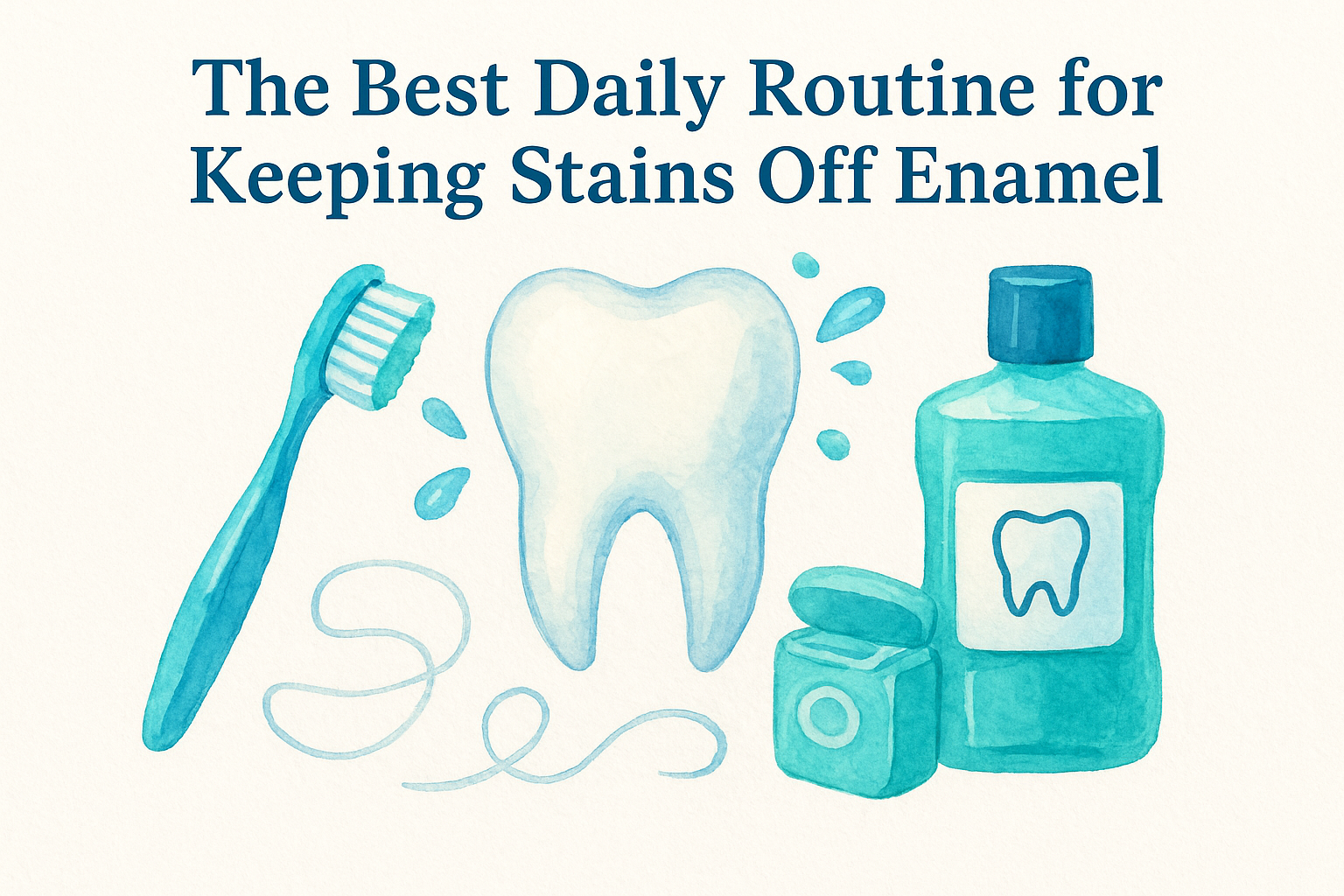
A solid daily routine includes these steps:
- Floss before brushing to loosen debris between teeth
- Brush for two full minutes, covering all surfaces evenly
- Rinse with a whitening or fluoride mouthwash to finish
Whitening Toothpaste Dos and Don'ts
Whitening toothpastes use mild abrasives or chemical agents to polish surface stains without bleaching. Use them as your daily paste for maintenance, but limit highly abrasive formulas to a few times per week. Overusing abrasive options thins your enamel and increases sensitivity, which works against you.
Thinner enamel exposes more of the yellow dentin underneath, which counteracts any whitening benefit you've gained.
When to Brush After Acidic Foods and Drinks
Wait at least 30 minutes after acidic foods or drinks before brushing. Acid temporarily softens enamel, and brushing immediately spreads that damage further instead of cleaning it away.
Rinsing with plain water right after eating gives your enamel time to reharden before you pick up your toothbrush.
Tools That Help You Clean Better With Less Effort
An electric toothbrush removes significantly more plaque than manual brushing and maintains consistent pressure throughout your session. Adding a water flosser clears the spaces between teeth more thoroughly, flushing out staining particles that manual floss often misses entirely.
5. Plan Touch-Ups and Dental Cleanings
Knowing how to maintain teeth whitening results long-term means accepting that no whitening treatment lasts forever. Building a realistic plan around scheduled touch-ups and professional cleanings gives you a reliable system for staying ahead of gradual discoloration before it becomes noticeable.
How Long Whitening Results Usually Last and What Affects It
Most whitening treatments hold their results for anywhere from six months to two years, depending on how consistently you follow the habits outlined in this article. Lifestyle factors like smoking, frequent coffee consumption, and skipping daily cleaning all shorten that window considerably.
Your habits between treatments matter just as much as the treatment itself when it comes to how long your results last.
How Often to Schedule Cleanings to Prevent Dulling
Professional cleanings remove tartar and surface buildup that your toothbrush cannot reach, which directly prevents the gradual dulling that happens over time. Scheduling a cleaning every six months keeps that buildup controlled and gives your dentist a chance to catch early issues before they affect your enamel health.
Regular cleanings also give your dentist a clear picture of how your whitening results are progressing and whether your current maintenance routine is working.
Touch-Up Options and How to Choose the Safest One
Touch-up options range from at-home whitening foams to in-office treatments, and the right choice depends on how much brightness you've lost and how your teeth feel. If sensitivity is low, a daily whitening foam used consistently for a few weeks is usually enough to restore surface brightness between major treatments.
Signs You Should Stop Whitening and Get Checked
Stop any whitening routine if you notice persistent sensitivity, visible white spots, or gum irritation that lasts more than a day or two. These signs indicate your enamel needs recovery time, and pushing through them causes more harm than good.
Your dentist can assess whether enamel erosion or gum recession is making continued whitening unsafe before you resume any treatment.
Keep Your Results Longer
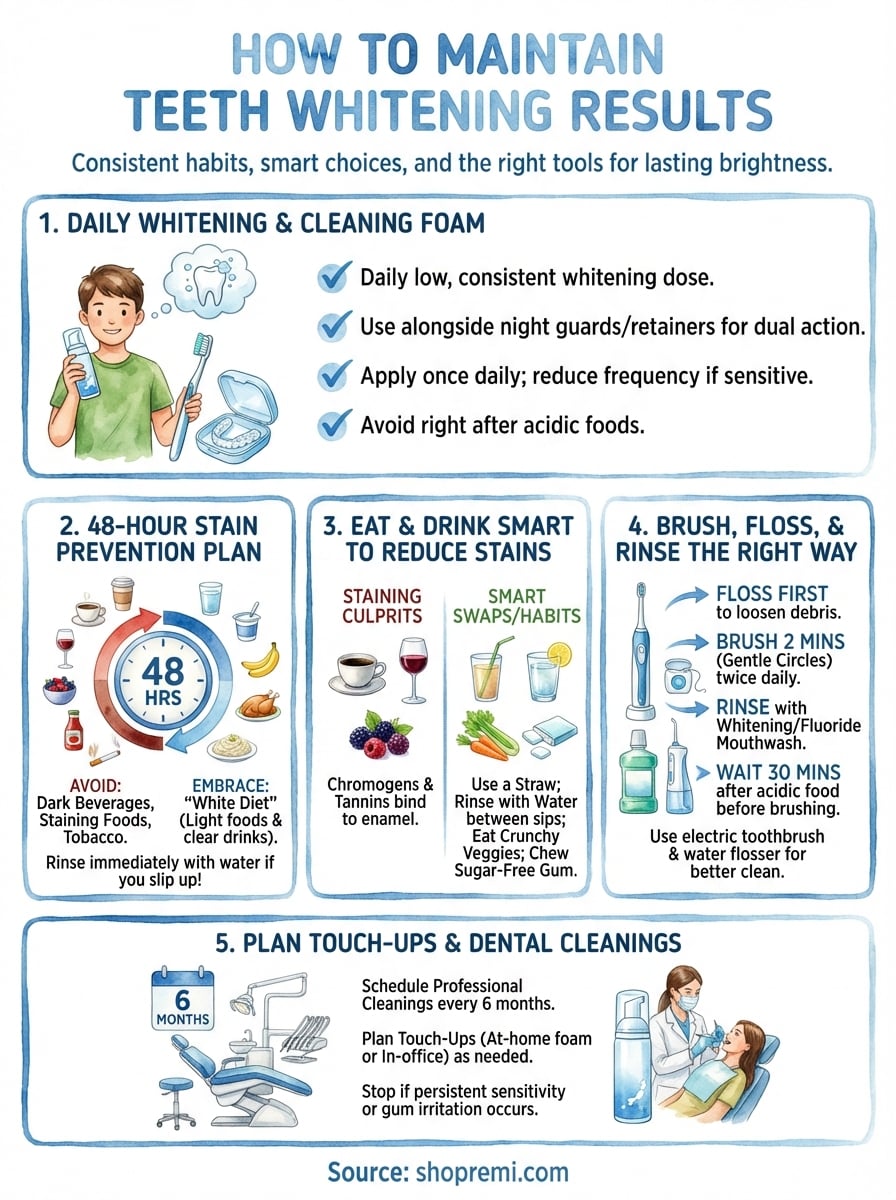
Knowing how to maintain teeth whitening results comes down to building consistent habits rather than relying on a single product or treatment. Daily maintenance, smart food choices, and a solid cleaning routine each play a role in how long your brightness holds after treatment.
Small steps compound quickly. Rinsing after staining drinks, waiting before brushing, and using a whitening foam regularly all work together to slow new stain buildup before it becomes noticeable. None of these require major changes to your current routine.
Your tools matter too. Pairing a whitening foam with the right cleaning routine means you protect your enamel while keeping your appliances fresh at the same time. If you wear a night guard or retainer, a cordless water flosser helps you clear staining particles from the spaces between your teeth that standard brushing misses, giving your maintenance routine a reliable daily edge.

