
 Guards + Retainers
 Custom Night Guard
 Retainer
 Emergency Order

 Whitening
 Whitening Kit
 Teeth Whitening Gel
 Dual-Action Foam
 Cleaning + Care
 Ultrasonic Cleaner Pro
 Water Flosser
 UV Toothbrush Sanitizer
 Deep Clean + Freshening Tablets
 Accessories
 Guard Removal Tool
 Replacement Nozzles
 Bundles

Teeth whitening removes stains and discoloration from your tooth enamel using chemical agents that break down the pigments causing yellowing or darkening. The process works by applying bleaching agents like hydrogen peroxide or carbamide peroxide to your teeth, which penetrate the enamel and react with stain molecules to lighten their appearance. Whether done at home or in a dental office, the basic chemistry remains the same, though the concentration and delivery method vary.
This article explains the science behind how whitening agents work on your teeth, walks you through the chemical process that lifts stains, and breaks down your options for both professional and at home treatments. You'll learn about the differences between various whitening methods, what side effects to expect, who should avoid whitening altogether, and how to choose the right approach for your goals. By understanding the mechanics behind teeth whitening, you can make an informed decision about whether it's right for you and which method will deliver the results you want.
Why teeth whitening matters for your smile
Your smile serves as one of the first things people notice about you, and the color of your teeth directly affects how others perceive you in both personal and professional settings. Studies consistently show that people with whiter teeth appear more attractive, successful, and trustworthy to others, which can open doors in job interviews, social situations, and romantic encounters. Beyond surface impressions, the appearance of your teeth influences how you feel about yourself and whether you smile freely or hide your teeth when speaking or laughing.
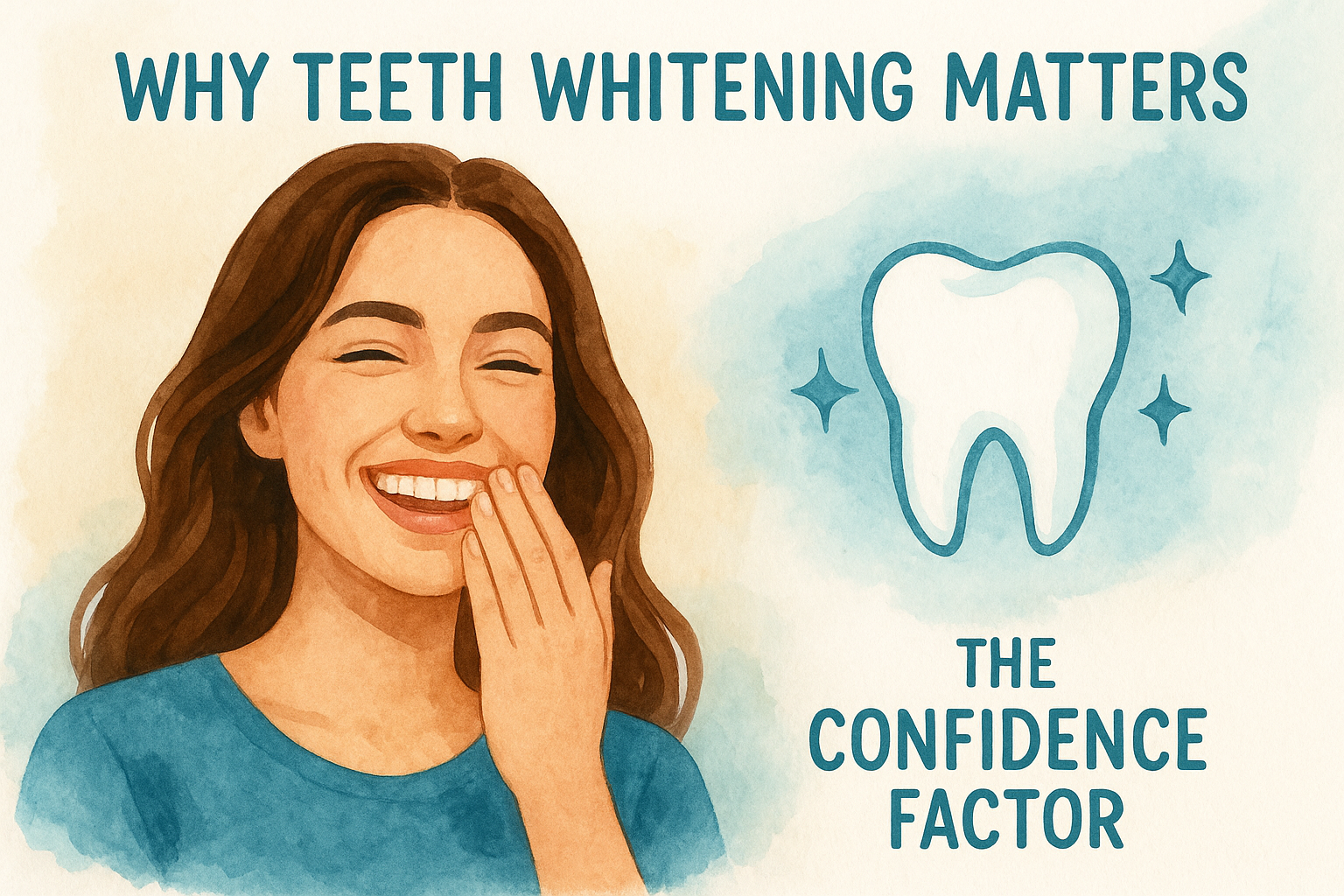
The confidence factor in daily interactions
When you feel self-conscious about stained or yellowed teeth, you're more likely to cover your mouth when you laugh or avoid smiling in photos, which prevents you from fully expressing yourself. This behavior creates a negative feedback loop where avoiding social situations or limiting your expressions can affect your mental wellbeing and relationships. Whitening your teeth removes this barrier, allowing you to engage confidently in conversations, presentations, and social gatherings without worrying about what others think of your appearance.
People who feel good about their smile are more likely to smile often, which improves mood and social connections.
How whitening motivates better oral care
Understanding how does teeth whitening work also helps you appreciate the maintenance required to keep results lasting, which naturally leads to improved oral hygiene habits. After investing time and money into whitening, you become more conscious of your daily choices regarding coffee consumption, tobacco use, and regular brushing, creating positive behavior changes that benefit your overall dental health beyond just aesthetics.
How to choose a teeth whitening method
Your choice of whitening method depends on several factors including the type of stains you have, your budget, how quickly you want results, and your tolerance for tooth sensitivity. Before selecting a treatment, you need to understand that extrinsic stains (surface discoloration from coffee, wine, or smoking) respond differently than intrinsic stains (discoloration within the tooth structure from medications or trauma). Professional evaluation helps identify which category your discoloration falls into, but you can often make an initial assessment based on your lifestyle habits and dental history.
Assess your stain type first
Surface stains from external sources like coffee, tea, red wine, berries, and tobacco respond well to most whitening methods because the discoloration sits on top of your enamel where bleaching agents can easily reach it. These extrinsic stains typically lighten within days of starting treatment, and you can often achieve your desired shade with over-the-counter products if the staining isn't severe. Understanding how does teeth whitening work helps you recognize that these surface stains break down more quickly than deeper discoloration.
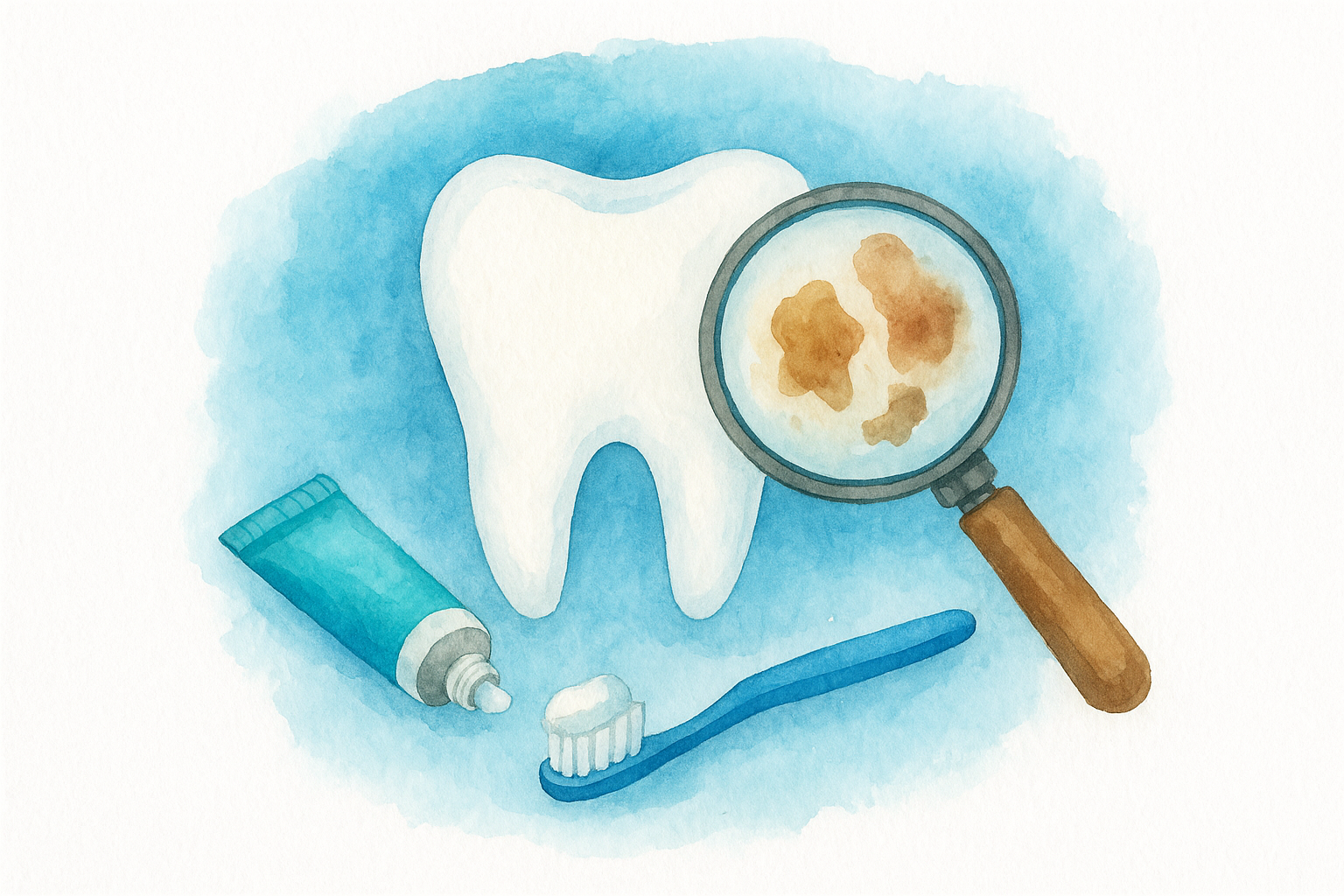
Intrinsic stains require stronger concentrations of whitening agents and longer treatment times because the discoloration exists within the tooth structure itself, not just on the surface. Medications like tetracycline, excessive fluoride exposure during childhood, or trauma to teeth create these internal stains that may appear gray or brown and resist standard whitening treatments. Professional assessment becomes essential for intrinsic stains because some cases benefit from in-office treatments while others may need alternative solutions like veneers or bonding.
Consider your budget and timeline
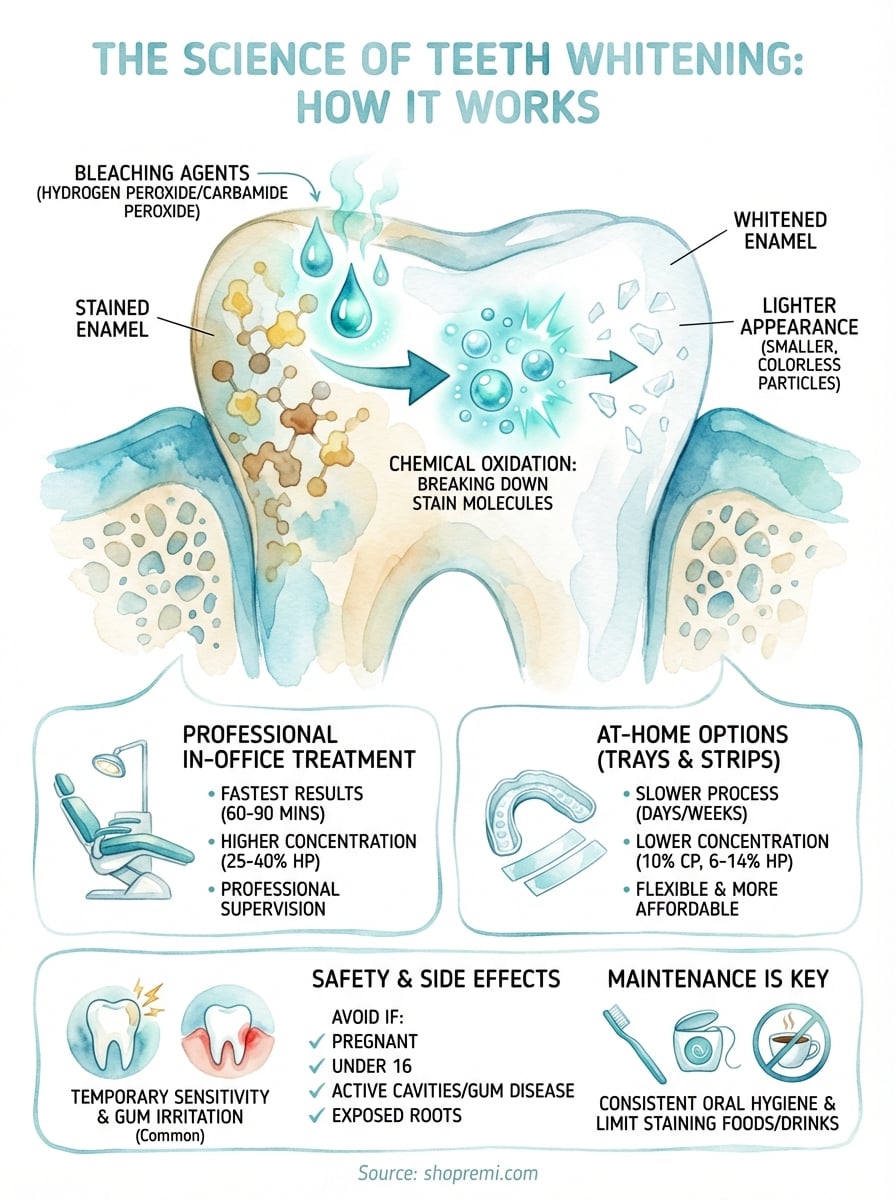
In-office whitening costs between $300 and $1,000 depending on your location and the specific treatment, but it delivers the fastest results with visible changes in a single 60 to 90 minute appointment. Dentists use higher concentrations of hydrogen peroxide (25% to 40%) under controlled conditions, which accelerates the chemical reaction that breaks down stain molecules. This option makes sense when you need immediate results for an upcoming event or when you want professional supervision throughout the process.
At-home options range from $20 to $400 and require consistent application over several days or weeks to achieve comparable results to professional treatments. Custom-fitted trays from your dentist cost more than drugstore strips but deliver better coverage and more predictable outcomes because they hold the whitening gel against all tooth surfaces evenly. Budget-friendly alternatives like whitening toothpaste only remove surface stains through mild abrasives and take the longest to show any visible change, typically requiring months of daily use.
Factor in your sensitivity level
People with existing tooth sensitivity or exposed root surfaces should start with lower concentration products (around 10% carbamide peroxide) to minimize discomfort during and after treatment. Your enamel thickness and gum health directly affect how you respond to whitening agents, and pushing through pain with high-strength products can damage your teeth rather than speed up results. Products containing potassium nitrate or fluoride help reduce sensitivity by blocking nerve pathways in the teeth, making them a better choice if you've experienced pain with whitening before.
Choosing a whitening method that matches your sensitivity level prevents unnecessary pain and protects your enamel from damage.
What happens when you whiten your teeth
The whitening process begins when bleaching agents contact your tooth enamel and start a chemical reaction that breaks apart the molecules responsible for discoloration. Your teeth don't actually become white in the traditional sense; instead, the chromophores (color-causing molecules) within your enamel get broken down into smaller, colorless particles that no longer reflect light in ways that make your teeth appear yellow or brown. Understanding how does teeth whitening work at the molecular level helps you appreciate why different stains require different treatment durations and why results vary between individuals.
The chemical breakdown of stain molecules
When you apply whitening gel to your teeth, the hydrogen peroxide or carbamide peroxide releases free radicals that penetrate your enamel and attack the chemical bonds holding stain molecules together. These free radicals carry oxygen atoms that bind to the chromogen molecules (the compounds that give stains their color), breaking them into smaller pieces that scatter light differently. This oxidation reaction continues for hours after application, which explains why you see gradual improvement rather than instant results.
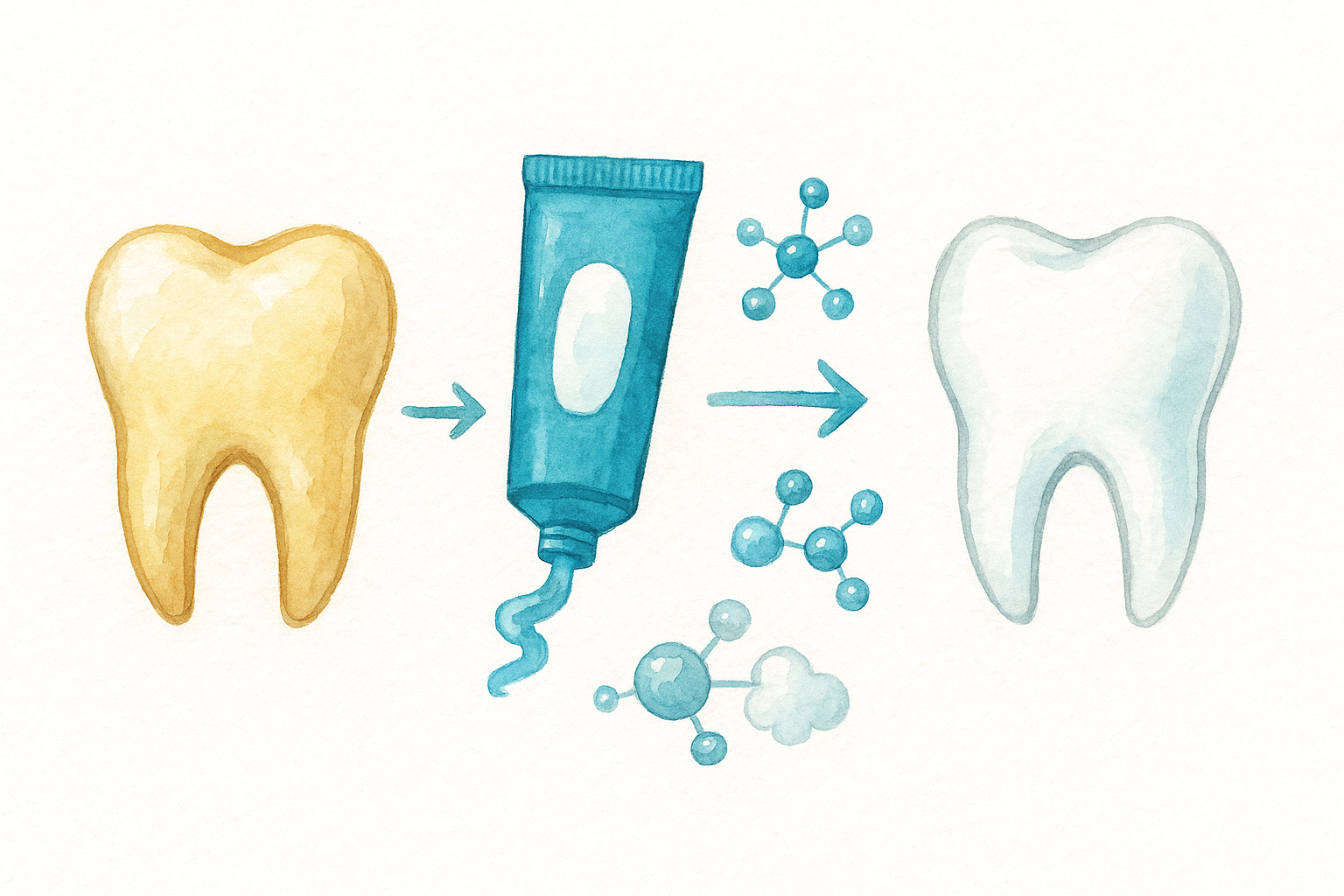
Carbamide peroxide breaks down into hydrogen peroxide and urea when it contacts moisture in your mouth, releasing about one-third of its concentration as active hydrogen peroxide over time. A 30% carbamide peroxide solution delivers roughly 10% hydrogen peroxide, but the slower release rate allows the chemical reaction to continue longer with less initial intensity. This extended action makes carbamide peroxide formulas gentler on sensitive teeth while still achieving comparable results to faster-acting hydrogen peroxide treatments.
How bleaching agents penetrate your enamel
Your tooth enamel contains microscopic pores and tubules that allow whitening agents to pass through the hard outer layer and reach the deeper dentin where many intrinsic stains reside. The concentration of the bleaching agent determines how deeply and quickly it penetrates these pathways, with professional-strength formulas (25% to 40% hydrogen peroxide) reaching deeper layers faster than over-the-counter products (10% to 22% carbamide peroxide). Heat from specialized lights or lasers can accelerate penetration, though research shows this doesn't significantly improve final results compared to gel alone.
The porous structure of your enamel allows whitening agents to travel deep into your teeth where they break down stains from the inside out.
The oxidation process that lightens color
Oxidation transforms colored organic compounds into colorless carbon dioxide and water molecules that your body naturally eliminates, permanently altering the structure of stain-causing substances. This chemical change differs from surface cleaning or abrasion because it modifies the actual molecular composition of the discoloration rather than simply removing a layer of debris. The reaction continues working for 24 to 48 hours after you stop treatment, which explains why dentists recommend avoiding staining foods and drinks during this window.
Different stain types respond to oxidation at varying rates because their molecular structures differ in complexity and stability. Yellow stains from coffee, tea, and tobacco typically lighten within days because their chromophores break down easily, while gray or brown stains from tetracycline or fluorosis contain more stable molecules that require weeks of treatment to show improvement. Temperature affects reaction speed, so some systems use heat to accelerate oxidation, though this increases sensitivity risk without guaranteeing better outcomes.
At home vs in office whitening options
You face two main paths when deciding between professional dental office treatments and at-home whitening systems, each offering distinct advantages in speed, cost, and convenience. Professional in-office whitening delivers the fastest and most dramatic results because dentists use higher concentration bleaching agents (25% to 40% hydrogen peroxide) that aren't available for consumer purchase. At-home options range from dentist-provided custom trays to drugstore strips and gels, all using lower concentrations (3% to 22% carbamide peroxide or 6% to 10% hydrogen peroxide) that require longer treatment periods but cost significantly less.
Your choice ultimately depends on whether you prioritize immediate results and professional supervision over affordability and the flexibility to whiten on your own schedule. In-office treatments cost more upfront but complete the process in one or two appointments, while at-home systems spread the investment over weeks but give you control over timing and intensity. Both approaches use the same chemical process to break down stains, so understanding how does teeth whitening work helps you recognize that the difference lies primarily in concentration and application method rather than fundamental effectiveness.
In-office treatments deliver fastest results
Dental office whitening sessions take 60 to 90 minutes and can lighten your teeth by several shades in a single appointment through the use of professional-grade hydrogen peroxide gels. Your dentist applies a protective barrier to your gums before coating your teeth with the high-concentration bleaching agent, which penetrates enamel quickly due to its strength. Some offices use LED lights or lasers during treatment, though research shows these accelerators don't significantly improve outcomes compared to the gel alone.
Professional supervision during in-office whitening reduces your risk of gum irritation and uneven results because the dentist controls gel placement and monitors your response throughout the process. You receive immediate feedback if sensitivity occurs, and dentists can adjust treatment intensity based on your comfort level. This controlled environment makes in-office whitening safer for people with dental work, gum recession, or other oral health concerns that complicate at-home treatments.
At-home custom trays offer professional quality
Custom-fitted trays from your dentist provide better coverage and more predictable results than over-the-counter alternatives because they hold whitening gel against all tooth surfaces without gaps or overflow onto gums. Your dentist creates these trays from impressions of your teeth, ensuring the perfect fit that allows you to whiten comfortably for the prescribed duration without gel leaking or shifting. Treatment typically involves wearing the trays for 30 minutes to 2 hours daily over two to four weeks, depending on the gel concentration and your desired shade.
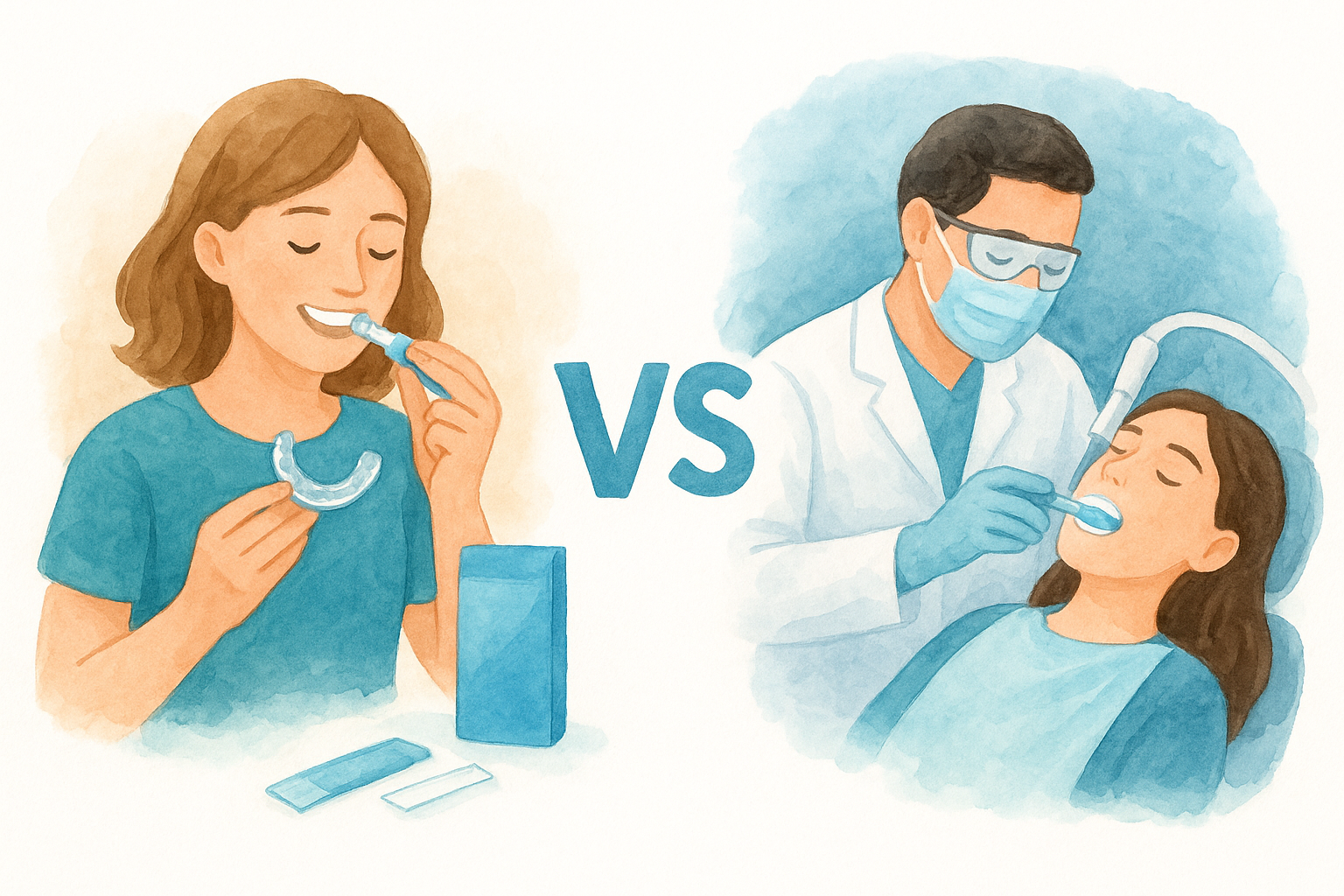
Custom trays deliver professional-grade results at home while giving you complete control over when and how often you whiten your teeth.
Dentist-provided take-home kits use carbamide peroxide concentrations between 10% and 35%, which break down more slowly than the hydrogen peroxide used in office treatments but achieve comparable results with extended use. This gradual approach often causes less sensitivity because your teeth aren't exposed to intense bleaching all at once. You can adjust your treatment schedule based on sensitivity, pausing for a day or two if discomfort occurs before continuing.
Over-the-counter products provide budget options
Drugstore whitening strips cost $20 to $60 per kit and contain hydrogen peroxide concentrations between 6% and 14%, delivering noticeable results after one to two weeks of daily 30-minute applications. These thin plastic strips stick to your teeth and mold to their shape, though they don't fit as precisely as custom trays and may miss spaces between teeth or along the gum line. You'll see the most improvement on your front teeth, while back molars receive less coverage.
Whitening toothpastes and rinses work through mild abrasives and low-concentration peroxides that remove surface stains gradually over months of consistent use, making them the slowest but most affordable option at $5 to $15 per product. These products maintain results after more intensive whitening rather than delivering dramatic change on their own. Paint-on gels provide another alternative, allowing you to brush whitening solution directly onto each tooth for precise application, though they require careful technique to avoid ingesting the product or missing areas.
Safety, side effects, and who should avoid it
Teeth whitening ranks as one of the safest cosmetic dental procedures when you follow product instructions and work with qualified professionals, but it can cause temporary side effects that range from mild discomfort to significant pain. The bleaching agents used in whitening treatments penetrate your enamel and reach the nerve endings in your teeth, which sometimes triggers sensitivity that lasts anywhere from a few hours to several days after treatment. Most people experience only minor issues that resolve on their own, but certain individuals should avoid whitening entirely due to underlying dental conditions or health factors that increase complication risks.
Common side effects you might experience
Tooth sensitivity represents the most frequent complaint during and after whitening, affecting roughly 60% to 70% of people who undergo treatment with higher concentration products. You feel this as sharp, temporary pain when consuming hot, cold, sweet, or acidic foods and drinks because the peroxide depletes minerals in your enamel temporarily and exposes microscopic tubules leading to your nerves. This sensitivity typically peaks within the first 24 to 48 hours after treatment and fades completely within a week, though people with naturally thin enamel or existing sensitivity experience more intense discomfort.
Gum irritation occurs when whitening gel contacts your soft tissue, causing redness, swelling, or a burning sensation along your gum line that feels similar to a mild chemical burn. Professional treatments minimize this risk through protective barriers, but at-home applications can lead to contact when you overfill trays or misposition strips. The irritation clears up within two to three days after stopping treatment, and you can prevent it by carefully following application instructions and wiping away any gel that spreads beyond your teeth.
Temporary sensitivity affects most whitening users but resolves naturally within days after completing treatment.
When to avoid whitening altogether
Pregnant and breastfeeding women should skip all whitening treatments because researchers haven't established the safety of peroxide absorption during these periods, even though the amounts involved are minimal. Your dentist will advise waiting until after pregnancy and nursing to pursue whitening rather than risk potential effects on fetal or infant development. People with active cavities, gum disease, or exposed roots need to address these conditions before whitening because the bleaching agents can penetrate damaged areas and cause severe pain or worsen existing problems.
Children under 16 shouldn't use whitening products because their tooth pulp chambers remain enlarged until mid-adolescence, which increases sensitivity risk and potential nerve damage. Anyone with dental restorations (crowns, veneers, bridges, or fillings) on visible front teeth should reconsider whitening since these materials don't respond to bleaching agents and will appear darker than your natural teeth after treatment. Understanding how does teeth whitening work helps you recognize why certain conditions make you a poor candidate, as the chemicals require healthy tooth structure to deliver safe, predictable results.
How to minimize discomfort during treatment
Starting with lower concentration products (10% carbamide peroxide) and gradually increasing strength gives your teeth time to adapt to the bleaching process and reduces the shock that causes intense sensitivity. You can shorten application times during your first few sessions, then extend them as your tolerance builds. Using desensitizing toothpaste containing potassium nitrate for two weeks before whitening blocks nerve pathways in your teeth and significantly reduces pain during treatment.
Taking breaks between applications allows your enamel to remineralize naturally through saliva exposure, which repairs temporary damage caused by peroxide and restores protective minerals. Applying fluoride gel after each whitening session strengthens your enamel and helps seal the tubules that transmit pain signals.
Key takeaways
Understanding how does teeth whitening work empowers you to choose the right treatment based on your stain type, budget, timeline, and sensitivity level. Bleaching agents penetrate your enamel and break down stain molecules through oxidation, with results varying based on concentration and application method. Professional in-office treatments deliver faster results using higher concentration peroxides, while at-home options provide comparable outcomes at lower costs with extended use. Most people experience temporary tooth sensitivity that resolves within days, though individuals with certain dental conditions should avoid whitening.
Maintaining your whitening results requires consistent oral hygiene practices that prevent new stains from forming. A cordless water flosser helps remove staining particles between teeth before they settle, protecting your investment in a brighter smile.

