
 Guards + Retainers
 Custom Night Guard
 Retainer
 Emergency Order

 Whitening
 Whitening Kit
 Teeth Whitening Gel
 Dual-Action Foam
 Cleaning + Care
 Ultrasonic Cleaner Pro
 Water Flosser
 UV Toothbrush Sanitizer
 Deep Clean + Freshening Tablets
 Accessories
 Guard Removal Tool
 Replacement Nozzles
 Bundles

You spend roughly a third of your life asleep, or at least trying to. But have you ever stopped to consider what good sleep does for you beyond simply feeling less groggy in the morning? The answer, backed by a growing body of research, is a lot more than most people realize.
Quality sleep strengthens your immune system, sharpens your memory, regulates your mood, and even helps protect your heart. It's one of the few things that touches virtually every system in your body, yet it's often the first thing we sacrifice when life gets busy.
Here's the catch: even if you're logging enough hours, problems like teeth grinding (bruxism) and jaw clenching can silently wreck your sleep quality without you knowing it. That's exactly why we built Remi, to offer custom-fitted night guards that protect your teeth and help you actually rest through the night, at a fraction of what a dentist's office charges.
In this article, we'll break down 10 science-backed benefits of good sleep, from brain function to physical recovery, so you can understand exactly what's at stake, and why protecting your sleep is worth the effort.
1. Protect your teeth and reduce grinding wakeups
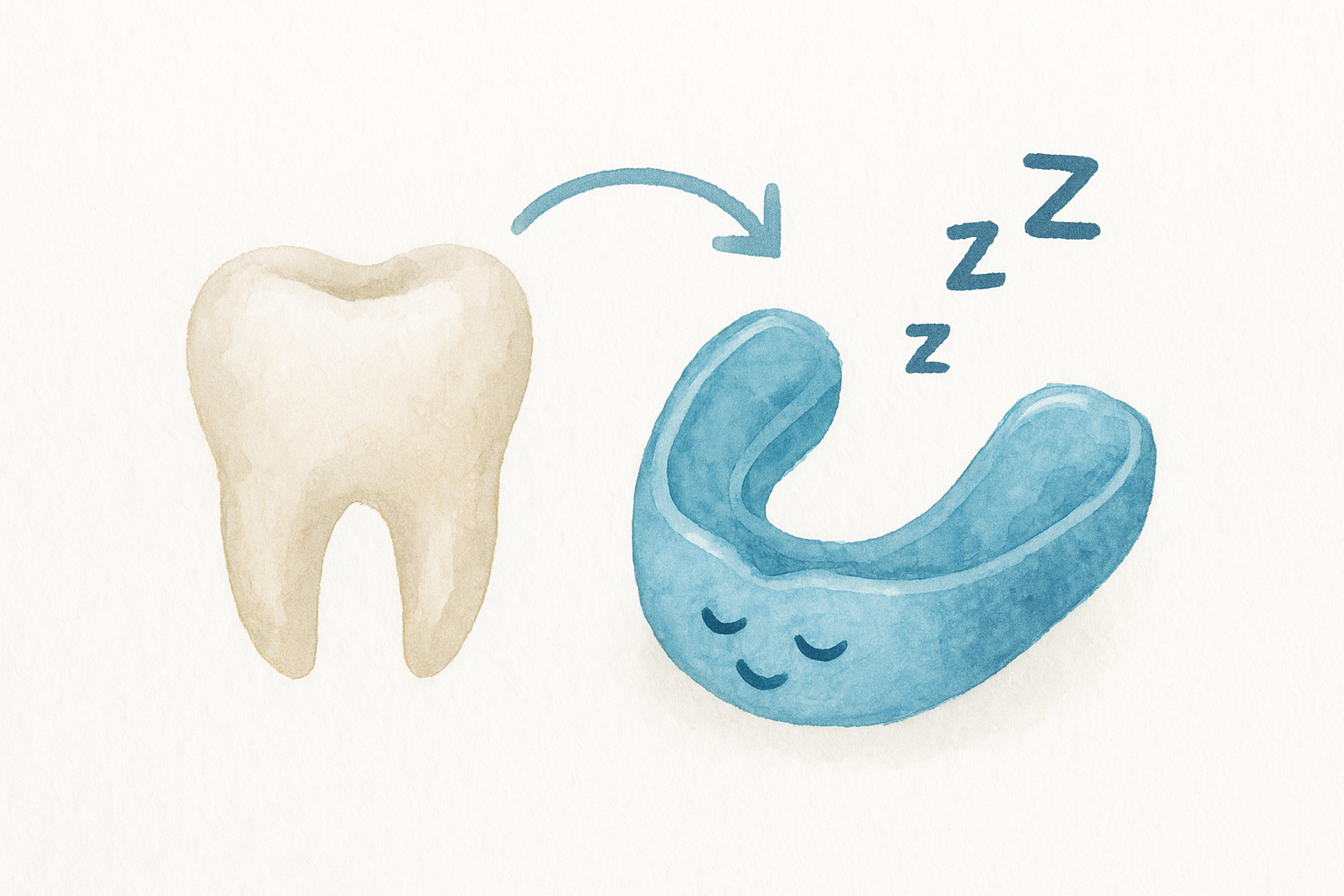
One of the most underappreciated answers to what good sleep does for you involves your teeth. Bruxism, the clinical term for teeth grinding and jaw clenching, affects an estimated 8-31% of adults, and it tends to peak during lighter sleep stages. When it goes unaddressed, it can wear down enamel, crack teeth, and trigger the kind of jaw soreness that wakes you up or greets you every morning.
What happens in your body
During sleep, your muscles are supposed to relax. But with bruxism, your jaw muscles stay hyperactive, generating forces that can exceed 250 pounds per square inch. This repeated stress erodes enamel, strains the temporomandibular joint (TMJ), and creates micro-fractures that compound over years. Poor or fragmented sleep also raises cortisol levels, which increases muscle tension and makes grinding worse the following night, creating a cycle that's hard to break without intervention.
Teeth grinding can generate bite forces significantly higher than normal chewing, accelerating enamel loss faster than most people realize until visible damage appears.
What you may notice day to day
You might wake up with a dull headache across your temples or jaw soreness that fades by mid-morning. Some people notice their teeth feel sensitive to hot and cold, or that their partner mentions hearing grinding sounds at night. Over time, you may notice worn, flattened, or chipped teeth when you look in the mirror. Daytime fatigue is also common because your sleep architecture gets disrupted every time a grinding episode pulls you toward lighter sleep.
How to get more of this benefit
The most direct step is wearing a custom-fitted night guard that creates a protective barrier between your upper and lower teeth. Unlike bulky pharmacy versions, a properly fitted guard lets your jaw relax without clenching against hard resistance. Pair that with a consistent sleep schedule, limiting caffeine after noon, and winding down with light stretching or a brief meditation before bed to reduce the muscle tension that fuels grinding.
When to talk to a clinician
Talk to a dentist if you notice significant tooth wear, jaw pain that doesn't resolve, or frequent morning headaches. A dentist can assess TMJ involvement, check for enamel damage, and confirm whether a night guard is the right fit for your specific pattern of grinding.
2. Feel more energy and less daytime sleepiness
Understanding what good sleep does for you starts with the most obvious payoff: you wake up with real, lasting energy instead of dragging yourself through the afternoon. This benefit comes down to how your body manages cellular repair and energy restoration during sleep, not just the total hours you log each night.
What happens in your body
During deep sleep, your brain clears out adenosine, a chemical that accumulates as a byproduct of waking activity and creates the physical sensation of fatigue. Your body also releases growth hormone in pulses, driving tissue repair and metabolic recovery. When sleep is cut short or fragmented, adenosine doesn't fully clear, and your energy reserves start the next day already depleted before you've done anything.
Research consistently shows that sleeping fewer than seven hours per night significantly impairs alertness, even when people report feeling fine.
What you may notice day to day
You'll find it easier to stay focused and alert through the afternoon without reaching for an extra coffee. Your reaction times improve, and tasks that normally feel heavy become more manageable. People who consistently get quality sleep also report fewer energy crashes tied to the mid-afternoon slump.
How to get more of this benefit
Keep your wake time consistent, even on weekends, to anchor your circadian rhythm. Avoid bright screens in the hour before bed, as blue light suppresses melatonin and delays the deep, restorative sleep stages that drive the most recovery.
When to talk to a clinician
If you still feel persistently exhausted after seven to nine hours of sleep, talk to your doctor. Conditions like sleep apnea or anemia can cause fatigue that no amount of extra rest will fix on its own.
3. Improve mood and stress resilience
Another clear answer to what good sleep does for you sits in how you feel and handle stress. Sleep and mood are tightly linked, and the relationship runs both ways: poor sleep makes you more reactive, while stress and anxiety fragment your sleep in return.
What happens in your body
During REM sleep, your brain processes emotional memories, replaying and recontextualizing them to reduce their emotional charge. It also recalibrates the amygdala, the region that triggers fear and stress responses. When REM is cut short, this process stays incomplete, leaving you more reactive to even minor stressors the following day.
Research shows that people who sleep fewer than seven hours consistently report significantly higher rates of anxiety, irritability, and perceived stress compared to those who sleep adequately.
What you may notice day to day
You'll find that minor frustrations feel easier to manage after a full night of rest. Your patience runs longer, and you carry less background tension through your day.
With consistent quality sleep, emotional conversations also become easier to navigate, and your overall baseline stress level drops noticeably over time.
How to get more of this benefit
Protect your pre-sleep wind-down hour by cutting screens and keeping the environment calm and dim. A brief breathing or body-scan routine before bed can lower cortisol enough to meaningfully improve both REM quality and overall emotional recovery overnight.
When to talk to a clinician
If persistent low mood or anxiety continues despite improving your sleep habits, speak with your doctor. Those symptoms may point to a mood or sleep disorder that needs direct clinical attention rather than sleep hygiene adjustments alone.
4. Strengthen immune defenses and lower inflammation
Sleep is one of the most powerful tools your immune system has, and understanding what good sleep does for you at the cellular level makes that clear. Consistent, quality rest doesn't just help you recover when you're sick; it actively fortifies your defenses before illness ever takes hold.
What happens in your body
During sleep, your body ramps up the production of cytokines, proteins that coordinate immune responses and help fight infection and inflammation. Your lymphatic system also clears out metabolic waste that accumulates during waking hours, including proteins linked to chronic inflammation. When sleep is cut short or disrupted repeatedly, cytokine output drops and inflammatory markers rise, leaving your immune system running at a deficit.
Studies show that people who sleep fewer than six hours per night are significantly more likely to catch a cold when exposed to a virus than those who sleep seven hours or more.
What you may notice day to day
You'll likely notice that you get sick less often and recover faster when you do. Skin may also look clearer, since chronic low-grade inflammation often shows up as puffiness, redness, or breakouts. Your joints and muscles tend to feel less stiff in the morning when inflammation stays in check overnight.
How to get more of this benefit
Aim for seven to nine hours of uninterrupted sleep each night. Reducing alcohol intake and keeping your bedroom cool support deeper sleep stages, which is where the most intensive immune work happens.
When to talk to a clinician
If you get frequent infections or deal with persistent inflammation even with solid sleep habits, see your doctor. Those patterns can signal an underlying immune condition that warrants direct testing and treatment.
5. Support heart health and healthier blood pressure
One of the most significant answers to what good sleep does for you involves your cardiovascular system. Your heart needs sleep just as much as your brain does, and the evidence connecting poor sleep to elevated heart disease risk is substantial and consistent across large population studies.
What happens in your body
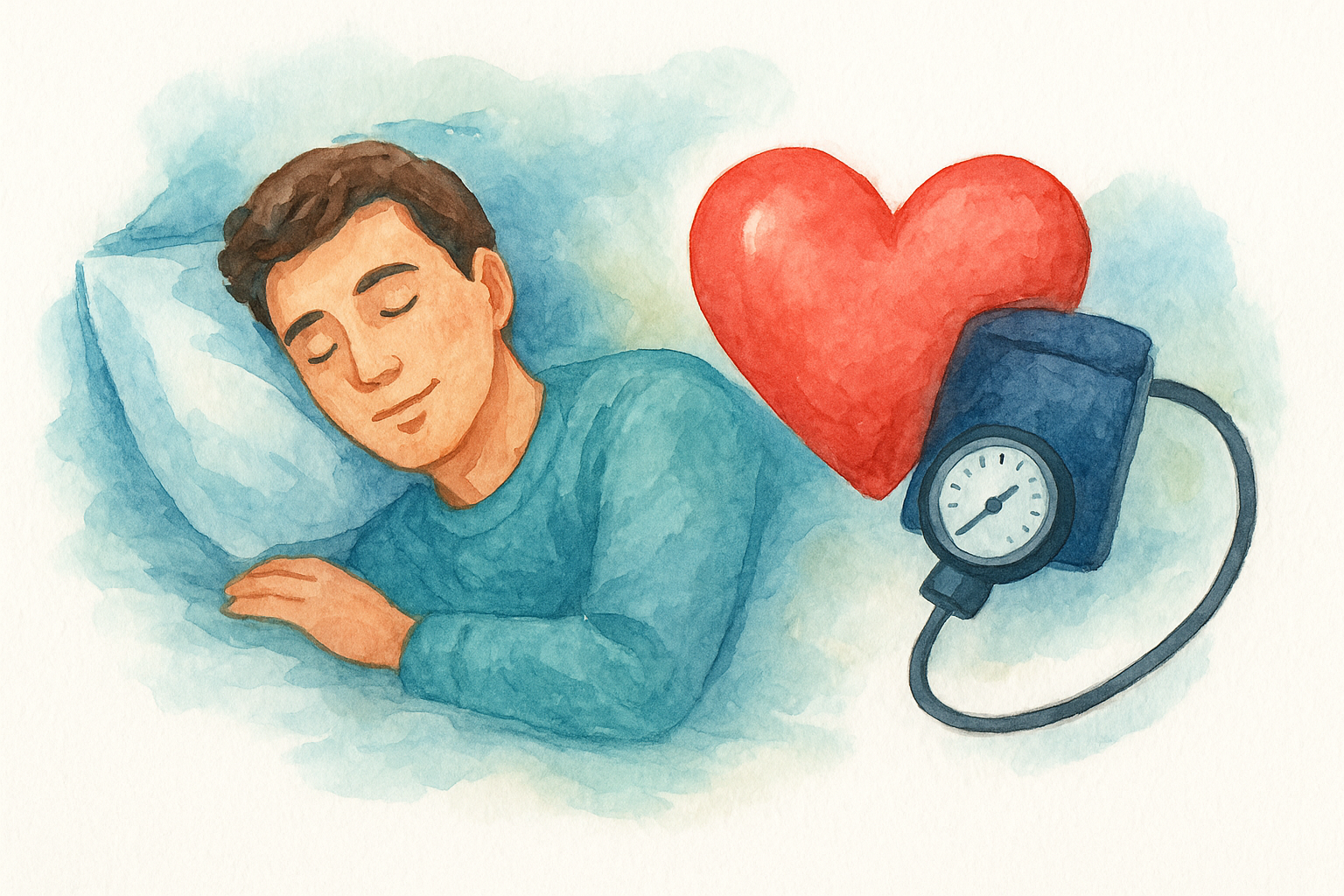
While you sleep, your heart rate and blood pressure naturally dip, giving your cardiovascular system a chance to recover from the demands of the day. This nightly dip, often called nocturnal dipping, helps reduce long-term stress on arterial walls. When sleep is cut short or repeatedly disrupted, your body spends more time in a heightened sympathetic state, which keeps blood pressure elevated and accelerates arterial stiffness over time.
Research published through the American Heart Association links sleeping fewer than six hours per night to a significantly higher risk of hypertension, coronary artery disease, and stroke.
What you may notice day to day
You may notice that your resting heart rate trends lower after a stretch of quality sleep nights. People who prioritize sleep also tend to have more stable blood pressure readings at routine checkups, with fewer spikes tied to daily stress.
How to get more of this benefit
Keeping a consistent sleep and wake schedule seven days a week is the single most effective habit for supporting cardiovascular recovery overnight. Cutting sodium later in the evening and avoiding alcohol close to bedtime also reduce the blood pressure spikes that can interrupt your natural nocturnal dip.
When to talk to a clinician
Talk to your doctor if you have a history of hypertension or heart disease and are still sleeping poorly. Those combinations increase risk enough to warrant monitoring and possibly a sleep study.
6. Improve blood sugar control and insulin sensitivity
Another underrated part of what good sleep does for you involves how your body handles blood sugar. Even a few nights of poor sleep can shift your insulin sensitivity in ways that affect your energy, hunger, and long-term metabolic health.
What happens in your body
During deep sleep, your body reduces cortisol and adrenaline, hormones that raise blood glucose when elevated. It also restores insulin sensitivity at the cellular level, meaning your cells respond more efficiently to insulin signals the following day. When sleep is cut short repeatedly, cortisol stays elevated, glucose metabolism slows, and your cells begin resisting insulin, a pattern that mirrors the early stages of type 2 diabetes.
Studies show that just one week of sleeping fewer than six hours per night can reduce insulin sensitivity by up to 25% in otherwise healthy adults.
What you may notice day to day
You'll notice more stable energy throughout the day, with fewer sharp spikes and crashes after meals. People with better-regulated blood sugar also tend to experience fewer intense sugar cravings in the mid-afternoon, since the hormonal swings driving those cravings stay in check overnight.
How to get more of this benefit
Prioritize consistent, uninterrupted sleep of seven to nine hours. Avoiding large meals within two hours of bedtime also helps keep your blood glucose stable overnight, reducing the metabolic work your body has to do while you rest.
When to talk to a clinician
If you have a family history of diabetes or already manage blood sugar issues, discuss your sleep quality with your doctor. Fragmented sleep and metabolic conditions often reinforce each other, and addressing both together produces better outcomes than treating either one alone.
7. Support appetite control and healthy weight
Sleep plays a direct role in how hungry you feel and how your body stores fat, which makes it a central part of what good sleep does for you beyond rest and recovery. The hormonal signals that regulate appetite and satiety are tightly controlled during sleep, and disrupting that process makes weight management significantly harder.
What happens in your body
When you sleep well, your body maintains a healthy balance between ghrelin (the hormone that drives hunger) and leptin (the hormone that signals fullness). Sleep deprivation raises ghrelin and lowers leptin simultaneously, pushing you toward overeating the next day even when your actual caloric needs haven't changed.
Studies show that people who sleep fewer than six hours per night consume significantly more calories the following day, with a strong preference for high-fat and high-sugar foods.
What you may notice day to day
You'll find that cravings for processed snacks drop noticeably after consistent quality sleep. Portion control also becomes easier because your brain's reward system stops overriding your fullness signals, so meals feel satisfying without the urge to keep eating past the point of hunger.
How to get more of this benefit
Aim for seven to nine hours of sleep each night on a consistent schedule. Avoiding large meals within two hours of bedtime also helps, since late eating can fragment sleep and disrupt the hormonal cycles that regulate hunger overnight.
When to talk to a clinician
If you struggle with persistent appetite dysregulation or unexplained weight gain despite solid sleep and eating habits, speak with your doctor. Conditions like insulin resistance or thyroid dysfunction can override the appetite-regulating benefits of good sleep and need direct clinical attention.
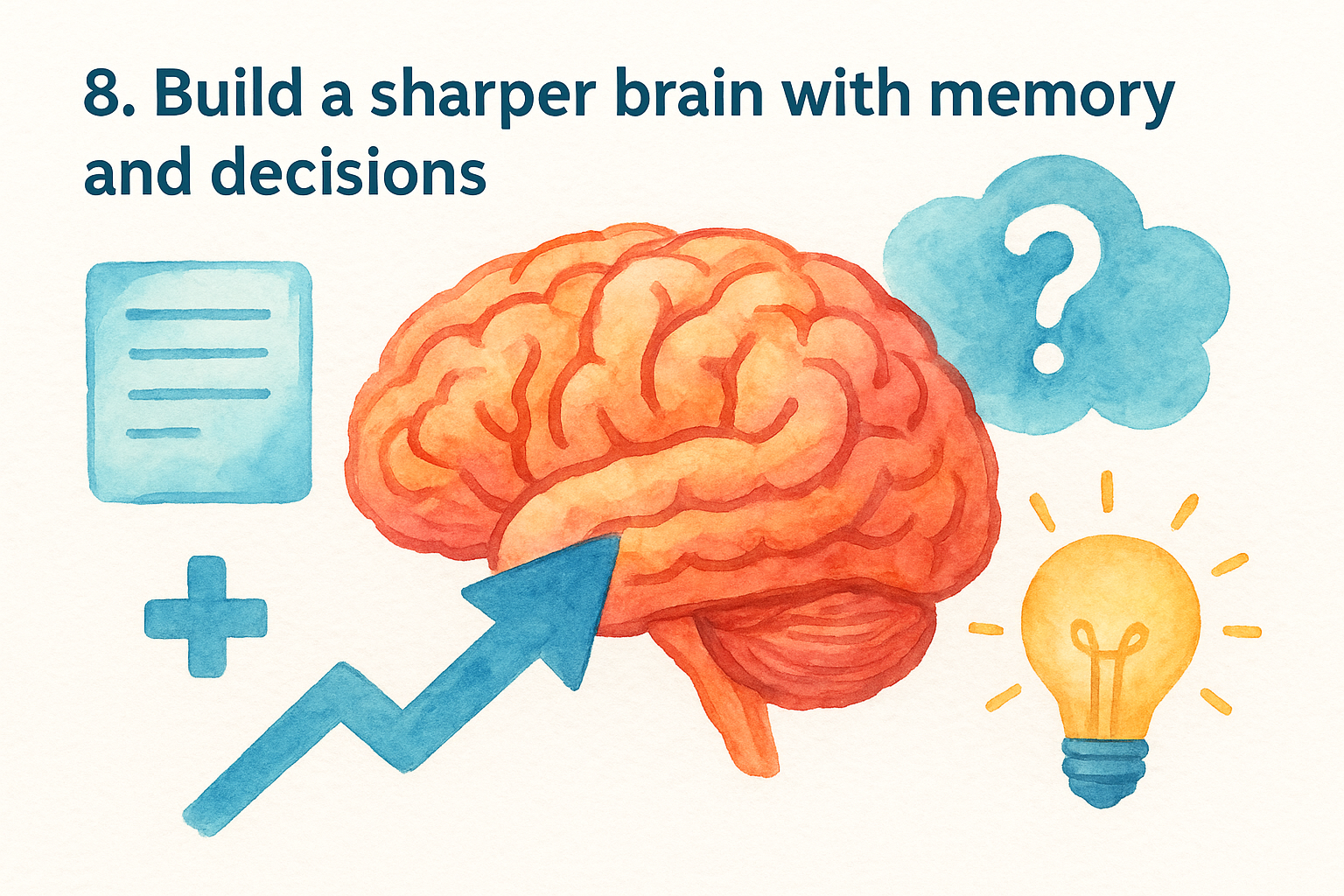
8. Build a sharper brain with memory and decisions
Cognitive performance is one of the clearest examples of what good sleep does for you. Your brain doesn't just rest during sleep; it actively consolidates memories, solves problems, and clears out waste that accumulates from a full day of thinking.
What happens in your body
During deep sleep, your brain transfers information from short-term to long-term storage through a process called memory consolidation. Your glymphatic system also flushes out toxic proteins, including beta-amyloid, which accumulates with chronic sleep loss and is associated with cognitive decline. REM sleep, in particular, strengthens neural connections tied to creative thinking and complex decision-making.
Studies show that people who sleep fewer than seven hours per night score significantly lower on tests of memory recall, problem-solving, and cognitive flexibility compared to well-rested peers.
What you may notice day to day
After consistent quality sleep, you'll find that recalling names, facts, and recent conversations feels noticeably easier. Decision-making also becomes faster and more accurate, and you'll notice you're less likely to second-guess yourself on tasks that normally feel mentally taxing.
How to get more of this benefit
Protect your full sleep cycle, especially the later REM-heavy hours of the night, since cutting sleep short by even 60 to 90 minutes eliminates a disproportionate share of the REM sleep your brain needs for cognitive repair.
When to talk to a clinician
If you notice persistent memory lapses or brain fog despite sleeping seven to nine hours consistently, speak with your doctor to rule out conditions like sleep apnea or early cognitive changes that need direct evaluation.
9. Reduce accidents with faster reaction time
Reaction time is one of the most direct examples of what good sleep does for you in everyday safety. Sleep deprivation slows neural processing speed, creating measurable delays between what you perceive and how quickly your body responds, and those delays matter in situations where fractions of a second count.
What happens in your body
During deep sleep, your brain restores the neural pathways responsible for rapid motor responses and sensory processing. Sleep deprivation reduces activity in the prefrontal cortex, the region governing split-second judgment, while leaving your sense of how impaired you actually are completely intact.
Research shows that being awake for 18 consecutive hours impairs reaction time to a degree comparable to a blood alcohol level of 0.05%.
This disconnect is what makes drowsy driving particularly dangerous: you feel alert enough to continue, but your responses are far too slow to prevent a collision when something unexpected happens.
What you may notice day to day
After consistent quality sleep, you'll find faster reflexes during driving, catching objects before they hit the floor, and responding quickly in fast-moving environments. Tasks that demand split-second coordination feel less mentally taxing because your brain processes competing inputs more efficiently.
How to get more of this benefit
Prioritize seven to nine hours of uninterrupted sleep on a consistent nightly schedule. If you notice persistent drowsiness before driving or operating machinery, treat that signal seriously and rest before proceeding.
When to talk to a clinician
If you feel consistently slow or impaired despite logging adequate hours, speak with your doctor. Conditions like sleep apnea can silently fragment sleep and degrade reaction time without any obvious sign of why.
Your next step for better sleep
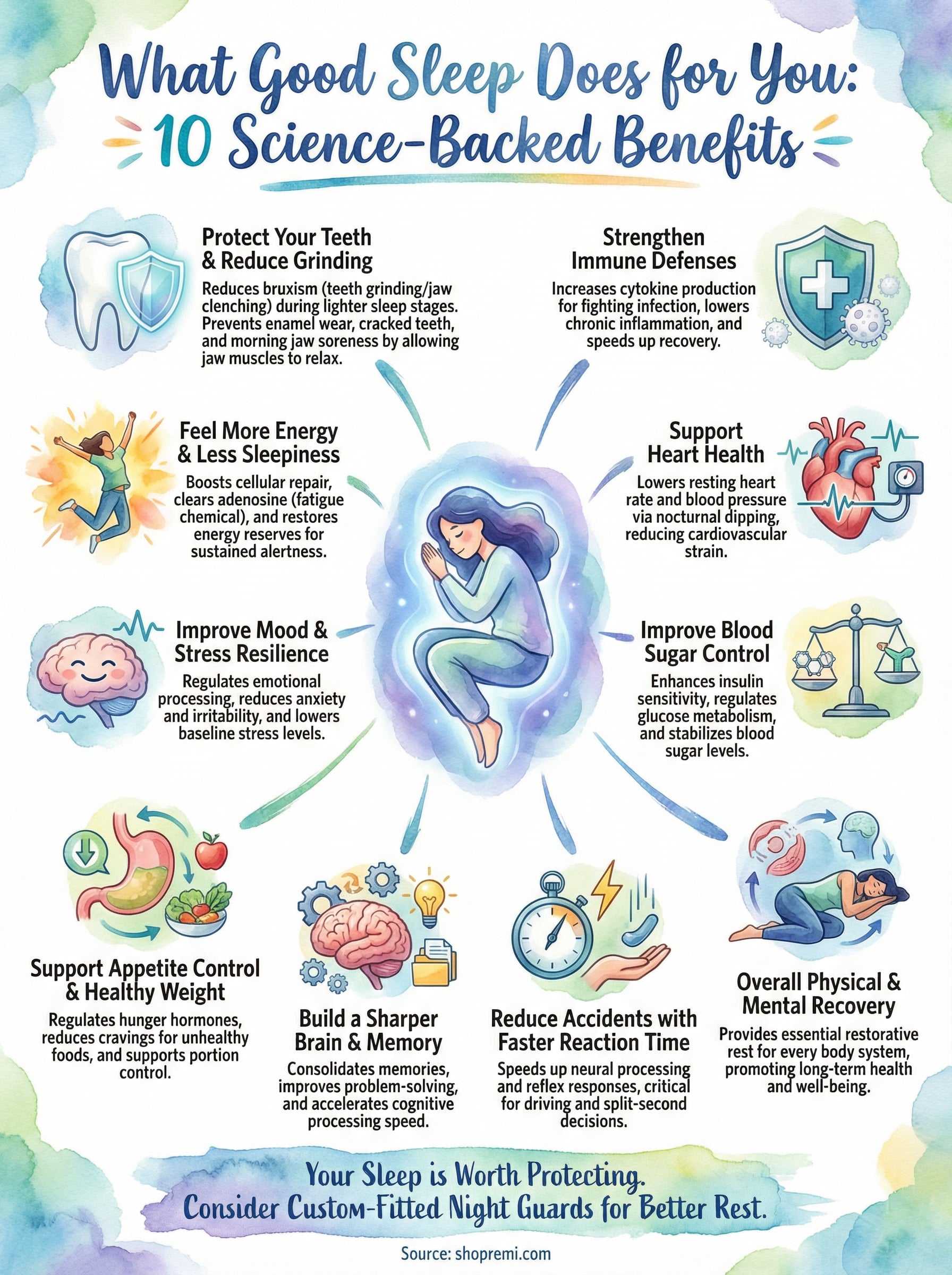
Now you know what good sleep does for you across every major system in your body, from your immune defenses and heart health to your memory, mood, and reaction time. The research is clear: consistent, quality rest is one of the highest-return investments you can make in your health, and most of the habits that support it cost nothing to start.
One factor that quietly undermines sleep for millions of adults is teeth grinding and jaw clenching, which fragment your rest without you ever knowing it. Protecting your teeth with a properly fitted night guard removes that barrier and lets your body actually recover the way it's supposed to. Remi's custom-fitted night guard is made from dental-grade material, designed with professional input, and delivered directly to your door at a fraction of what a dental office charges. Your sleep is worth protecting.

