
 Guards + Retainers
 Custom Night Guard
 Retainer
 Emergency Order

 Whitening
 Whitening Kit
 Teeth Whitening Gel
 Dual-Action Foam
 Cleaning + Care
 Ultrasonic Cleaner Pro
 Water Flosser
 UV Toothbrush Sanitizer
 Deep Clean + Freshening Tablets
 Accessories
 Guard Removal Tool
 Replacement Nozzles
 Bundles

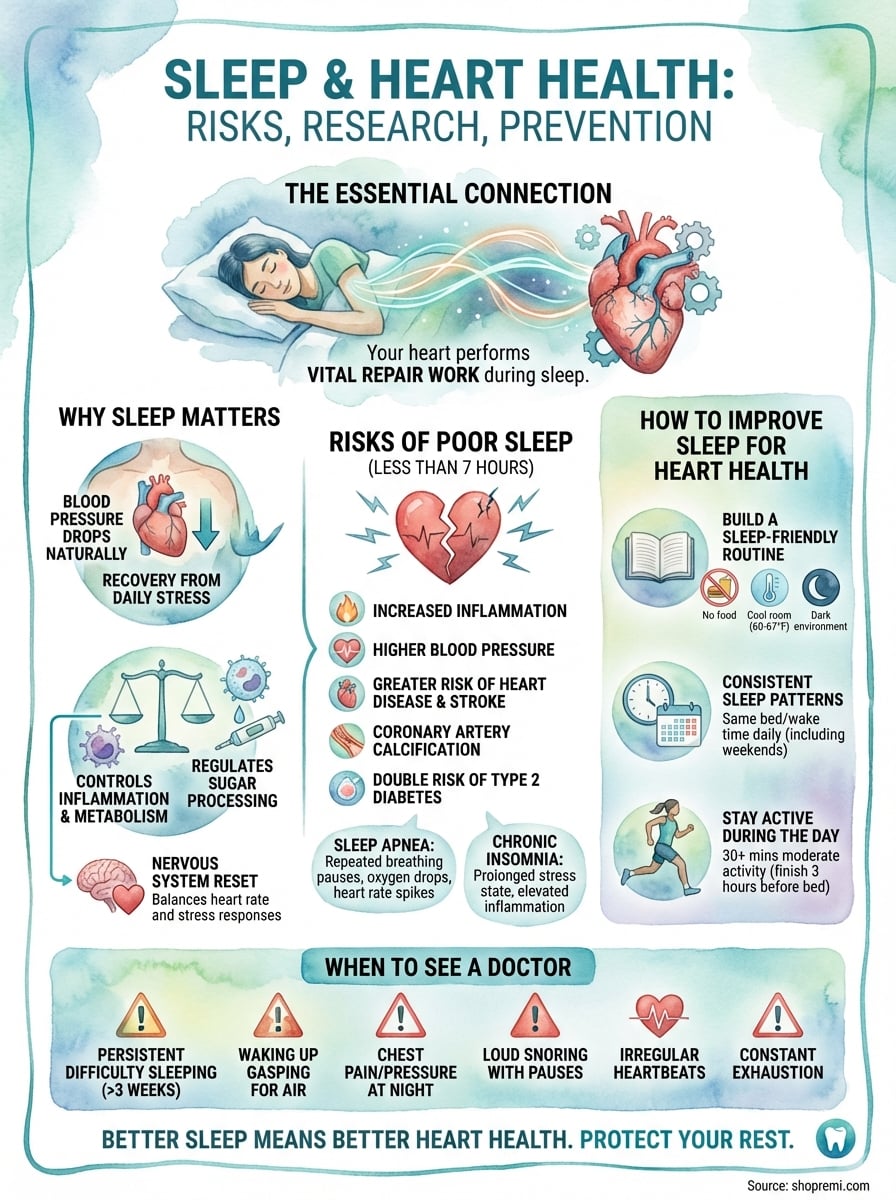
Sleep and heart health are more connected than most people realize. When you consistently sleep less than seven hours a night, your body faces increased inflammation, higher blood pressure, and greater risk of heart disease and stroke. Your heart needs quality rest to repair itself and maintain healthy function. Poor sleep disrupts these essential processes and forces your cardiovascular system to work harder.
This article explores the proven links between sleep and cardiovascular health. You'll learn why sleep duration matters, what happens to your heart when you don't get enough rest, and how sleep disorders like sleep apnea increase heart disease risk. We'll cover the latest research findings and give you practical strategies to improve your sleep quality. You'll also discover when it's time to talk to a doctor about your sleep patterns and heart health concerns.
Why sleep matters for heart health
Your heart performs essential repair work during sleep that it cannot complete while you're awake. During deep sleep stages, your blood pressure drops naturally, giving your cardiovascular system time to recover from daily stress. This nightly recovery period allows your heart and blood vessels to maintain their flexibility and strength. Without adequate sleep, your body stays in a state of elevated stress, keeping your blood pressure higher for extended periods.
Sleep controls inflammation and metabolism
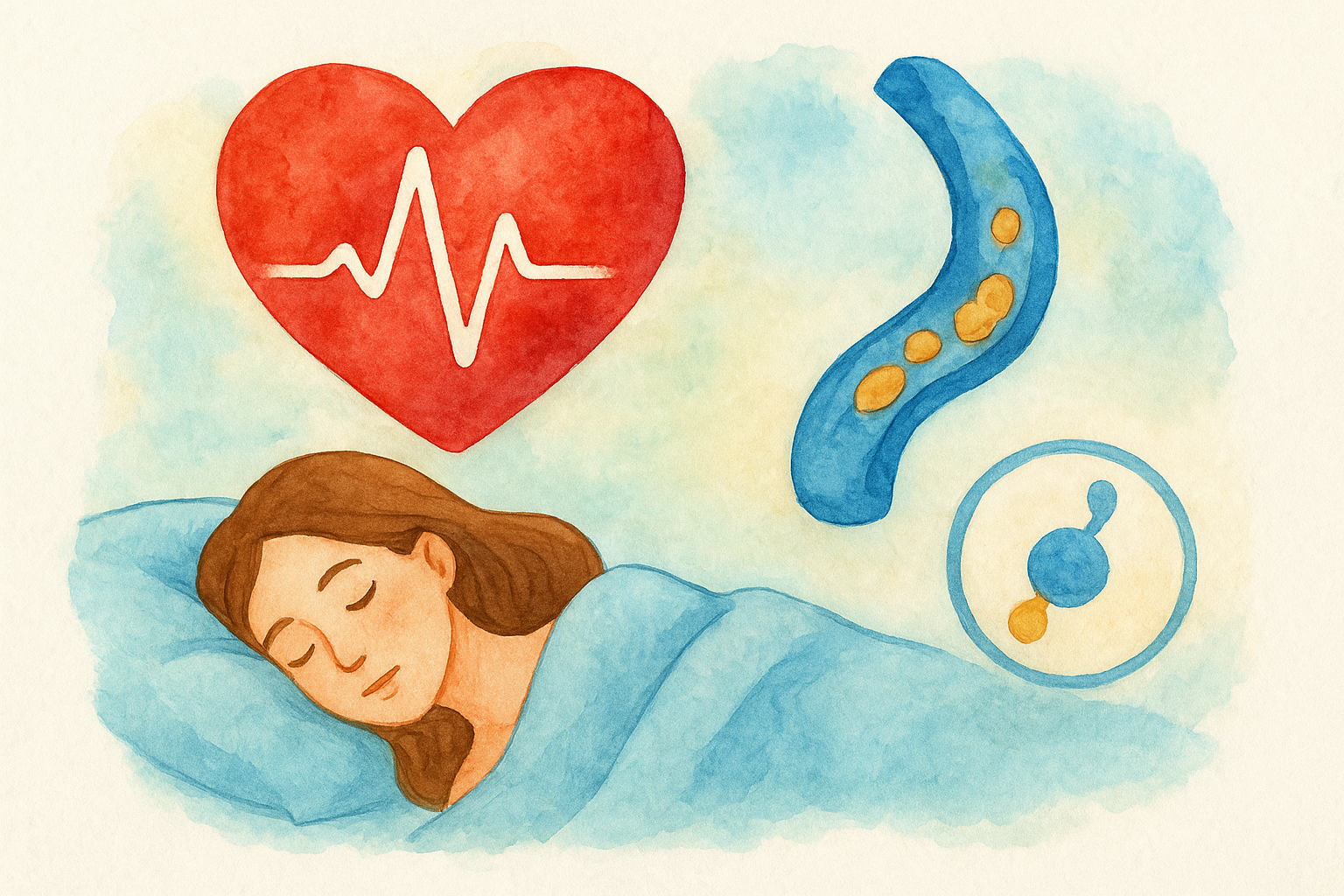
Quality sleep keeps inflammation levels low throughout your body. When you skimp on rest, your immune system produces more inflammatory markers that damage blood vessel walls and increase plaque buildup. Sleep also regulates how your body processes sugar and insulin, directly affecting your diabetes risk. People who consistently sleep less than six hours face twice the risk of developing type 2 diabetes compared to those who get seven to nine hours.
Research shows that adults sleeping fewer than seven hours nightly have significantly higher rates of coronary artery disease, heart attack, and stroke.
Your nervous system needs sleep to reset
Sleep helps your autonomic nervous system balance itself each night. This system controls your heart rate, blood pressure, and stress responses without conscious effort. Poor sleep keeps your nervous system in overdrive mode, maintaining elevated heart rates and blood pressure that strain your cardiovascular system over time.
How to improve sleep for heart health
Improving sleep and heart health starts with creating consistent sleep patterns that your body can rely on. Your cardiovascular system thrives on predictability, so going to bed and waking up at the same time every day (including weekends) helps regulate blood pressure and heart rate naturally. This consistency strengthens your body's internal clock and makes falling asleep easier over time.
Build a sleep-friendly routine
Your evening habits directly impact sleep quality and cardiovascular recovery. Stop eating heavy meals at least three hours before bed to prevent heartburn and indigestion that disrupt rest. Avoid caffeine after 2 PM and limit alcohol in the evening, as both interfere with deep sleep stages when your heart does its most important repair work. Create a wind-down period of 30 to 60 minutes before bed where you dim lights, lower screen time, and engage in relaxing activities like reading or gentle stretching.
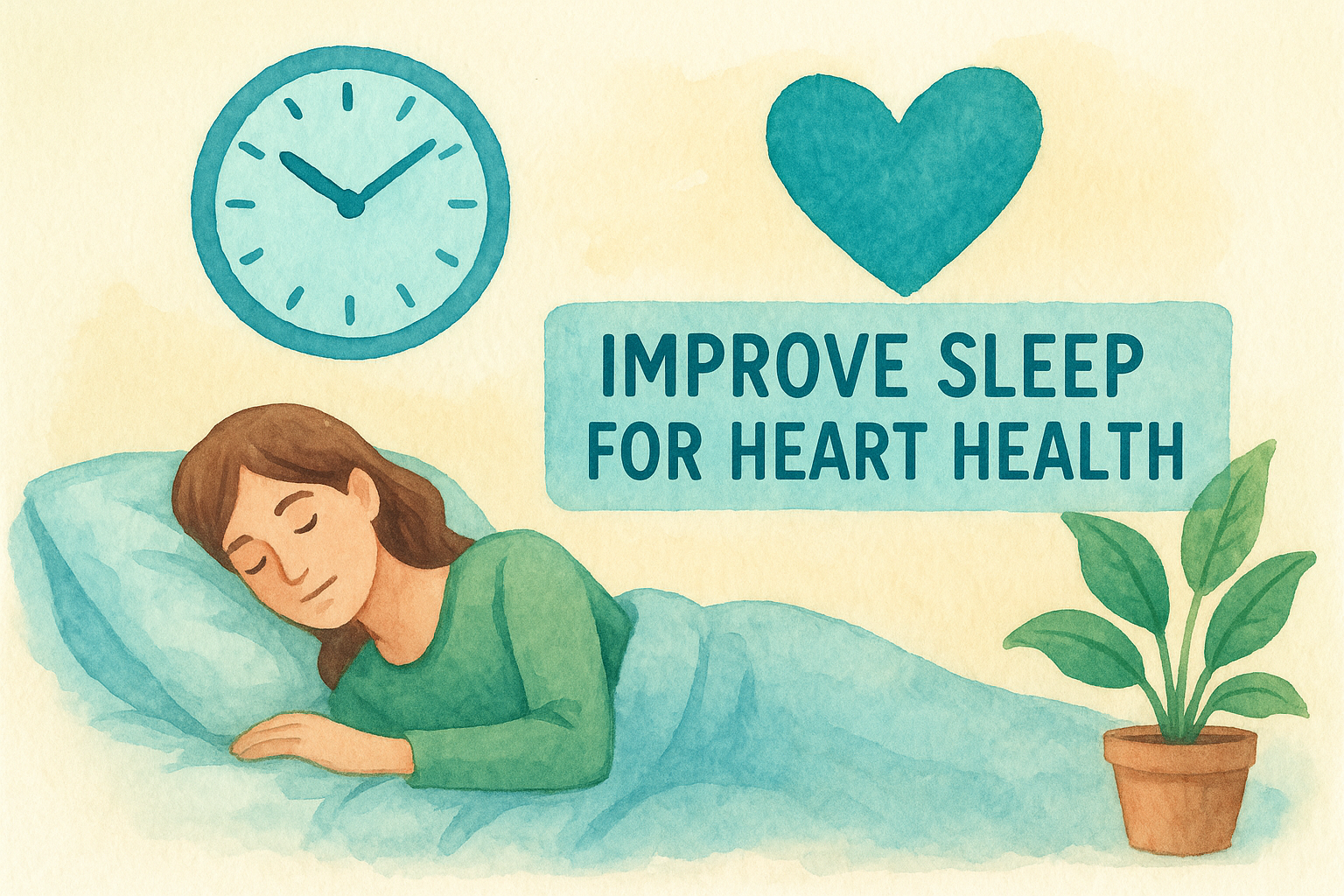
Making your bedroom cool (between 60 and 67 degrees Fahrenheit), dark, and quiet creates optimal conditions for the deep sleep your heart needs.
Stay active during the day
Regular physical activity improves both sleep quality and heart health simultaneously. Exercise helps you fall asleep faster and spend more time in deep sleep stages. Aim for at least 30 minutes of moderate activity most days, but finish workouts at least three hours before bedtime. Morning or afternoon exercise works best because late evening workouts can elevate your heart rate and body temperature when they should be dropping for sleep. Walking, swimming, or cycling all provide cardiovascular benefits that compound the positive effects of quality rest on your heart.
What research shows about sleep and the heart
Large-scale studies consistently link insufficient sleep to increased cardiovascular disease risk across diverse populations. Research from the Centers for Disease Control and Prevention reveals that adults sleeping fewer than seven hours nightly report significantly higher rates of heart attacks compared to those who meet sleep recommendations. These findings hold true even after accounting for other heart disease risk factors like diet and exercise habits.
Sleep duration impacts specific cardiovascular markers
Scientists measuring coronary artery calcification (hardening and narrowing of heart arteries) found that people averaging five hours or less of sleep show two to three times more arterial plaque buildup than adequate sleepers. Your blood pressure patterns during sleep also predict future heart problems. Studies tracking thousands of participants over multiple years demonstrate that people whose blood pressure fails to drop during sleep face elevated stroke and heart attack risk.
Research connecting sleep and heart health shows that even modest sleep improvements can reduce cardiovascular disease markers within weeks.
Recent investigations reveal that irregular sleep schedules harm your heart independently of total sleep duration. People with inconsistent bedtimes and wake times, even when sleeping enough hours overall, experience higher rates of atherosclerosis and metabolic dysfunction. These studies emphasize that both quantity and consistency of sleep matter for protecting your cardiovascular system long-term.
Sleep disorders that affect your heart
Specific sleep conditions create distinct cardiovascular threats beyond general sleep deprivation. These medical conditions disrupt your body's natural repair cycles and keep your heart under constant stress. Understanding which sleep disorders pose the greatest risk helps you recognize warning signs and seek appropriate treatment before serious heart damage occurs.
Sleep apnea increases cardiovascular risk
Sleep apnea causes your breathing to stop repeatedly throughout the night, sometimes hundreds of times. Each breathing pause drops your blood oxygen levels and triggers a stress response that spikes your heart rate and blood pressure. Your cardiovascular system never gets the rest it needs because these interruptions prevent deep, restorative sleep stages. People with untreated sleep apnea face significantly higher rates of high blood pressure, irregular heart rhythms, heart failure, and stroke.
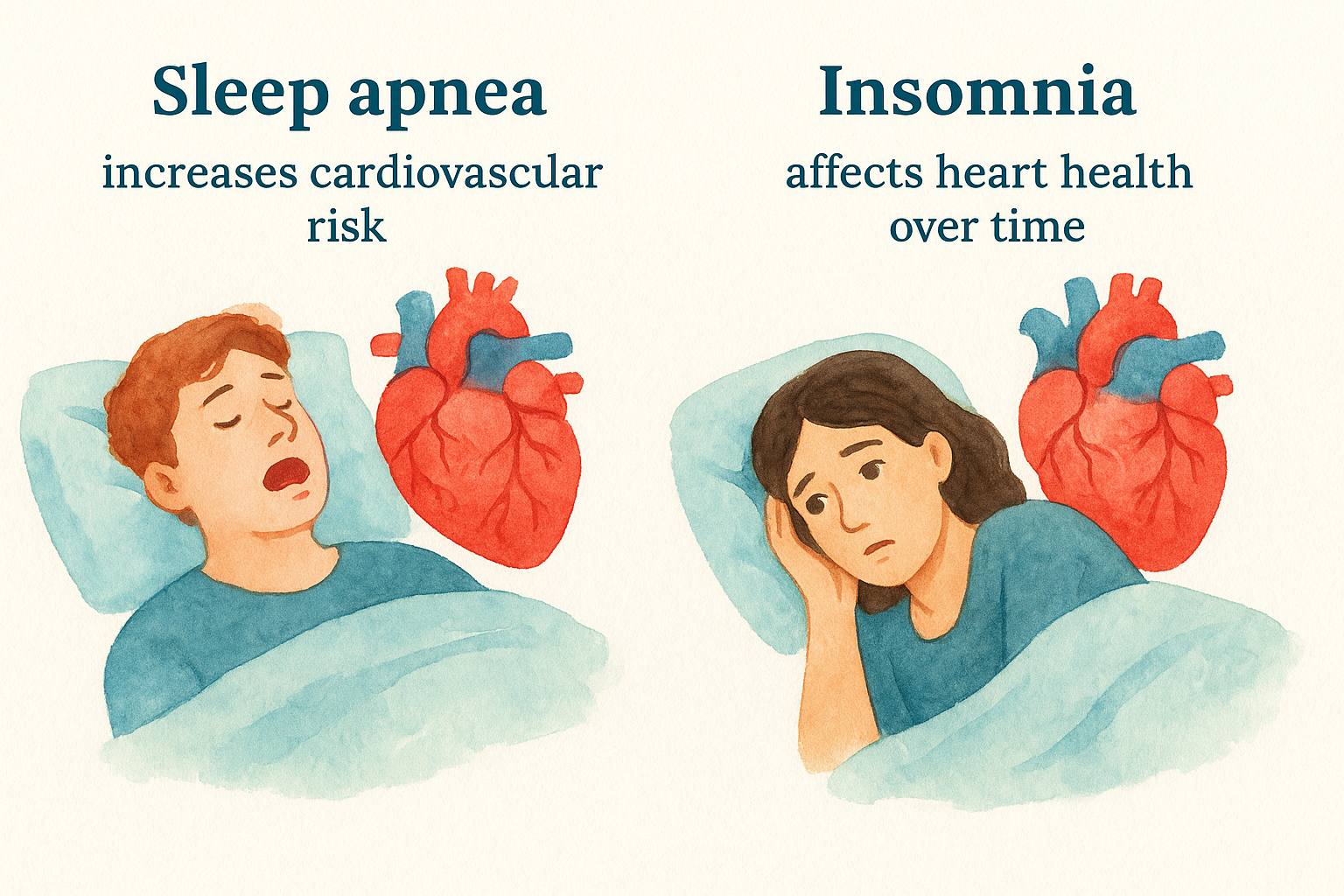
Research shows that sleep apnea affects how much oxygen your body receives during rest and directly increases risk for heart attack and cardiovascular death.
Insomnia affects heart health over time
Chronic insomnia keeps your body in a prolonged stress state that elevates inflammation markers and maintains high blood pressure throughout the day and night. People struggling to fall asleep or stay asleep regularly show increased rates of coronary artery disease compared to good sleepers. The connection between sleep and heart health becomes especially clear with insomnia because the constant sleep disruption prevents your cardiovascular system from completing its essential nighttime recovery processes.
When to see a doctor about sleep and heart health
You need medical evaluation if you experience persistent difficulty sleeping lasting more than three weeks or notice cardiovascular symptoms during the night. Schedule an appointment if you wake up gasping for air, experience chest pain or pressure, or develop irregular heartbeats that disturb your rest. Loud snoring combined with witnessed breathing pauses signals potential sleep apnea requiring immediate attention from a healthcare professional.
Warning signs requiring immediate care
Contact your doctor if you consistently feel exhausted despite sleeping adequate hours, as this suggests underlying sleep disorders affecting your cardiovascular health. People with existing heart conditions need professional guidance when sleep problems emerge because poor rest accelerates disease progression. Your physician can order sleep studies, provide accurate diagnoses, and recommend specific treatments that protect your sleep and heart health simultaneously.
Addressing sleep and heart health concerns early prevents serious cardiovascular complications from developing or worsening over time.
Key takeaways
Protecting your sleep and heart health requires consistent effort across multiple areas of your daily life. Getting seven to nine hours of quality sleep each night reduces your risk of high blood pressure, heart attack, stroke, and other cardiovascular problems. Creating regular sleep schedules, maintaining a sleep-friendly bedroom environment, and staying physically active during the day all contribute to better rest and healthier heart function.
Sleep disorders like sleep apnea and chronic insomnia demand professional medical attention because they actively damage your cardiovascular system over time. You should contact your doctor if you experience persistent sleep problems, nighttime breathing issues, or cardiovascular symptoms that disrupt your rest.
If teeth grinding or clenching disrupts your sleep quality, consider Remi's custom night guard to protect your teeth and improve your nightly rest. Better sleep means better heart health.

