
 Guards + Retainers
 Custom Night Guard
 Retainer
 Emergency Order

 Whitening
 Whitening Kit
 Teeth Whitening Gel
 Dual-Action Foam
 Cleaning + Care
 Ultrasonic Cleaner Pro
 Water Flosser
 UV Toothbrush Sanitizer
 Deep Clean + Freshening Tablets
 Accessories
 Guard Removal Tool
 Replacement Nozzles
 Bundles

You don't have to choose between your morning coffee and a bright smile. But let's be honest, teeth whitening for coffee drinkers takes a little more intention than it does for people who stick to water all day. Coffee contains tannins and chromogens, compounds that cling to enamel and build up yellowish-brown stains over time. The more cups you drink, the faster it happens.
The good news? Stained teeth aren't permanent, and giving up coffee isn't the only fix. There are proven ways to lift existing discoloration and prevent new stains from settling in, no dramatic lifestyle changes required. At Remi, we developed our Night Guard Cleaning + Teeth Whitening Foam specifically for people who wear night guards or retainers and want to whiten their teeth at the same time, making it easy to fold whitening into a routine you're already doing.
Below, you'll find five dentist-backed tips that actually work for coffee lovers, from small daily habit shifts to products that target stubborn staining. Whether your teeth have years of coffee buildup or you're just starting to notice some discoloration, these strategies will help you keep drinking what you love without sacrificing your smile.
1. Use a whitening foam you can fit into your routine
Whitening foam is one of the most practical options for teeth whitening for coffee drinkers because it plugs into habits you already have. Instead of adding a separate step to your evening, you use it as part of your existing dental routine without extra effort.
Why whitening foam works on coffee stains
Foam formulas typically contain hydrogen peroxide or carbamide peroxide, which penetrate the enamel surface and break down the chromogen compounds coffee deposits over time. This chemical action targets shallow subsurface stains rather than just polishing them away, which is why foam outperforms standard toothpaste on stubborn coffee discoloration.
How to use whitening foam safely and consistently
Apply a small amount to your toothbrush or dental appliance before brushing, or use it as a short rinse after your regular brush. Consistency beats frequency here, so daily use at the same time each day produces better cumulative results than sporadic heavy use.
Applying whitening foam right before bed maximizes contact time with your teeth while you sleep, which helps accelerate gradual brightening.
Who should choose whitening foam and who should skip it
Foam is an especially good fit if you already wear a night guard or retainer, since you can apply it directly to the appliance. People with significant deep staining or dental restorations like crowns should start with a professional cleaning first, since foam cannot alter the color of ceramic or composite materials.
What results to expect and common side effects
Expect gradual brightening over two to four weeks with daily use. Mild tooth sensitivity is the most common side effect with peroxide-based formulas; cutting back to every other day usually resolves it.
Budget and product options, including Remi whitening foam
Most whitening foams cost $15 to $30 per bottle. Remi's Night Guard Cleaning + Teeth Whitening Foam combines appliance cleaning with whitening in one step, making it a practical choice if you already rely on a night guard each night.
2. Start with a dental cleaning, then consider pro whitening
Professional treatment gives teeth whitening for coffee drinkers a real head start. Before any whitening method can work properly, your teeth need a clean surface to absorb it.
Why cleanings matter before you whiten
Tartar and surface buildup block whitening agents from reaching enamel evenly. A professional cleaning removes this layer first, so any treatment you apply afterward works more effectively and delivers more even results.
How in-office whitening compares to dentist-supervised at-home trays
In-office bleaching uses high-concentration peroxide activated by light or heat, delivering faster results in a single visit. Dentist-supervised take-home trays use lower concentrations over one to two weeks and typically cost less while still outperforming store-bought kits.
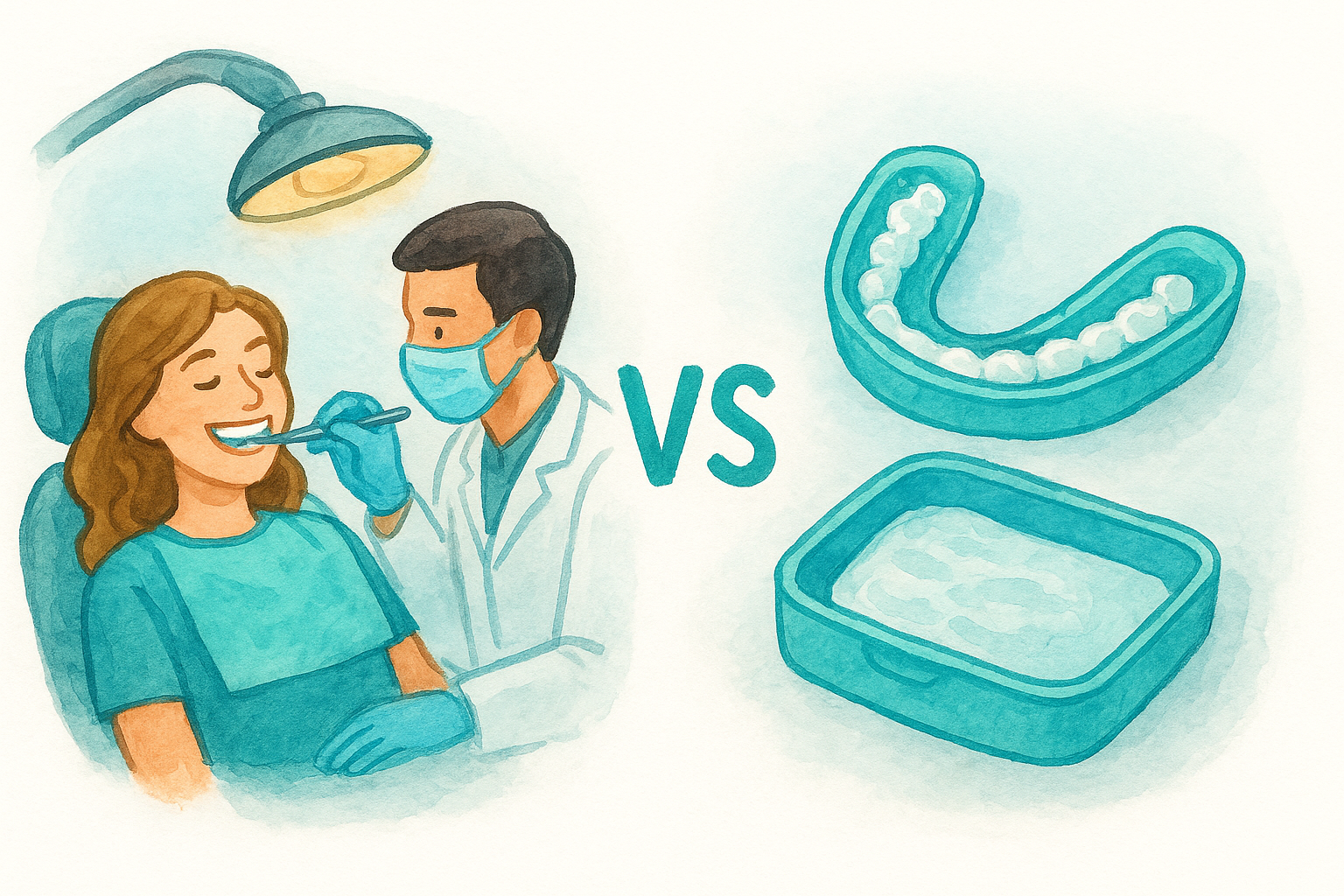
Professional-grade treatment reaches deeper stain layers that surface products cannot touch.
How long to avoid coffee after whitening and why 24 to 48 hours matters
Your enamel stays temporarily porous after whitening, making it more vulnerable to restaining. Skipping coffee for 24 to 48 hours protects your results while enamel rehydrates and hardens back down.
How to reduce sensitivity and keep results longer
Use a sensitivity toothpaste for one to two weeks post-treatment. Touch-up strips or foam every few months maintain brightness between professional sessions without overstressing enamel.
Typical cost range and how to decide if it's worth it
In-office whitening runs $300 to $1,000, while dentist-supervised trays cost $100 to $400. If your coffee stains are deep or long-standing, professional treatment delivers results that justify the investment.
3. Brush smarter with a stain-focused daily routine
Your daily brushing habits directly affect how fast coffee stains accumulate and how well any whitening product performs on top of them.
Why coffee stains stick and what brushing can and can't remove
Coffee tannins bond to the protein film on your enamel surface. Brushing clears fresh surface deposits effectively but cannot reach stains already embedded below the enamel layer.
Your toothbrush handles prevention well, but removing set-in discoloration requires a product with an active whitening ingredient alongside your regular routine.
How to pick a whitening toothpaste without overdoing abrasives
Choose a formula with a Relative Dentin Abrasivity (RDA) score under 150 to protect enamel long-term. Ingredients like hydrogen peroxide or baking soda whiten through chemistry rather than friction alone.
Switching to a whitening toothpaste is one of the simplest daily adjustments for teeth whitening for coffee drinkers.
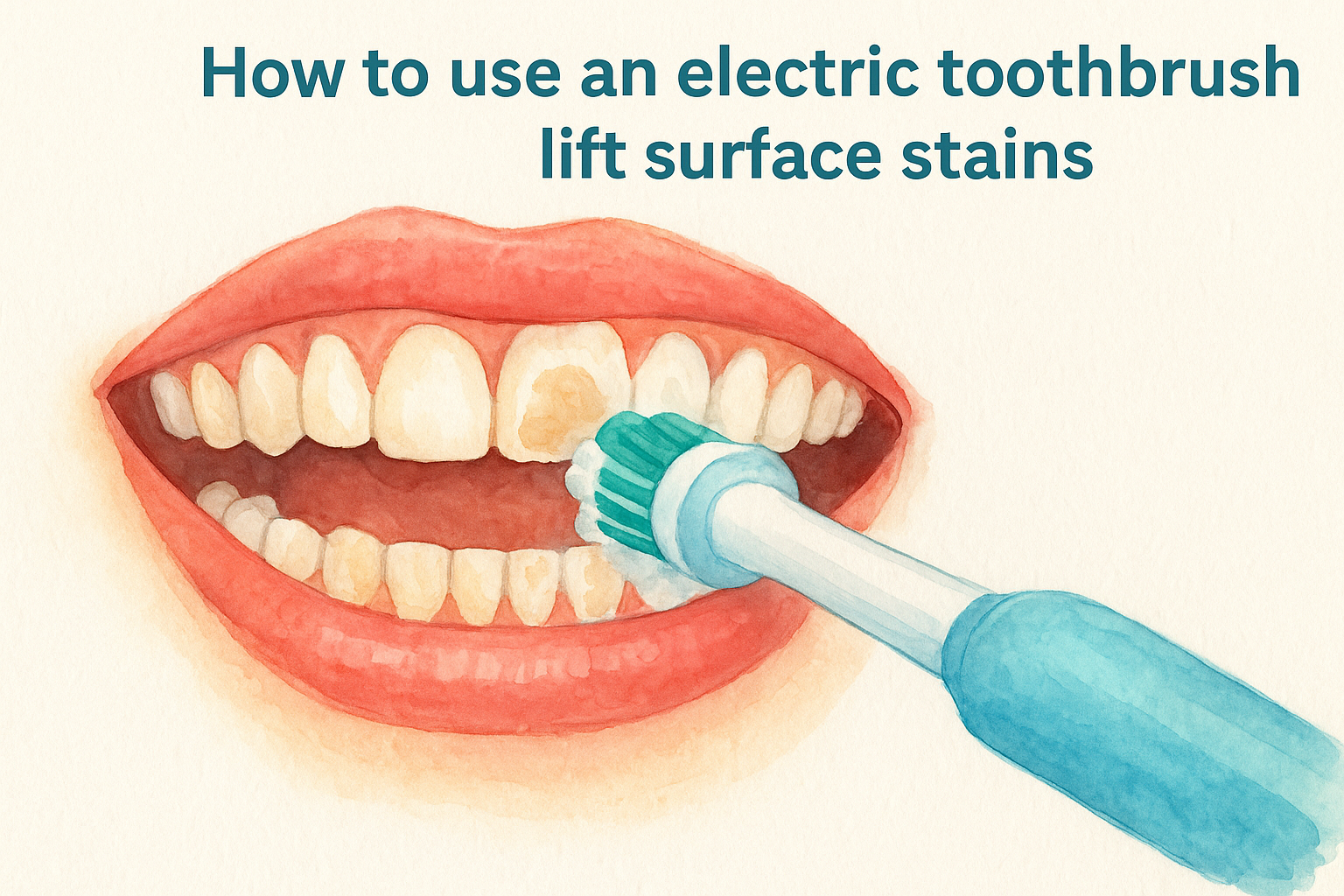
How to use an electric toothbrush to lift surface stains
Electric toothbrushes outperform manual brushing at removing surface coffee deposits, especially along the gumline where staining concentrates most. A rotating-oscillating head delivers consistent pressure that manual brushing rarely replicates.
When to brush after coffee and why waiting helps enamel
Wait at least 30 minutes after your last sip before brushing. Brushing immediately after coffee can abrade temporarily softened enamel and accelerate long-term discoloration.
Typical cost range for toothpaste, brushes, and add-ons
- Whitening toothpaste: $5 to $15 per tube
- Electric toothbrush: $30 to $100
- Whitening add-ons (foam, rinse): $10 to $30
4. Use whitening strips or trays the right way
Whitening strips and trays give teeth whitening for coffee drinkers a solid middle ground between foam and professional treatment. Both deliver peroxide directly against enamel for longer contact time than brushing alone provides.
How strips and trays lighten coffee discoloration
Both formats use peroxide gel that sits against your enamel and breaks down the chromogen bonds coffee creates. Trays form a tighter seal than strips, which helps the gel penetrate more evenly across each tooth surface.
How to use them without irritating gums or triggering sensitivity
Trim strips to cover only your tooth surface, not your gumline. Apply trays for the manufacturer's recommended time only and never sleep in them unless the label explicitly allows it.
Shorter contact time with correct placement reduces irritation without sacrificing whitening results.
How to match product strength to your stain level and schedule
Light stains respond well to 6% hydrogen peroxide strips used over one to two weeks. Heavier coffee discoloration benefits from higher-concentration trays applied in shorter daily sessions.
What to do if you feel sensitivity or see uneven whitening
Skip a day and switch to a sensitivity toothpaste until the discomfort fades. Patchy results usually point to poor strip adhesion, so re-apply with firmer, consistent pressure across each tooth.
Typical cost range and when custom trays make more sense
- OTC strips: $25 to $60
- Custom dentist trays: $100 to $400
Custom trays match your exact tooth shape, which reduces gel leakage onto gums and delivers more consistent coverage than generic strip sizes can offer.
5. Keep drinking coffee, but change the habits that stain
Small behavioral shifts make a real difference for teeth whitening for coffee drinkers. You don't need to cut back on cups, just adjust how and when you drink them.
Sip less, stain less with timing and temperature tweaks
Drinking coffee faster and in fewer sittings reduces total contact time between tannins and your enamel each day. Slightly cooler coffee also causes less temporary enamel softening than piping hot, so letting it cool a little before sipping adds a small but real layer of protection.
Rinse with water and use a straw when it actually helps
Rinsing with plain water immediately after coffee dilutes tannins before they bond to enamel. A straw directs liquid past your front teeth, cutting staining on the surfaces people see most.
This one habit alone can meaningfully slow how fast coffee discoloration builds up over time.
Add-ins and pairings that can reduce staining and acidity
Adding milk or an unsweetened dairy alternative to your coffee reduces its acidity and partially binds tannins before they reach your enamel surface.
Use flossing and interdental cleaning to prevent "shadow stains"
Coffee residue collects between teeth, creating dark gaps that surface whitening products rarely reach. Daily flossing and interdental cleaning clear this buildup before it hardens into visible staining.
Maintenance schedule for touch-ups and stain prevention
Run a whitening touch-up every four to six weeks using foam or strips to stay ahead of fresh coffee staining between professional cleanings.
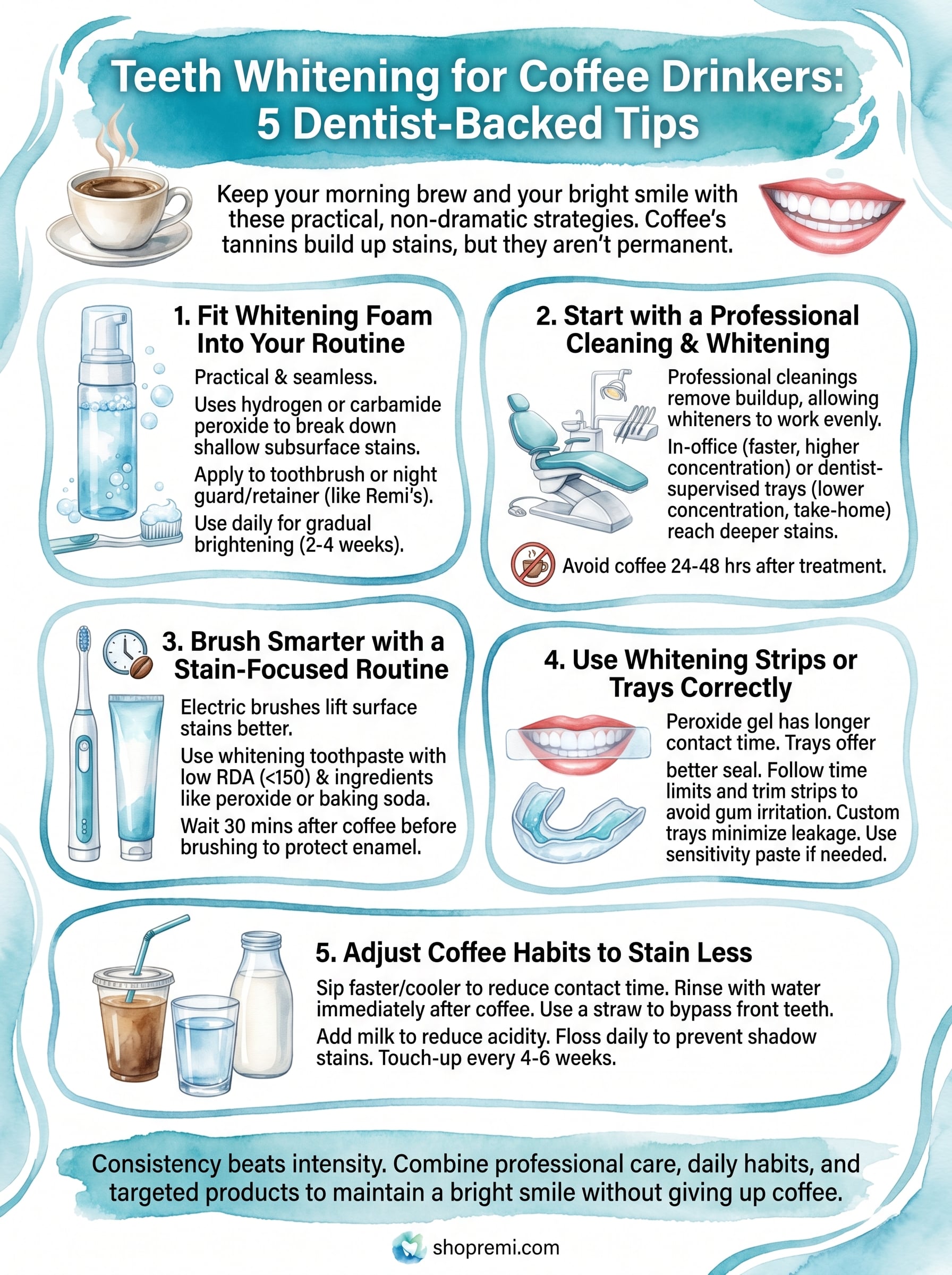
Keep your smile bright without quitting coffee
Teeth whitening for coffee drinkers is a realistic goal, not a compromise. The five strategies above work together: professional cleanings create a clean foundation, daily foam and brushing habits prevent fresh stains from setting in, and strips or trays handle discoloration that accumulates over time. Small behavioral shifts, like rinsing with water and sipping through a straw, slow down new staining without requiring you to change what you drink.
Consistency matters more than any single product. Pairing a good whitening routine with clean dental appliances keeps your whole oral care system working properly. If you already wear a night guard or retainer, Remi's Night Guard Cleaning + Teeth Whitening Foam lets you whiten and clean in one step. Start with one or two of these tips, build from there, and your coffee habit does not have to cost you your smile.

