


Choosing a teeth whitening product sounds simple until you're staring at dozens of options on a shelf or scrolling through endless online listings. Strips, LED kits, whitening pens, gels, toothpastes, each one promises a brighter smile, but they all work differently and deliver different results. A proper teeth whitening product comparison matters because the wrong pick can waste your money, irritate your gums, or simply do nothing. With new formulations and devices hitting the market in 2026, sorting the real performers from the overhyped ones takes a closer look at what's actually inside the box.
The truth is, not every whitening method suits every mouth. Someone with sensitive teeth needs a completely different approach than someone chasing maximum whiteness for an event next week. Factors like active ingredients, concentration levels, contact time, ease of use, and cost per treatment all play a role in whether a product actually works for you. And if you already wear a night guard or retainer, something we know well at Remi, where we make custom-fitted dental protection and oral care products, compatibility with your existing routine is another consideration most comparisons skip entirely.
That's exactly why we put this guide together. Below, you'll find a head-to-head breakdown of the most popular whitening strips, LED kits, gels, and toothpastes available right now, scored on effectiveness, comfort, price, and practicality. We also cover how whitening fits alongside products like Remi's dual-purpose cleaning and whitening foam, which was designed specifically for people who already use dental appliances daily. Whether you're whitening for the first time or switching from a product that didn't deliver, this comparison gives you the specifics you need to make a confident choice.
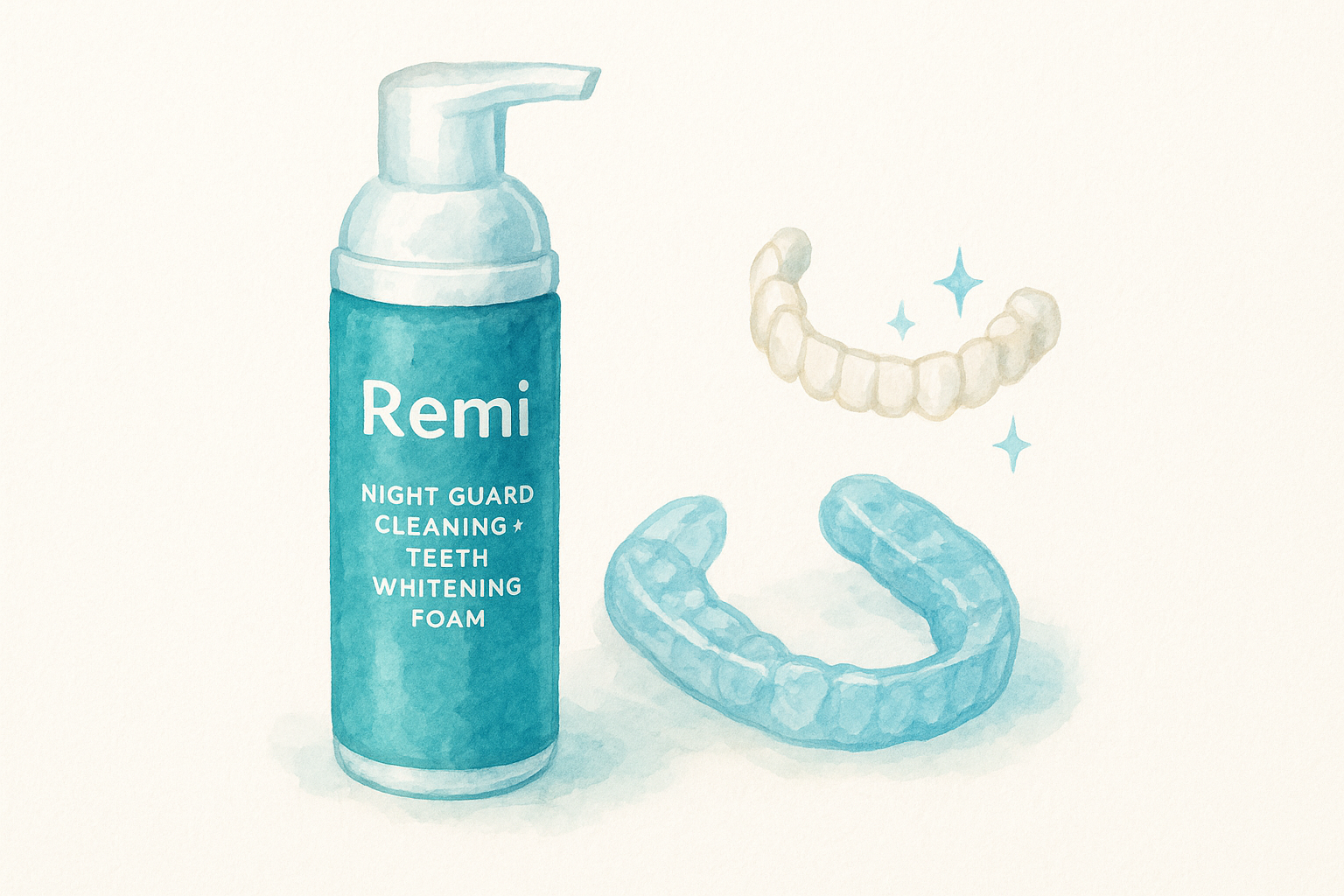
1. Remi Night Guard Cleaning + Teeth Whitening Foam
Remi's Night Guard Cleaning + Teeth Whitening Foam stands apart in this teeth whitening product comparison because it solves two problems at once. Most whitening products are designed purely for natural teeth, but this foam handles both dental appliance cleaning and surface whitening in a single step, which makes it unusually practical for night guard and retainer wearers.
What it is and how it works
The foam is a dual-action formula that removes bacteria, plaque, and odor from night guards and retainers while depositing whitening agents onto your teeth. You apply it directly to your appliance or teeth, let it work briefly, then rinse. The foaming action reaches into grooves and crevices that standard toothpaste typically misses, covering both the appliance surface and the tooth enamel it contacts.
The formula is designed to be safe for both dental-grade materials and tooth enamel, so you don't have to worry about degrading your night guard while pursuing a whiter smile.
Best for
This product is best for people who already wear a custom night guard or retainer and want to fold whitening into their existing appliance care routine without adding extra steps. It also suits anyone with sensitivity concerns who needs a gentler whitening approach that won't irritate tissue during overnight appliance wear.
Whitening approach and expectations
The foam uses gentle whitening agents rather than high-concentration peroxide, which means gradual brightening rather than dramatic fast results. Consistent daily use over two to four weeks typically produces noticeable surface stain reduction.
Gradual whitening is generally safer for enamel long-term, particularly when a dental appliance creates extended close contact with your teeth each night.
How it fits into a routine
You use the foam during your nightly appliance care routine, applying it when you clean your night guard before placing it in. This converts a step you already perform into a dual-purpose task. Morning use is equally effective if you clean your retainer after waking, doubling whitening exposure without adding any extra time to your day.
Pros and cons
- Pros: Dual-purpose formula saves time and money, gentle enough for daily use, purpose-built for appliance wearers, no additional whitening session required
- Cons: Not suited for rapid or dramatic whitening, visible results require consistent use, value is limited if you don't own a dental appliance
Price range
Remi's foam retails at around $15 to $20, making it one of the more affordable entries here, especially since it replaces both a separate appliance cleaner and a standalone whitening product in a single purchase.
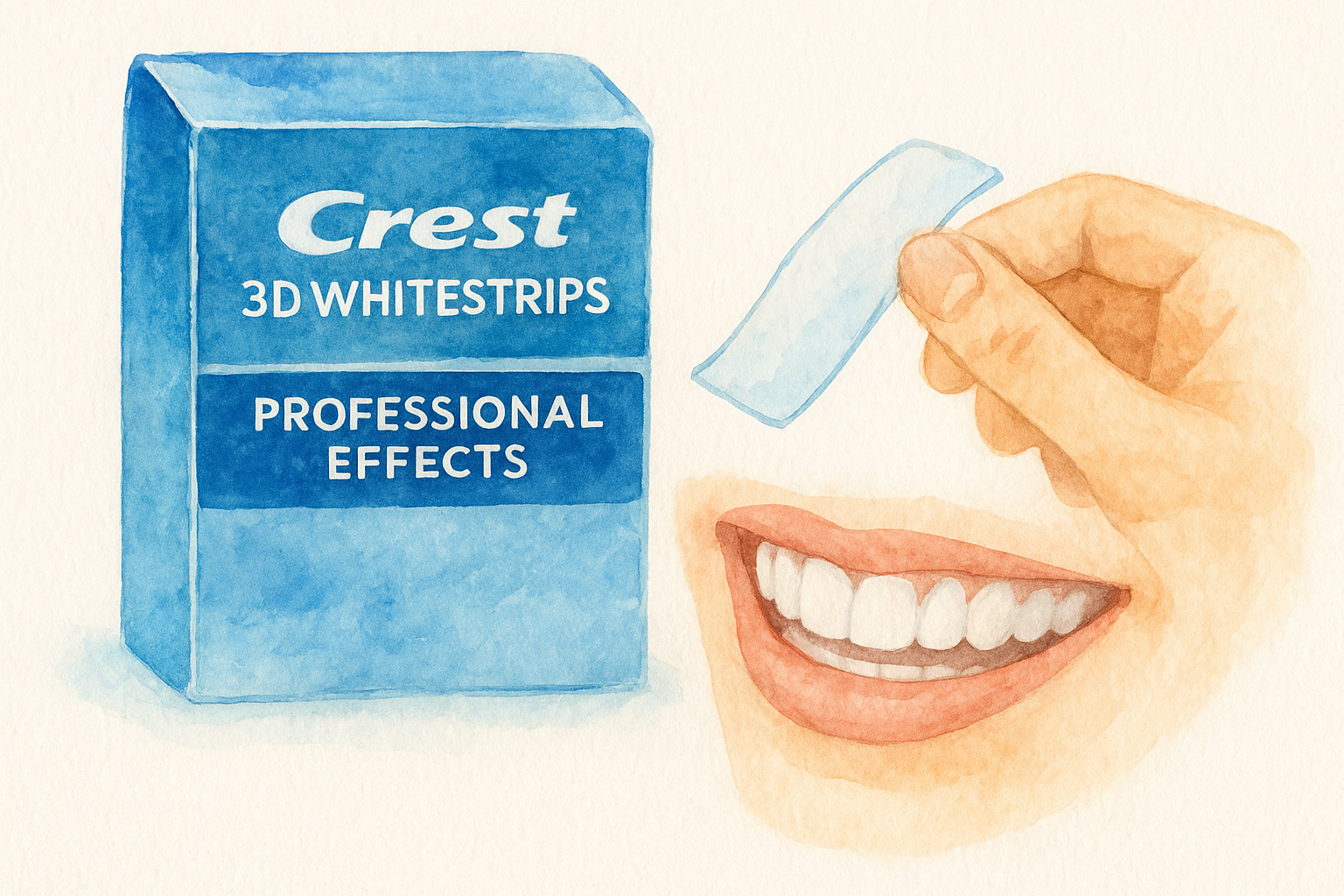
2. Crest 3D Whitestrips Professional Effects
Crest 3D Whitestrips Professional Effects is one of the most recognized over-the-counter whitening products on the market, and for good reason. This strip earns its place in any teeth whitening product comparison because it delivers results that genuinely close the gap between pharmacy shelves and a professional in-office treatment at a fraction of the cost.
What it is and how it works
Each strip carries a 6% hydrogen peroxide gel that adheres directly to your tooth surface once applied. You press the strips onto your upper and lower teeth, leave them on for 30 minutes per session, then peel them off and rinse. The peroxide works by penetrating the enamel to break apart discolored compounds inside the tooth structure, rather than simply scrubbing away surface stains.
Best for
These strips suit people who want noticeable whitening results within two to three weeks without scheduling a dental appointment. They perform particularly well on extrinsic stains built up from coffee, tea, red wine, and food pigments.
Whitening approach and expectations
Crest claims results of up to 20 shades whiter with a full treatment, though your actual outcome depends heavily on your baseline tooth color and the type of staining involved. Most consistent users see meaningful brightening within 10 days.
Intrinsic discoloration from medication use or fluorosis responds far less to peroxide strips, so manage expectations if your staining runs deeper than the enamel surface.
How it fits into a routine
Apply the strips once daily after brushing, and avoid eating or drinking for at least 30 minutes after removal to let the formula finish its work without dilution.
Pros and cons
- Pros: Proven hydrogen peroxide formula, widely available in stores and online, strong track record across millions of users
- Cons: Frequently causes tooth sensitivity and gum irritation, strips can shift during wear, not appropriate for those with existing sensitivity
Price range
A standard 20-treatment box typically runs $45 to $60 depending on the retailer and any promotional pricing.
3. Crest 3D Whitestrips Sensitive
Crest built this version specifically for people who tried the Professional Effects strips and had to stop due to tooth sensitivity or gum discomfort. It belongs in any thorough teeth whitening product comparison because sensitivity is one of the most common reasons people quit whitening routines before seeing results.
What it is and how it works
The Sensitive strips use a lower 5% hydrogen peroxide concentration compared to the Professional Effects formula. You apply them the same way, pressing them onto upper and lower teeth for 30 minutes per session, but the reduced peroxide load creates less nerve stimulation and tissue irritation during treatment.
Best for
These strips are best for anyone with diagnosed tooth sensitivity, thin enamel, gum recession, or a history of pain during whitening treatments. They also work well for first-time whiteners who want to start conservatively before committing to a stronger formula.
Whitening approach and expectations
The lower concentration still breaks apart surface and shallow intrinsic stains over time, but the results come in more gradually than the Professional Effects version. You should expect to complete the full treatment cycle before seeing the same brightness level a stronger strip might deliver in half the time.
If you experience sensitivity even with this formula, space treatments to every other day rather than stopping entirely, since gradual exposure often allows tolerance to build.
How it fits into a routine
Use the strips once daily after brushing, following the same timing guidance as other strip products: avoid food and drink for 30 minutes after removal to let the formula absorb properly.
Pros and cons
- Pros: Gentler formula reduces sensitivity risk, same trusted Crest strip platform, widely available
- Cons: Slower results than stronger strips, higher cost per shade gained relative to Professional Effects
Price range
A standard box typically runs $35 to $50 depending on retailer and pack size.
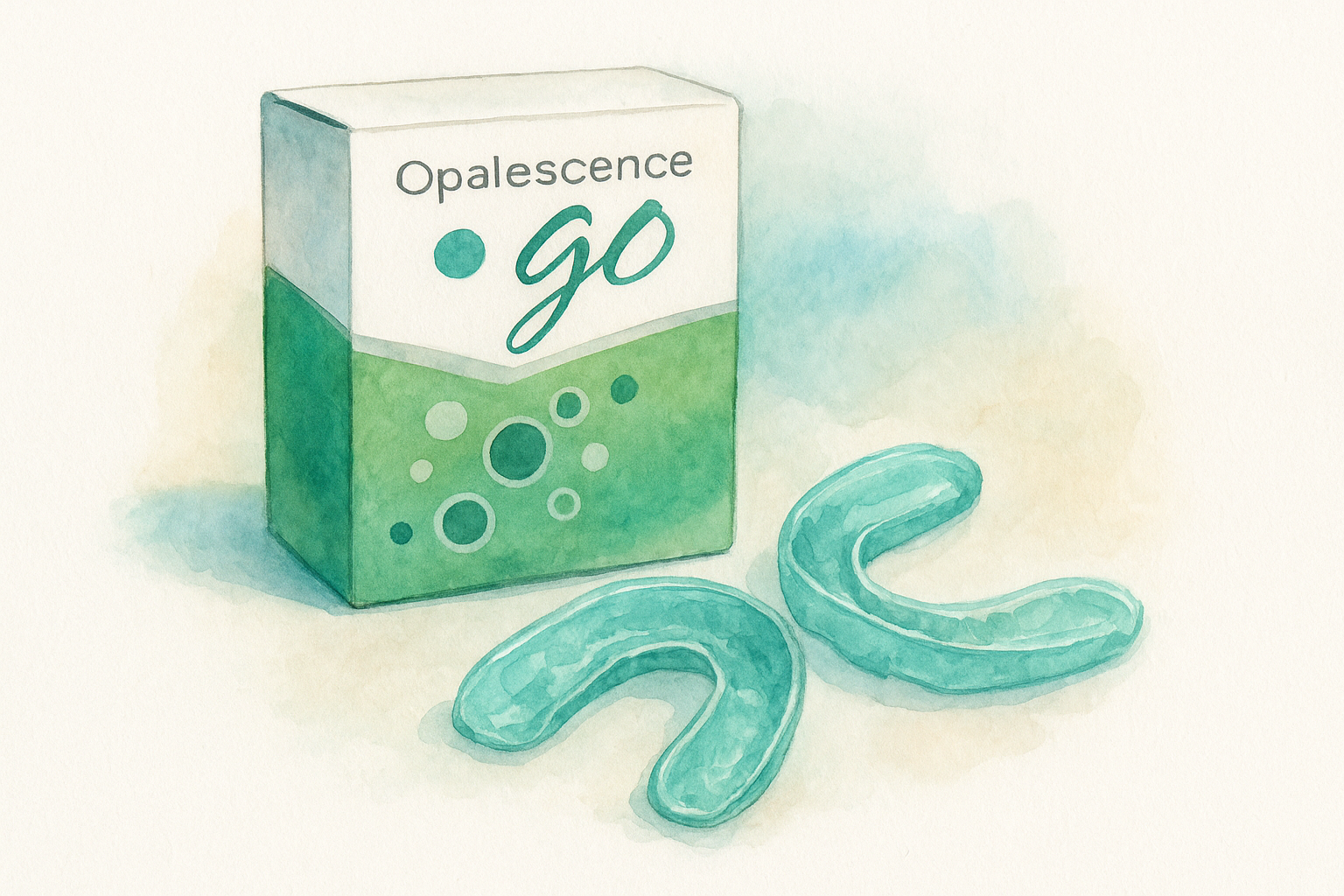
4. Opalescence Go Prefilled Whitening Trays
Opalescence Go sits in an interesting spot in this teeth whitening product comparison: it bridges the gap between the convenience of strips and the clinical strength of custom-tray gels. These prefilled, disposable trays come ready to use straight out of the package, requiring no impressions, no mixing, and no extra equipment.
What it is and how it works
Each tray comes pre-loaded with hydrogen peroxide gel and uses a flexible, adaptable material that molds loosely to your teeth when you bite down. You wear the upper and lower trays simultaneously for the specified time, then discard them. The 10% or 15% hydrogen peroxide formula penetrates enamel to break apart stain compounds sitting below the tooth surface.
Best for
Opalescence Go works best for people who want professional-grade whitening results without booking a dental appointment or waiting for custom trays to be fabricated. It also suits frequent travelers who need a compact, no-mess whitening option they can use anywhere.
Whitening approach and expectations
Results typically appear within five to ten days of consistent use, with the 15% concentration delivering faster visible brightening than the 10% option. The gel's PF formula, which contains potassium nitrate and fluoride, actively works to reduce sensitivity during treatment and strengthen enamel simultaneously.
The built-in fluoride and potassium nitrate combination makes Opalescence Go one of the few OTC options that whitens and supports enamel health at the same time.
How it fits into a routine
Wear the trays for 30 to 60 minutes daily, depending on the concentration you choose, ideally after brushing so the gel contacts clean enamel directly.
Pros and cons
- Pros: Professional-grade formula, sensitivity-reducing ingredients built in, no preparation required
- Cons: Trays fit loosely compared to custom options, gel can migrate onto gums if trays shift during wear
Price range
A ten-pack typically costs $30 to $45, which works out to a reasonable per-treatment cost given the formula strength.
5. Opalescence Whitening Gel Syringes with Custom Trays
Opalescence gel syringes paired with custom-fitted trays represent the closest thing to an in-office whitening system you can use at home. This option earns a distinct spot in any teeth whitening product comparison because it combines professional-grade peroxide concentration with a tray that actually seals against your tooth surface rather than just resting loosely over it.
What it is and how it works
The system works by loading a small amount of carbamide or hydrogen peroxide gel into custom trays fabricated from dental impressions of your teeth. You wear the trays for a set period, typically between 30 minutes and several hours depending on the concentration, allowing the gel to penetrate enamel and break apart deeply embedded stain molecules.
Best for
This setup suits people who want maximum whitening coverage and are willing to invest a bit more time upfront to get custom trays made. It also works well for anyone who has experienced gel migration and gum irritation with prefilled trays, since a precise fit keeps the gel exactly where it belongs.
Whitening approach and expectations
Higher concentrations, such as 35% carbamide peroxide, deliver faster results, while lower 10% to 16% options allow longer overnight wear with less sensitivity risk. Most users see significant brightening within one to two weeks of consistent use.
Custom trays maximize gel contact with every tooth surface, which makes the whitening more even and thorough than any strip or prefilled tray can achieve.
How it fits into a routine
Apply the gel after brushing at night, wear for the recommended duration, then rinse thoroughly and clean your trays before storing them.
Pros and cons
- Pros: Superior fit means better results and minimal gum exposure, reusable trays reduce long-term cost
- Cons: Requires a dentist visit or impression kit to obtain custom trays, higher upfront investment than strips
Price range
Gel syringes typically cost $20 to $50 for a multipack, though the custom tray fabrication adds to the total initial expense.
6. Colgate Optic White ComfortFit LED whitening kit
The Colgate Optic White ComfortFit kit enters this teeth whitening product comparison as a mainstream LED option backed by one of the most recognized names in oral care. It packages a complete whitening system in a single box, targeting consumers who want a guided, technology-assisted routine without a steep learning curve.
What it is and how it works
The kit includes a flexible LED mouthpiece and hydrogen peroxide whitening gel that work together to accelerate the bleaching process. You apply the gel to the tray, insert it, and activate the LED light for a ten-minute session. The light is designed to boost the peroxide's stain-breaking activity, though the gel concentration remains the primary driver of actual whitening.
Best for
This kit suits people who want a straightforward LED whitening experience at a lower price point than premium competitors. It also works well for those who prefer a recognizable consumer brand with widespread retail availability.
Whitening approach and expectations
The formula uses low to moderate hydrogen peroxide concentration, which means gradual results over a standard two-to-three-week treatment period. Most users report a few shades of brightening, with the best outcomes coming from consistent daily sessions.
LED enhancement adds marginal benefit on its own; the peroxide formula does the heavy lifting, so don't expect the light to dramatically speed up results beyond what the gel alone would achieve.
How it fits into a routine
Use it for ten minutes daily after brushing, following the included instructions. The short session time makes it easy to fit into a morning or pre-bed routine.
Pros and cons
- Pros: Widely available, affordable entry into LED whitening, simple setup
- Cons: LED effectiveness is limited at this price tier, tray fit is generic and may not suit all mouth shapes
Price range
The kit typically retails for $30 to $45 depending on where you buy it.
7. Glo Science So Brilliant LED whitening kit
The Glo Science So Brilliant kit takes a more focused approach to LED whitening than many competing products in this teeth whitening product comparison, using a light and gentle heat combination that the brand calls GLO technology to accelerate the peroxide bleaching process.
What it is and how it works
The kit includes a lip-retaining mouthpiece with built-in LED and mild warming heat, along with hydrogen peroxide gel that you apply directly to your teeth before inserting the device. Light and gentle heat together are designed to activate the gel more effectively than light alone. Rather than one long exposure, you run multiple eight-minute sessions per sitting, typically four consecutive rounds per day.
Best for
This kit suits people who want a structured, technology-forward whitening experience and are willing to commit to a more intensive daily protocol. It also works well for those who have found single-session strip routines inconsistent or uncomfortable to maintain.
Whitening approach and expectations
The hydrogen peroxide concentration in the gel is moderate but applied repeatedly within each session, which builds exposure over a short window. Most users report visible brightening within five days, making this one of the faster OTC LED options available.
The multi-session approach within a single sitting distinguishes GLO technology from most home LED kits that rely on one extended exposure per day.
How it fits into a routine
You complete four eight-minute sessions back to back, adding up to roughly 32 minutes total. Pairing this with a morning activity like reading or watching something makes the daily time commitment feel manageable rather than burdensome.
Pros and cons
- Pros: Faster visible results, structured multi-session protocol, lip retractor reduces gum contact
- Cons: Daily time commitment is longer than most competitors, higher price point limits accessibility
Price range
The So Brilliant kit typically retails for $100 to $130 depending on the retailer and any bundle options available.
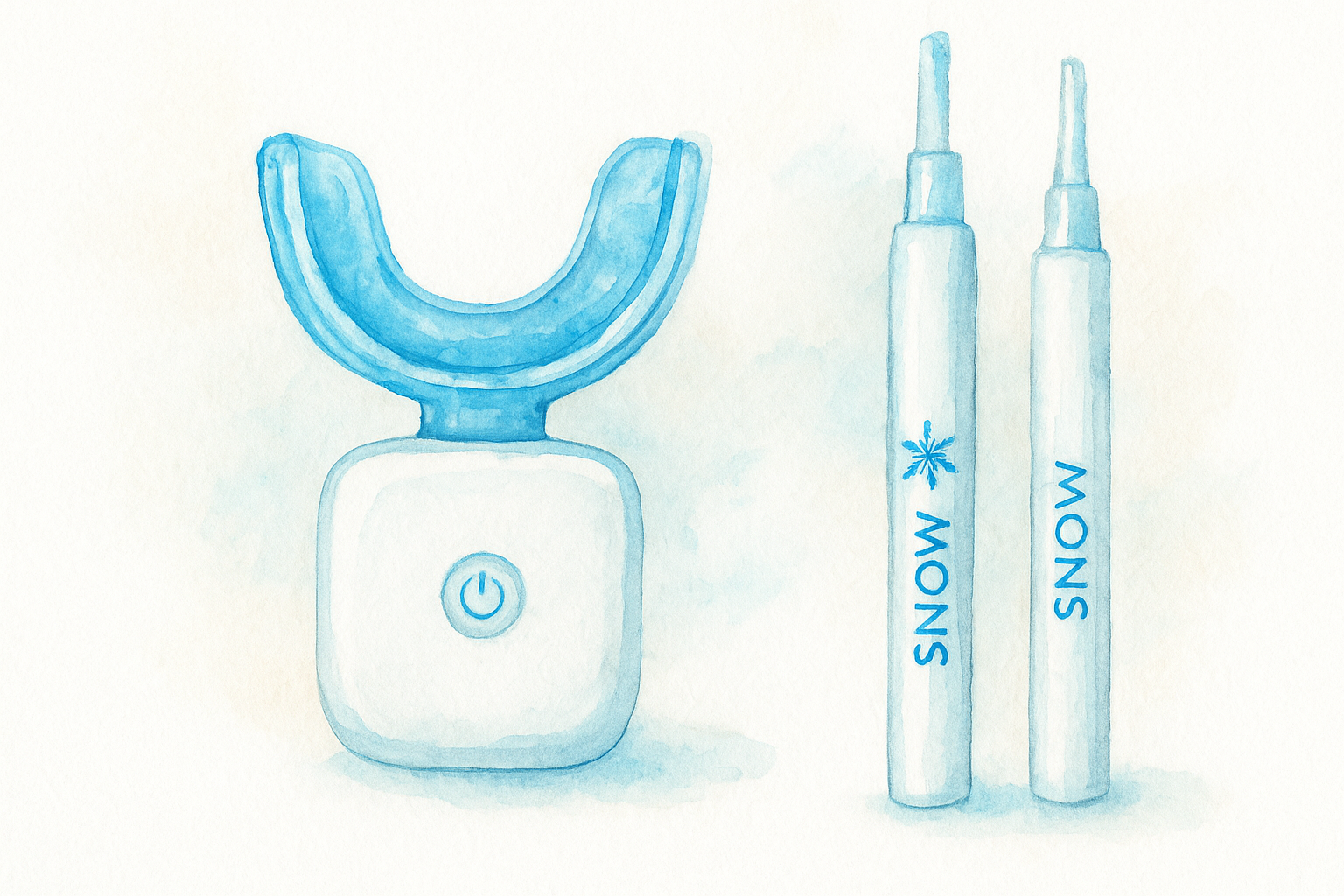
8. Snow Advanced Wireless Teeth Whitening Kit
The Snow Advanced wireless kit brings a premium, cord-free LED whitening experience to this teeth whitening product comparison. It positions itself as a lifestyle-forward product, leaning into its sleek design and serum delivery system to stand apart from more clinical-looking competitors on the market.
What it is and how it works
The kit pairs a wireless LED mouthpiece with Snow's whitening serum wands, which you apply directly to your teeth before inserting the device. The LED light activates the serum's hydrogen and carbamide peroxide formula, working to break apart stain compounds beneath the enamel surface. Sessions run between 9 and 30 minutes depending on your sensitivity level and the results you are chasing.
Best for
Snow suits people who want a hands-free, portable whitening kit that fits cleanly into a daily routine without dealing with strips that shift or trays that require prep. It also appeals to anyone who finds cord-dependent LED devices inconvenient during a busy morning or evening routine.
Whitening approach and expectations
The serum uses a dual-peroxide blend that the brand claims delivers visible results within 9 minutes of the first use, though consistent daily sessions over two to three weeks produce the most reliable brightening for most users.
Results vary significantly based on the type and depth of staining, so those with intrinsic discoloration should set realistic expectations before starting.
How it fits into a routine
You apply the serum wands after brushing, insert the mouthpiece, and let the timed session run. The wireless design lets you move around freely rather than standing stationary over a sink for the entire session.
Pros and cons
- Pros: Wireless and portable, dual-peroxide serum formula, adjustable session length for sensitive users
- Cons: High price point, replacement serum wands add a recurring cost over time
Price range
The Snow Advanced kit typically retails for $150 to $200, placing it among the higher-cost OTC options covered here.
9. Lumineux Peroxide-Free Whitening Strips
Lumineux takes a fundamentally different approach to whitening than every other strip product in this teeth whitening product comparison. Rather than relying on hydrogen peroxide to bleach the tooth, Lumineux uses a certified non-toxic, plant-based formula that positions itself as the gentlest strip option on the market.
What it is and how it works
Each strip carries a blend of coconut oil, sage oil, and lemon peel oil, along with other natural ingredients, to lift surface stains without any peroxide contact. You apply the strips to upper and lower teeth and wear them for the specified time before removing and rinsing.
Best for
Lumineux is best for people who experience significant sensitivity with any peroxide product or who specifically want to avoid bleaching agents for personal, medical, or ethical reasons. It also suits those maintaining already-bright teeth rather than chasing dramatic initial results.
Whitening approach and expectations
The strips work by dissolving and lifting surface stains rather than penetrating enamel like peroxide does. This means results are visible but modest, particularly if your discoloration runs deeper than the outermost tooth surface.
If your staining comes primarily from coffee or tea buildup rather than intrinsic discoloration, peroxide-free strips can produce genuinely satisfying results with zero sensitivity.
How it fits into a routine
Use the strips once daily after brushing, following the included timing instructions. The gentle formula makes daily use sustainable even for people with sensitive gums or thin enamel who cannot tolerate conventional whitening schedules.
Pros and cons
- Pros: No peroxide means no sensitivity risk, plant-based formula, suitable for daily use
- Cons: Results are slower and less dramatic than peroxide strips, ineffective on intrinsic staining
Price range
A standard pack retails for $30 to $40, which is competitive given the sensitivity-friendly positioning.
10. Colgate Optic White Overnight Whitening Pen
The Colgate Optic White Overnight pen adds a distinct format to this teeth whitening product comparison: a brush-tip applicator you paint directly onto your teeth before bed, letting the formula work while you sleep without any tray, strip, or mouthpiece involved.
What it is and how it works
The pen delivers a hydrogen peroxide-based serum through a precision brush tip that you paint onto each tooth surface individually. Once applied, the serum dries into a thin film that maintains contact with your enamel overnight, giving the active ingredient extended exposure time without requiring you to hold anything in your mouth.
Best for
This pen suits people who find strips uncomfortable to wear or who want a low-effort whitening step that runs passively while they sleep. It also works well as a targeted touch-up tool for individual teeth that show more staining than others.
Whitening approach and expectations
The formula uses a moderate hydrogen peroxide concentration optimized for extended overnight contact rather than the short high-intensity exposure of a strip or LED session. Most users see gradual brightening over one to two weeks of consistent nightly use.
Extended contact time during sleep compensates for lower peroxide concentration, making the overnight format more effective than a short daytime application at the same strength would be.
How it fits into a routine
Apply the serum to dry teeth after brushing right before bed. Avoid drinking water or eating anything after application so the film stays intact through the night.
Pros and cons
- Pros: Passive overnight format, precise applicator targets specific teeth, no tray or strip needed
- Cons: Requires keeping your mouth relatively dry overnight, results are gradual rather than rapid
Price range
The pen typically retails for $15 to $25, making it one of the more affordable whitening formats covered here.
11. Auraglow Extra Strength Whitening Pen
The Auraglow Extra Strength pen shows up frequently in teeth whitening product comparison searches as a budget-friendly pen claiming a stronger peroxide concentration than most competitors in the same format. It targets anyone looking for a quick, portable touch-up tool without committing to a full strip or LED kit routine.
What it is and how it works
The pen delivers a 35% carbamide peroxide gel through a twist-bottom applicator with a brush tip. You paint the gel directly onto each tooth surface, let it sit for the recommended dwell time, then rinse. The carbamide formula converts into hydrogen peroxide on contact with saliva, releasing the active bleaching agent against your enamel.
Best for
Auraglow's pen suits people who want targeted spot whitening on individual teeth or a compact option that fits easily into a bag for travel. It also works for anyone who finds strips and trays cumbersome but still wants a meaningfully higher peroxide concentration than standard whitening pen competitors offer.
Whitening approach and expectations
The higher carbamide concentration delivers faster visible results than lower-strength pens, with most users noticing brightening within five to seven days of consistent daily use.
Short application windows at higher concentrations can still irritate gum tissue if the gel spreads beyond the tooth surface, so apply carefully with the brush tip.
How it fits into a routine
Apply the gel to dry teeth after brushing, wait the recommended two to three minutes, then rinse thoroughly without eating or drinking beforehand.
Pros and cons
- Pros: High peroxide concentration for a pen format, compact and portable, affordable
- Cons: Gel can irritate gums if applied carelessly, consistent daily use is essential for meaningful results
Price range
The pen typically retails for $20 to $30, offering solid value for the concentration level compared to other pen-format options.
12. Crest 3D White Brilliance Deep Stain Remover Toothpaste
Toothpaste sits at the least intensive end of this teeth whitening product comparison, but Crest's 3D White Brilliance Deep Stain Remover earns its place by targeting something strips and LED kits do not: daily maintenance and surface stain prevention built directly into your brushing routine.
What it is and how it works
This toothpaste uses micro-cleansing whitening technology, which combines a low concentration of hydrogen peroxide with fine abrasive particles to remove surface stains during brushing. You work the paste across your teeth with a toothbrush as you normally would, and the combination of chemical and mild physical action lifts discoloration caused by food and drink without requiring any extra steps.
Best for
This product suits people who want daily stain prevention rather than active whitening treatment, and those who are maintaining results from a strip or tray system they have already completed. It also works for anyone who wants to add a small whitening benefit to their routine without changing anything else about it.
Whitening approach and expectations
The hydrogen peroxide concentration in toothpaste is low by design, and contact time with enamel during brushing is brief, which limits how deeply the bleaching action penetrates. Expect surface stain reduction rather than shade-level change.
Toothpaste whitening works best as a maintenance layer on top of a dedicated whitening treatment, not as a standalone method for noticeable brightening.
How it fits into a routine
Use it as your regular daily toothpaste, brushing for two minutes twice a day. No additional steps or timing requirements apply.
Pros and cons
- Pros: Zero extra time investment, widely available, affordable
- Cons: Results are surface-level only, not a substitute for dedicated whitening treatment
Price range
A standard tube retails for $8 to $12, making it the most budget-friendly option in this comparison.
13. Sensodyne Clinical Repair Whiten and Shine Toothpaste
Sensodyne Clinical Repair Whiten and Shine earns a specific spot in this teeth whitening product comparison because it addresses a combination most whitening toothpastes ignore entirely: active enamel repair alongside surface brightening. If sensitivity has limited your whitening options before, this toothpaste deserves a close look.
What it is and how it works
This toothpaste pairs stannous fluoride for enamel repair with a mild whitening system that lifts surface stains during regular brushing. The stannous fluoride works by forming a protective layer over exposed dentin, which reduces the nerve stimulation that causes sensitivity while simultaneously cleaning and gently polishing the tooth surface.
Best for
Sensodyne Clinical Repair Whiten and Shine is best suited for people with sensitive teeth or exposed dentin who want to incorporate a whitening benefit without risking the discomfort that comes from peroxide-heavy treatments. It also works well as a long-term maintenance toothpaste for anyone finishing a strip or tray whitening cycle.
Using a repair-focused whitening toothpaste after completing a peroxide treatment helps protect enamel during the period when teeth are most vulnerable to sensitivity.
Whitening approach and expectations
The whitening action is surface-level and gradual, relying on mild abrasives and stain-lifting agents rather than peroxide bleaching. You will not see dramatic shade changes, but consistent stain prevention over weeks of daily use produces a visibly cleaner, more polished appearance.
How it fits into a routine
Replace your current daily toothpaste with this one and brush for two minutes twice a day as normal. No extra timing, rinsing rules, or additional steps apply.
Pros and cons
- Pros: Repairs and protects enamel while whitening, trusted brand with a strong sensitivity track record, no peroxide required
- Cons: Results are limited to surface stains, not a substitute for dedicated whitening treatment
Price range
A standard tube retails for $8 to $14 depending on pack size and retailer.
14. ACT Whitening + Anticavity Fluoride Mouthrinse
ACT Whitening + Anticavity Fluoride mouthrinse occupies a unique position in this teeth whitening product comparison by doing something no other format here does: delivering whitening benefits and cavity protection simultaneously through a rinse you swish for roughly 60 seconds.
What it is and how it works
The rinse combines low-concentration hydrogen peroxide with fluoride in a liquid formula you swish around your mouth after brushing. The peroxide lifts surface stains from all tooth surfaces at once, including the sides and back molars that strips and pens often miss entirely, while the fluoride strengthens enamel and helps protect against cavities at the same time.
Best for
ACT suits people who want a hands-off whitening addition to a routine they already follow, particularly those who rinse daily for cavity protection and want a single product that handles both goals. It also works well for anyone who finds all other whitening formats too cumbersome or irritating to maintain consistently.
Whitening approach and expectations
Expect surface stain reduction over several weeks of daily use rather than any meaningful shade change. The peroxide concentration in rinse format is low, and contact time is limited to under a minute, so results stay in the maintenance category rather than the treatment category.
A fluoride mouthrinse works best as a layer on top of an existing whitening routine, not as the sole whitening method you rely on.
How it fits into a routine
Swish the rinse for 60 seconds after brushing, then spit and avoid eating or drinking for 30 minutes to let the fluoride set properly. It adds under two minutes to your existing brushing routine.
Pros and cons
- Pros: Reaches all tooth surfaces evenly, cavity protection built in, minimal time required
- Cons: Whitening effect is very mild, not a substitute for any dedicated treatment format
Price range
A standard bottle typically retails for $6 to $10, making it the most affordable option in this entire comparison.
Final Picks and Next Steps
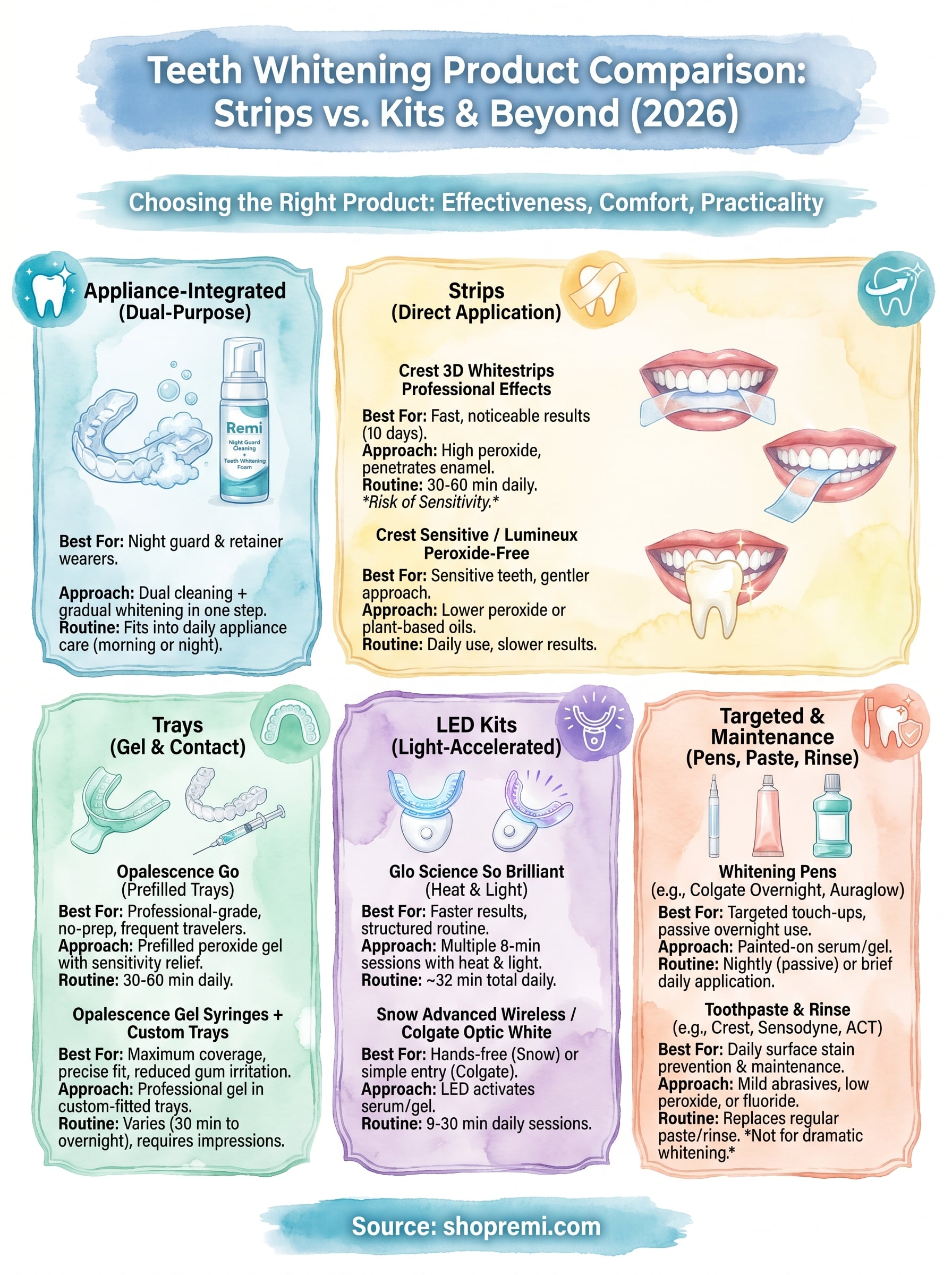
This teeth whitening product comparison covers a wide range of formats, but the right pick depends entirely on your starting point. If you want fast, dramatic results and your teeth handle peroxide well, Crest Professional Effects or Opalescence Go will get you there quickest. If sensitivity has stopped you before, Lumineux strips or Sensodyne toothpaste give you a sustainable path forward. For the most complete coverage without extra sessions, the Remi whitening foam fits whitening directly into appliance care if you already wear a night guard or retainer.
Your next step is matching the format to your actual routine, not the one you plan to start. Pick the product you will realistically use every day. If you wear a night guard and want to simplify your routine, the Remi Night Guard Cleaning + Teeth Whitening Foam pairs naturally with a custom night guard that protects your teeth while you sleep.

