
 Guards + Retainers
 Custom Night Guard
 Retainer
 Emergency Order

 Whitening
 Whitening Kit
 Teeth Whitening Gel
 Dual-Action Foam
 Cleaning + Care
 Ultrasonic Cleaner Pro
 Water Flosser
 UV Toothbrush Sanitizer
 Deep Clean + Freshening Tablets
 Accessories
 Guard Removal Tool
 Replacement Nozzles
 Bundles

If you've ever woken up with a sore jaw, dull headache, or worn-down teeth, stress might be doing more damage overnight than you realize. Figuring out how to stop teeth grinding from stress is one of the most common concerns people bring to their dentists, and for good reason. Chronic bruxism can crack enamel, cause TMJ pain, and seriously disrupt your sleep. The frustrating part? Most people don't even know they're doing it until the damage is already visible.
Stress-related teeth grinding affects millions of adults, and it tends to spike during periods of anxiety, work pressure, or major life changes. While there's no single switch you can flip to make it stop, a combination of targeted strategies can dramatically reduce how often and how hard you clench. The key is addressing both the root cause (stress) and protecting your teeth from the physical consequences while you work on it.
That's exactly why we built Remi, to give people access to custom-fitted night guards made with professional-grade materials, without the hefty dental office price tag. Below, we'll walk you through five proven methods to manage and reduce stress-induced grinding, from daily habits to dentist-backed solutions that actually work.
1. Wear a custom night guard
A night guard won't stop stress, but it will stop your teeth from taking the punishment while you address everything else. If you're serious about figuring out how to stop teeth grinding from stress, this is the first physical protection step that makes every other strategy more sustainable.
Why it helps with stress grinding
When stress keeps your jaw muscles tense and active overnight, your teeth absorb the full force of that tension. A night guard creates a physical barrier between your upper and lower teeth, distributing pressure evenly so your enamel and jaw joints don't absorb every grind and clench.
A night guard won't cure bruxism, but it prevents the irreversible enamel damage that happens while you sleep.
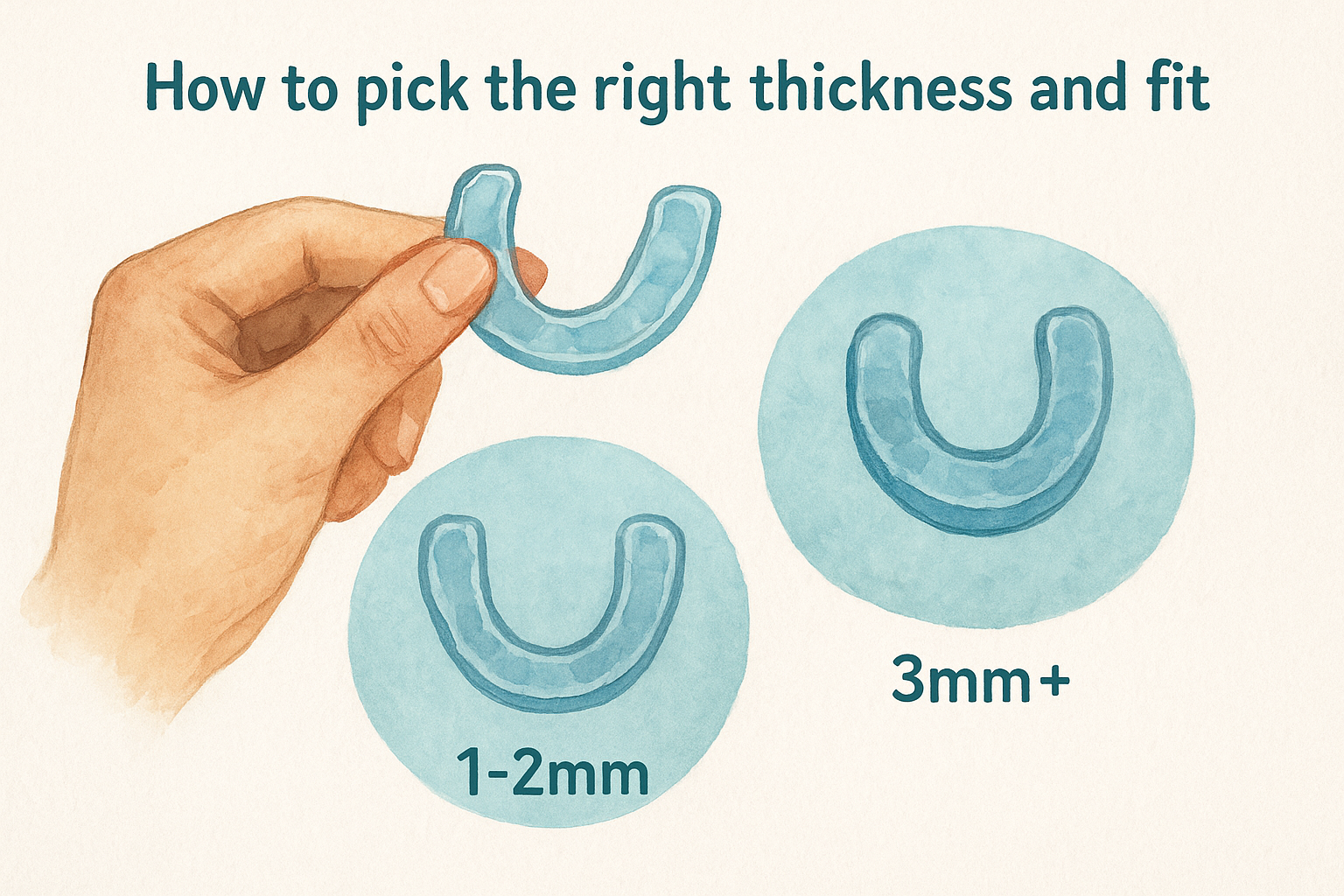
How to pick the right thickness and fit
Thinner guards (1-2mm) work well for mild grinders, while heavy grinders need a harder, thicker guard (3mm or more) that can withstand sustained pressure. Fit matters above everything else. A guard that shifts or feels unstable in your mouth won't protect you and will cause you to remove it before morning.
How to get used to wearing it at night
Start by wearing your guard for 30 minutes while awake so your mouth adjusts to the new sensation. Most people fully adapt within one to two weeks. If your guard causes bite discomfort or jaw pain past that point, the fit likely needs adjustment before you continue.
How to clean it so it stays comfortable and odor-free
Rinse your guard every morning with cool water and scrub gently with a soft toothbrush. Hot water warps the material, so avoid it. For a deeper clean, a specialized cleaning foam or ultrasonic cleaner removes bacteria that a brush misses and keeps your guard fresh and odor-free long-term.
Cost and what you get with a custom night guard from Remi
Dental offices typically charge $300 to $800 for a custom night guard. Remi delivers the same custom-fitted, lab-made quality through an at-home impression kit, shipped directly to your door at a fraction of that price, with no extra dental appointments required.
2. Use fast stress resets before bed
Your body doesn't switch off stress the moment you get into bed. Unresolved tension stays locked in your muscles, and your jaw is one of the first places it settles. A short pre-sleep routine is one of the most direct ways to address how to stop teeth grinding from stress at its source.
Why stress triggers jaw clenching and grinding
Cortisol stays elevated when your nervous system doesn't get a proper wind-down signal before sleep. Your jaw muscles respond to mental and emotional stress by tightening automatically, often without any awareness on your part.
A 5-minute wind-down routine you can repeat nightly
A short, consistent routine signals your nervous system to downshift. Dim your lights 30 minutes before bed, do a light stretch, and write down unfinished thoughts to clear your mental load. Consistency matters more than the specific steps you choose.
Even a basic 5-minute routine repeated nightly reduces baseline jaw tension over time.
Breathing and muscle relaxation that targets the jaw
Diaphragmatic breathing (inhale 4 counts, hold 4, exhale 6) lowers your heart rate and releases muscle tension. Pair it with progressive muscle relaxation: consciously tense and release your jaw, neck, and shoulders in sequence before sleep.
What to avoid that keeps your nervous system "on"
Screens, caffeine after 2 p.m., and difficult conversations before bed all prevent your stress response from resetting properly. Cut these out in the evening:
- Late-day caffeine (coffee, energy drinks, some teas)
- Alcohol, which disrupts sleep and increases grinding frequency
When to add therapy support like CBT
Cognitive Behavioral Therapy (CBT) helps you reframe the thought patterns that sustain chronic stress. If grinding persists despite lifestyle changes, a licensed therapist who specializes in stress or sleep disorders is worth consulting.
3. Relax your jaw during the day
Most people focus on nighttime when thinking about how to stop teeth grinding from stress, but daytime jaw habits directly shape how tense your muscles are when you fall asleep. Cutting tension during the day makes nighttime grinding less frequent and less intense.
Why awake clenching often leads to nighttime grinding
Awake clenching and sleep bruxism feed each other. When your jaw muscles spend hours under tension during the day, they stay contracted overnight, making grinding far more likely while you sleep.
The resting mouth position to practice throughout the day
Your teeth should not touch when your mouth is closed at rest. Practice keeping lips together, teeth slightly apart, and your tongue resting gently on the roof of your mouth. Set an hourly phone reminder to check your jaw position until the habit sticks.
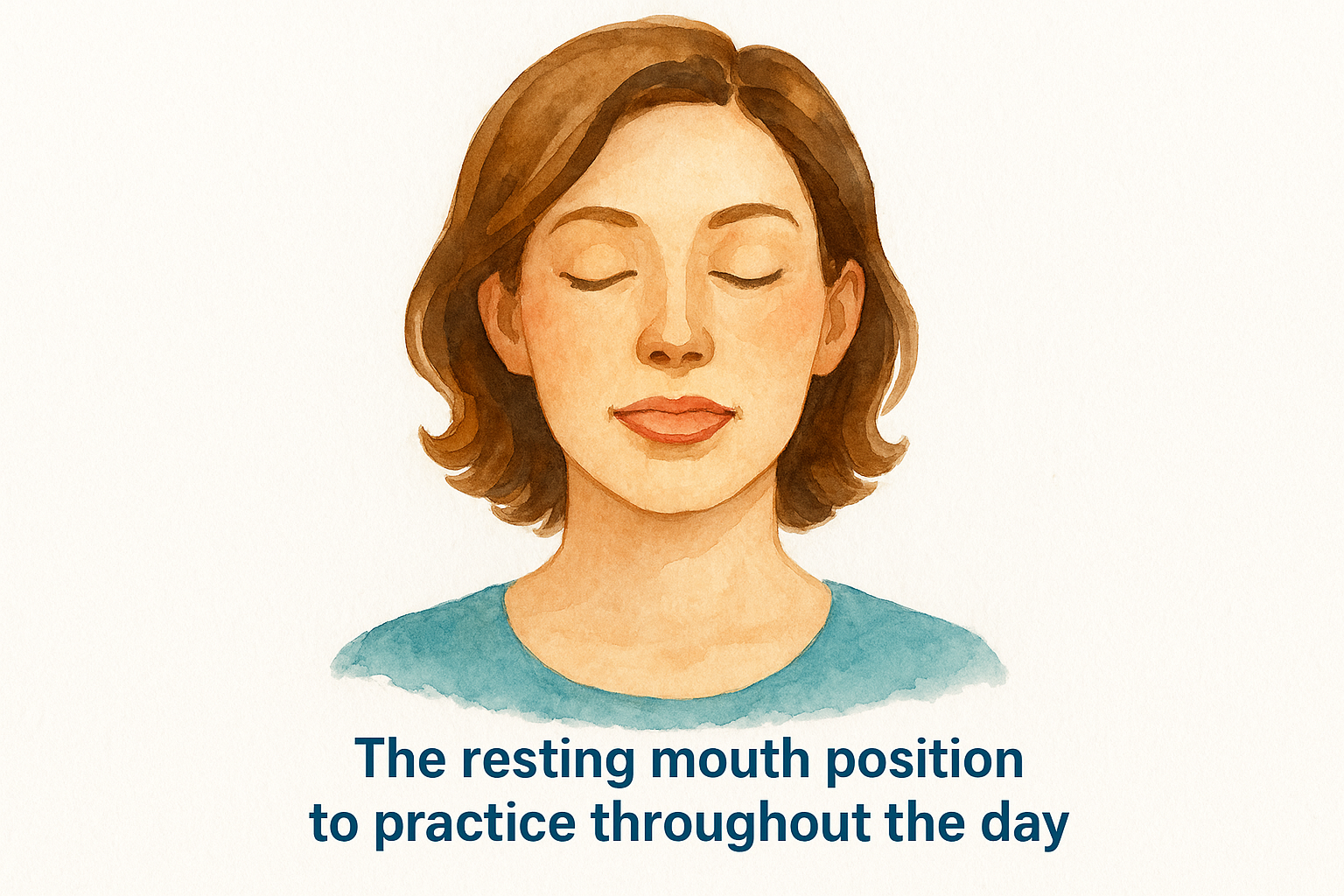
This resting position alone reduces the total muscle load your jaw carries across the day.
Quick jaw and face stretches that reduce muscle tension
Short stretching breaks release the tension that builds from hours of unconscious clenching. Try this quick sequence once or twice daily:
- Slow jaw open: Open as wide as comfortable, hold five seconds, and release. Repeat five times.
- Side-to-side movement: Shift your jaw gently left and right to loosen tight lateral muscles.
Work and screen habits that silently increase clenching
Forward head posture at a screen drives tension directly into your neck, face, and jaw. Raise your monitor to eye level and take a short movement break every 45 minutes to reset your posture.
Signs your jaw needs a professional TMJ evaluation
Watch for clicking, popping, or jaw locking, or pain that spreads toward your ear and temple. Persistent jaw pain that does not ease with daily relaxation habits is a clear signal to book an appointment with a dentist soon.
4. Fix the common lifestyle triggers that fuel bruxism
Stress isn't the only thing driving your jaw at night. Daily habits around food, drink, and sleep can quietly amplify grinding and make it harder to manage, even when your stress levels drop.
Caffeine, alcohol, and nicotine: what to change and when
Cut caffeine off by early afternoon, around 1 or 2 p.m., and avoid alcohol within three hours of bedtime. Both keep your nervous system stimulated during sleep. Nicotine is also a stimulant, so evening use adds to the same problem.
Sleep habits that reduce grinding intensity
A consistent sleep and wake schedule regulates your nervous system and lowers grinding intensity over time. Aim for seven to nine hours and keep your sleep space cool, dark, and quiet.
Protecting sleep quality is one of the most consistent ways to address how to stop teeth grinding from stress at its actual source.
Food and chewing triggers to cut back on
Chewing gum and hard foods throughout the day leaves your jaw fatigued before bed. Cut back on these especially in the hours leading up to sleep:
- Gum: Even sugar-free gum keeps your jaw muscles working for hours
- Hard or chewy snacks: nuts, jerky, and crusty bread add unnecessary jaw strain
How to track your patterns without overthinking it
A simple morning note about jaw soreness or headaches is enough. Track just three to five consistent mornings and clear patterns will surface fast without turning it into a project.
What to do if you wake up with headaches or tooth pain
Jaw soreness and morning headaches signal that your grinding is intensifying. Note when they happen and bring that information to your dentist to guide your next steps.
5. Rule out medical and dental causes that mimic "stress"
Sometimes grinding has a physical component that stress alone doesn't explain. Ruling out these causes helps you target the right treatment and get a clearer picture of how to stop teeth grinding from stress more completely.
Dental issues that can worsen grinding damage
Misaligned teeth or an uneven bite can trigger grinding independently of your stress levels. Your dentist can identify these problems during a routine exam and recommend corrections before the damage spreads further.
Sleep apnea and other sleep disorders to ask about
Sleep apnea and bruxism frequently occur together. If you snore, wake feeling unrefreshed, or your partner notices pauses in your breathing, ask your doctor about a sleep study to rule this out.
Treating sleep apnea often reduces bruxism frequency significantly, even without other interventions.
Medications that can contribute to bruxism
Certain antidepressants, particularly SSRIs, are linked to increased teeth grinding. If you started a new medication and noticed more jaw tension shortly after, discuss the timing with your prescribing doctor.
Treatments a dentist or doctor may recommend
Muscle relaxants, Botox injections into the jaw muscles, or bite adjustments are options your provider may suggest depending on severity. Each treatment targets a specific cause, so an accurate diagnosis drives the decision.
Red flags that mean you should book an appointment soon
Cracked teeth, jaw locking, or severe morning pain that doesn't ease within a week are signs to act quickly. Persistent ear pain or facial swelling alongside grinding also warrants prompt professional evaluation.
Next steps
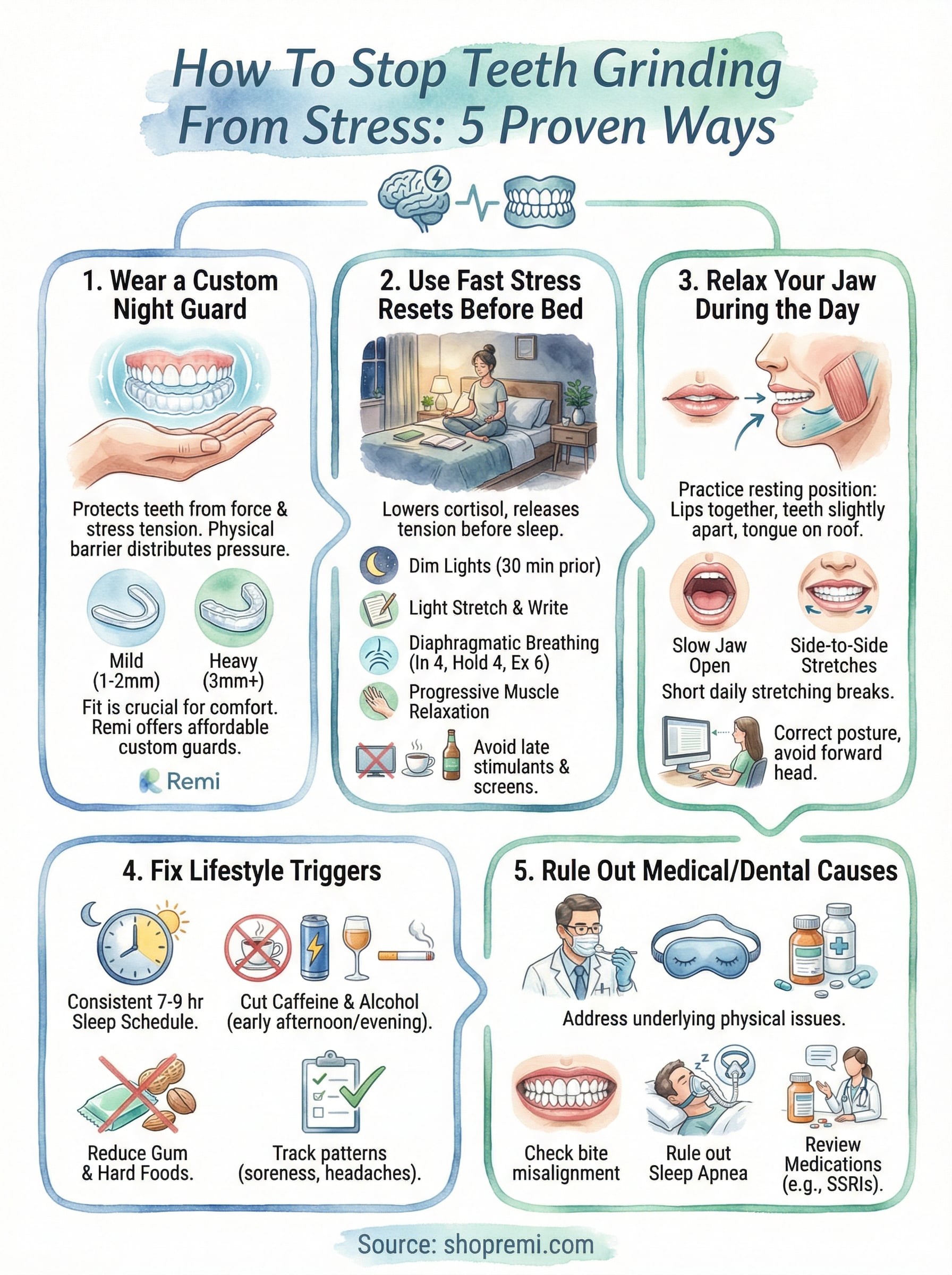
Stress-induced bruxism rarely stops on its own, but the five strategies above give you a clear path forward. Start with the habits you can control right now: adjust your bedtime routine, practice the resting jaw position during the day, and cut the lifestyle triggers that quietly make grinding worse. Consistency with small changes builds up faster than you'd expect.
The most direct answer to how to stop teeth grinding from stress is layering protection with habit change. Your teeth need a physical barrier while you work on reducing tension at the source. Waiting until you notice cracked enamel or chronic jaw pain costs far more time and money to fix.
If you haven't protected your teeth yet, a custom night guard is the single most effective starting point. Get a professionally fitted, lab-made guard delivered to your door with Remi's custom night guard at a fraction of the dental office price.

