
 Guards + Retainers
 Custom Night Guard
 Retainer
 Emergency Order

 Whitening
 Whitening Kit
 Teeth Whitening Gel
 Dual-Action Foam
 Cleaning + Care
 Ultrasonic Cleaner Pro
 Water Flosser
 UV Toothbrush Sanitizer
 Deep Clean + Freshening Tablets
 Accessories
 Guard Removal Tool
 Replacement Nozzles
 Bundles

You know your teeth matter but figuring out how to maintain dental health can feel overwhelming when you face conflicting advice and expensive dental bills. Your mouth impacts your overall wellbeing from heart health to confidence yet most people only think about oral care when something goes wrong. The good news is that preventing dental problems costs far less time and money than treating them and the daily habits that protect your smile are simpler than you might think.
This guide walks you through five evidence backed strategies that dentists actually recommend for keeping your teeth and gums healthy at home. You will learn how to protect your teeth from nightly grinding why your brushing technique matters more than the time you spend and which foods strengthen or weaken your enamel. Each tip includes practical steps you can start today whether you are dealing with specific issues like bruxism or simply want to avoid cavities and gum disease for life.
1. Protect your teeth at night with a custom guard
Understanding how to maintain dental health starts with recognizing the damage that happens while you sleep. Bruxism (teeth grinding) and jaw clenching affect roughly 1 in 3 adults and most people do not realize they are doing it until their dentist points out worn enamel or jaw pain. Your teeth need protection during those unconscious hours when stress and sleep position trigger grinding that can crack teeth and strain jaw muscles.
Why nightly grinding harms your teeth and jaw
Grinding wears down your enamel the protective outer layer of your teeth that does not regenerate once damaged. This exposes the softer dentin underneath and increases your risk of cavities sensitivity and fractures. Chronic jaw clenching also strains the temporomandibular joint (TMJ) leading to headaches facial pain and difficulty chewing. The cumulative damage from years of unprotected grinding often requires expensive crowns or root canals that a simple night guard could have prevented.
How a custom night guard or retainer protects your smile
Custom fitted guards create a barrier between your upper and lower teeth that absorbs grinding force and prevents direct tooth on tooth contact. Unlike drugstore boil and bite versions professionally made guards fit your exact bite pattern so they stay in place comfortably all night without causing gagging or shifting. They distribute pressure evenly across your jaw which reduces muscle strain and protects both your teeth and TMJ from long term damage.
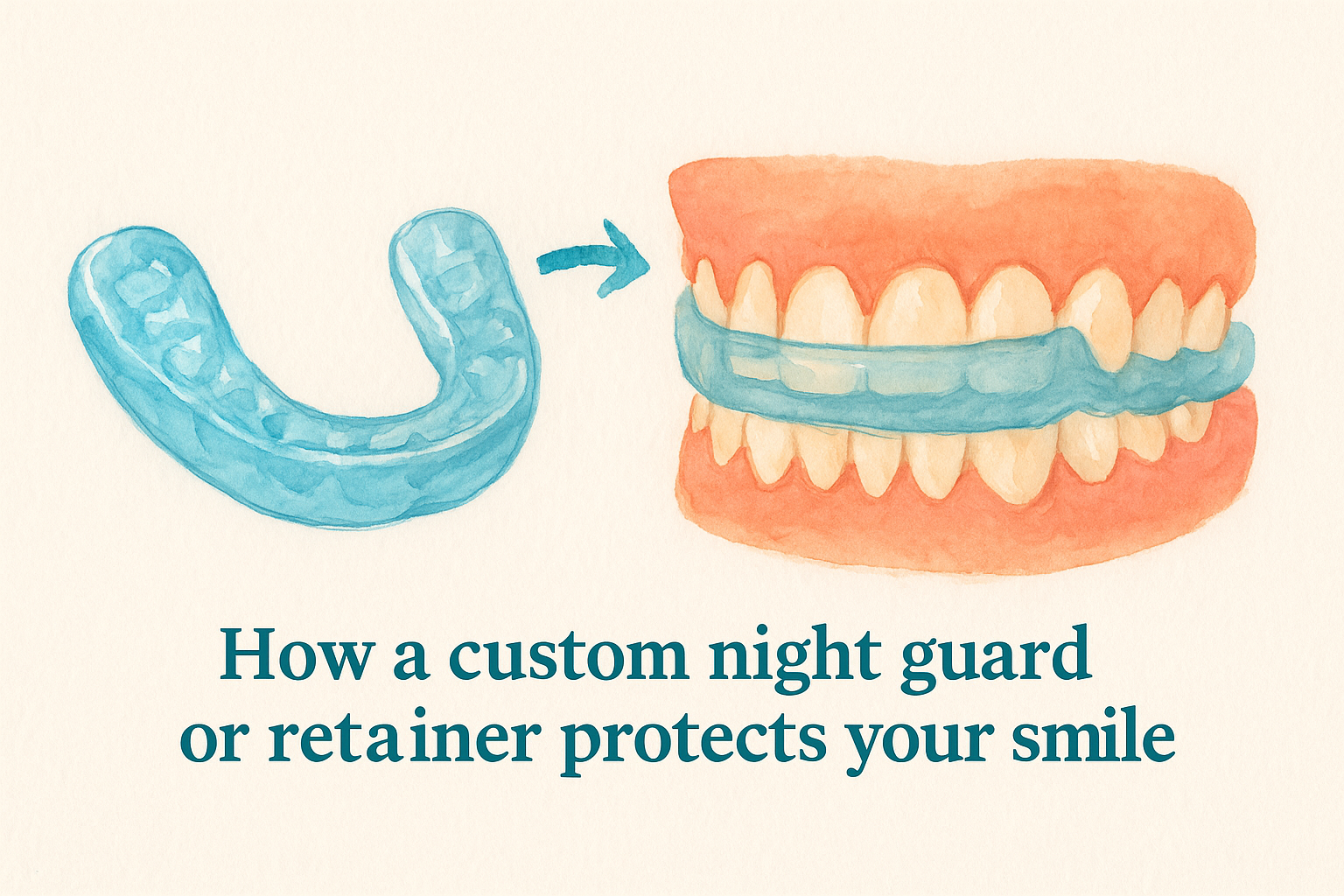
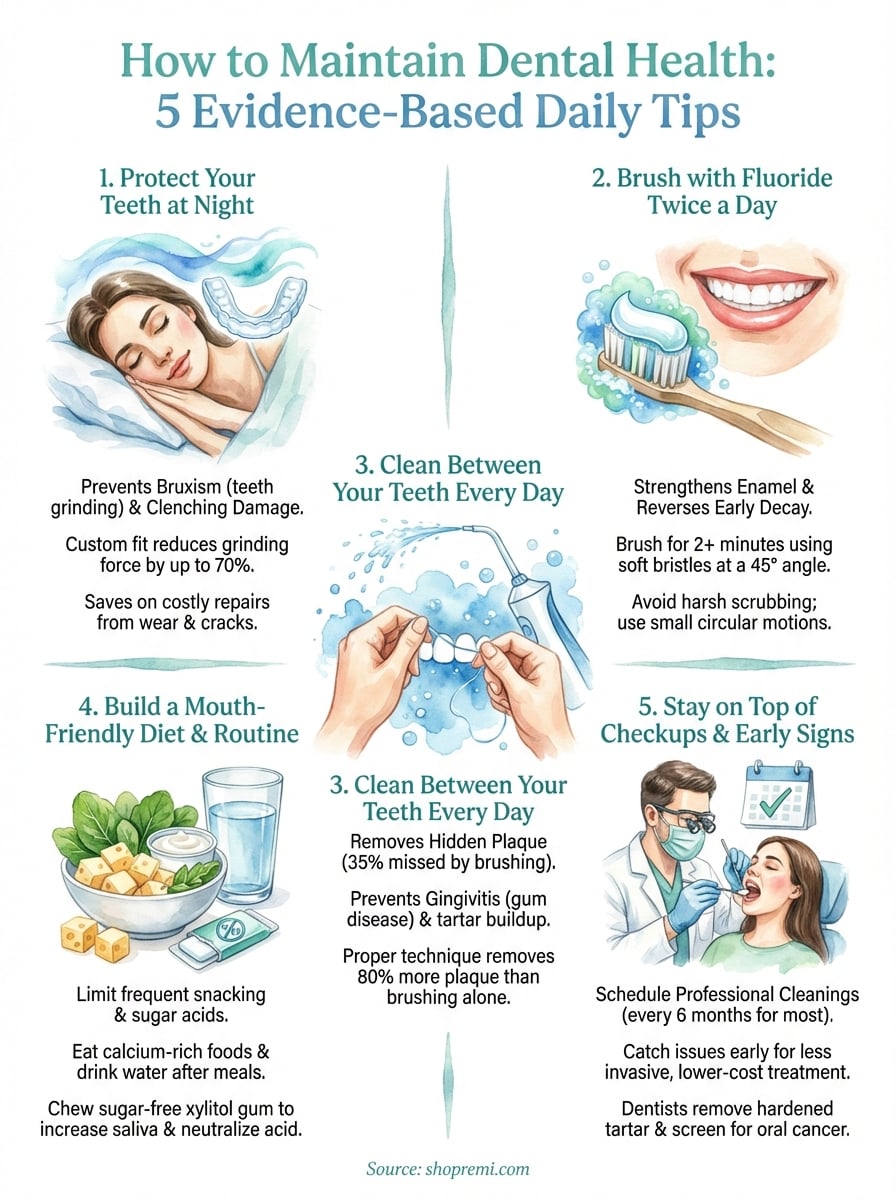
A properly fitted night guard can reduce grinding force by up to 70 percent while you sleep.
At home impression kits and daily care for your guard
Taking impressions at home eliminates multiple dental office visits while still delivering the precision of a custom fit. You bite into soft putty that captures your tooth structure then mail the impressions to a lab where technicians craft your guard to match your mouth exactly. Daily cleaning with specialized foam removes bacteria and prevents yellowing while storing your guard in a ventilated case keeps it dry and fresh between uses.
When a direct to consumer solution like Remi helps
Direct to consumer companies cut out the markup that dental offices add to lab work bringing costs down from $600 to around $100 for the same quality guard. Remi designs products alongside dental professionals so you get professional grade protection without the traditional price tag or appointment hassles. Their package includes everything you need for impressions plus support if you need guidance during the process.
2. Brush with fluoride twice a day
Brushing forms the foundation of any plan for how to maintain dental health yet most people rush through it or use techniques that miss plaque buildup. Your twice daily brushing sessions should take at least two minutes each and focus on removing the sticky bacterial film that forms constantly on your teeth. The right toothpaste and technique matter far more than scrubbing hard or spending extra time because effective brushing targets plaque along the gumline where cavities and gum disease start.
How fluoride toothpaste prevents cavities
Fluoride strengthens your tooth enamel by promoting remineralization which reverses early decay before it becomes a cavity. When you brush with fluoride toothpaste the mineral bonds to your enamel creating a harder surface that resists acid attacks from bacteria and acidic foods. This protection continues working for hours after you brush which is why dentists recommend fluoride toothpaste for both adults and children over age three.
Fluoride reduces cavities by up to 25 percent when used consistently in toothpaste.
Step by step brushing technique dentists recommend
Angle your soft bristled brush at 45 degrees toward your gumline to sweep plaque away from where your gums meet your teeth. Use small circular motions rather than harsh back and forth scrubbing which can damage enamel and irritate gums. Brush every surface of each tooth including the backs and chewing surfaces spending about 30 seconds in each quadrant of your mouth.
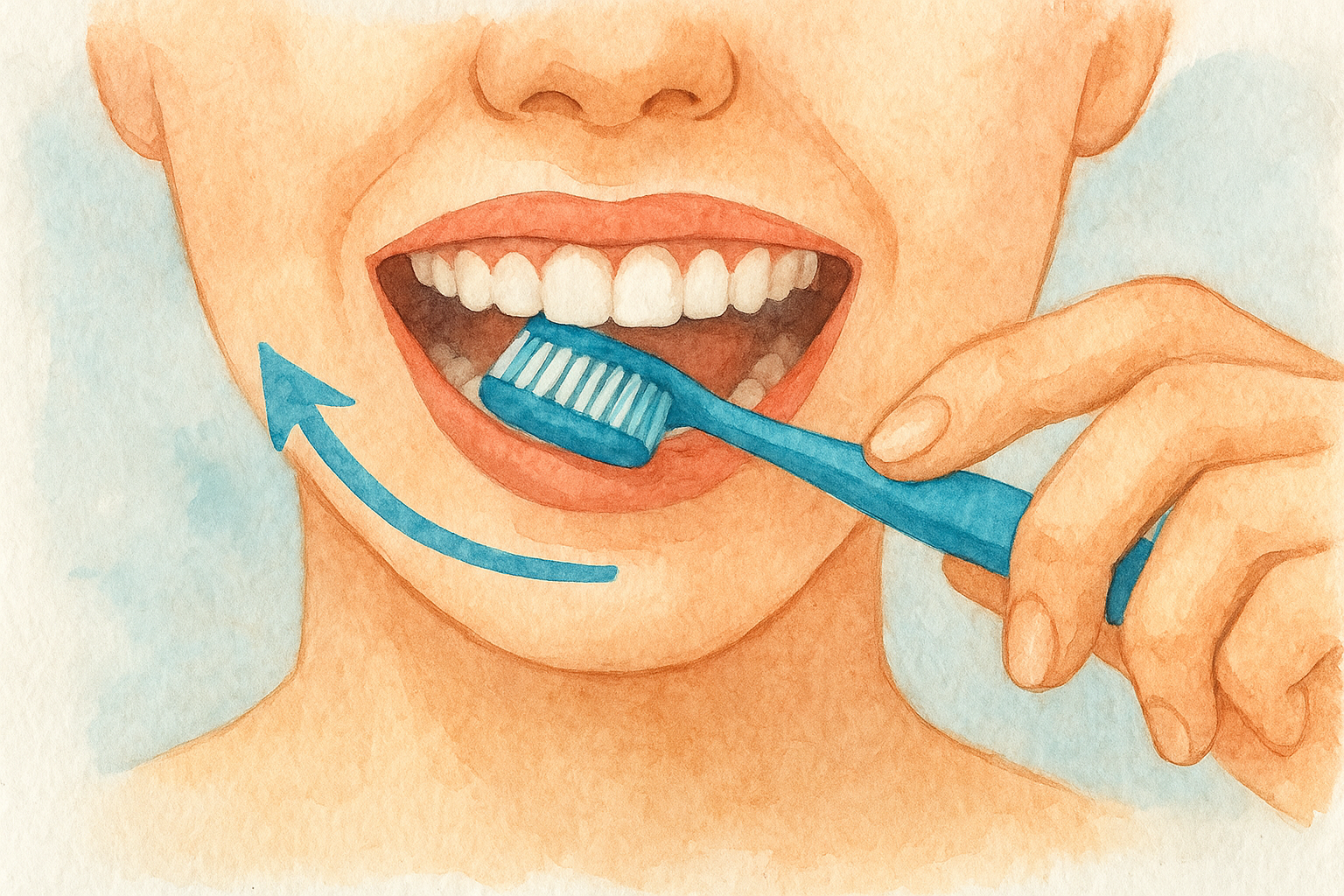
Choosing a toothbrush that is gentle and effective
Soft bristles clean effectively without abrading enamel or causing gum recession that hard or medium bristles can trigger. Electric toothbrushes with pressure sensors help you avoid brushing too hard while built in timers ensure you brush for the full two minutes. Manual brushes work just as well when you use proper technique so choose whichever option you will use consistently twice daily.
Extra tips like brushing your tongue and replacing brushes
Brushing your tongue removes bacteria that cause bad breath and contribute to plaque formation on teeth. Replace your toothbrush every three to four months or sooner if bristles fray or splay outward since worn brushes clean less effectively and can harbor more bacteria.
3. Clean between your teeth every day
Brushing alone misses about 35 percent of your tooth surfaces the tight spaces between teeth where plaque builds up and causes most cavities and gum problems. Daily interdental cleaning removes food particles and bacterial film from these hidden areas before they trigger inflammation or decay. This step matters just as much as brushing for anyone learning how to maintain dental health because your toothbrush bristles simply cannot reach the contact points where adjacent teeth touch.
Why flossing stops gum disease before it starts
Plaque between your teeth irritates your gums causing them to become red swollen and prone to bleeding which signals gingivitis the earliest stage of gum disease. Removing this plaque daily prevents the buildup from hardening into tartar that only professional cleaning can eliminate. Gingivitis reverses completely with consistent flossing but untreated cases progress to periodontitis which damages the bone supporting your teeth and can lead to tooth loss.
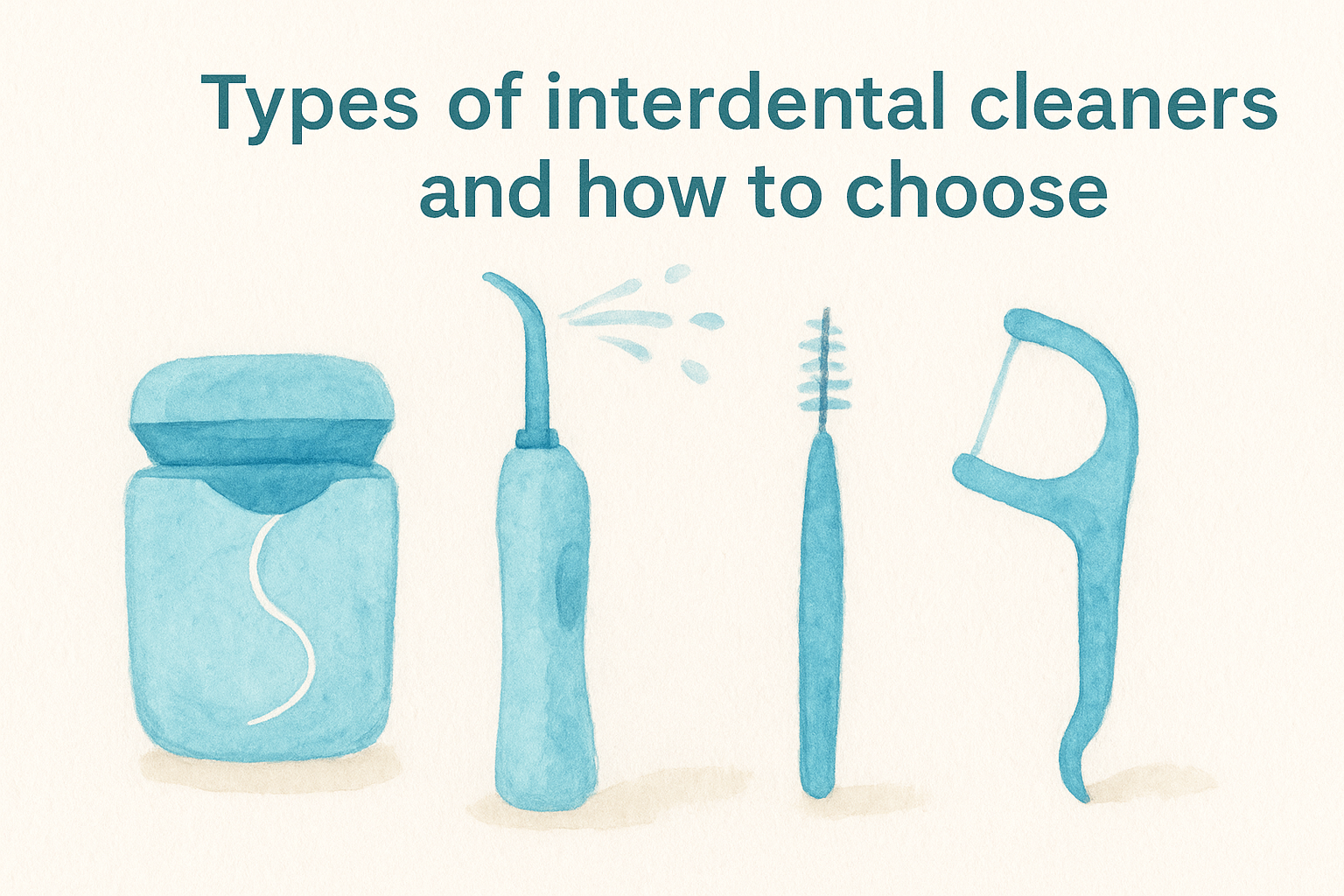
Types of interdental cleaners and how to choose
Traditional string floss works for most people and costs pennies per use making it the most accessible option for cleaning between teeth. Water flossers spray pulsating streams that flush out debris and massage gums making them ideal if you have braces sensitive gums or difficulty manipulating string floss. Interdental brushes with tiny bristled heads clean wider gaps effectively while floss picks combine convenience with portability for cleaning on the go.
How to use floss and water flossers without hurting gums
Curve floss into a C shape around each tooth and slide it gently up and down beneath the gumline using a fresh section for every tooth to avoid spreading bacteria. Water flossers should angle toward the gumline at medium pressure while you guide the tip slowly between each tooth pair pausing briefly in each space.
Proper flossing technique removes up to 80 percent more plaque than brushing alone.
Habit tricks to make daily flossing stick
Keep floss next to your toothbrush or in your shower so the visual cue reminds you to clean between teeth as part of your existing routine. Start with just your front six teeth if full mouth flossing feels overwhelming then gradually add more as the habit strengthens over several weeks.
4. Build a mouth friendly diet and routine
What you eat and drink affects your teeth just as much as your brushing habits because every bite and sip changes the pH balance and bacterial environment in your mouth. Understanding how to maintain dental health through dietary choices helps you prevent decay between meals and strengthen your enamel throughout the day. Your daily routine beyond brushing and flossing creates either a protective or destructive environment for your teeth depending on the choices you make.
How sugar acid and snacking impact your teeth
Sugar feeds the bacteria in your mouth that produce acid as a waste product and this acid erodes your enamel for up to 20 minutes after each exposure. Frequent snacking keeps your mouth in a constant acidic state that never allows your saliva to neutralize the pH and remineralize your teeth. Three meals daily causes less cumulative damage than seven small snacks even if the total sugar intake stays the same because your teeth get recovery time between eating episodes.
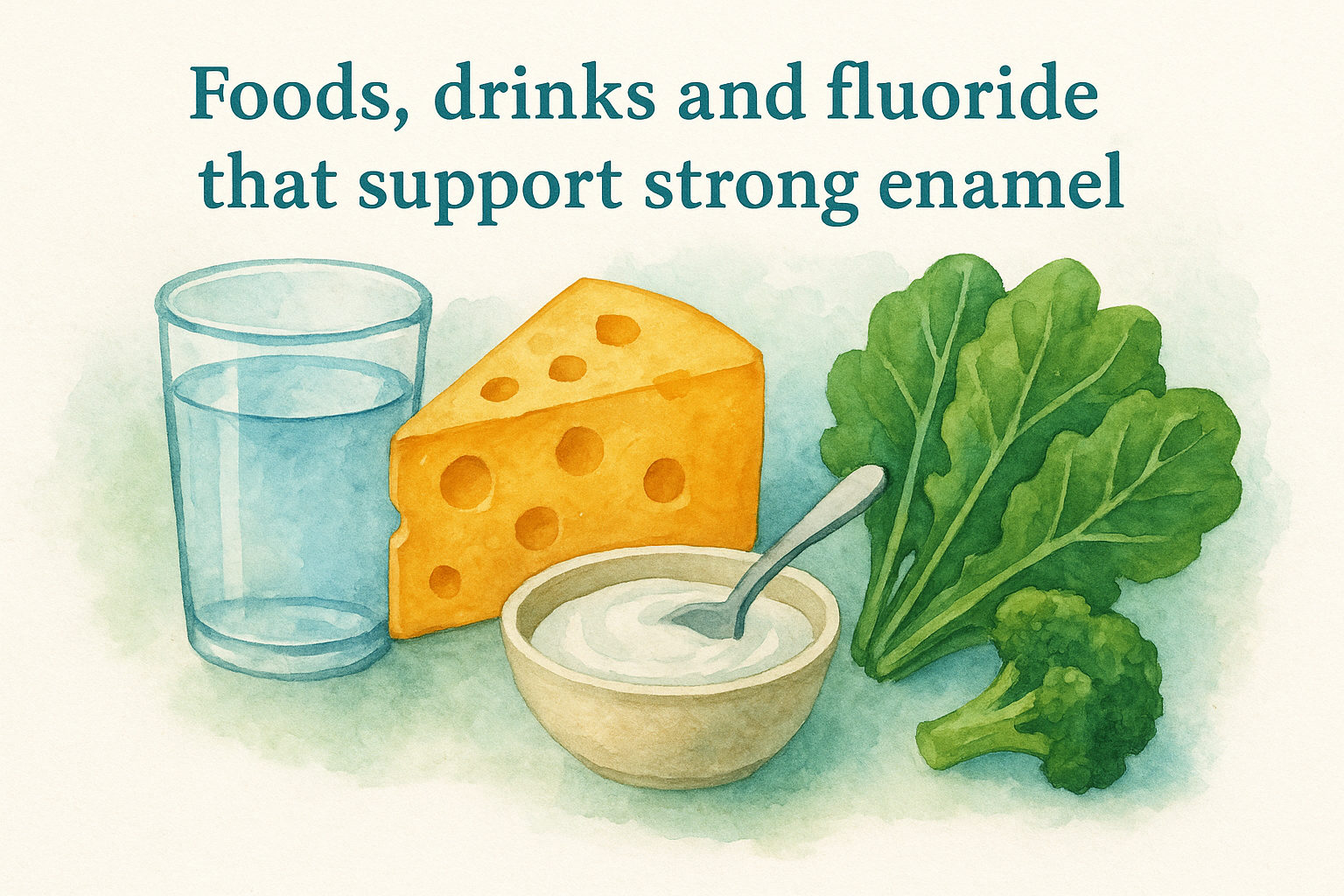
Foods drinks and fluoride that support strong enamel
Calcium rich foods like cheese yogurt and leafy greens provide the minerals your body needs to maintain strong tooth structure and bone. Crunchy vegetables stimulate saliva production which naturally washes away food particles and neutralizes acid while fluoridated tap water delivers continuous low level protection throughout the day.
Habits like sipping water and chewing sugar free gum
Drinking water after meals rinses away food debris and helps restore a neutral pH more quickly than leaving residue on your teeth. Chewing sugar free gum with xylitol for 20 minutes after eating stimulates saliva flow and provides an extra layer of acid neutralization when brushing is not immediately convenient.
Saliva production increases by up to 10 times when you chew gum which accelerates acid clearance from tooth surfaces.
Why avoiding tobacco and vaping protects your mouth
Smoking restricts blood flow to your gums which impairs healing and makes you significantly more susceptible to severe gum disease and tooth loss. Vaping exposes your mouth to chemicals that dry out soft tissues and create conditions where harmful bacteria thrive leading to faster plaque buildup and inflammation.
Add ons like mouthwash and whitening foam for extra care
Antibacterial mouthwash reduces harmful bacteria when used daily but choose alcohol free formulas to prevent dry mouth that actually increases cavity risk. Whitening foam designed for night guards serves double duty by cleaning your appliance while brightening your teeth overnight without the sensitivity that strips cause.
5. Stay on top of checkups and early warning signs
Home care prevents most dental problems but professional monitoring catches issues you cannot see or feel in their earliest stages when treatment costs less and preserves more of your natural tooth structure. Regular dental visits complement your daily routine by removing hardened tartar that brushing and flossing miss while screening for cavities gum disease and oral cancer. Knowing how to maintain dental health means recognizing when your home efforts need professional backup and understanding what your dentist looks for during preventive care.
How often to schedule cleanings and checkups
Most people need professional cleanings every six months to remove calcified plaque and check for new decay or gum inflammation. Your dentist may recommend visits every three to four months if you have a history of gum disease or conditions like diabetes that increase your oral health risks.
Warning signs in your mouth you should not ignore
Bleeding gums during brushing signal inflammation that requires attention before it progresses to bone loss. Watch for persistent bad breath, loose teeth, tooth sensitivity, jaw pain, or mouth sores lasting more than two weeks and schedule an appointment promptly when these symptoms appear.
Catching gum disease in its early stage prevents up to 90 percent of potential tooth loss.
What to expect during preventive dental visits
Your hygienist scales away tartar buildup and polishes your teeth while your dentist examines each tooth for decay and checks your gums for pockets that indicate disease progression.
How to coordinate home tools like Remi products with your dentist
Bring your night guard to appointments so your dentist can check the fit and adjust it if your bite has shifted. Mention any new oral care products you use including whitening foam or water flossers to ensure they support rather than conflict with your treatment plan.
Bringing it all together
Learning how to maintain dental health requires consistent daily habits combined with professional care and smart product choices. Your teeth respond to what you do every single day from the way you brush to the foods you choose to the protection you use at night. Start with one or two changes that address your biggest concerns whether that means switching to fluoride toothpaste or finally protecting your teeth from grinding with a custom night guard. Small improvements compound over time to keep your smile healthy and strong for decades to come.

