
 Guards + Retainers
 Custom Night Guard
 Retainer
 Emergency Order

 Whitening
 Whitening Kit
 Teeth Whitening Gel
 Dual-Action Foam
 Cleaning + Care
 Ultrasonic Cleaner Pro
 Water Flosser
 UV Toothbrush Sanitizer
 Deep Clean + Freshening Tablets
 Accessories
 Guard Removal Tool
 Replacement Nozzles
 Bundles

You wake up with a pounding headache. Your jaw aches. Your partner mentions hearing grinding sounds through the night. These signs point to sleep bruxism, the medical term for grinding or clenching your teeth while you sleep.
Unlike daytime grinding that you can catch and stop, nighttime teeth grinding happens unconsciously. You have zero control over it. This makes it harder to address and more likely to cause lasting damage to your teeth, jaw, and overall sleep quality.
The causes range from everyday stress and anxiety to underlying sleep disorders like sleep apnea. Certain medications can trigger it. Your bite alignment might play a role. Even lifestyle habits like drinking alcohol or consuming too much caffeine can make you more prone to grinding at night.
This article breaks down the main causes of nighttime teeth grinding, explains who faces the highest risk, and shows you what you can do to protect your teeth while addressing the root problems. Understanding why you grind helps you find the right solution.
Why nighttime teeth grinding matters
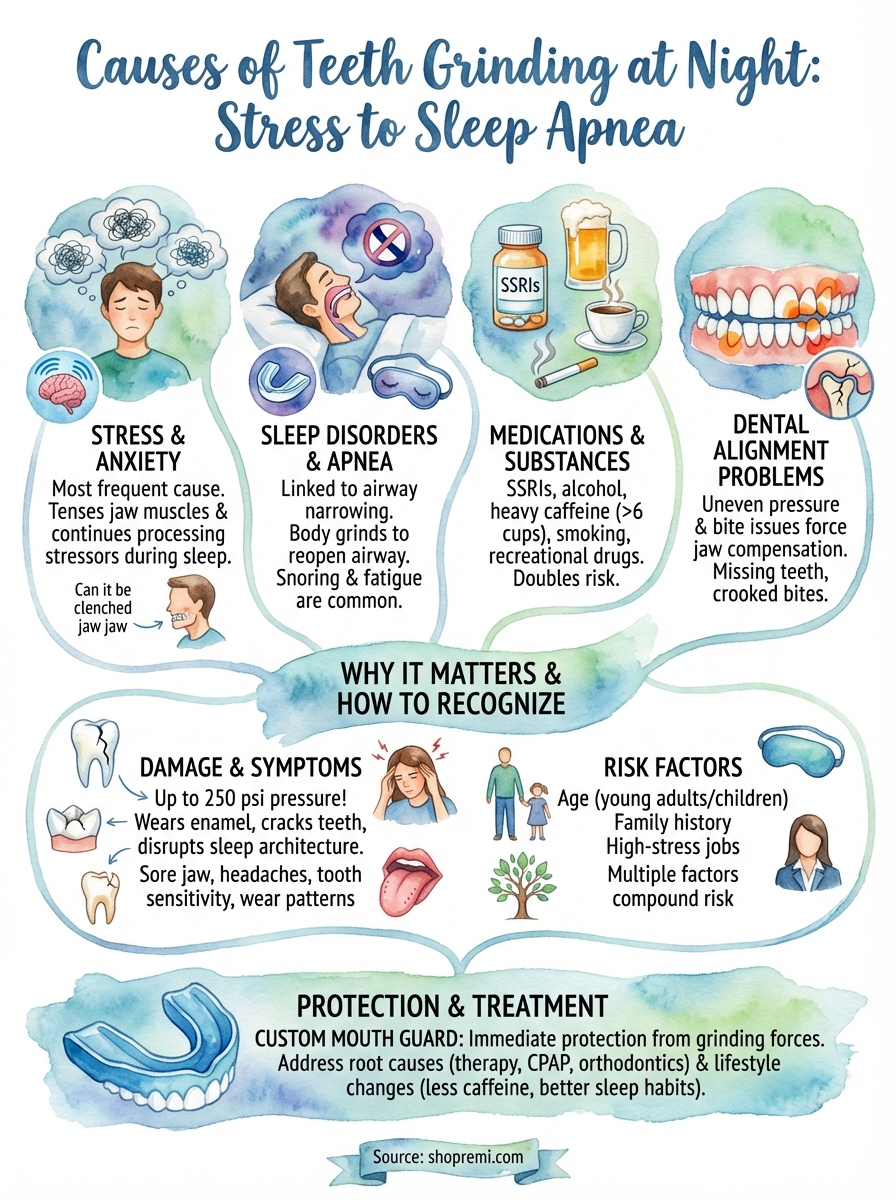
Sleep bruxism puts constant pressure on your teeth and jaw without any conscious awareness on your part. You apply forces up to 250 pounds per square inch while grinding at night. This sustained pressure wears down enamel, cracks teeth, and damages existing dental work like crowns and fillings. The damage accumulates over months and years.
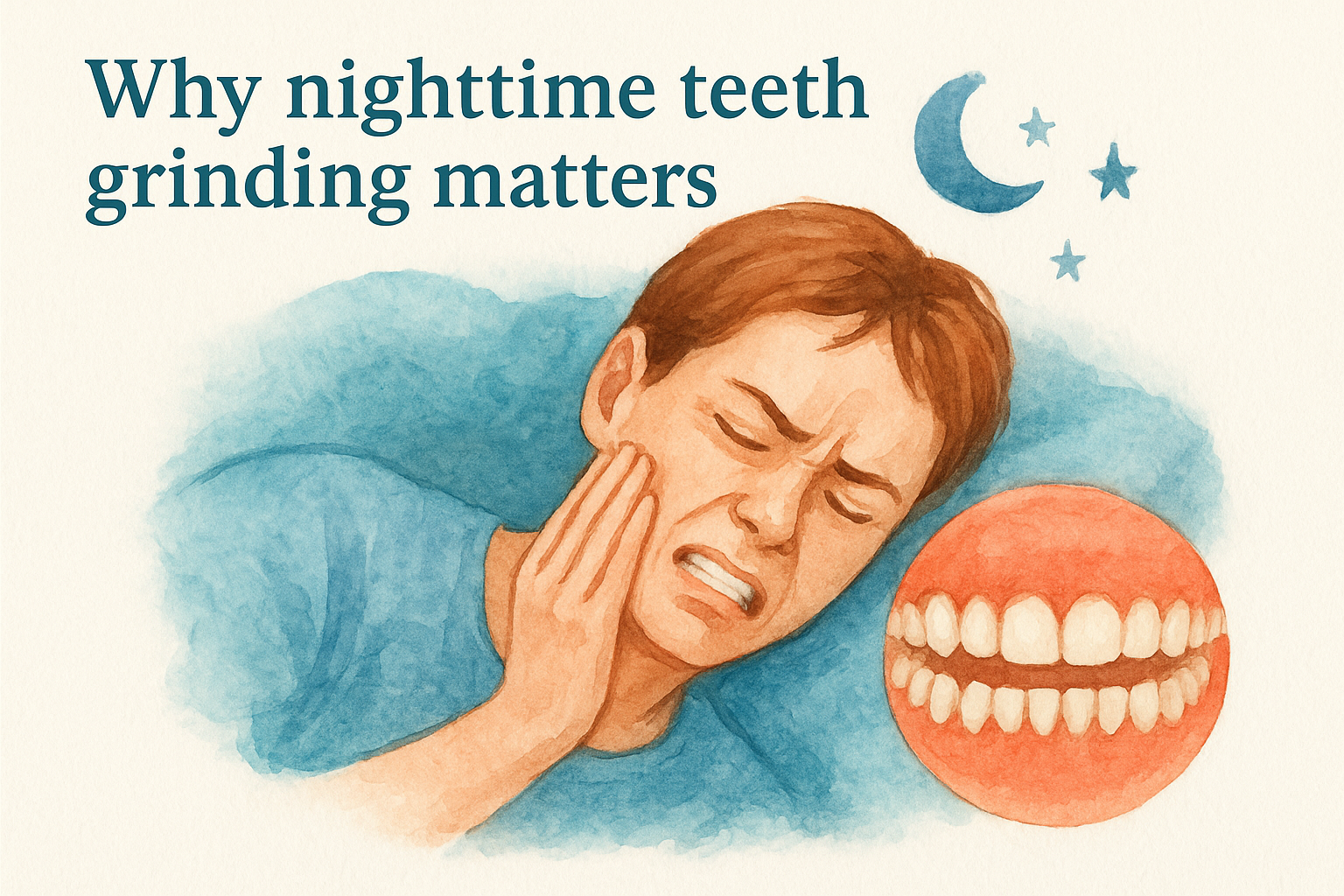
Beyond dental damage, nighttime grinding disrupts your sleep architecture and prevents you from reaching deep, restorative sleep stages. Your jaw muscles never relax. This leads to chronic facial pain, persistent headaches, and temporomandibular joint (TMJ) disorders that affect your ability to eat and speak comfortably. Understanding the causes of teeth grinding at night helps you stop the cycle before it leads to costly dental repairs or chronic pain conditions.
Sleep bruxism can cause irreversible tooth damage and chronic pain if left untreated.
How to recognize teeth grinding while you sleep
You cannot feel yourself grinding teeth during sleep, which makes detection difficult. Your body gives you indirect signals the next morning. Wake up with a sore jaw, tight facial muscles, or unexplained headaches concentrated around your temples. These symptoms appear most noticeably after you first wake up and fade throughout the day. Recognizing these signs helps you identify the problem before investigating the causes of teeth grinding at night.
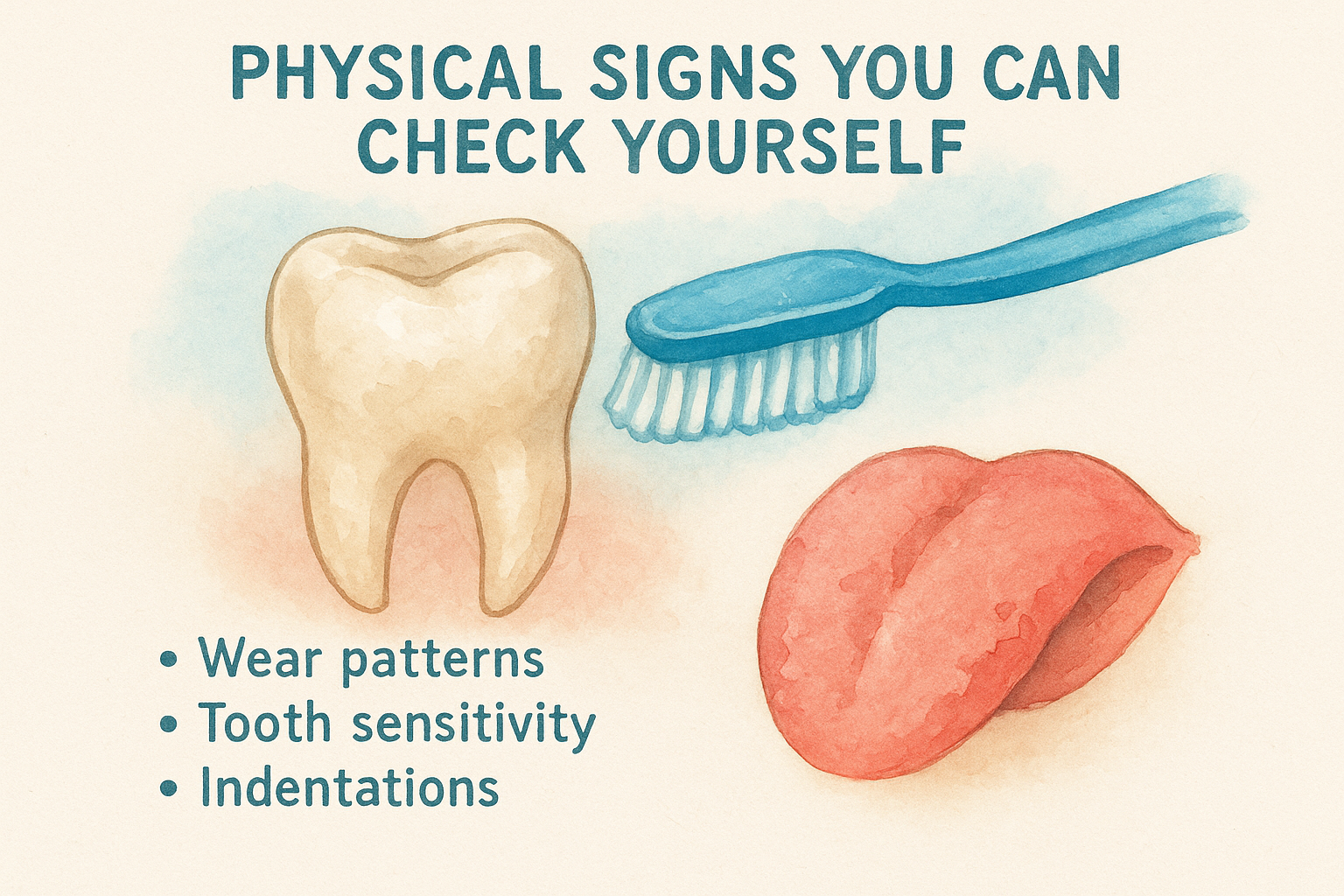
Physical signs you can check yourself
Look for specific wear patterns on your teeth when you brush. Your molars show flat surfaces where cusps used to exist. Tooth sensitivity increases when you drink cold liquids or eat hot foods. Your tongue or inner cheeks develop indentations or bite marks along the edges. Broken dental work, chipped teeth, or loose fillings signal grinding activity during the night that requires immediate attention.
What others might notice
Your partner provides the most direct evidence of nighttime grinding. They hear grinding sounds or clicking noises while you sleep. These sounds range from faint scraping to loud crunching that disturbs their sleep. Ask them to record audio on their phone if they notice the sounds. A sleep study captures definitive proof and helps identify connections between grinding and other sleep disorders.
Recording grinding sounds provides concrete evidence to share with your dentist or doctor.
Main causes of teeth grinding at night
Multiple factors contribute to nighttime teeth grinding, often working together rather than in isolation. Understanding the specific causes of teeth grinding at night helps you identify which factors affect you and guides your treatment approach. The most common triggers include stress, sleep disorders, medications, and physical dental issues.
Stress and anxiety as primary triggers
Emotional stress ranks as the most frequent cause of sleep bruxism. When you experience anxiety, work pressure, or relationship conflicts during the day, your brain continues processing these stressors during sleep. Your body responds by tensing your jaw muscles and grinding your teeth unconsciously. People with anxiety disorders or depression show higher rates of nighttime grinding compared to the general population. The grinding intensifies during particularly stressful periods and often decreases when stress levels drop.
Sleep disorders and breathing problems
Sleep apnea creates a strong connection with nighttime teeth grinding. Your airway narrows or closes repeatedly during sleep, reducing oxygen flow. Your body responds by grinding your teeth in an attempt to reopen the airway and restore normal breathing. Snoring, restless sleep, and morning fatigue alongside grinding suggest sleep apnea as the underlying cause. Other sleep disorders like insomnia also increase grinding frequency through disrupted sleep patterns.
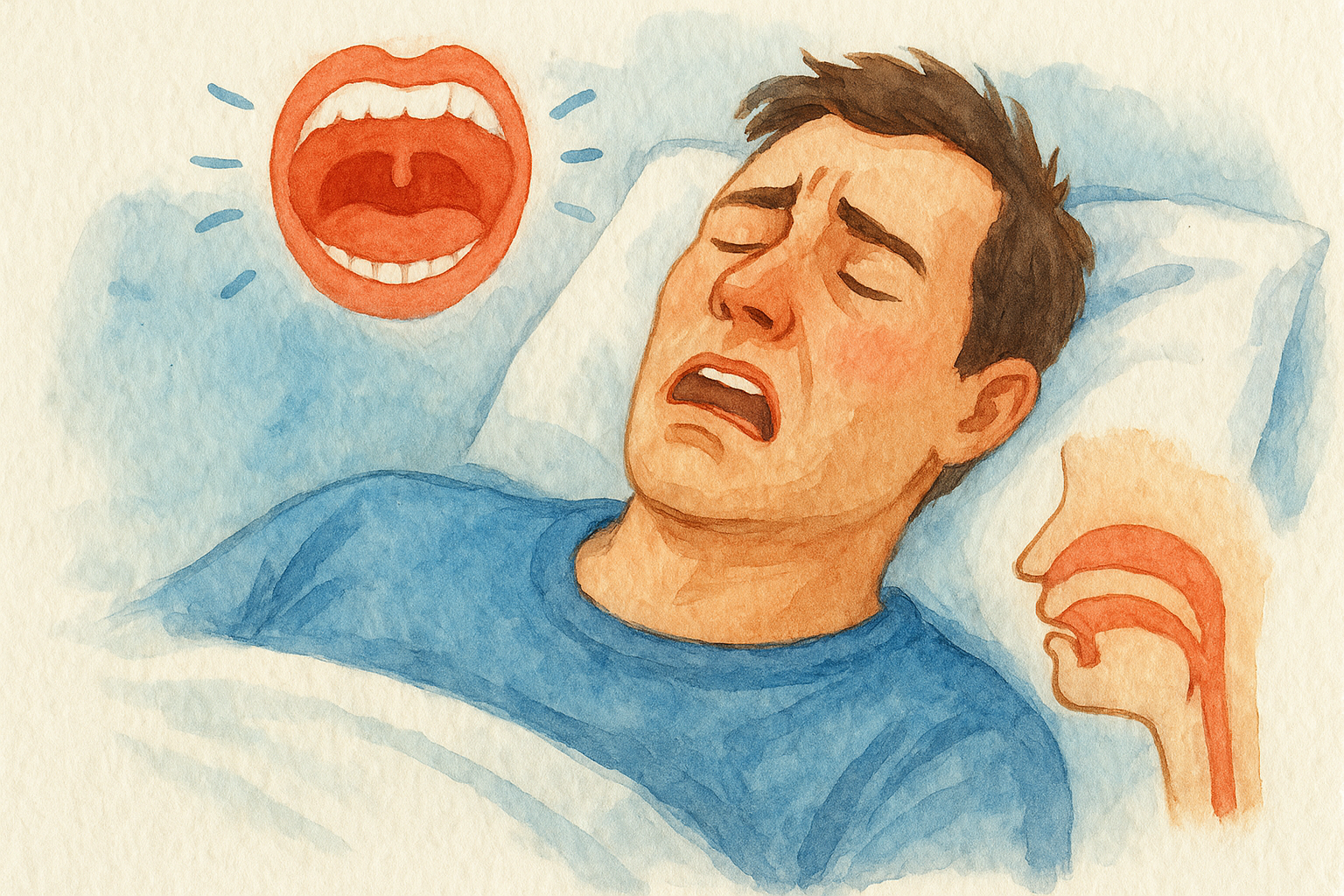
Sleep apnea and teeth grinding often occur together, requiring treatment for both conditions.
Medications and lifestyle substances
Certain antidepressants, particularly selective serotonin reuptake inhibitors (SSRIs), trigger teeth grinding as a side effect. Your brain chemistry changes affect muscle control during sleep. Alcohol consumption relaxes your throat muscles initially but disrupts sleep quality later in the night, increasing grinding episodes. Heavy caffeine intake (six or more cups daily), smoking, and recreational drugs like cocaine or ecstasy double your risk of developing sleep bruxism.
Dental alignment problems
Bite issues create uneven pressure distribution across your teeth, causing your jaw to seek a more comfortable position during sleep through grinding movements. Missing teeth, crooked teeth, or poorly fitted dental work force your jaw muscles to compensate unconsciously. Your nervous system detects these irregularities and attempts correction through grinding, particularly during lighter sleep stages.
Risk factors and who is most at risk
Several risk factors increase your likelihood of developing nighttime teeth grinding beyond the direct causes of teeth grinding at night. Your age plays a significant role, with children, teenagers, and young adults experiencing bruxism most frequently. Family history matters too. If your parents ground their teeth, you face a higher genetic predisposition to develop the same habit. Understanding these risk factors helps you assess your personal vulnerability.
Age and lifestyle patterns
Children grind their teeth more often than adults, though most outgrow the habit by adulthood without intervention. Adults who smoke tobacco, drink alcohol regularly, or consume excessive caffeine face double the risk of developing sleep bruxism compared to those who avoid these substances. People with high-stress occupations or competitive personality types show increased grinding rates. Your risk compounds dramatically when multiple factors combine, such as daily stress plus heavy caffeine consumption plus a family history of bruxism.
Multiple risk factors working together significantly increase your chances of developing sleep bruxism.
How to address the causes and protect your teeth
Treating nighttime teeth grinding requires a two-part approach: protecting your teeth from immediate damage while addressing the underlying causes of teeth grinding at night. Your dentist can create a custom mouth guard that fits your teeth precisely and cushions grinding forces while you sleep. This protection prevents further damage as you work on the root causes. Tackling both aspects simultaneously gives you the best chance of stopping bruxism completely.
Get a custom mouth guard for immediate protection
A professionally fitted mouth guard provides immediate relief and prevents costly dental damage while you address deeper issues. Custom guards outperform drugstore options because they fit your exact bite pattern and distribute grinding forces evenly across all teeth. You wear the guard every night, positioning it over your upper or lower teeth before sleep. Professional guards last two to five years with proper care, making them worth the investment compared to replacing damaged teeth or dental work.
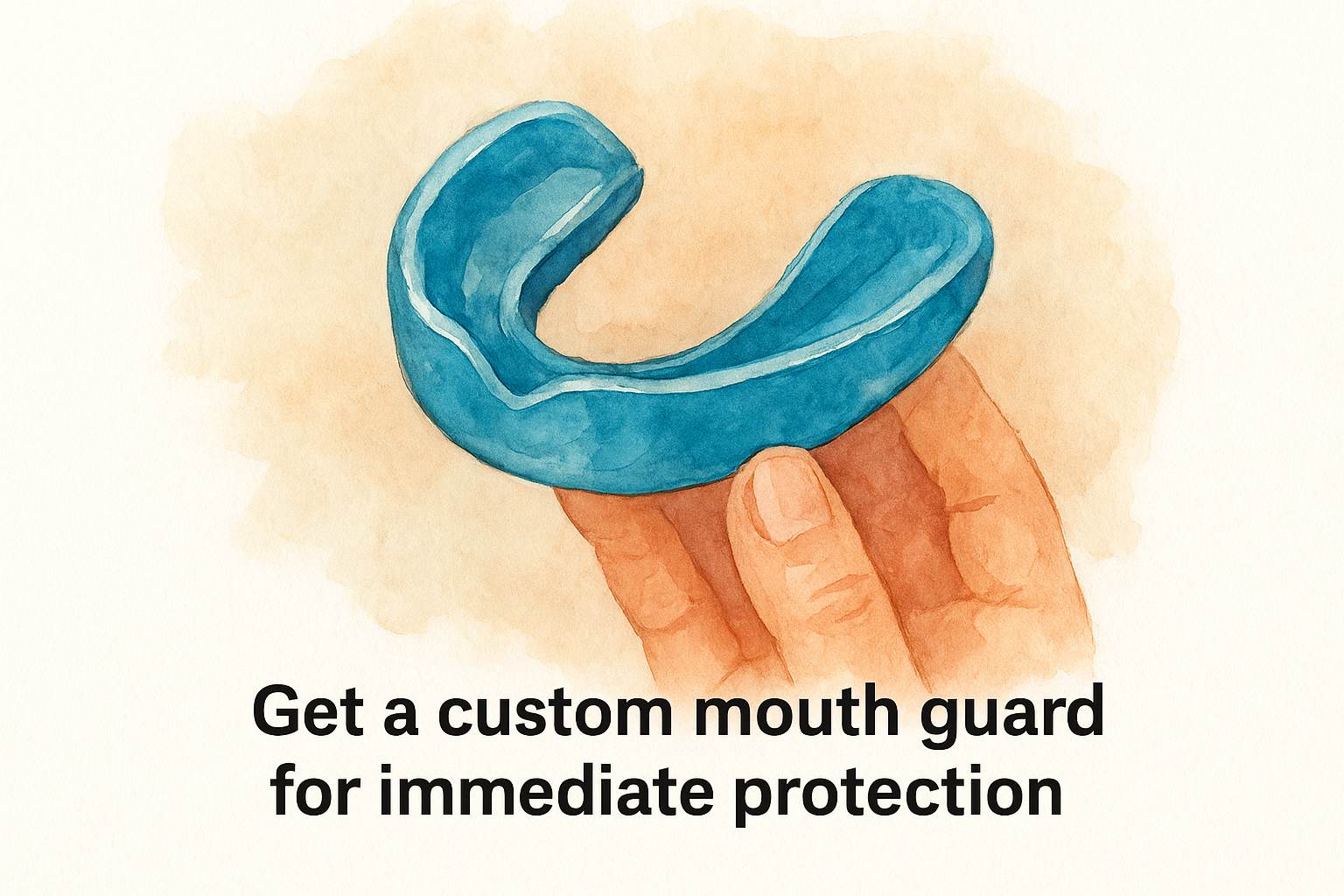
A custom mouth guard protects your teeth immediately while you work on solving the underlying causes.
Address underlying causes directly
Your doctor or dentist helps you tackle the specific triggers causing your grinding. If stress drives your bruxism, consider cognitive behavioral therapy, meditation, or regular exercise to lower anxiety levels. Sleep apnea requires medical treatment like a CPAP machine to restore normal breathing patterns during sleep. Talk to your doctor about switching medications if your current prescriptions list bruxism as a side effect. Fixing dental alignment problems through orthodontics or replacing missing teeth removes physical causes that force your jaw into grinding patterns.
Make lifestyle changes that reduce grinding
Cut your caffeine intake to fewer than three cups daily and stop consuming caffeine after 2 PM. Avoid alcohol within three hours of bedtime since it disrupts sleep quality despite initial drowsiness. Establish a consistent sleep schedule by going to bed at the same time nightly and creating a dark, quiet bedroom environment. These changes reduce grinding frequency even when other causes persist.
Key takeaways
Understanding the causes of teeth grinding at night helps you take targeted action. Stress and anxiety trigger the majority of cases, while sleep apnea, medications, and dental alignment problems contribute significantly. You face higher risk if you consume excessive caffeine, drink alcohol regularly, smoke, or have a family history of bruxism. The damage happens unconsciously during sleep, making early recognition through jaw pain, headaches, and tooth wear patterns critical for prevention.
Protecting your teeth requires immediate action combined with long-term solutions. A custom-fitted mouth guard shields your teeth from grinding damage while you address underlying causes through stress reduction, lifestyle changes, or medical treatment for sleep disorders. The sooner you act, the less damage your teeth sustain.
Get a custom night guard that fits your exact bite pattern and protects your teeth every night. Professional-grade protection costs a fraction of dental office prices and prevents expensive repairs down the road.

