


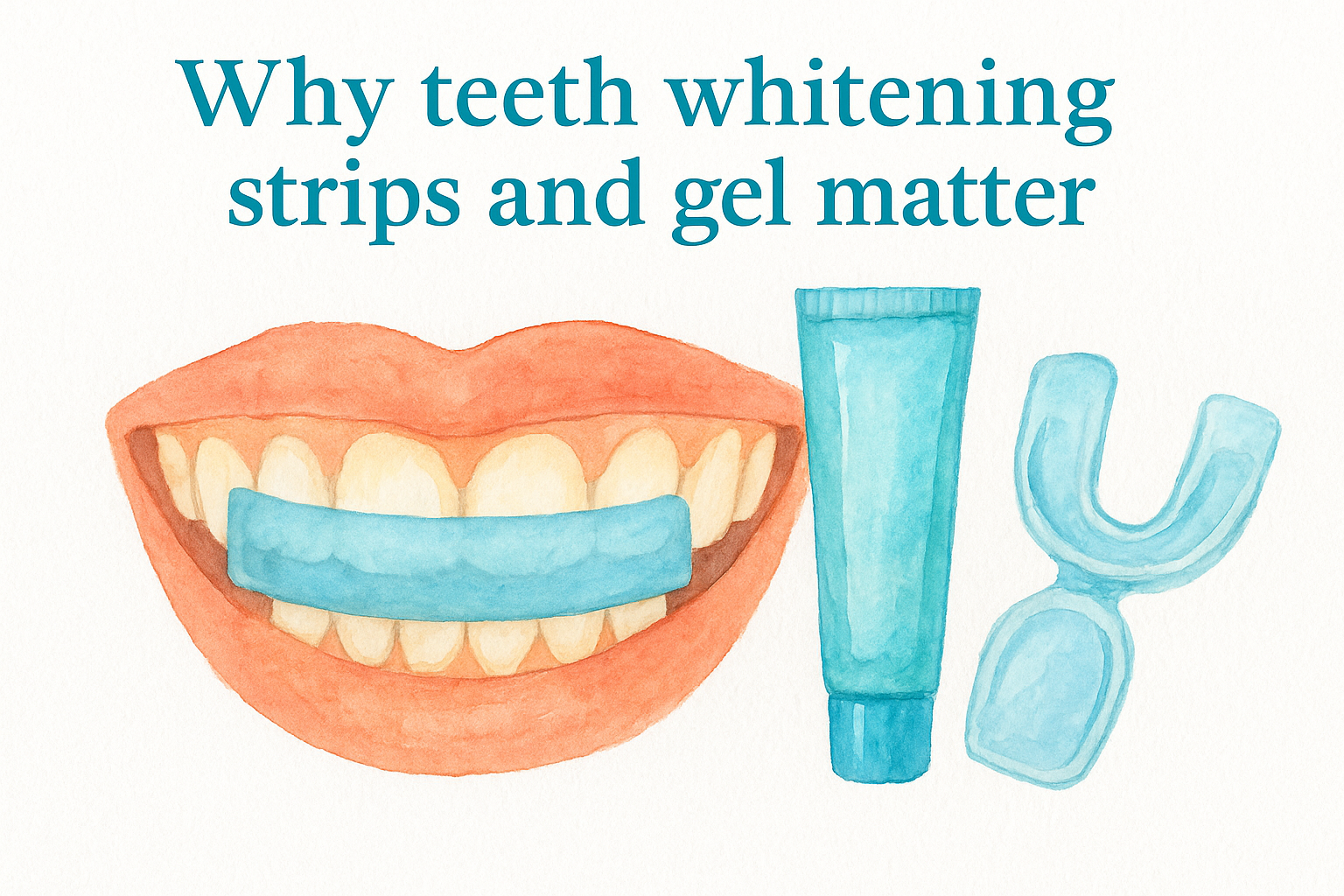
You want whiter teeth and you are standing in the drugstore aisle staring at two options. Teeth whitening strips are thin flexible pieces of plastic coated with a bleaching agent that you press onto your teeth. Teeth whitening gel is a thicker formula that you apply with a tray or brush. Both use peroxide to break down stains but they work differently and produce different results.
This guide walks you through everything you need to know to pick the right option. We will compare how strips and gel work, what ingredients they contain, and which fits your lifestyle best. You will also learn about safety concerns, sensitivity issues, and cost differences so you can make a smart choice that gets your smile brighter without wasting money or damaging your teeth.
Why teeth whitening strips and gel matter
Your smile affects how confident you feel every day. Stained or yellowed teeth can hold you back from laughing freely in photos or speaking up at work. Both strips and gel can reverse years of discoloration from coffee, tea, wine, and aging without requiring expensive dental visits. Professional whitening at a dentist can cost anywhere from $300 to $1,000, while over-the-counter options run between $20 and $100.
The right whitening method saves you money and delivers results that match your schedule and sensitivity level.
Understanding the teeth whitening strips vs gel debate helps you avoid wasting money on products that don't fit your needs. Strips work best for quick touch-ups and people with minimal staining, while gel paired with trays reaches deeper stains and covers every tooth surface. Your choice determines how fast you see results, how long those results last, and whether you experience tooth sensitivity. Making the wrong pick means you might give up on whitening entirely or spend twice as much trying different products.
How to choose between strips, gel, and other options
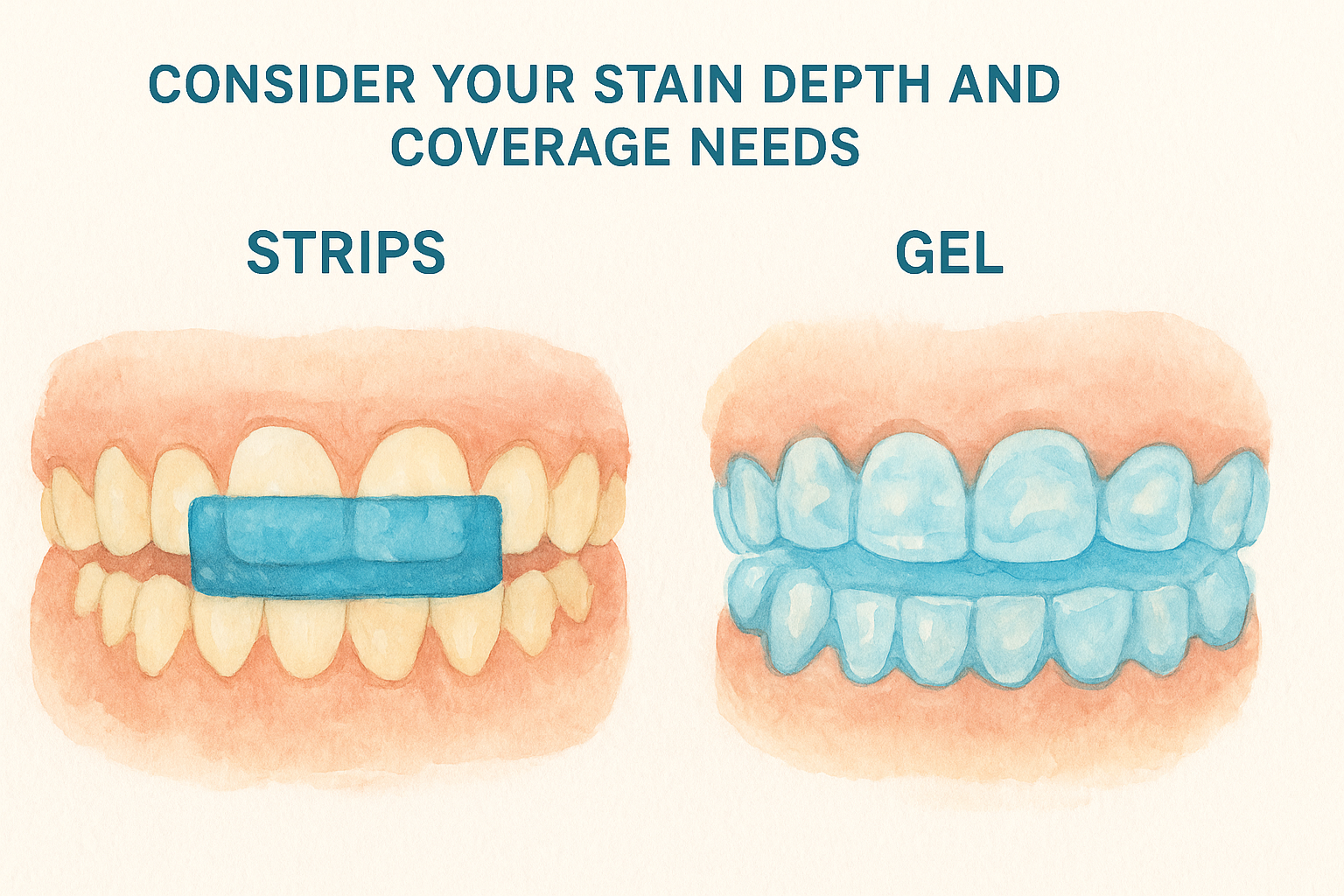
Your teeth condition and daily habits determine which whitening method works best. Start by looking at your teeth in natural light and identify whether you see surface stains (yellow tint on the front) or deeper discoloration that extends to the sides and back. Surface stains respond well to strips, while deeper or older stains need the penetrating power of gel in custom trays. If you only need to brighten the front six teeth that show when you smile, strips cover that area. People who want every tooth whitened evenly, including molars, should use gel with trays.
Consider your stain depth and coverage needs
Strips work for light to moderate staining from daily coffee or tea drinking. They target the visible front surface but miss the spaces between teeth and the back surfaces entirely. Gel with trays surrounds each tooth completely and reaches into crevices and hard-to-access areas that strips cannot touch. You will see faster results with gel if your teeth have turned noticeably yellow from years of smoking, red wine, or aging. The teeth whitening strips vs gel comparison becomes clear when you examine your specific discoloration pattern.
Match the method to your daily routine
Strips take 30 minutes to one hour per session and stick to your teeth while you move around your house. You can talk, work, or do light tasks during treatment. Gel in trays requires you to stay relatively still for 30 minutes to two hours depending on the formula strength. Consider how much time you can commit daily for one to two weeks and whether you prefer a grab-and-go option or a more intensive treatment that delivers professional-level results.
The method that fits your schedule consistently will give you better results than the strongest product you abandon after three days.
What goes into strips and gel
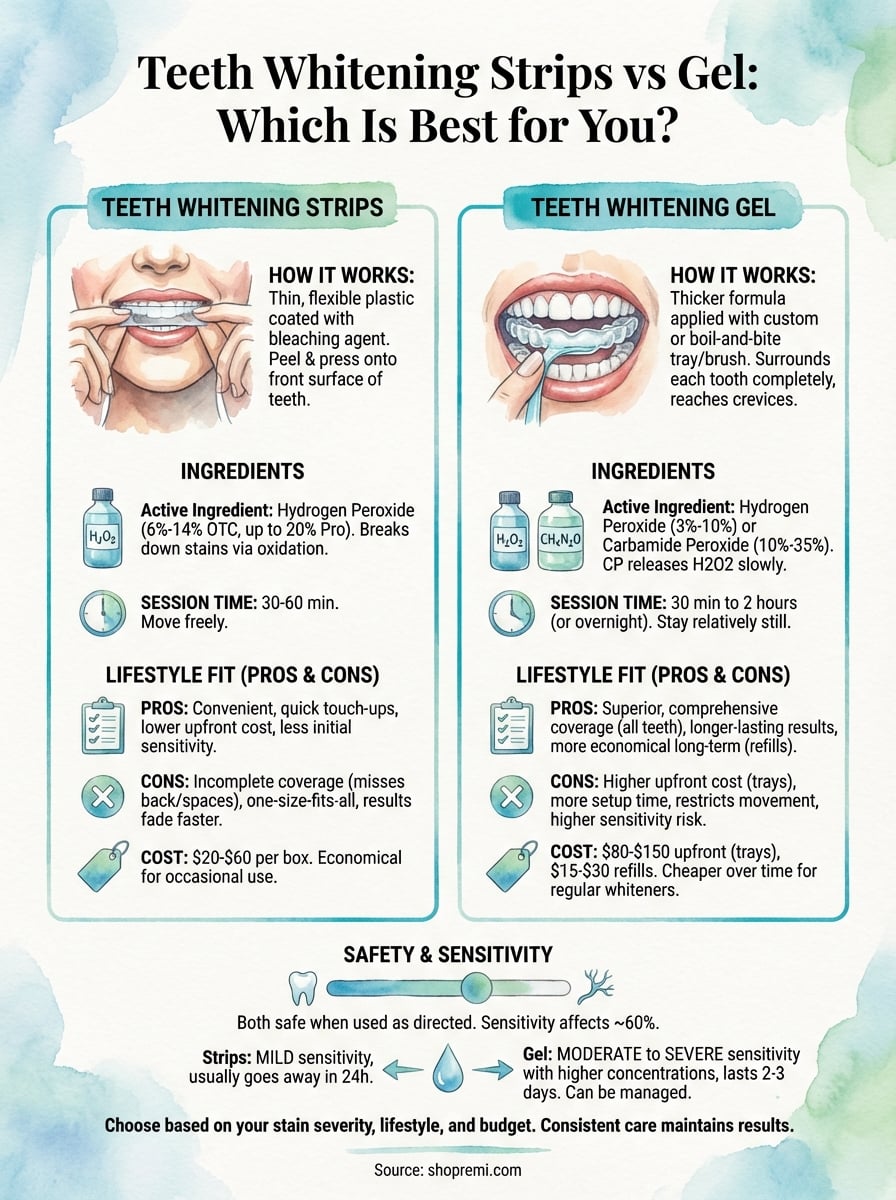
Both products use peroxide as the active whitening ingredient but differ in concentration and delivery. Whitening strips contain hydrogen peroxide ranging from 6% to 14% in over-the-counter versions, while professional strips reach up to 20%. Gel formulas use either hydrogen peroxide or carbamide peroxide, which breaks down into hydrogen peroxide in your mouth. Gel concentrations vary from 10% to 35% for carbamide peroxide or 3% to 10% for hydrogen peroxide. Higher concentrations work faster but increase sensitivity risk.
Peroxide concentrations and types
Hydrogen peroxide whitens teeth immediately when it contacts your enamel and breaks down stain molecules through oxidation. Carbamide peroxide releases hydrogen peroxide slowly over several hours, staying active longer but taking more time to show visible results. Strips almost always use hydrogen peroxide because thin plastic backing cannot hold gel for extended periods. Whitening gel in trays uses either type depending on whether you want quick results or prefer gentler overnight treatment.
The strength you choose should match your stain severity and sensitivity tolerance, not just promise the fastest whitening.
Other ingredients that matter
Gel and strip formulas include thickening agents like carbomer or glycerin to keep peroxide stable and in contact with teeth. Many products add potassium nitrate or fluoride to reduce sensitivity and strengthen enamel during whitening. Strips use adhesive polymers to stick to teeth without sliding, while gels rely on tray fit to hold formula in place. The teeth whitening strips vs gel ingredient comparison shows both can include desensitizing agents, but gel formulas often contain higher concentrations because they stay on teeth longer.
Pros, cons, and best fit for your lifestyle
Whitening strips win on convenience because you can apply them quickly and move around during treatment. Gel with custom trays delivers superior results but demands more setup time and restricts your movement while whitening. The teeth whitening strips vs gel decision comes down to whether you value speed and ease or comprehensive coverage and lasting brightness. Your schedule, budget, and stain severity determine which product serves you better.
Strips work for busy schedules and light staining
Strips cost less upfront at $20 to $60 per box and require no custom fitting or impression taking. You peel, stick, and continue your day while they work. They whiten visible front teeth in 7 to 14 days with minimal prep time. Drawbacks include incomplete coverage since strips miss back teeth and spaces between teeth, and the one-size-fits-all design leaves gaps on smaller teeth or overlaps on larger ones. Results fade faster than gel treatments because strips cannot hold high peroxide concentrations long enough for deep penetration.
Choose strips when you need quick touch-ups before events or when maintaining already white teeth without investing in custom trays.
Gel suits serious whitening goals and reusable needs
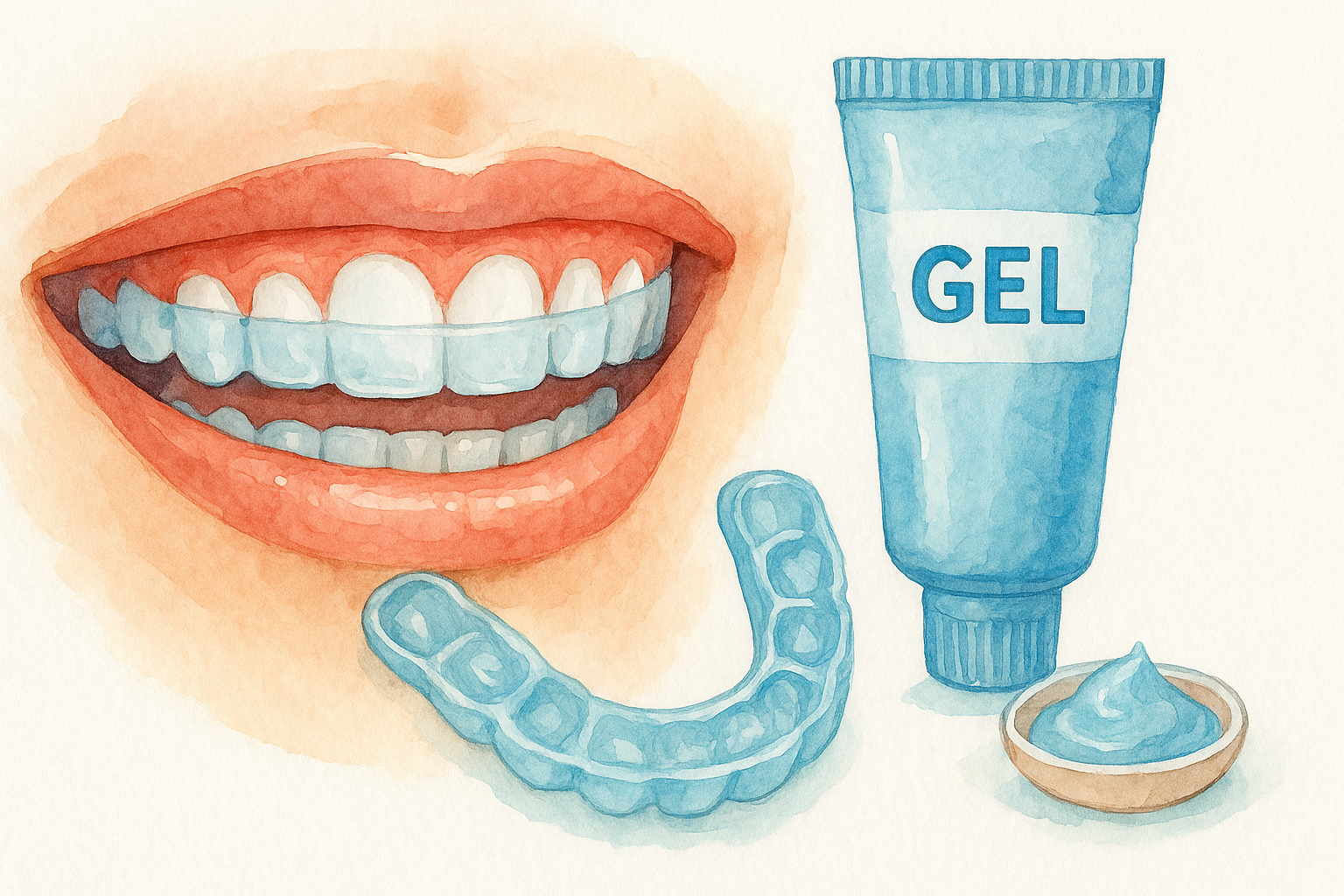
Custom trays with gel whiten every tooth surface including molars and hard-to-reach areas that strips cannot access. You buy trays once and restock affordable gel refills for years, making this more economical long term. Professional-strength gel removes stubborn stains from smoking, aging, or decades of coffee drinking. The main drawback is initial cost of $80 to $150 for custom trays and requiring 30 minutes to two hours of stationary treatment time. Gel works best for you if you want dramatic whitening that lasts six months to a year.
Safety, sensitivity, and cost
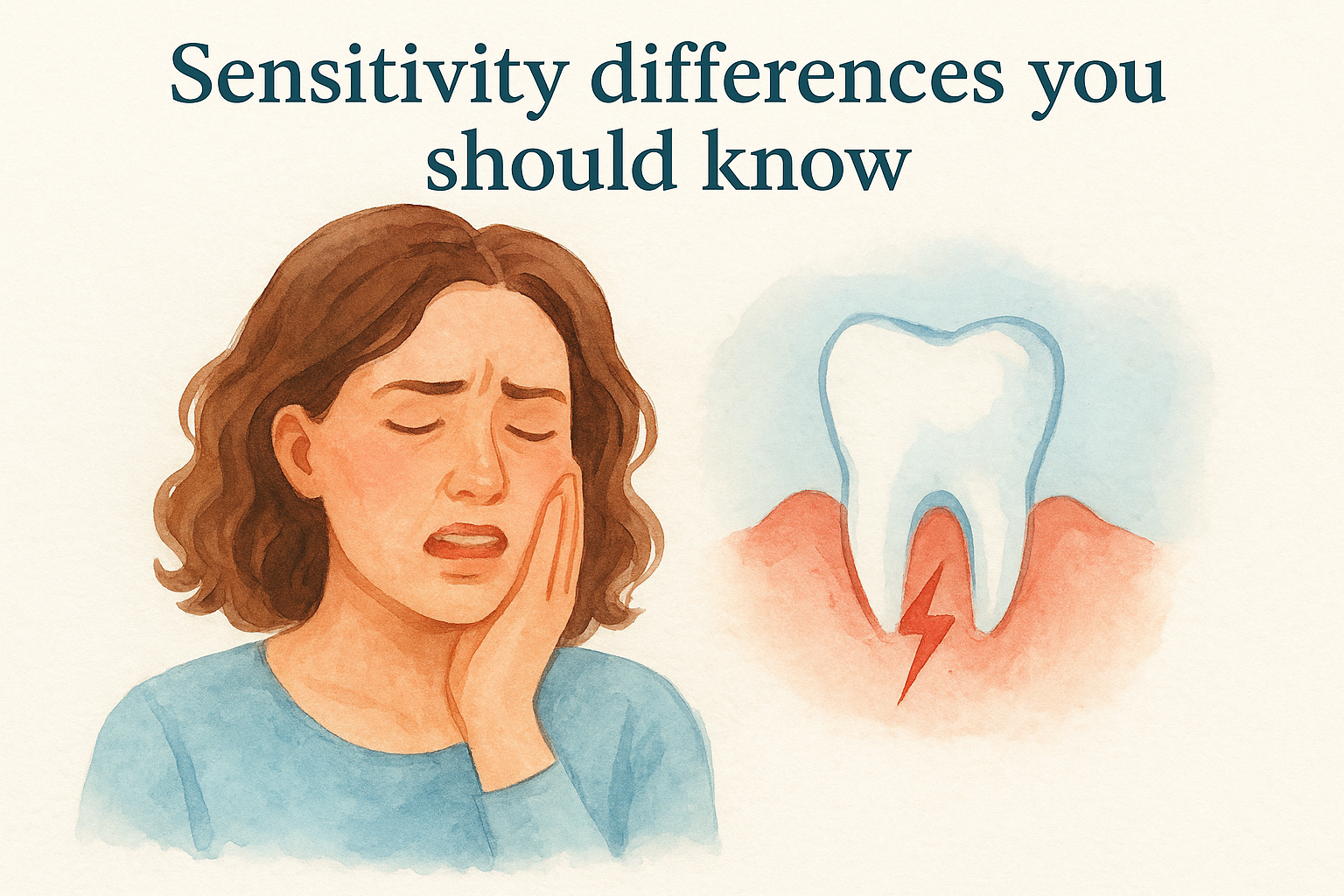
Both whitening methods are safe when you follow package directions, but sensitivity affects 60% of users to varying degrees. Strips cause less sensitivity initially because they contain lower peroxide concentrations and contact teeth for shorter periods. Gel in trays delivers stronger peroxide directly to enamel and can trigger sharp zingers when the formula touches exposed dentin near your gumline. The teeth whitening strips vs gel safety comparison shows neither damages healthy enamel permanently, but misuse of either product leads to gum irritation or temporary enamel weakening.
Sensitivity differences you should know
Strips produce mild sensitivity that usually disappears within 24 hours after treatment ends. Gel formulas with 20% to 35% carbamide peroxide create moderate to severe sensitivity during treatment that lasts two to three days. You can reduce gel sensitivity by using lower concentrations or applying desensitizing toothpaste for one week before whitening. People with receding gums or existing sensitivity should start with strips or the weakest gel formula available.
If sensitivity stops you from eating cold foods or drinking hot coffee, switch to a gentler formula or take a two-day break between treatments.
Cost breakdown over time
Strips cost $20 to $60 per box with 14 to 28 treatments, averaging $1.50 to $4.00 per use. Custom gel trays cost $80 to $150 upfront but gel refills run $15 to $30 for multiple whitening cycles. After three whitening sessions, gel becomes cheaper per treatment and delivers results that last twice as long as strips, making it more economical if you plan to whiten regularly.
Final thoughts
The teeth whitening strips vs gel debate has no universal winner because your specific needs determine the best choice. Strips deliver convenient results for light staining while gel with custom trays produces professional-level whitening that lasts longer and costs less over time. Start with the method that matches your stain severity and daily schedule, then maintain your bright smile with consistent oral care. A cordless water flosser removes stain-causing particles between teeth that regular brushing misses, helping you protect your whitening investment and keep your teeth brighter between treatments.

