
 Guards + Retainers
 Custom Night Guard
 Retainer
 Emergency Order

 Whitening
 Whitening Kit
 Teeth Whitening Gel
 Dual-Action Foam
 Cleaning + Care
 Ultrasonic Cleaner Pro
 Water Flosser
 UV Toothbrush Sanitizer
 Deep Clean + Freshening Tablets
 Accessories
 Guard Removal Tool
 Replacement Nozzles
 Bundles

Bruxism is the medical term for grinding, clenching, or gnashing your teeth, often without realizing you're doing it. It can happen during sleep or while you're awake, and over time, it wears down your teeth, strains your jaw muscles, and triggers headaches or facial pain. If you've been waking up with a sore jaw or your dentist has noticed unusual wear on your teeth, you're probably wondering what helps with bruxism and how to stop the damage before it gets worse.
This article walks you through proven treatments, exercises, and preventive measures that actually work. You'll learn why bruxism happens, how to recognize the symptoms, and when it's time to see a professional. We'll cover everything from stress management techniques and jaw exercises to dental guards and medical treatments, giving you practical options you can start using right away to protect your teeth and reduce discomfort.
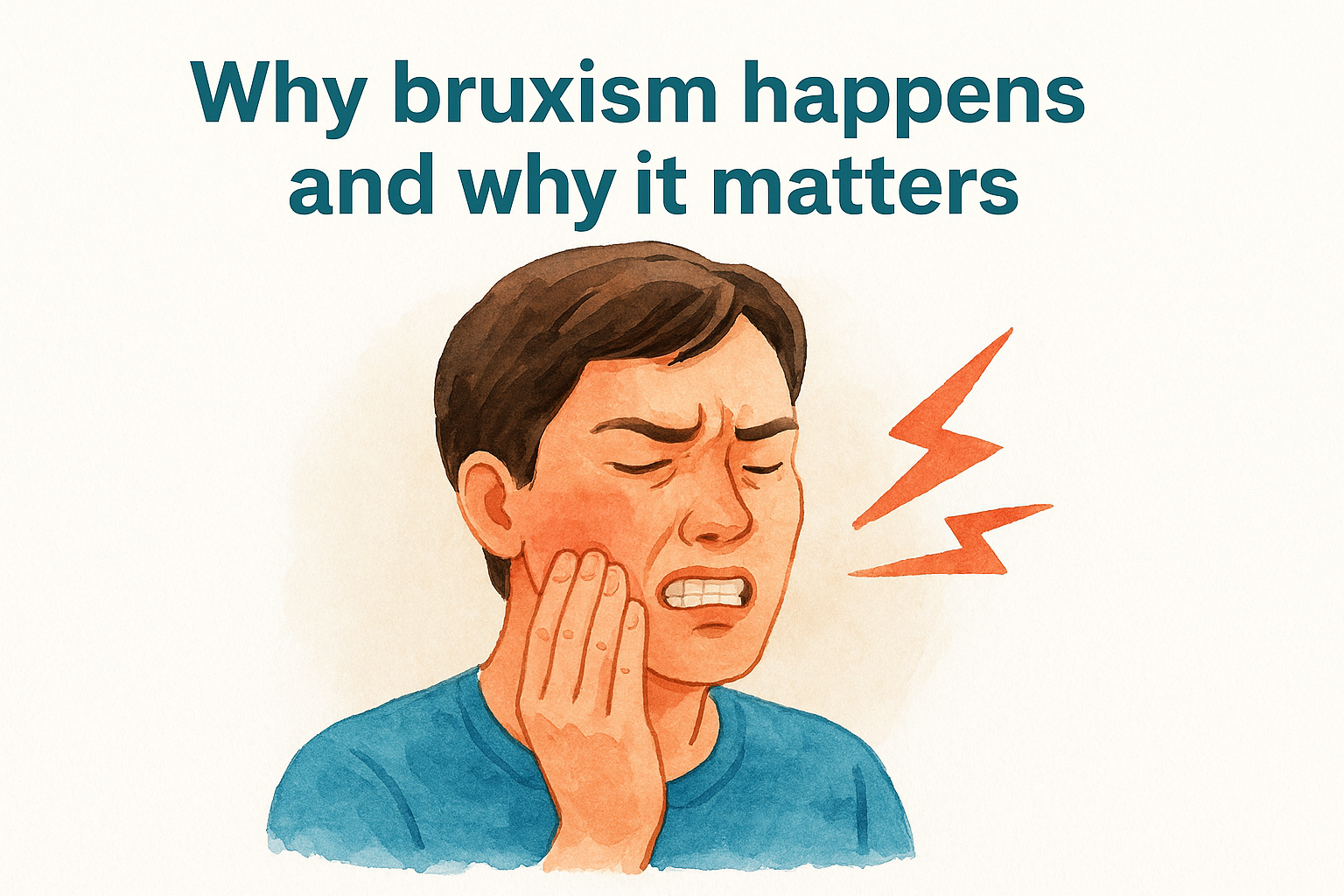
Why bruxism happens and why it matters
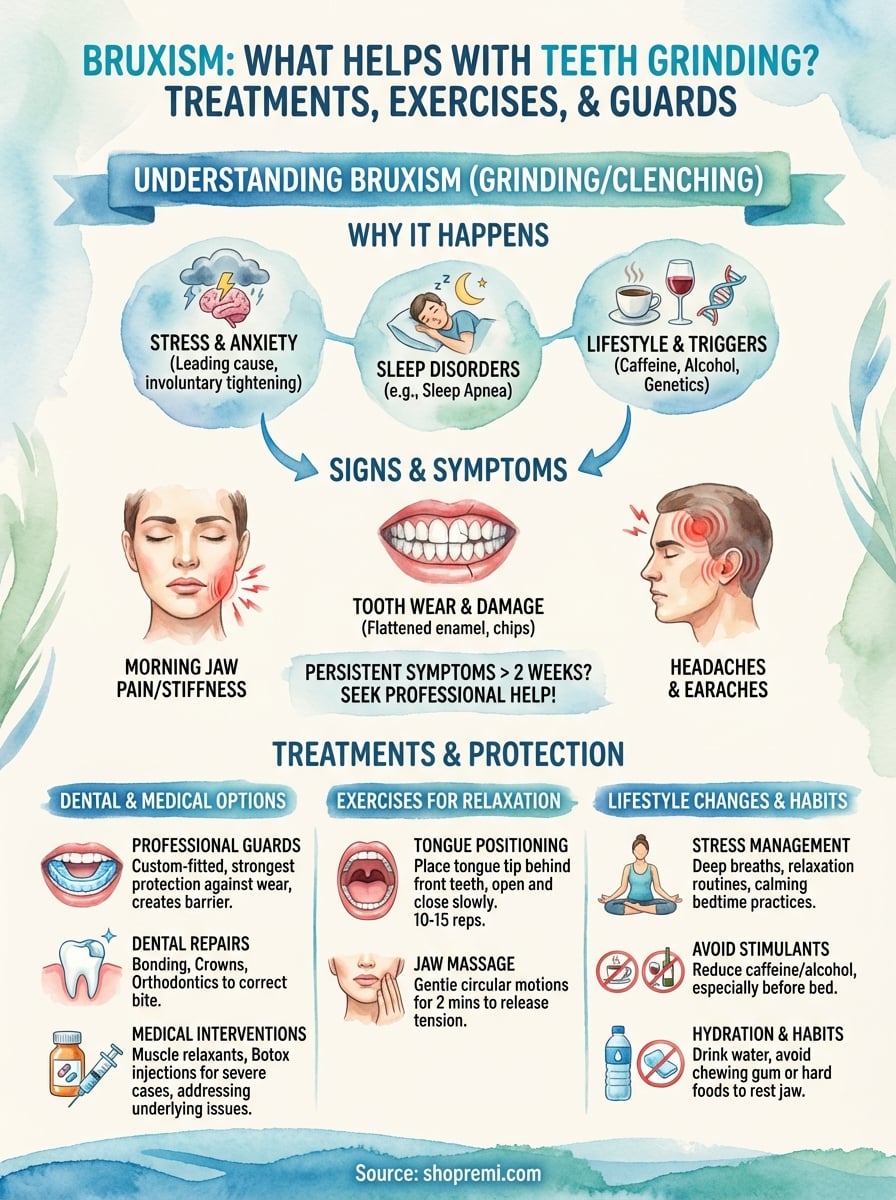
Understanding what triggers bruxism helps you figure out what helps with bruxism in your specific situation. Stress and anxiety rank as the leading causes, making your jaw muscles tighten involuntarily throughout the day or night. Other factors include sleep disorders like sleep apnea, certain medications (especially some antidepressants), misaligned teeth, and lifestyle habits such as heavy caffeine or alcohol consumption. Genetics can also play a role, meaning if your parents ground their teeth, you're more likely to develop the same pattern.
Common triggers behind teeth grinding
Your body responds to emotional tension by clenching your jaw muscles, and this habit often persists even when you're asleep and unaware of what you're doing. Stimulants like caffeine, nicotine, and alcohol amplify muscle activity in your jaw, especially when consumed in the evening hours. Sleep disturbances create another layer of risk because disrupted sleep patterns can trigger involuntary grinding episodes that you won't remember in the morning.
The real impact on your health
Bruxism doesn't just damage your teeth. Persistent grinding wears down tooth enamel, exposes sensitive inner layers, and can lead to cracks or chips that require expensive dental work. The constant muscle strain causes chronic jaw pain, headaches, and earaches that interfere with your daily activities and sleep quality.
Left untreated, bruxism can result in temporomandibular joint (TMJ) disorders that make it painful to open your mouth or chew food.
How to start managing bruxism
You can begin tackling bruxism right away with simple awareness and lifestyle adjustments that don't require a dentist visit or prescription. The first step involves identifying when and why you clench or grind by paying attention to your jaw throughout the day, especially during stressful moments or while concentrating. Once you notice the pattern, you can interrupt the habit by consciously relaxing your jaw muscles and positioning your teeth slightly apart with your lips closed.
Build awareness during waking hours
Track your jaw position every hour by setting phone reminders or using visual cues around your workspace. When you catch yourself clenching, release the tension immediately by dropping your jaw, rolling your shoulders back, and taking three deep breaths. Creating this awareness loop helps you break the automatic response before it becomes a deeper habit.
Consistent awareness throughout the day trains your brain to recognize and stop clenching before it damages your teeth.
Make quick lifestyle changes tonight
Eliminate caffeine after 2 PM and avoid alcohol within three hours of bedtime since both substances increase muscle activity in your jaw while you sleep. Apply a warm compress to your jaw for 10 minutes before bed to relax tight muscles, and create a calming bedtime routine that includes reading or gentle stretching instead of scrolling through screens. These immediate changes address what helps with bruxism at its source by reducing the triggers that activate grinding patterns.
Recognizing bruxism and when to see a professional
Spotting the warning signs early makes a significant difference in preventing permanent damage and finding what helps with bruxism for your specific situation. Many people discover they have bruxism only after a dentist notices worn enamel or flattened tooth surfaces during a routine checkup, but you can watch for symptoms yourself between dental visits. Your body sends clear signals when grinding becomes a problem, and learning to recognize these indicators helps you take action before the damage escalates.
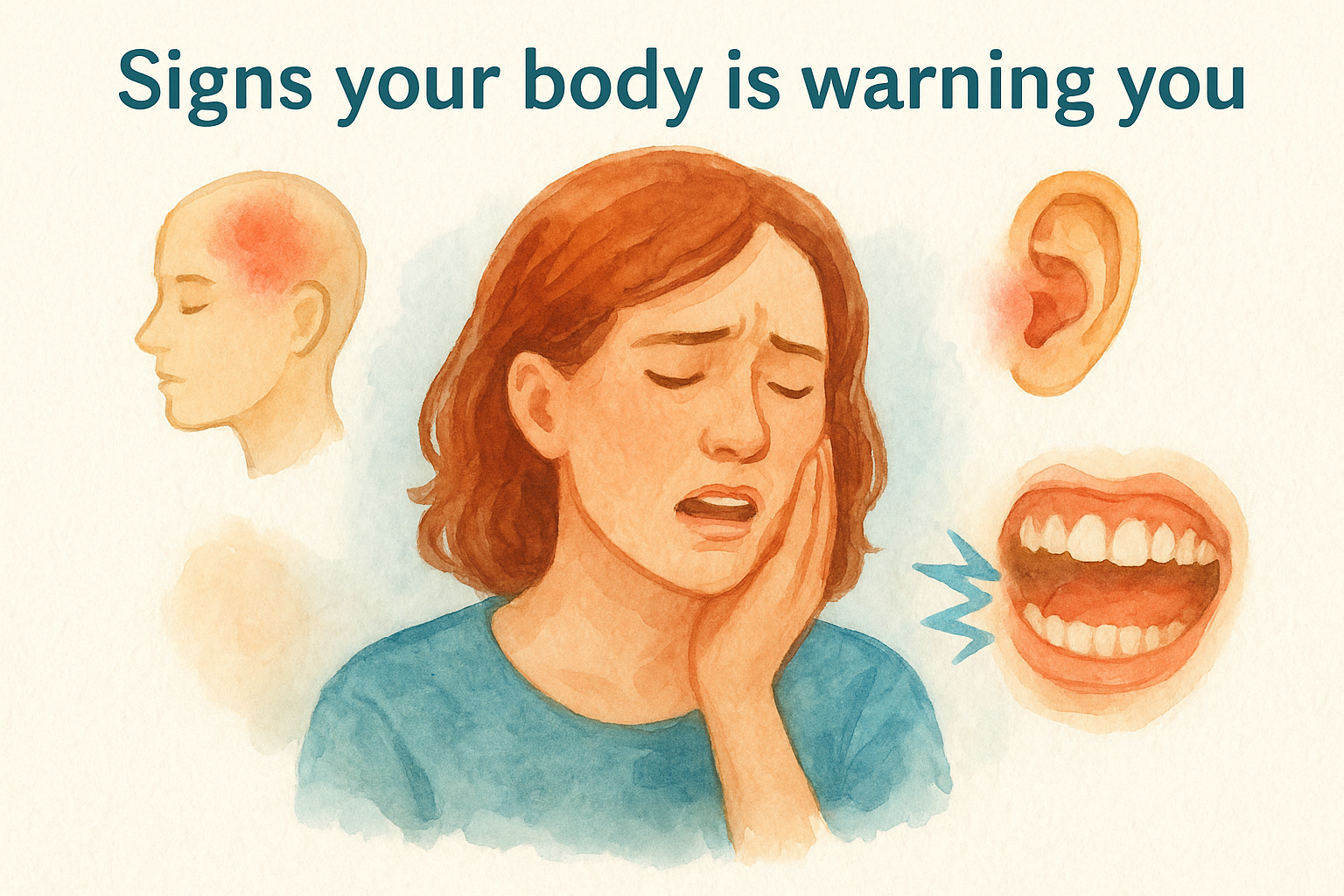
Signs your body is warning you
Morning jaw pain or stiffness ranks as the most common symptom, especially when it feels like your facial muscles have been working all night. You might experience frequent headaches that start at your temples, earaches without any infection, or clicking sounds when you open your mouth wide. Sleep partners often report hearing grinding noises during the night, and you may notice increased tooth sensitivity to hot or cold foods as enamel wears thin.
When professional help becomes necessary
Schedule a dental appointment when symptoms persist for more than two weeks despite trying home remedies or when you notice visible changes like chipped teeth or increased tooth mobility. Severe facial pain, difficulty opening your jaw fully, or disrupted sleep warrant immediate professional evaluation because these indicate advanced bruxism that requires intervention.
Persistent symptoms lasting beyond two weeks signal that self-care measures alone won't solve the problem and professional treatment becomes essential.
Your dentist can assess the extent of damage, identify contributing factors like misaligned teeth or sleep disorders, and refer you to specialists if needed.
Treatments, guards, and dental care options
Professional treatment options expand what helps with bruxism beyond simple self-care measures, giving you targeted solutions that protect your teeth while addressing the underlying causes. Your dentist can evaluate the severity of your grinding and recommend the most effective approach based on the extent of damage, your grinding patterns, and contributing factors. Treatment strategies range from protective devices to medical interventions, and combining multiple approaches often delivers the best results for managing chronic bruxism.
Custom dental guards offer the strongest protection
Custom-fitted night guards from your dentist provide superior protection compared to over-the-counter options because they're molded specifically to your teeth and bite pattern. These devices create a physical barrier that prevents direct tooth-to-tooth contact during grinding episodes, distributing the force across the entire guard rather than concentrating it on individual teeth. Your dentist fabricates these guards from durable acrylic or soft materials depending on the severity of your grinding, and you wear them primarily during sleep when most bruxism occurs.
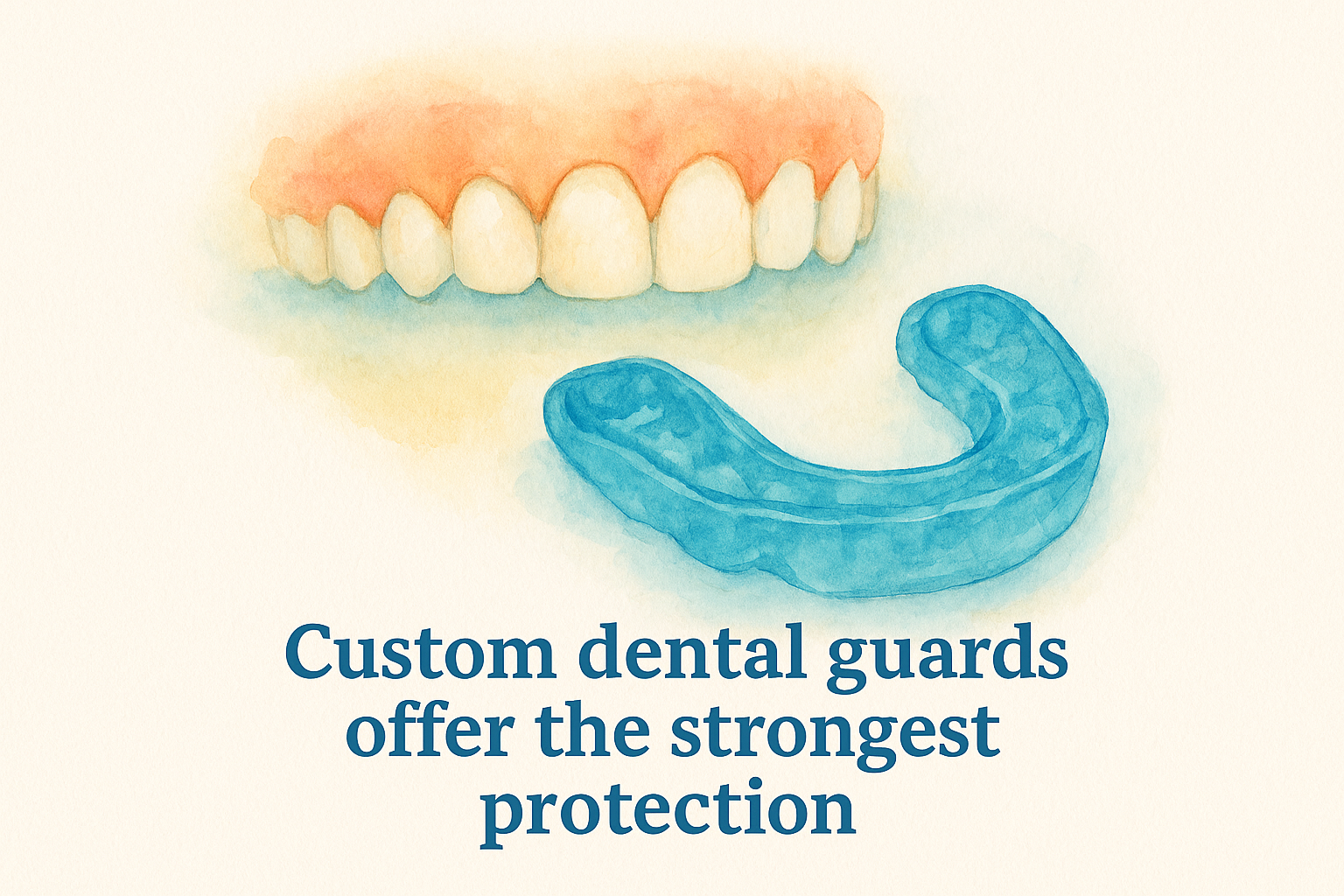
Custom guards last longer and fit more comfortably than generic drugstore versions, making them easier to wear consistently throughout the night.
Direct-to-consumer options like custom night guards from Remi give you professional-quality protection at a fraction of traditional dental office costs by using an at-home impression kit and direct delivery model.
Professional dental treatments repair existing damage
Dentists can restore worn or damaged teeth through reshaping procedures, bonding, or crown placement that rebuild tooth structure and eliminate sensitivity caused by exposed enamel. Orthodontic treatment including braces or clear aligners may correct bite misalignment that contributes to your grinding pattern, reducing the mechanical stress that triggers clenching episodes. These restorative procedures become necessary when grinding has already caused significant damage, and they work best when combined with preventive measures like night guards.
Medical treatments for severe cases
Doctors sometimes prescribe muscle relaxants taken before bedtime for short-term relief during particularly stressful periods when grinding intensifies. Botulinum toxin injections into jaw muscles provide relief for severe cases by temporarily weakening the muscles responsible for clenching, though this treatment requires repeat sessions every three to four months. Your healthcare provider may adjust medications if your current prescriptions contribute to bruxism, or they might recommend treating underlying conditions like sleep apnea that trigger grinding episodes.
Exercises and lifestyle changes that help
Simple exercises and targeted habit adjustments form a powerful combination when exploring what helps with bruxism without requiring dental intervention or medication. These self-directed techniques work by releasing tension in your jaw muscles and breaking the stress patterns that trigger grinding episodes throughout your day and night. You can start practicing these methods immediately, and consistent daily application typically shows noticeable results within two to three weeks as your muscles learn new patterns and your nervous system adapts to healthier responses.
Jaw relaxation exercises you can do anywhere
Place your tongue tip against the roof of your mouth just behind your front teeth, then slowly open your jaw as wide as comfortable while keeping your tongue in position for five seconds. Close your mouth slowly while maintaining tongue placement, hold for five seconds, and repeat this sequence 10 to 15 times whenever you notice jaw tension building. Another effective exercise involves gently massaging the muscles along your jawline in circular motions for two minutes on each side, which increases blood flow and releases accumulated tension from clenching episodes.
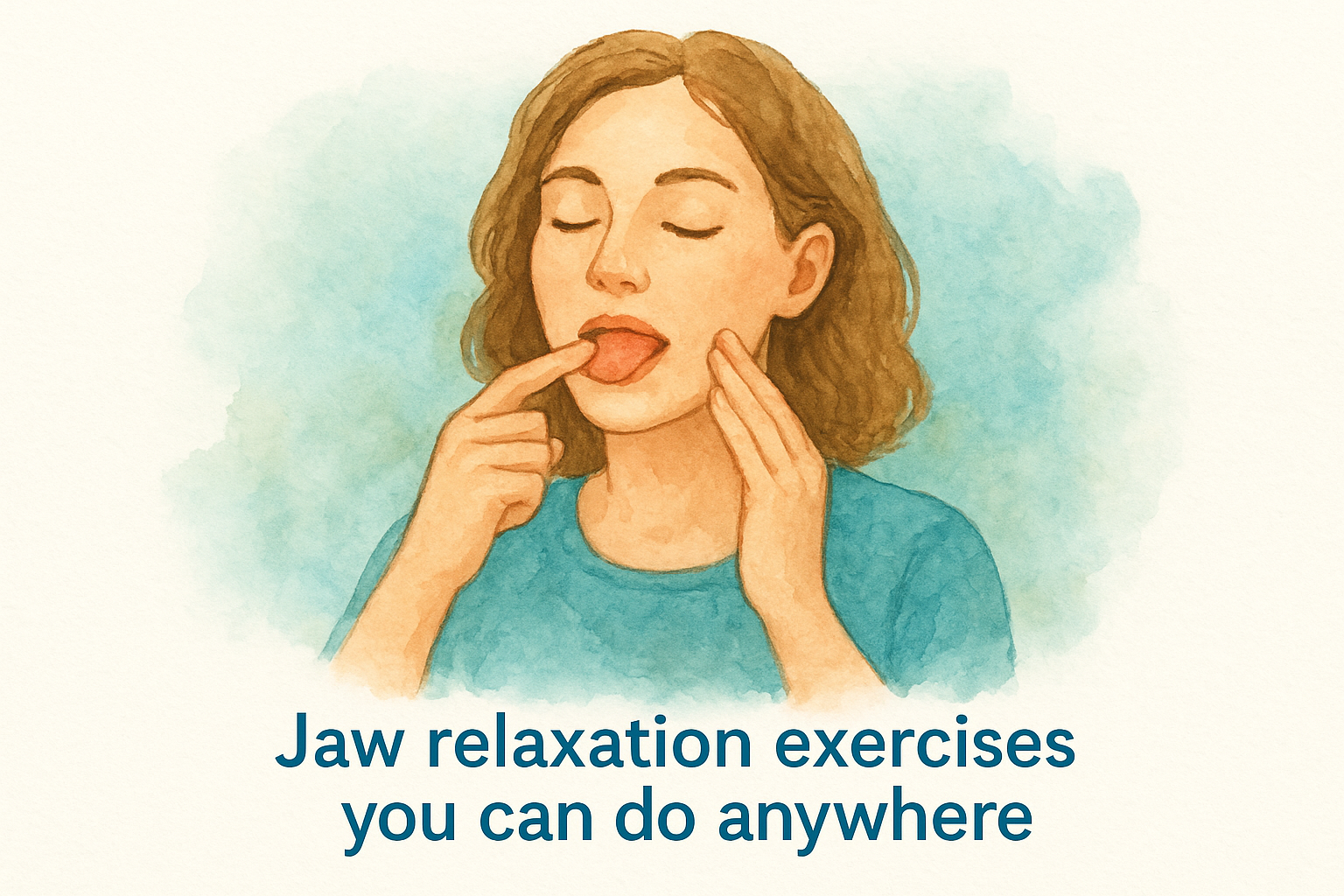
Regular jaw exercises train your muscles to maintain a relaxed position and interrupt the automatic clenching response before it starts.
Daily habits that reduce grinding triggers
Staying properly hydrated throughout the day prevents dry mouth conditions that increase grinding frequency, so aim for eight glasses of water daily and keep a water bottle at your workspace. Avoid chewing gum, biting pens, or eating hard foods like nuts and tough meats that overwork your jaw muscles and reinforce clenching patterns. Create a consistent sleep schedule by going to bed at the same time each night, keeping your bedroom cool and dark, and stopping all screen use at least one hour before sleep to improve overall sleep quality and reduce nighttime grinding episodes.
Moving forward with less grinding
You now have a complete toolkit for managing bruxism, from jaw exercises and stress reduction techniques to professional treatments and protective devices. Start by implementing the awareness practices and lifestyle changes discussed earlier, then add exercises to your daily routine as these methods work together to break grinding patterns. Track your progress over two to three weeks to see which combination delivers the best results for your specific situation.
If you need immediate protection while working on long-term solutions, a custom night guard from Remi delivers professional-quality protection at an affordable price, shielding your teeth from damage while you address what helps with bruxism through exercises and habit changes.

