


7 Safe Teeth Whitening Methods Dentists Recommend in 2025
You want whiter teeth. But scrolling through whitening options feels overwhelming. Store shelves overflow with products making bold promises. Social media influencers swear by trendy DIY remedies that sound too good to be true. Meanwhile, you worry about damaging your enamel or irritating your gums with harsh chemicals. The question isn't just which method works best. It's which ones are actually safe for your teeth in the long run.
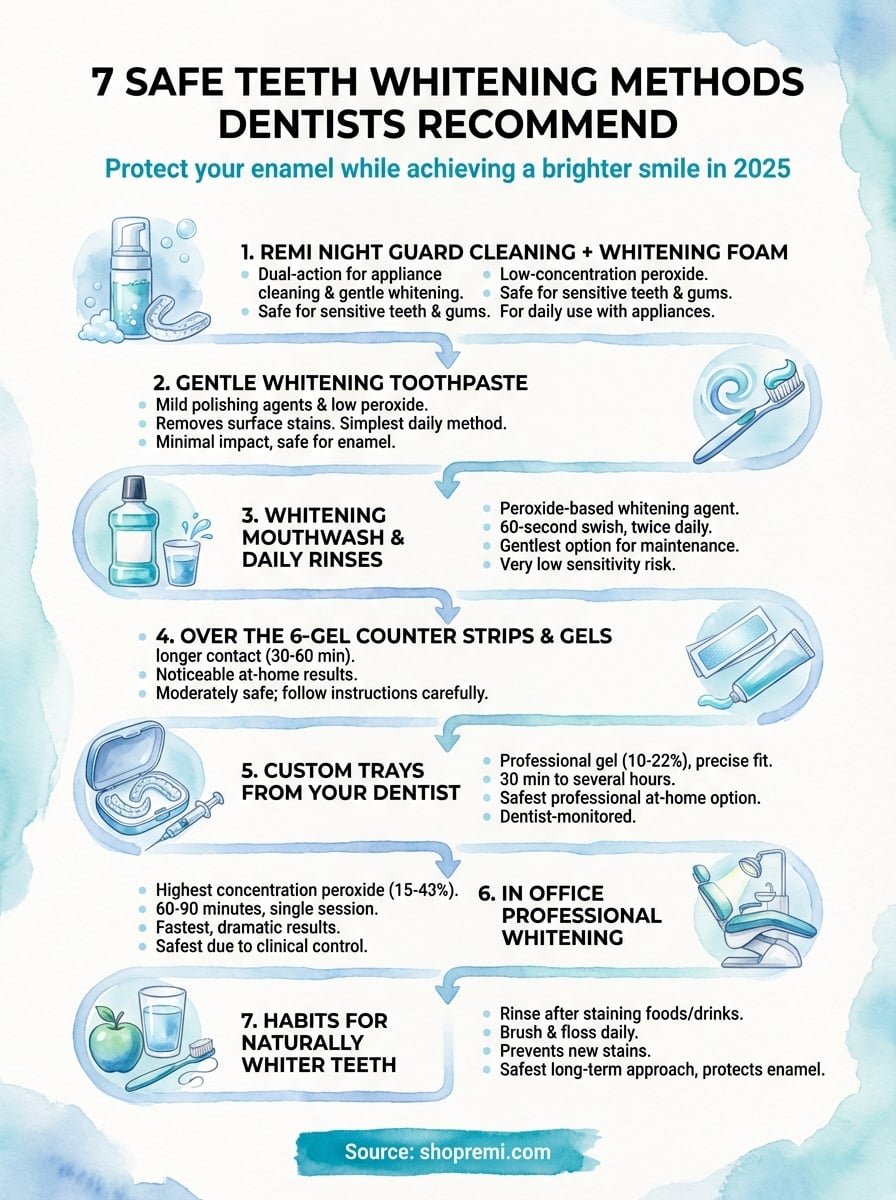
This guide breaks down seven dentist-approved teeth whitening methods that protect your enamel while delivering real results. You'll learn exactly how each option works, what makes it safe for your teeth and gums, when dentists recommend it, and what you can expect in terms of cost, time commitment, and visible whitening effects. Whether you prefer gentle at-home solutions you can use daily or faster professional treatments that deliver dramatic results, you'll find a safe method that fits your needs and budget.
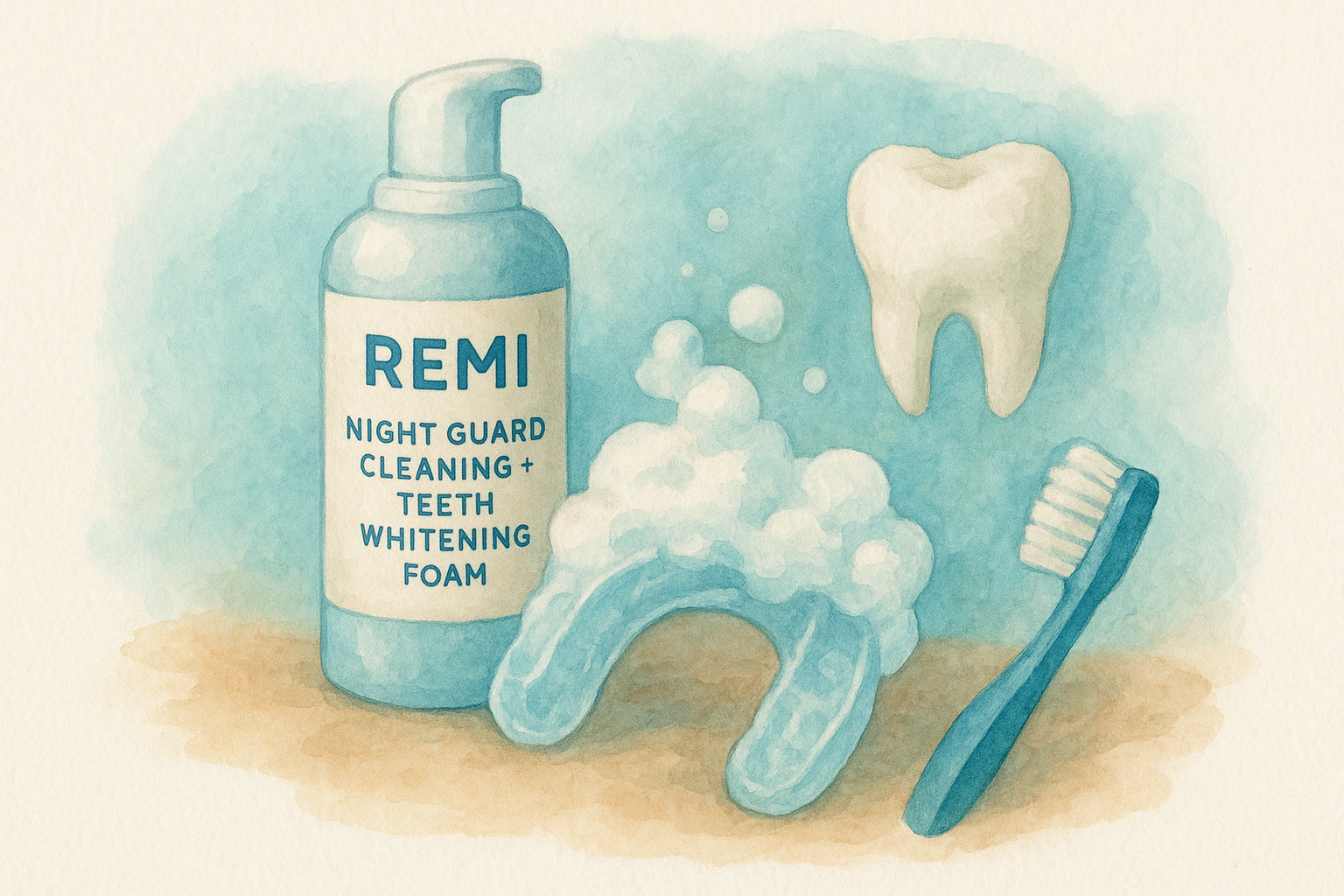
1. Remi Night Guard Cleaning + Teeth Whitening Foam
Remi's Night Guard Cleaning + Teeth Whitening Foam serves two purposes in one bottle. You get a cleaning solution for your dental appliances and a gentle whitening treatment that works while you maintain your night guard or retainer. This dual-action formula contains peroxide-based whitening agents at concentrations low enough to protect your enamel while still delivering visible results over time.
How this method works
The foam releases active oxygen molecules when you apply it to your night guard, retainer, or directly to your teeth. These molecules penetrate surface stains from coffee, tea, and other foods without requiring harsh scrubbing or abrasive particles. The low-concentration peroxide formula breaks down discoloration gradually during your normal dental appliance cleaning routine, making whitening an automatic part of your daily oral care instead of a separate time-consuming process.
How safe it is for enamel and gums
This method ranks among the safest teeth whitening methods available because the peroxide concentration stays below levels that typically cause sensitivity or enamel damage. The foam's gentle formulation minimizes contact time with your gums compared to strips or trays. You won't experience the burning sensation or irritation that stronger whitening products often cause, making it suitable for people with sensitive teeth who want gradual whitening without discomfort.
Using a combination cleaning and whitening product reduces the risk of overusing multiple harsh chemicals on your teeth and dental appliances.
When dentists recommend this option
Dentists suggest this approach for patients who wear night guards or retainers regularly and want to add whitening benefits to their existing routine. Your dentist might recommend it if you've experienced sensitivity with traditional whitening strips or if you prefer maintenance whitening rather than dramatic color changes. This method works best for people committed to consistent daily use rather than those seeking immediate results.
Cost, time, and results to expect
A bottle of Remi's whitening foam costs significantly less than professional treatments while lasting several months with daily use. You'll spend less than two minutes per day applying the foam during your regular appliance cleaning. Visible whitening typically appears after two to four weeks of consistent use, with results continuing to improve over several months. The gradual approach means your teeth lighten naturally without the stark before-and-after contrast that can look artificial.
2. Gentle whitening toothpaste
Whitening toothpaste offers the simplest entry point into safe teeth whitening methods because you're already brushing twice daily. These toothpastes work differently from regular formulas by adding mild polishing agents and low-strength whitening compounds that remove surface stains without requiring extra time or complicated application processes.
How this method works
Whitening toothpastes contain small abrasive particles that physically polish away surface discoloration from coffee, tea, and food. Some formulas also include low concentrations of hydrogen peroxide or blue covarine, a chemical compound that coats your teeth to make them appear less yellow immediately. The mechanical action of brushing combined with these gentle whitening agents removes the thin layer of stains that accumulate on your enamel's surface.
How safe it is for enamel and gums
This method ranks among the safest whitening options because the abrasive particles are specifically sized to clean without scratching enamel. The peroxide levels stay minimal, typically under 1%, which prevents the sensitivity issues associated with stronger whitening products.
Whitening toothpastes only affect surface stains, so they cannot damage the deeper layers of your teeth or alter your natural tooth color permanently.
When dentists recommend this option
Your dentist might suggest whitening toothpaste when you want maintenance after professional whitening or prefer subtle improvements over dramatic changes. This option works well if you have sensitive teeth that react poorly to stronger treatments or if you simply want to prevent new stains from setting in.
Cost, time, and results to expect
You'll spend between $5 and $15 per tube, making this the most budget-friendly whitening method available. Results typically appear after two to six weeks of consistent twice-daily brushing. The whitening effect lightens your teeth by approximately one shade, which provides noticeable improvement for surface stains without delivering dramatic transformation.
3. Whitening mouthwash and daily rinses
Whitening mouthwashes add a peroxide-based whitening agent to the standard antiseptic formula you already swish around your mouth. These rinses freshen your breath while simultaneously working on surface stains through low-concentration hydrogen peroxide that contacts your teeth during each use. You incorporate whitening into your existing oral hygiene routine without adding extra steps to your day.
How this method works
The hydrogen peroxide in whitening rinses releases oxygen molecules that break down surface stains on your enamel. You swish the mouthwash for 60 seconds twice daily before brushing, allowing the whitening agents to penetrate light discoloration. The extended contact time across all visible tooth surfaces provides more comprehensive coverage than spot treatments, though the brief exposure means results develop gradually.
How safe it is for enamel and gums
Whitening mouthwashes rank among the gentlest safe teeth whitening methods because they contain lower peroxide concentrations than strips or gels. The brief two-minute daily contact with your teeth minimizes sensitivity risks while the liquid formula reduces gum irritation compared to products that sit directly on soft tissue.
Daily rinses provide consistent whitening without the concentrated chemical exposure that causes sensitivity in stronger treatments.
When dentists recommend this option
Dentists suggest whitening mouthwashes when you want maintenance whitening between professional treatments or prefer gradual improvement without noticeable transition periods. This method works well if you already use regular mouthwash and simply want to upgrade your routine with whitening benefits.
Cost, time, and results to expect
You'll spend approximately $5 to $10 per bottle, with each bottle lasting about one month with twice-daily use. Visible results typically appear after 12 weeks of consistent use, lightening teeth by roughly one shade through steady stain removal.
4. Over the counter strips and gels
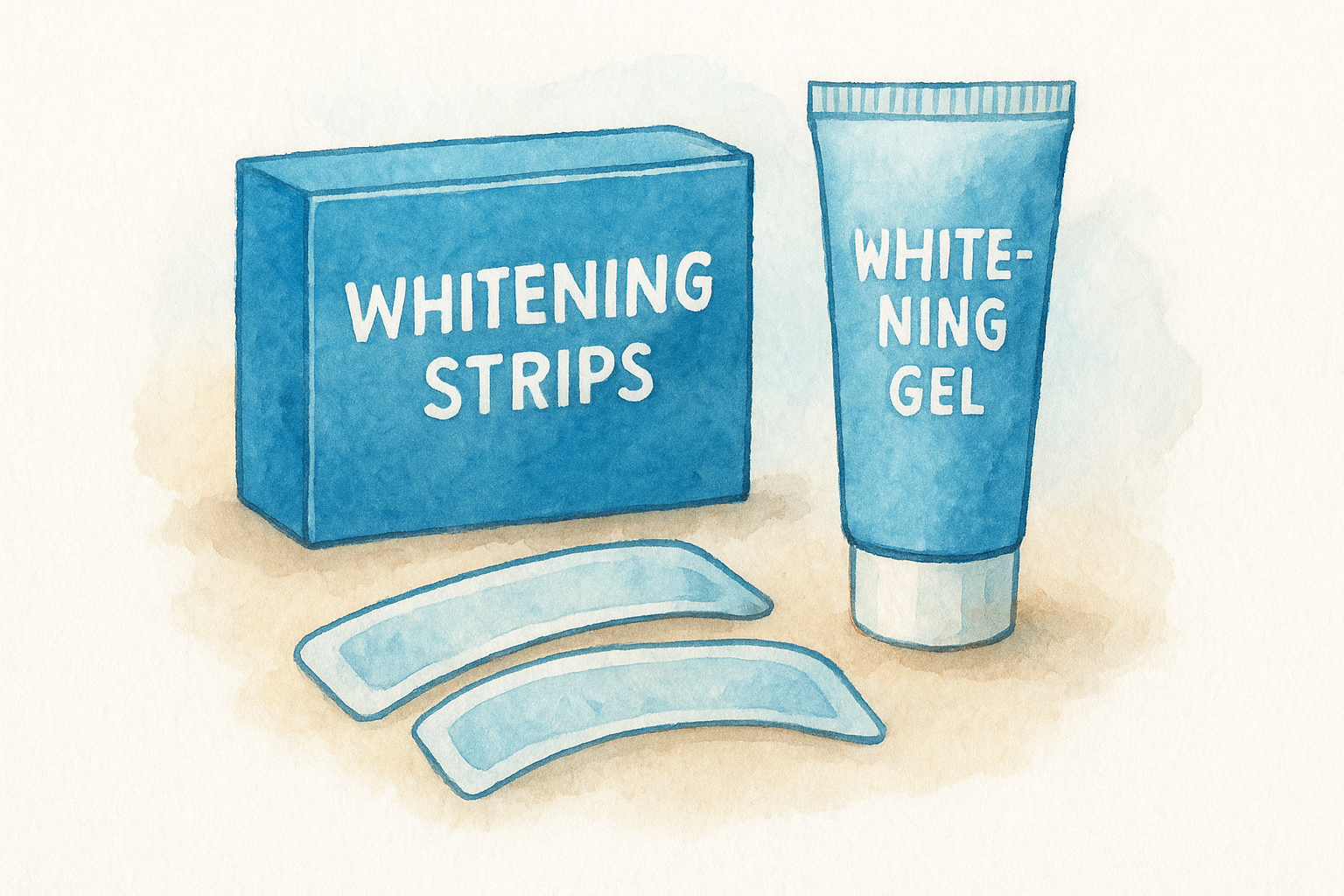
Over the counter whitening strips and gels deliver stronger results than toothpastes or rinses because they contain higher peroxide concentrations that stay in contact with your teeth longer. These products sit directly on your enamel for 30 to 60 minutes per application, allowing the bleaching agents to penetrate deeper into surface stains. You'll find these products at any drugstore or pharmacy without needing a prescription or dental visit.
How this method works
Whitening strips use thin, flexible plastic coated with peroxide gel that you press onto your upper and lower teeth. The gel contains carbamide peroxide or hydrogen peroxide at concentrations between 6% and 14%, which breaks down stain molecules beneath your enamel's surface. Standalone gels work similarly but require you to brush the solution directly onto your teeth using the included applicator.
How safe it is for enamel and gums
These products rank as moderately safe among teeth whitening methods when you follow the manufacturer's instructions exactly. The higher peroxide levels can cause temporary tooth sensitivity or gum irritation if the strips shift or you apply too much gel.
Improper use of strips, such as wearing them longer than directed or using them more frequently than recommended, increases your risk of enamel damage and prolonged sensitivity.
When dentists recommend this option
Your dentist might suggest over the counter strips when you want noticeable whitening at home without the expense of professional treatments. This option works well if you have healthy teeth and gums with no existing sensitivity issues and need results faster than gentle methods provide.
Cost, time, and results to expect
You'll spend between $20 and $65 for a complete treatment kit containing enough strips for 10 to 20 applications. Most products require daily use for two weeks, with visible results appearing after three to five days. Your teeth typically lighten by two to three shades, delivering moderate improvement that lasts approximately four months.
5. Custom trays from your dentist
Custom trays from your dentist bridge the gap between over the counter products and in-office treatments by giving you professional-grade whitening power with the convenience of at-home application. Your dentist creates precisely fitted trays molded to your exact tooth shape, eliminating the slippage and gum exposure problems that plague generic drugstore trays. These custom-fitted appliances hold whitening gel against your teeth with perfect contact while protecting your soft tissue from irritation.
How this method works
Your dentist takes detailed impressions of your upper and lower teeth during your first appointment, then sends these molds to a lab that fabricates trays matching your tooth contours exactly. You receive the finished trays along with professional-strength whitening gel containing 10% to 22% carbamide peroxide, which you apply to the trays at home. The gel sits against your teeth for 30 minutes to several hours depending on the formula strength, allowing the peroxide to penetrate deeper stains than weaker over the counter products reach.
How safe it is for enamel and gums
Custom trays rank among the safest professional teeth whitening methods because the precise fit prevents gel from seeping onto your gums and causing chemical burns. Your dentist monitors your progress through follow-up appointments, adjusting the gel strength or wear time if you experience sensitivity.
The custom fit reduces sensitivity risks by up to 50% compared to one-size-fits-all strips because the gel stays exactly where it belongs on your enamel.
When dentists recommend this option
Dentists suggest custom trays when you want professional-level whitening without multiple office visits or need flexibility to whiten on your own schedule. This option works particularly well if you have mild to moderate staining that requires stronger treatment than drugstore products provide but doesn't justify the expense of in-office procedures.
Cost, time, and results to expect
You'll spend between $150 and $600 for custom trays plus enough whitening gel for your initial treatment, with refill gel costing $15 to $30 per syringe. Most treatments require daily applications for two to four weeks, with visible results appearing within the first week. Your teeth typically lighten by three to eight shades, delivering dramatic improvement that lasts approximately two years with proper maintenance.
6. In office professional whitening
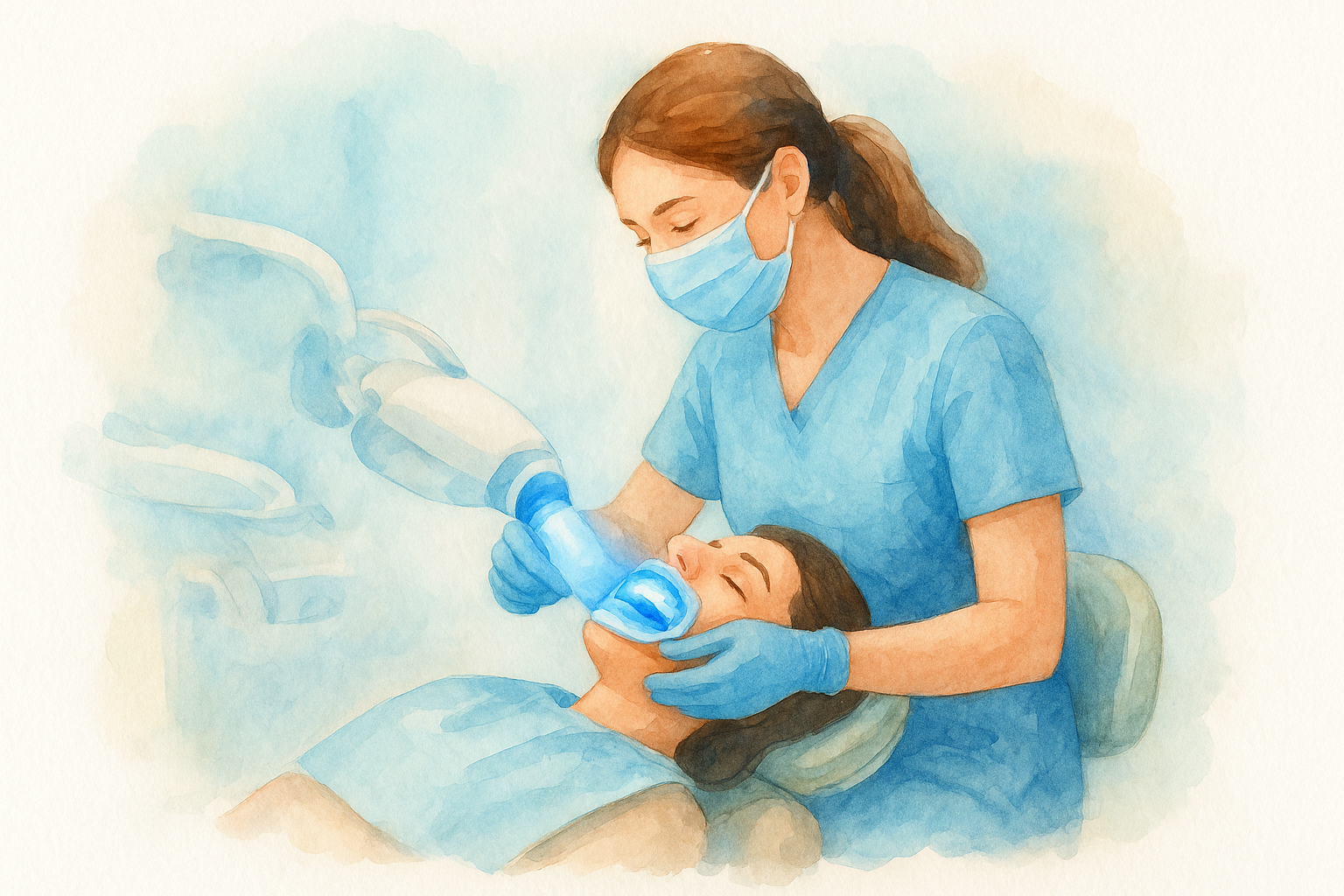
In-office professional whitening delivers the fastest and most dramatic results among all safe teeth whitening methods available today. Your dentist applies high-concentration bleaching agents directly to your teeth in a controlled clinical environment, often using specialized lights or heat to accelerate the whitening process. This supervised approach eliminates guesswork about application techniques and product safety while providing immediate transformation that would take weeks or months to achieve at home.
How this method works
Your dentist begins by protecting your gums with a rubber shield or protective gel that creates a barrier between the bleaching solution and your soft tissue. The whitening product contains hydrogen peroxide in concentrations between 15% and 43%, significantly stronger than any over the counter formula. Your dentist applies this solution to your teeth and may use a specialized LED light or laser to activate the peroxide molecules, accelerating the chemical reaction that breaks down deep stains. The entire process typically requires three to four applications during a single appointment, with each application lasting 15 to 20 minutes.
How safe it is for enamel and gums
Professional whitening ranks as one of the safest options because your dentist controls every aspect of the treatment. The protective barriers prevent the high-strength peroxide from burning your gums, while your dentist monitors your teeth throughout the session to adjust treatment if sensitivity develops.
Clinical supervision reduces complication risks by over 90% compared to misused at-home products because your dentist can immediately address any adverse reactions.
When dentists recommend this option
Dentists suggest in-office whitening when you need rapid results for an upcoming event or have stubborn discoloration that resists weaker treatments. This method works best if you want the most dramatic color change possible in the shortest time frame and can afford the higher cost of professional services.
Cost, time, and results to expect
You'll spend between $300 and $1,000 for a complete in-office whitening session, making this the most expensive option available. The treatment takes 60 to 90 minutes in a single appointment, with results visible immediately after your session. Your teeth typically lighten by three to eight shades, delivering the most striking transformation possible that lasts approximately two to three years.
7. Habits that keep teeth naturally whiter
Daily habits form the foundation of long-term whitening success regardless of which safe teeth whitening methods you choose. Your daily choices about what you eat, drink, and how you care for your teeth determine whether your whitening results last months or fade within weeks. These preventive practices cost nothing extra yet protect your investment in any whitening treatment.
How this method works
Your teeth accumulate surface stains from pigmented foods and beverages throughout each day, with the most damage occurring within minutes after consumption. Rinsing your mouth with water immediately after drinking coffee, tea, or red wine washes away staining compounds before they bond to your enamel. Brushing twice daily with proper technique removes the sticky plaque film that traps stain-causing particles against your teeth, while daily flossing eliminates food debris between teeth where discoloration often starts.
How safe it is for enamel and gums
These preventive habits represent the safest approach to maintaining white teeth because they protect rather than alter your enamel. Avoiding tobacco and limiting acidic beverages prevents the enamel erosion that makes teeth appear yellow by exposing the darker dentin layer beneath your tooth's surface.
Regular dental cleanings remove hardened tartar buildup that home brushing cannot eliminate, preventing the yellowing effect of accumulated plaque without any chemical whitening agents.
When dentists recommend this option
Dentists recommend these habits to every patient regardless of whitening goals because they prevent new stains from forming. Your dentist will emphasize prevention habits particularly after you've completed any whitening treatment to maximize how long your results last.
Cost, time, and results to expect
You'll spend no additional money beyond your regular oral hygiene products and biannual dental cleanings. These habits require five minutes daily for proper brushing and flossing plus conscious food and drink choices. Consistent practice prevents one to two shades of yellowing annually, maintaining whatever whiteness you've achieved through other treatments.
Final thoughts
Choosing safe teeth whitening methods protects your enamel while delivering the brighter smile you want. You don't need to sacrifice tooth health for cosmetic results when you select treatments backed by dental professionals. The seven options covered here range from gentle daily maintenance to dramatic professional transformations, giving you choices that fit your timeline, budget, and sensitivity levels.
Your whitening journey succeeds when you combine the right treatment with protective daily habits. If you grind or clench your teeth at night, addressing that issue alongside whitening becomes essential since grinding damages enamel and counteracts your whitening efforts. Protect your investment in a whiter smile with Remi's custom night guard, which shields your teeth from grinding damage while you sleep at a fraction of dental office costs.

