
 Guards + Retainers
 Custom Night Guard
 Retainer
 Emergency Order

 Whitening
 Whitening Kit
 Teeth Whitening Gel
 Dual-Action Foam
 Cleaning + Care
 Ultrasonic Cleaner Pro
 Water Flosser
 UV Toothbrush Sanitizer
 Deep Clean + Freshening Tablets
 Accessories
 Guard Removal Tool
 Replacement Nozzles
 Bundles

You wake up with a sore jaw, a dull headache, or teeth that feel like they've been through a workout overnight. Sound familiar? If you grind your teeth at night, you've probably wondered: is teeth grinding dangerous, or is it just an annoying habit you can ignore? The short answer, it's more serious than most people think, and leaving it untreated can lead to real dental damage.
Teeth grinding, clinically called bruxism, affects millions of adults across the U.S. Some don't even realize they're doing it until a dentist spots the wear patterns or a partner hears the sound. Over time, the constant force on your teeth and jaw can cause cracks, fractures, gum recession, and chronic pain that gets progressively harder to reverse. It's not just a cosmetic concern, it's a functional one that impacts your daily life.
At Remi, we work alongside dental professionals to create custom night guards designed to protect your teeth from grinding damage, without the hefty dental office price tag. This article breaks down the actual risks of bruxism, the types of damage it causes, and when it's time to start treatment before things escalate.
Why teeth grinding can be dangerous
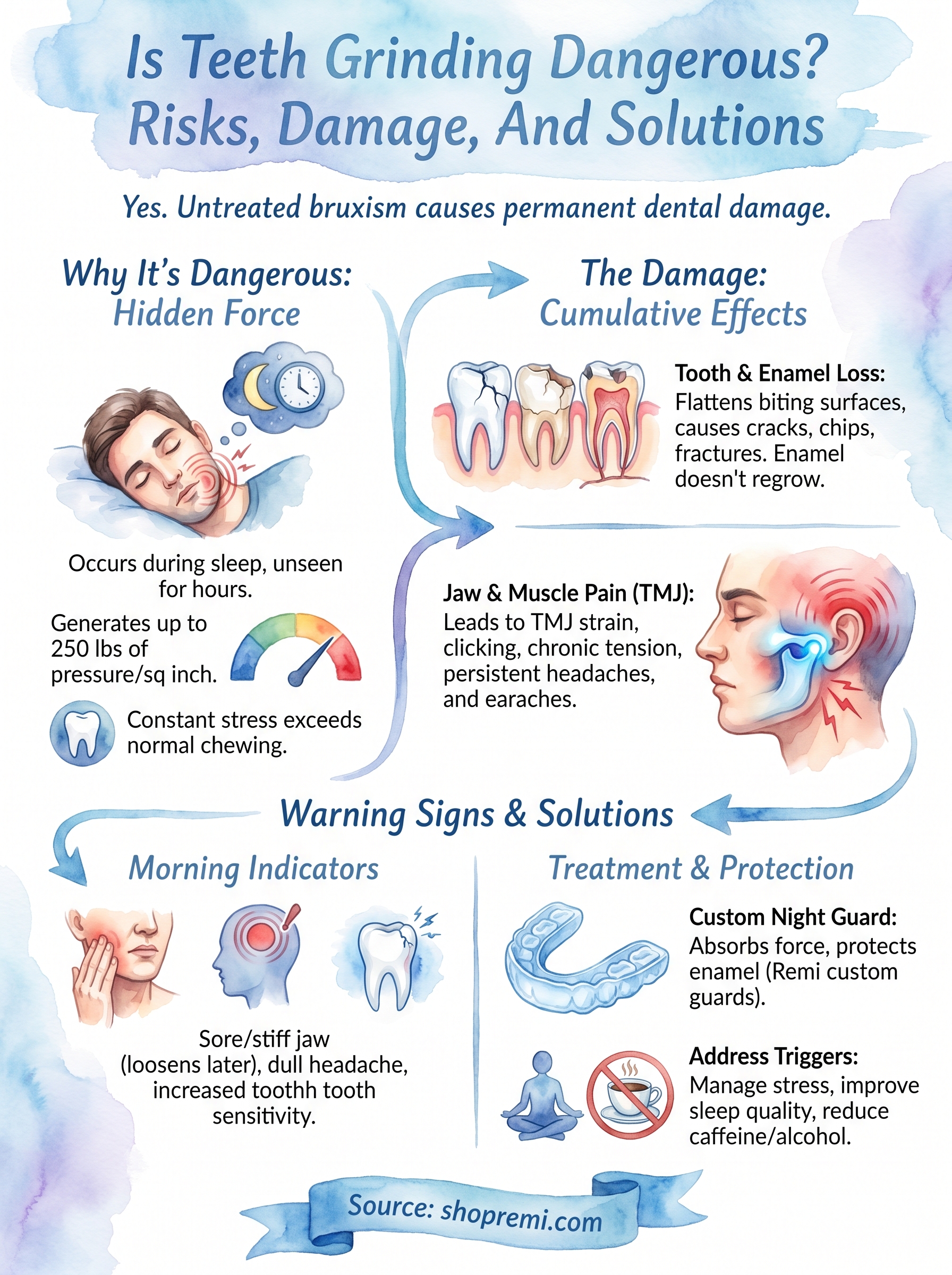
Most people assume teeth grinding is a minor stress habit that fades on its own, but the mechanics behind it tell a different story. When you grind, your jaw muscles can generate force reaching up to 250 pounds per square inch, far beyond what your teeth handle during normal chewing. That level of repeated stress on your enamel, jaw joints, and surrounding muscle does not stay harmless for long, and the longer it continues, the harder the consequences are to reverse.
The force your jaw produces
Your teeth are built to handle brief contact during meals, not sustained pressure against each other for hours at a stretch. During bruxism, your teeth press directly together with no food to absorb the impact, creating direct, repetitive mechanical stress your enamel was never designed to withstand. Dentists frequently describe grinding as one of the most structurally destructive habits a person can develop, and the force involved supports that claim.
Left untreated, the cumulative pressure from nightly grinding can wear down enamel in months, not years.
Why the damage goes undetected
Here is the other reason teeth grinding is dangerous: most of it happens while you sleep. You have no real-time awareness of the habit while it's occurring, so the damage builds silently over weeks and months without obvious warning signs. By the time you notice sensitivity, jaw soreness, or persistent morning headaches, the underlying wear has often progressed further than you would expect. Many people only learn about it when a dentist spots the telltale wear patterns during a routine exam, sometimes years after the grinding started. At that point, what started as a manageable issue has become a more complex and costly problem to fix.
What damage bruxism can cause
Bruxism doesn't just wear down your teeth in one place. The repeated mechanical pressure spreads across your entire bite, jaw joints, and surrounding facial muscles, creating a wide range of problems that build and compound over time. Understanding these consequences helps answer the question of whether teeth grinding is dangerous in a concrete, physical way.
Tooth and enamel damage
Your enamel doesn't grow back once it's gone. Grinding gradually flattens and thins the biting surfaces of your teeth, which increases sensitivity and raises your risk of cracks, chips, and fractures. In severe cases, teeth can become short enough that restorative work like crowns or veneers becomes the only fix, which is both costly and time-intensive.
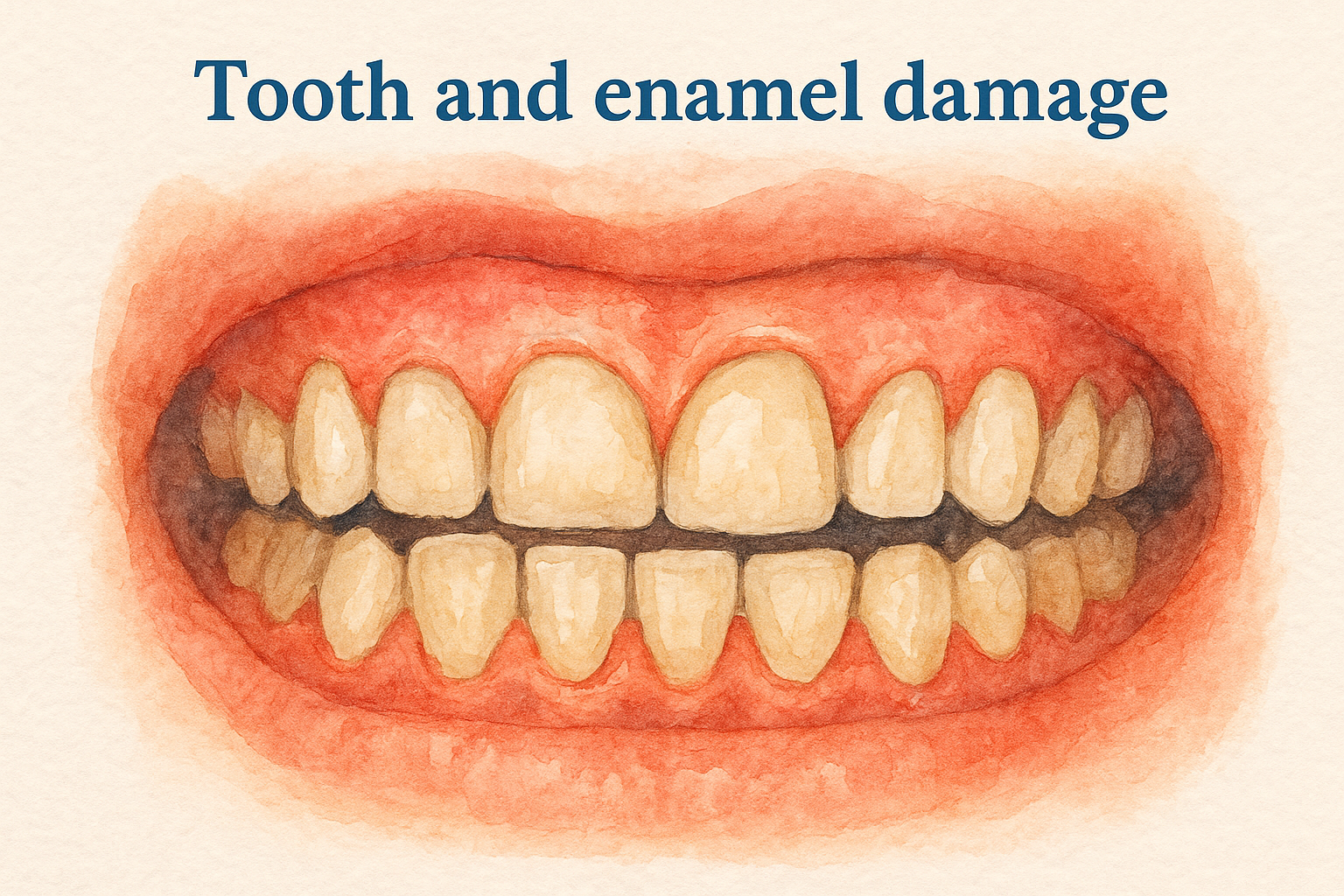
Once enamel wears away, the damage to your teeth becomes permanent, making early protection the only reliable option.
Jaw and muscle pain
The stress from grinding doesn't stop at your teeth. Your temporomandibular joint (TMJ) absorbs a significant share of the force, and repeated strain creates a cascade of symptoms that many people don't connect back to bruxism at first:
- Clicking or popping in your jaw
- Chronic facial and neck muscle tension
- Persistent morning headaches or earaches
Signs you might be grinding your teeth
Because bruxism often happens during sleep, recognizing the warning signs is usually your first step toward getting help. Many people dismiss early symptoms as stress or poor sleep, which is part of what makes understanding whether teeth grinding is dangerous so important in the first place.
Symptoms you notice in the morning
Your body often signals bruxism the moment you wake up. The most common indicators include:
- Sore or stiff jaw that loosens as the day goes on
- Dull headache centered around your temples
- Increased tooth sensitivity, especially to cold or heat
- Facial muscle soreness or tightness around your cheeks
If you wake up with jaw pain or headaches more than a few times a week, bruxism is a likely cause worth discussing with your dentist.
What your dentist might spot
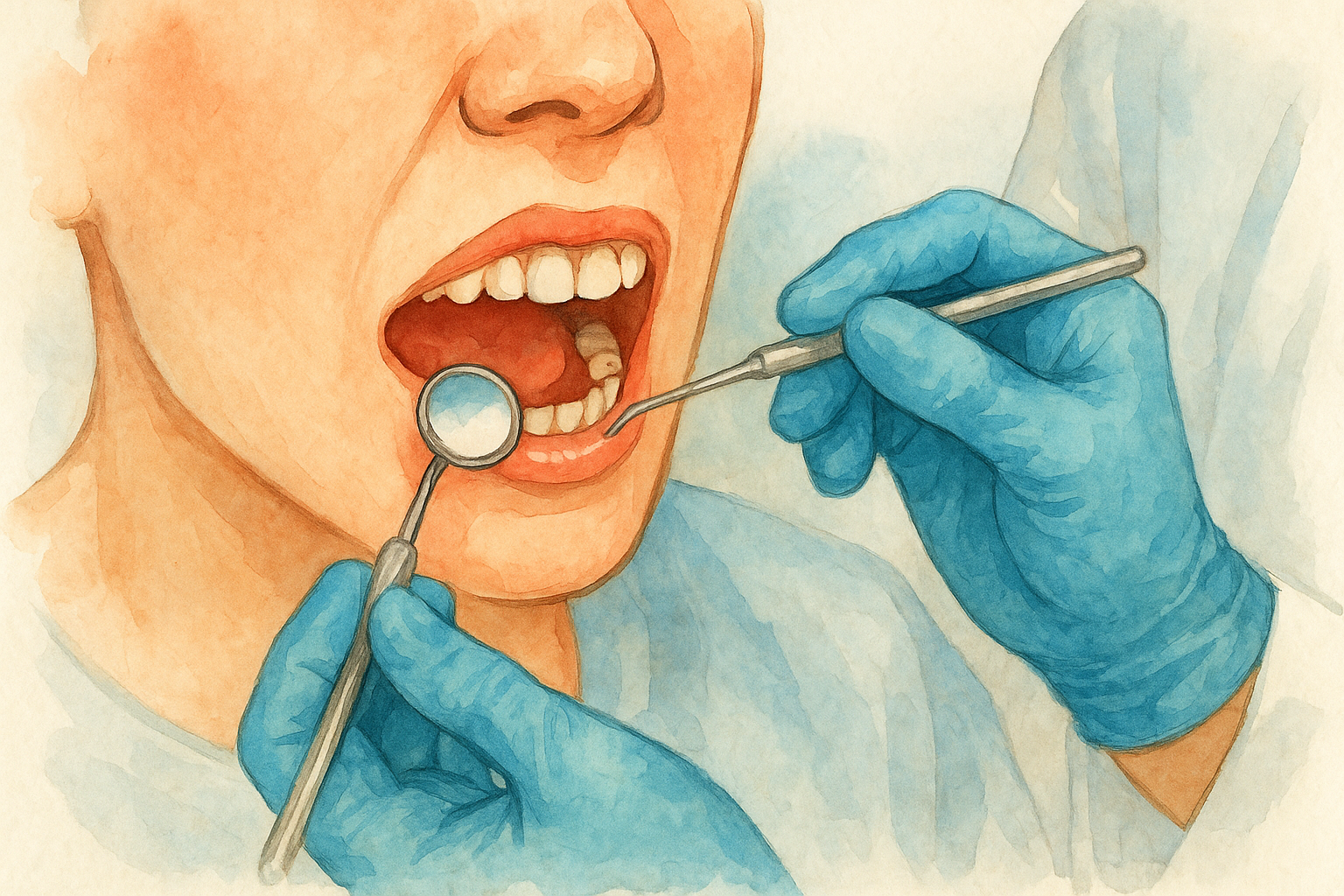
Your dentist can often catch bruxism before you connect the dots yourself. During a routine exam, they look for flattened or chipped biting surfaces, unusual wear patterns across multiple teeth, and small cracks in the enamel. These physical signs confirm grinding even when your own symptoms feel mild or intermittent.
Common causes and triggers
Understanding what triggers bruxism helps explain why the habit is so hard to control and why questions around whether teeth grinding is dangerous often lead to a broader look at your overall health. Bruxism rarely has a single cause; it usually results from multiple factors working together.
Stress and lifestyle factors
Stress is the most commonly reported trigger for bruxism, and your jaw muscles respond to psychological tension much like your shoulders tighten under pressure. High-stress periods, poor sleep habits, and substance use can push your body into chronic physical tension that carries directly into the night.
Common lifestyle triggers include:
- Heavy caffeine or alcohol consumption
- Irregular or disrupted sleep schedules
- Smoking or nicotine use
If your grinding gets worse during high-stress periods, your jaw is likely carrying tension your mind hasn't fully processed.
Sleep and medical connections
Bruxism also links closely to sleep disorders like sleep apnea, where disrupted breathing triggers micro-arousals that activate jaw muscle activity. When your body struggles to breathe properly during sleep, the jaw muscles tense up as part of that broader stress response.
Certain medications, particularly antidepressants in the SSRI category, are also linked to bruxism as a side effect. If your grinding started or intensified after a medication change, that connection is worth raising with your doctor.
How to treat and prevent teeth grinding
Knowing whether teeth grinding is dangerous is only useful if you also know what to do about it. Treatment focuses on two goals: protecting your teeth from further damage and addressing the root causes that drive the grinding in the first place.
Night guards and dental devices
A custom-fitted night guard is the most direct way to protect your teeth from bruxism damage. It creates a physical barrier between your upper and lower teeth, absorbing the force that would otherwise land directly on your enamel. Custom night guards, like the ones Remi offers, fit precisely to your bite and provide far better protection than generic pharmacy options that shift during sleep.
A well-fitted night guard won't stop the grinding reflex, but it prevents your enamel from paying the price while you address the underlying causes.
Stress management and lifestyle changes
Reducing the triggers that activate bruxism gives your jaw a real chance to recover. Cutting back on caffeine and alcohol, especially in the hours before bed, lowers the physical tension your body carries into sleep.
Practices like consistent sleep schedules and relaxation techniques before bed can reduce the stress response that keeps your jaw muscles active overnight.
Next steps
If you've been asking yourself is teeth grinding dangerous, the answer is clear: yes, and the damage compounds over time. Bruxism is not a habit you can wait out. The enamel you lose, the cracks that form, and the jaw tension that builds do not reverse on their own, but you can stop the progression before it becomes a costly dental problem.
Start by tracking your symptoms, specifically morning jaw soreness, headaches, and tooth sensitivity, and bring those observations to your next dental visit. Your dentist can confirm wear patterns and guide your next steps. In the meantime, protecting your teeth while you sleep is the most direct action you can take right now.
Remi makes that step straightforward and affordable. A custom-fitted night guard sits precisely over your teeth, absorbs the grinding force, and gives your enamel the protection it needs, without the dental office price.

