
 Guards + Retainers
 Custom Night Guard
 Retainer
 Emergency Order

 Whitening
 Whitening Kit
 Teeth Whitening Gel
 Dual-Action Foam
 Ultrasonic Cleaner Pro
 Water Flosser
 UV Toothbrush Sanitizer
 Accessories
 Guard Removal Tool
 Replacement Nozzles

You finished orthodontic treatment and got your retainer. Now you wear it religiously to keep your teeth straight. But how long do dental retainers last before you need a replacement? The answer depends on the type of retainer you have, how you care for it, and how your body responds to it. Some retainers can last a decade or more, while others might need replacing in just a year or two.
This guide breaks down the lifespan of each retainer type (clear plastic, Hawley, and permanent bonded retainers), explains what factors shorten or extend their working life, and shows you the warning signs that yours needs replacing. You'll learn practical care tips that can add years to your retainer's life, understand when to schedule a replacement, and discover what replacement options cost. Whether you're wearing your first retainer or your fifth, knowing what to expect helps you protect your investment in a straight smile and avoid the frustration of teeth shifting back out of alignment.
Why retainer lifespan matters for your smile
Understanding how long do dental retainers last directly affects your ability to maintain the results you worked hard to achieve. Your retainer acts as the final guardian of your orthodontic investment, whether that was braces, Invisalign, or another treatment. When a retainer wears out or breaks without you realizing it, your teeth can shift back toward their original positions in just weeks or months. This process, called orthodontic relapse, can undo years of correction and leave you facing the choice between living with crooked teeth again or paying for retreatment.
The financial stakes make lifespan knowledge practical and valuable. Replacing a worn-out retainer costs between $100 and $600 depending on the type, while redoing orthodontic treatment can run $3,000 to $8,000 or more. Knowing when your retainer typically needs replacement helps you budget appropriately and catch problems before teeth start moving. You can schedule proactive replacements instead of scrambling for emergency fixes.
Planning for retainer replacement prevents gaps in protection that allow teeth to shift and potentially require expensive retreatment.
Your oral health also benefits from understanding retainer lifespans. Worn retainers harbor more bacteria, develop rough spots that irritate your gums, and fit poorly enough to cause discomfort while failing to protect your alignment.
How to make your retainers last longer
Proper care directly extends how long do dental retainers last by preventing the damage and wear that force early replacements. Your daily habits make the difference between a retainer that serves you for years and one that needs replacing within months. The good news is that most longevity-boosting practices take only minutes each day and cost nothing beyond basic supplies you likely already own. By following proven care techniques, you protect your investment and avoid the expense and inconvenience of premature replacements.
Daily cleaning habits that prevent damage
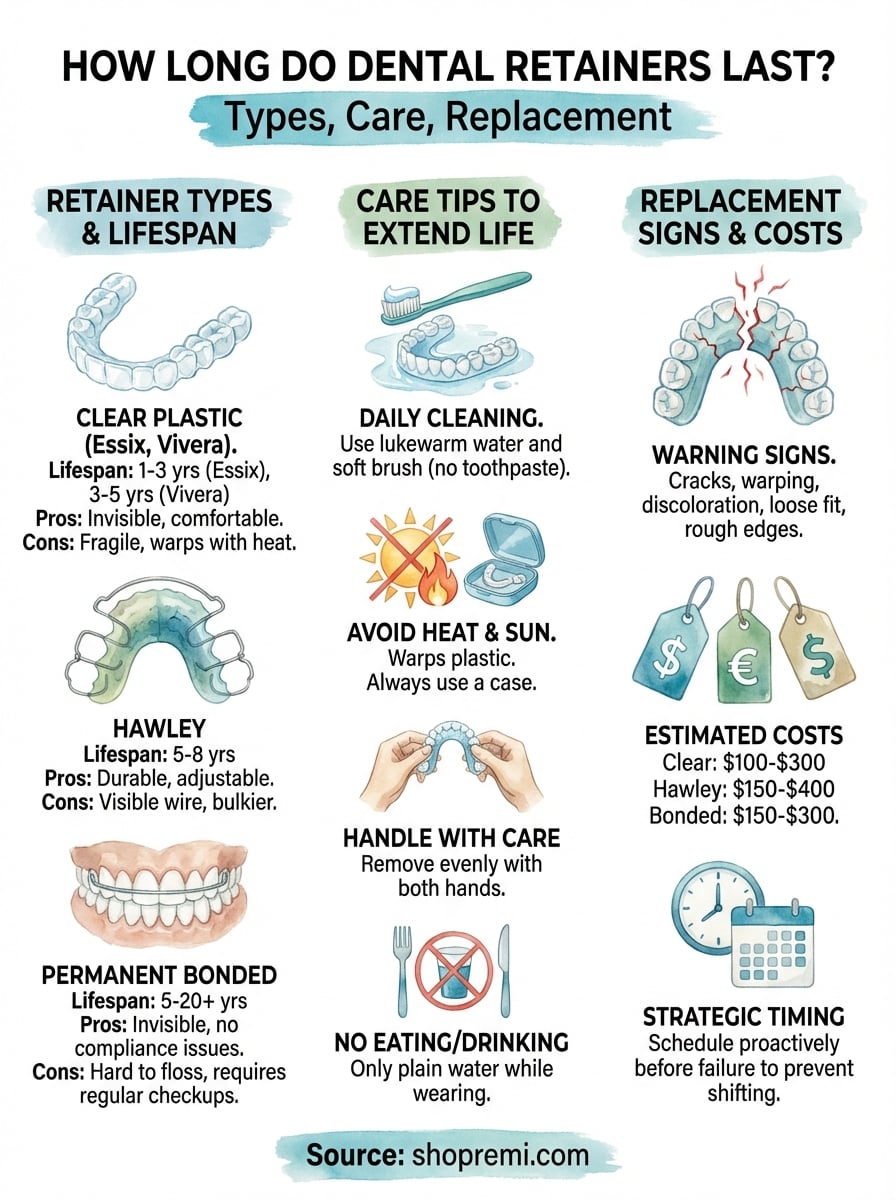
Clean your retainer every single day using lukewarm (never hot) water and a soft toothbrush dedicated to retainer cleaning. Hot water warps plastic retainers permanently, while regular toothpaste contains abrasives that create microscopic scratches where bacteria colonize. Instead, use mild dish soap or dedicated retainer cleaners that remove buildup without damaging materials. Rinse your retainer immediately after removing it to prevent saliva from hardening into stubborn deposits. Weekly deep cleaning with retainer-specific tablets helps eliminate odors and bacteria that daily brushing misses.
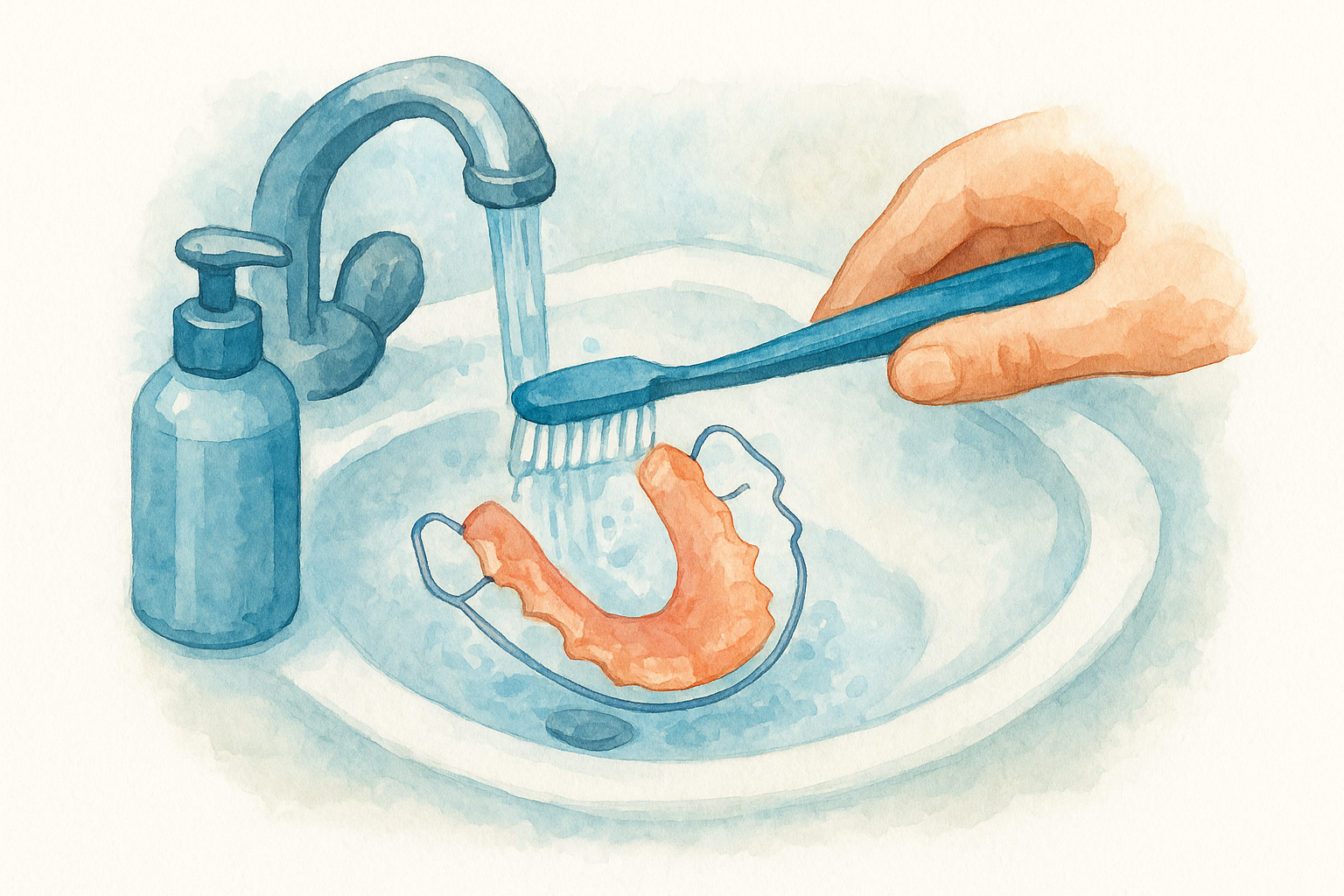
Consistent gentle cleaning prevents the material breakdown and bacterial accumulation that shorten retainer lifespan.
Storage and handling best practices
Always store your retainer in its protective case when you're not wearing it, even if you think you'll put it back in your mouth soon. Leaving retainers on counters, wrapped in napkins, or near pets accounts for most premature replacements through loss or damage. Keep your case away from heat sources like car dashboards, radiators, and direct sunlight that warp plastic components. Remove your retainer with both hands using even pressure instead of pulling from one side, which twists the material and causes stress fractures. Never eat or drink anything except plain water while wearing removable retainers, as food particles and sugary beverages accelerate deterioration.
Retainer types and how long they usually last
The answer to how long do dental retainers last varies dramatically based on which type you wear. Your orthodontist chooses your retainer based on your specific treatment results, bite patterns, and lifestyle factors. Understanding the strengths and expected lifespans of each option helps you plan for replacements and recognize when performance declines. The three main categories (clear plastic, Hawley, and permanent bonded retainers) each offer distinct advantages and face different wear patterns that determine their working life.
Clear plastic retainers (Essix and Vivera)
Clear plastic retainers fit snugly over your entire tooth surfaces and remain nearly invisible when you wear them. Made from thin thermoplastic material, these retainers prioritize aesthetics and comfort over longevity. You can expect standard Essix retainers to last 1 to 3 years, while Vivera retainers (Invisalign's proprietary version made from thicker, more durable plastic) may reach 3 to 5 years with excellent care.
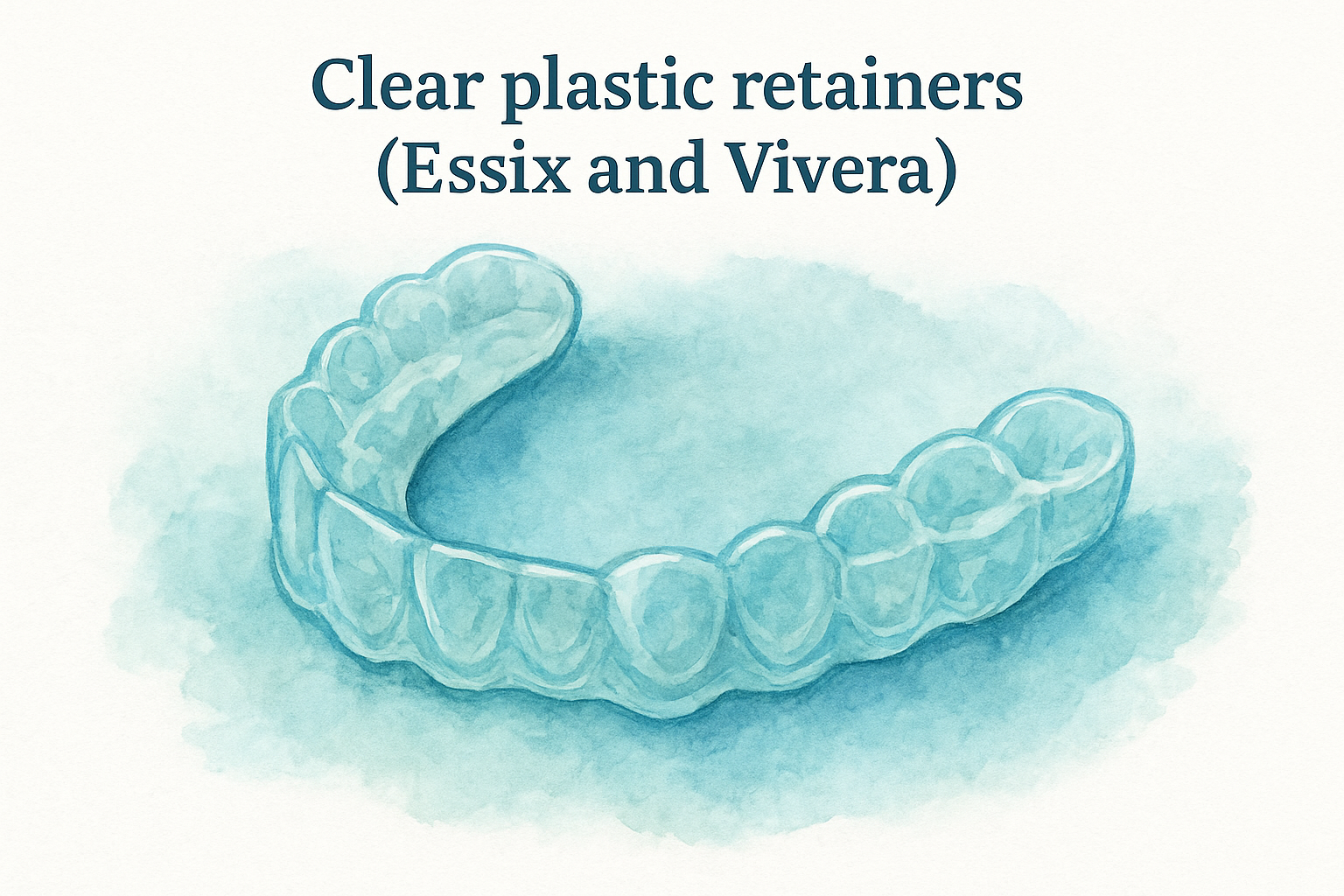
The thin construction that makes these retainers comfortable and invisible also makes them vulnerable to cracking, warping, and wear-through spots from normal use. Heat exposure remains their biggest enemy, as temperatures above 120°F permanently distort the plastic. If you grind your teeth at night, clear retainers typically fail even faster because the constant pressure thins the material and creates stress fractures. Their inability to be repaired means any significant damage requires complete replacement.
Hawley retainers
Hawley retainers combine a molded acrylic base with an adjustable metal wire that wraps around your front teeth. This traditional design typically lasts 5 to 8 years because the sturdy construction withstands more abuse than delicate plastic alternatives. The visible metal wire makes these retainers less appealing aesthetically, but their durability and adjustability compensate for the appearance trade-off.
Your orthodontist can bend the wire to make minor adjustments without fabricating an entirely new retainer, extending the useful life beyond what fixed-shape alternatives offer. The acrylic withstands normal wear and cleaning routines better than thin plastic. If the wire bends or breaks, you often can get it repaired rather than replaced. These retainers work particularly well if you grind your teeth, as the thicker construction resists fracturing.
Hawley retainers balance visibility concerns against superior durability, making them the longest-lasting removable option for most wearers.
Permanent bonded retainers
Permanent retainers consist of a thin braided wire bonded to the back surfaces of your lower or upper front teeth using dental cement. These invisible retainers can last 5 to 20 years or even longer with proper maintenance, making them the most durable retention option available. You never remove them, which eliminates compliance issues but creates unique care challenges.
Their longevity depends heavily on your flossing habits and dietary choices. Sticky or hard foods can debond the wire from one or more teeth without you immediately noticing. Regular dental checkups become critical because your dentist needs to verify the bond integrity. When sections come loose, prompt reattachment prevents tooth movement and extends the retainer's total lifespan.
Signs your retainer needs to be replaced
Catching problems early prevents tooth movement and saves you from expensive retreatment. Your retainer communicates its declining condition through visible damage, fit changes, and performance issues that you can learn to recognize. Regular inspection helps you spot these warning signs before your teeth shift. When you notice any of these indicators, contact your orthodontist promptly to assess whether you need a replacement or if repair remains possible.
Physical damage indicators
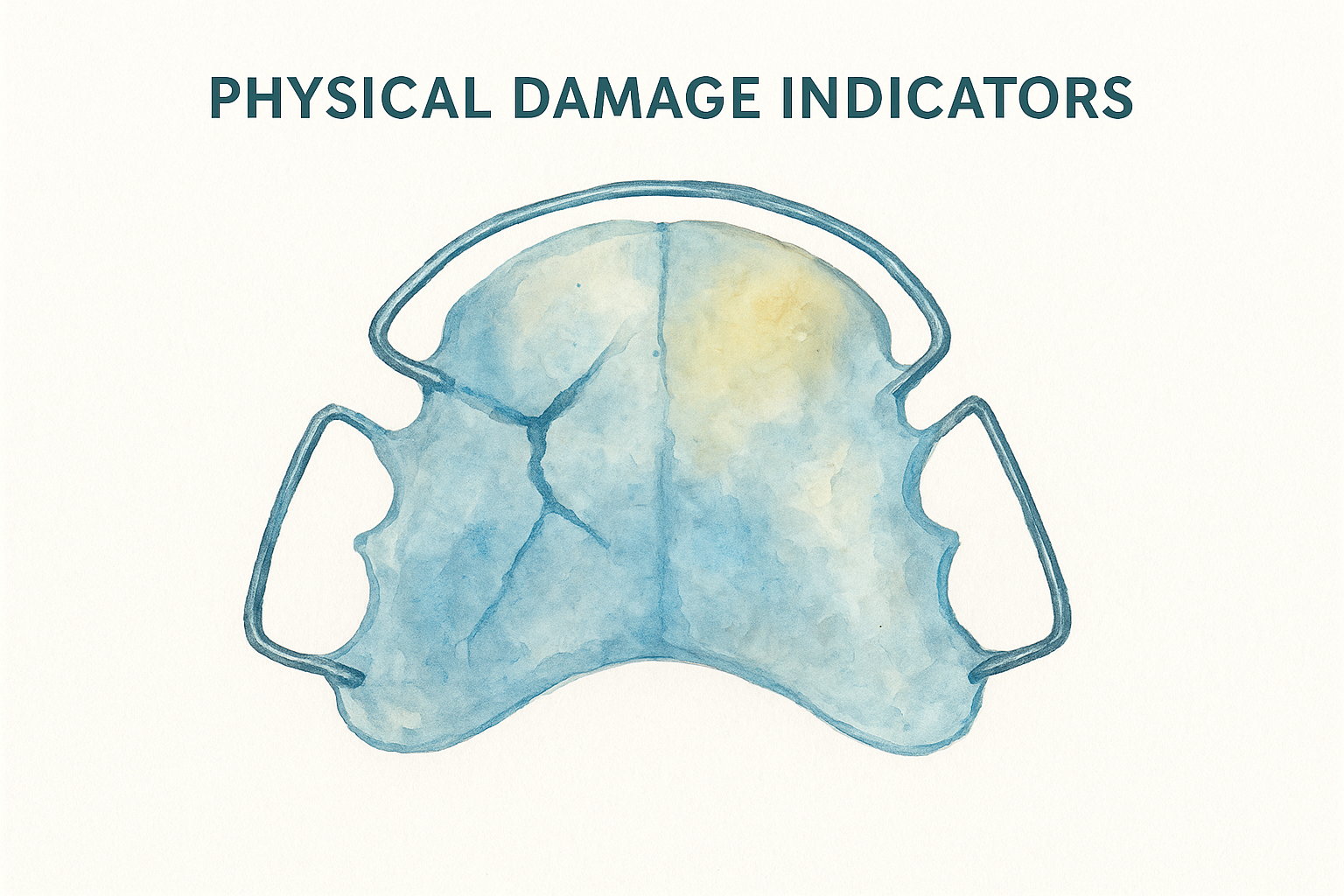
Inspect your retainer weekly for cracks, chips, or warping that compromise its structural integrity. Even hairline cracks in clear retainers signal imminent failure because the material can no longer withstand normal wear. Hawley retainers with bent wires or cracked acrylic need professional evaluation. Heat-warped retainers lose their custom fit and stop protecting your alignment effectively. Cloudiness or persistent discoloration in clear retainers indicates material breakdown that cleaning cannot reverse. Rough edges or exposed wire ends on any retainer type can irritate your gums and tongue while harboring bacteria in the damaged areas.
Fit and comfort problems
Your retainer should slip on easily and feel snug but comfortable once fully seated. Increasing difficulty inserting your retainer suggests your teeth have started shifting because the retainer no longer matches their current positions. Looseness or rocking motion when the retainer is in place means it has stretched or warped beyond usefulness. New pressure points, clicking sounds, or gaps between the retainer and certain teeth all indicate fit problems requiring replacement.
A retainer that feels progressively tighter or looser signals changes in either the appliance or your teeth that demand immediate professional assessment.
Replacement options, timing, and costs
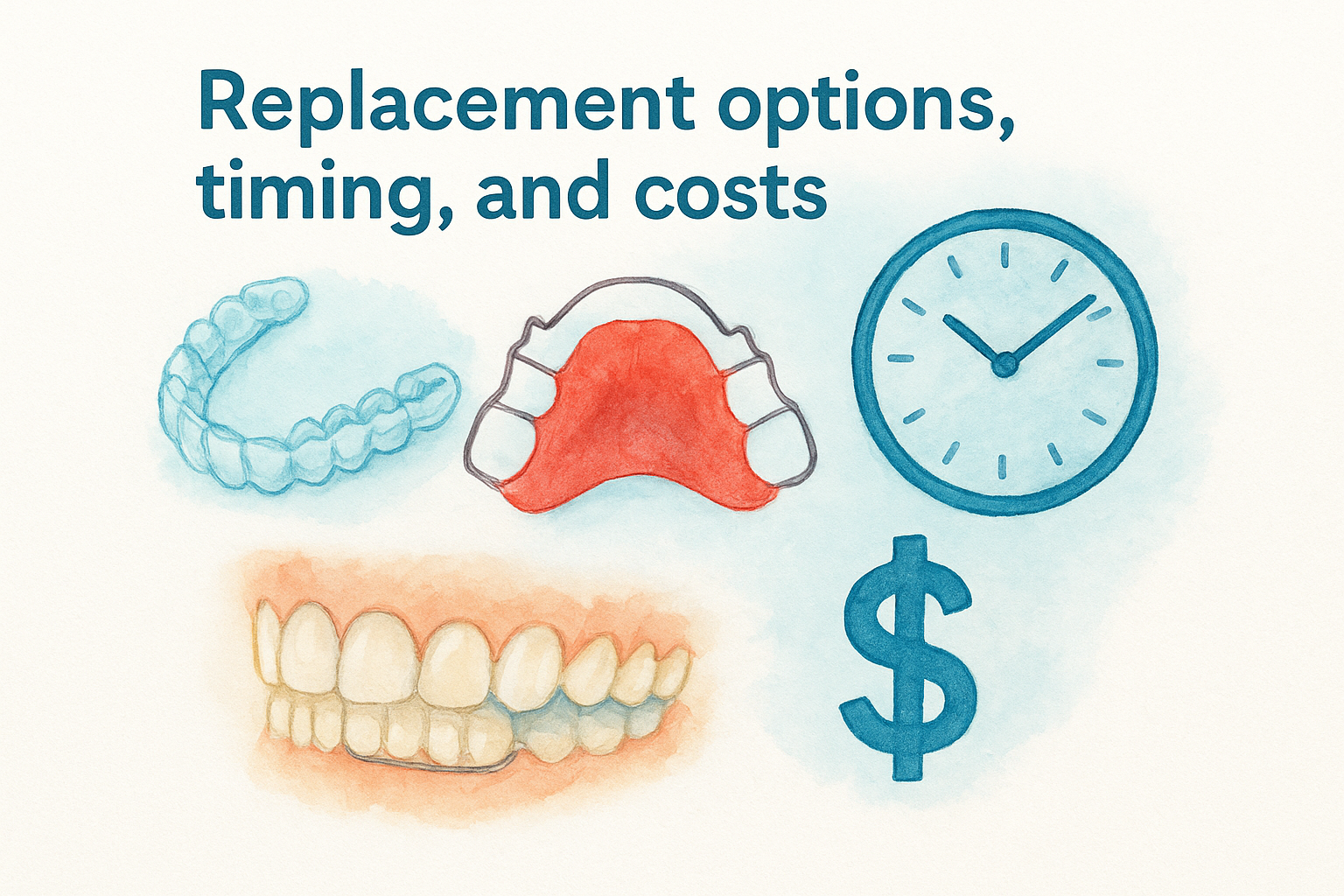
Planning for retainer replacement helps you avoid gaps in protection that allow teeth to shift unexpectedly. Understanding replacement costs, timing strategies, and available options lets you budget appropriately and schedule proactive replacements before your retainer fails completely. The financial investment in timely replacements remains far smaller than the cost of correcting shifted teeth through retreatment. Your orthodontist offers several pathways to replacement depending on your specific situation and how urgently you need a new retainer.
Understanding replacement costs
Replacement costs vary significantly based on retainer type and whether you need new impressions. Clear plastic retainers typically cost $100 to $300 per replacement, with premium Vivera versions running slightly higher. Hawley retainers range from $150 to $400 depending on materials and customization needs. Fixed retainer repairs or replacements generally fall between $150 and $300 per arch. Most dental insurance plans offer limited coverage for retainer replacements, usually covering only a small percentage after your initial set. Flexible spending accounts and health savings accounts typically accept retainer costs as qualified medical expenses, helping you manage the financial burden more effectively.
Strategic timing for replacements
Schedule proactive replacements before your retainer completely fails to prevent any gap in protection. Clear retainers benefit from replacement every 1 to 2 years even without visible damage, as material fatigue occurs gradually. Consider ordering a backup set of removable retainers when you get your primary pair, especially for clear versions that break more easily. Many orthodontists now use digital scans instead of traditional impressions, making future replacements simpler and sometimes less expensive because they keep your scan files permanently. If your retainer breaks unexpectedly, contact your orthodontist immediately because even a few days without retention can allow noticeable tooth movement, particularly soon after completing active treatment.
Strategic replacement timing prevents teeth from shifting during gaps in retainer wear, protecting your orthodontic results long-term.
Keeping your retainer working for you
The question of how long do dental retainers last comes down to three controllable factors: the type you choose, how well you maintain it, and how quickly you address problems. Your retainer protects years of orthodontic investment and prevents the disappointment of watching your teeth shift back toward their original positions. Daily cleaning with proper techniques, careful storage in protective cases, and regular professional checkups give you maximum value from each retainer while minimizing replacement frequency.
When replacement becomes necessary, don't delay the process even a few days. Teeth shift faster than most people expect, especially in the months immediately following active treatment. If you need a custom clear retainer that fits perfectly and ships fast, Remi offers dentist-quality appliances at affordable prices without requiring multiple office visits. Taking proactive care of your retainers today prevents expensive retreatment tomorrow.

