
 Guards + Retainers
 Custom Night Guard
 Retainer
 Emergency Order

 Whitening
 Whitening Kit
 Teeth Whitening Gel
 Dual-Action Foam
 Cleaning + Care
 Ultrasonic Cleaner Pro
 Water Flosser
 UV Toothbrush Sanitizer
 Deep Clean + Freshening Tablets
 Accessories
 Guard Removal Tool
 Replacement Nozzles
 Bundles

You wake up with a throbbing headache. Your jaw feels tight and sore. Maybe your teeth are starting to show wear, or your partner mentions hearing grinding sounds at night. Jaw clenching affects millions of people, causing pain that radiates through your face, disrupts your sleep, and slowly damages your teeth. The good news is that effective ways to prevent jaw clenching exist, and they do not all require expensive dental procedures or medication.
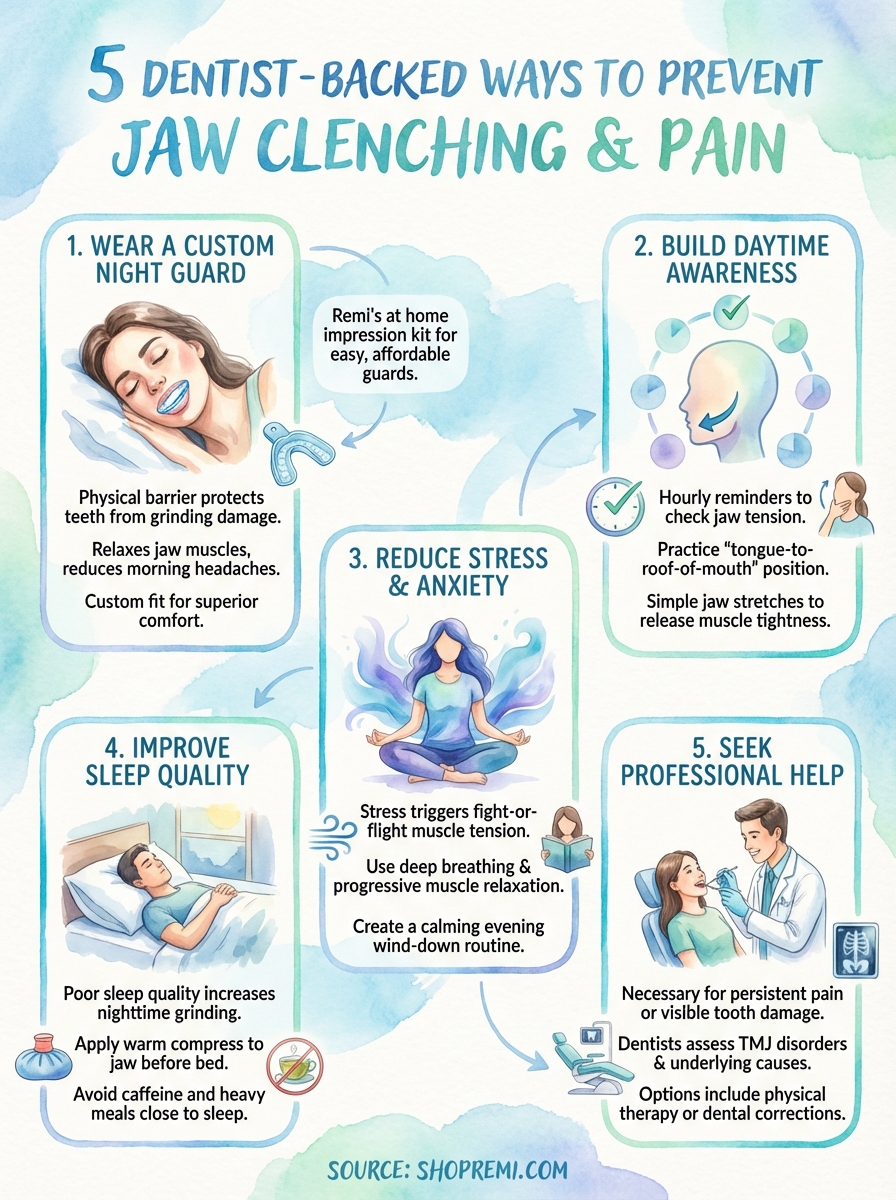
This article breaks down five dentist-backed strategies that actually work to stop jaw clenching and reduce pain. You will learn about custom night guards that protect your teeth while you sleep, daytime awareness techniques that break the clenching habit, stress management approaches that calm your jaw muscles, sleep improvements that reduce nighttime grinding, and when to seek professional help. Each method comes with practical steps you can start using right away.
1. Wear a Custom Night Guard While You Sleep
A custom night guard ranks as one of the most effective ways to prevent jaw clenching from damaging your teeth. Dentists recommend this approach because it creates a physical barrier between your upper and lower teeth, preventing the grinding that wears down enamel and causes jaw pain. Unlike drugstore options that offer a generic fit, custom guards mold precisely to your teeth, providing superior comfort and protection throughout the night.
Why dentists recommend custom night guards
Dentists favor custom night guards because they address both protection and muscle relaxation. The guard absorbs and distributes the force from clenching, reducing stress on your jaw joints and muscles by up to 50%. Your teeth stay protected from chips, cracks, and erosion while your jaw muscles experience less tension. Studies show that people who wear custom night guards report fewer morning headaches and less facial pain compared to those using over-the-counter alternatives.
"A properly fitted night guard not only protects your teeth but also helps retrain your jaw muscles to maintain a more relaxed position during sleep."
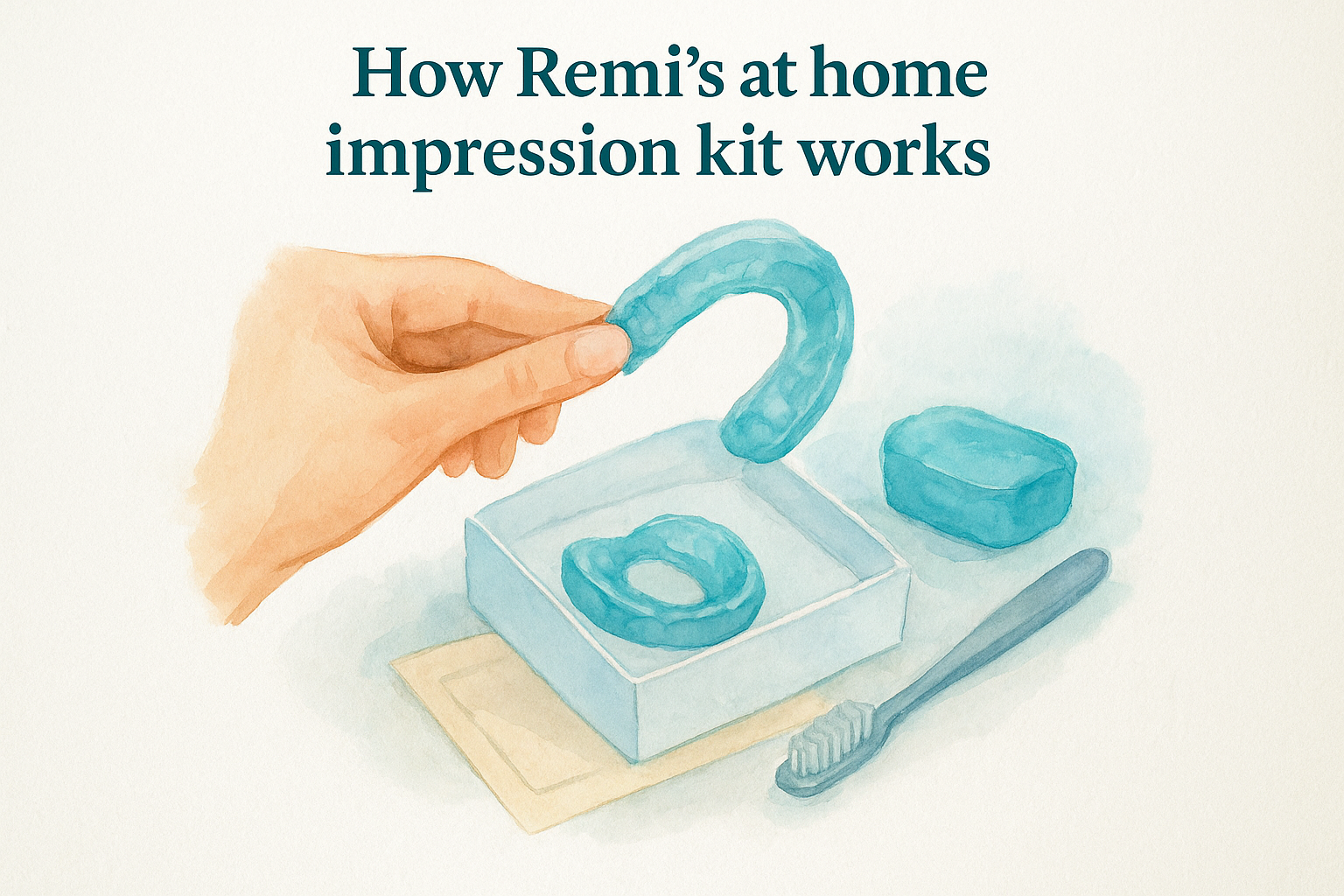
How Remi's at home impression kit works
You receive an impression kit delivered to your door, which includes moldable putty trays and detailed instructions. Following the simple steps, you bite down into the putty to create molds of your upper and lower teeth. Mail the impressions back using the prepaid shipping label, and dental professionals craft your custom night guard in a lab. Within weeks, your personalized guard arrives ready to wear, eliminating the need for multiple dental office visits and saving you hundreds of dollars.
Who benefits most from a night guard
You need a night guard if you wake up with jaw soreness, headaches, or tooth sensitivity. People experiencing stress-related grinding benefit significantly, as do those with misaligned bites or TMJ disorders. Even if you only clench occasionally, protecting your teeth now prevents expensive dental repairs later.
Choosing the right guard thickness and material
Soft guards work best for light clenchers, offering comfortable cushioning for occasional grinding. Dual-laminate or hard guards suit heavy grinders who need maximum durability and protection. Your clenching severity determines the ideal thickness, with most people finding success with a 2-3mm guard that balances protection with comfort.
How to clean and store your night guard
Rinse your guard with cool water immediately after removal each morning. Brush it gently using a soft toothbrush and mild soap twice weekly. Store it in a ventilated case away from heat and direct sunlight to prevent warping. Replace your guard every 12-18 months or when you notice significant wear patterns.
2. Build Awareness and Break the Daytime Clenching Habit
Many people clench their jaws throughout the day without realizing it, making daytime awareness one of the most overlooked ways to prevent jaw clenching. Your brain can learn to recognize and stop this unconscious habit through consistent attention and simple corrective actions. By training yourself to notice tension patterns and practicing proper jaw positioning, you reduce the frequency of daytime clenching by up to 70% within just a few weeks.
How to tell you are clenching during the day
Check for these telltale signs throughout your day: tight jaw muscles, teeth touching when not eating, or tension radiating up to your temples. You might notice clenching during stressful moments like reading emails, driving in traffic, or concentrating on detailed work. Set hourly reminders on your phone to pause and assess whether your jaw feels tense or your teeth are pressed together.
Neutral jaw and tongue position to practice
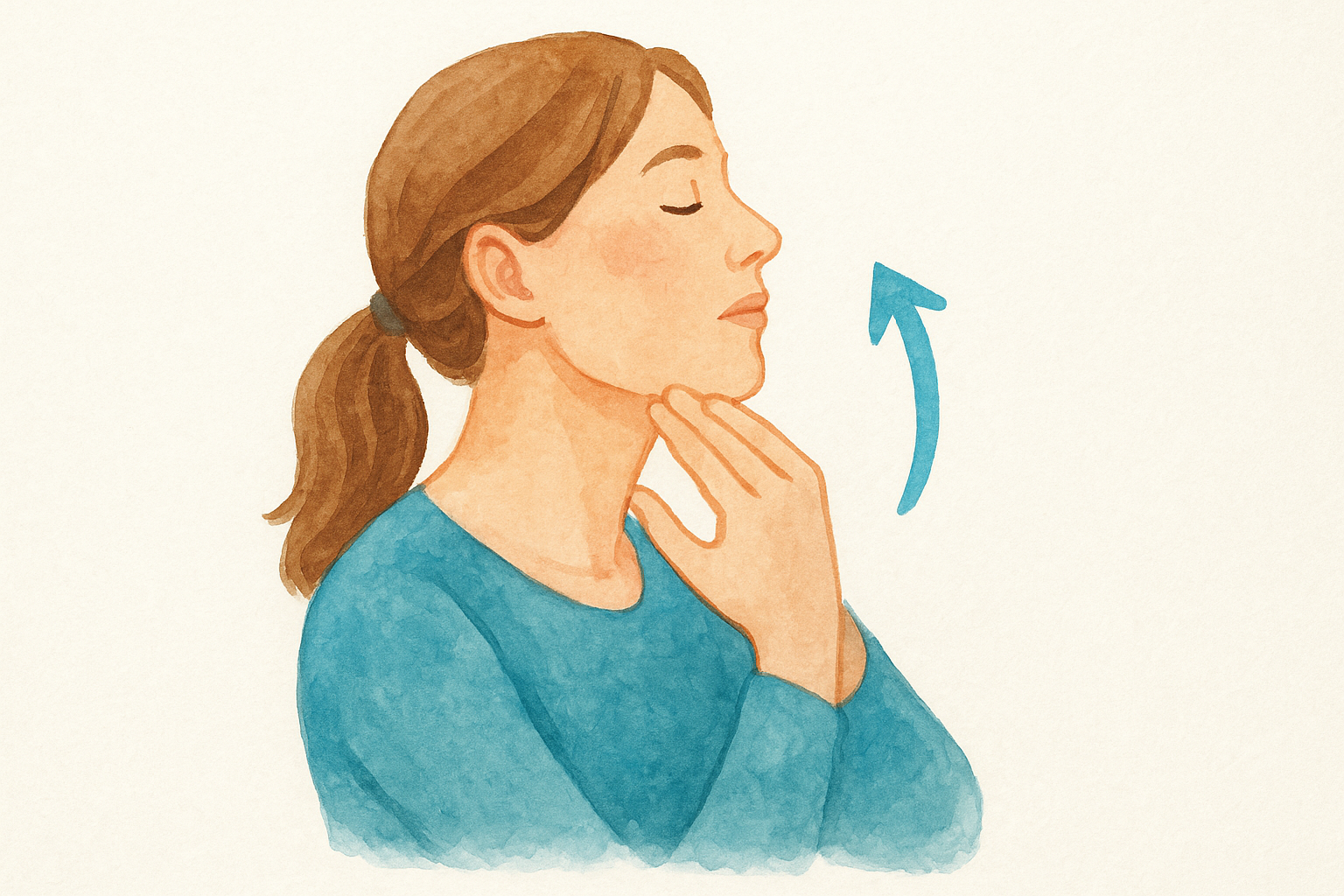
Position your tongue lightly against the roof of your mouth, just behind your front teeth, with your teeth slightly apart and your lips gently closed. This creates a natural resting position that prevents clenching. Your jaw muscles should feel completely relaxed, not engaged or holding tension. Practice this position multiple times daily until it becomes automatic, especially when you catch yourself clenching.
"The tongue-to-roof-of-mouth technique creates a subtle but powerful feedback loop that reminds your jaw to stay relaxed."
Simple jaw stretches you can do anywhere
Place your tongue on the roof of your mouth and slowly open your jaw as wide as comfortable, hold for five seconds, then close. Gently massage the muscles at your jaw joints using small circular motions. Repeat each stretch three to five times whenever you notice tension building.
Posture and screen habits that reduce jaw tension
Keep your screen at eye level to prevent forward head posture, which strains your neck and jaw muscles. Sit with your shoulders back and your head aligned over your spine. Take breaks every 30 minutes to stand, stretch, and reset your posture.
Everyday habits that make clenching worse
Chewing gum forces your jaw to work constantly, increasing tension and clenching episodes. Biting pens, fingernails, or hard foods overworks your jaw muscles. Avoid resting your chin on your hand, which pushes your jaw into an unnatural position and triggers clenching patterns.
3. Reduce Stress and Anxiety That Fuel Clenching
Stress and anxiety create a direct pathway to jaw clenching, making stress management one of the most powerful ways to prevent jaw clenching from controlling your life. Your body responds to stress by tightening muscles, and your jaw muscles become prime targets for this tension. Research shows that people experiencing high stress levels clench their jaws up to three times more frequently than those with lower stress. Addressing the mental and emotional triggers behind your clenching can reduce symptoms as effectively as any physical intervention.
How stress and anxiety trigger jaw clenching
Your nervous system activates a fight-or-flight response during stressful moments, flooding your body with cortisol and adrenaline that cause muscle tension throughout your body, including your jaw. This tension becomes habitual, meaning your jaw muscles stay partially contracted even after the stressful event passes. Chronic stress keeps your jaw in a constant state of readiness to clench, creating a cycle where tension breeds more tension.
Quick relaxation techniques you can use anytime
Practice deep breathing exercises by inhaling slowly through your nose for four counts, holding for four counts, and exhaling through your mouth for six counts. Progressive muscle relaxation works immediately by tensing and releasing different muscle groups, starting with your jaw and working through your entire body. These techniques take less than five minutes and provide instant relief when stress builds during your day.
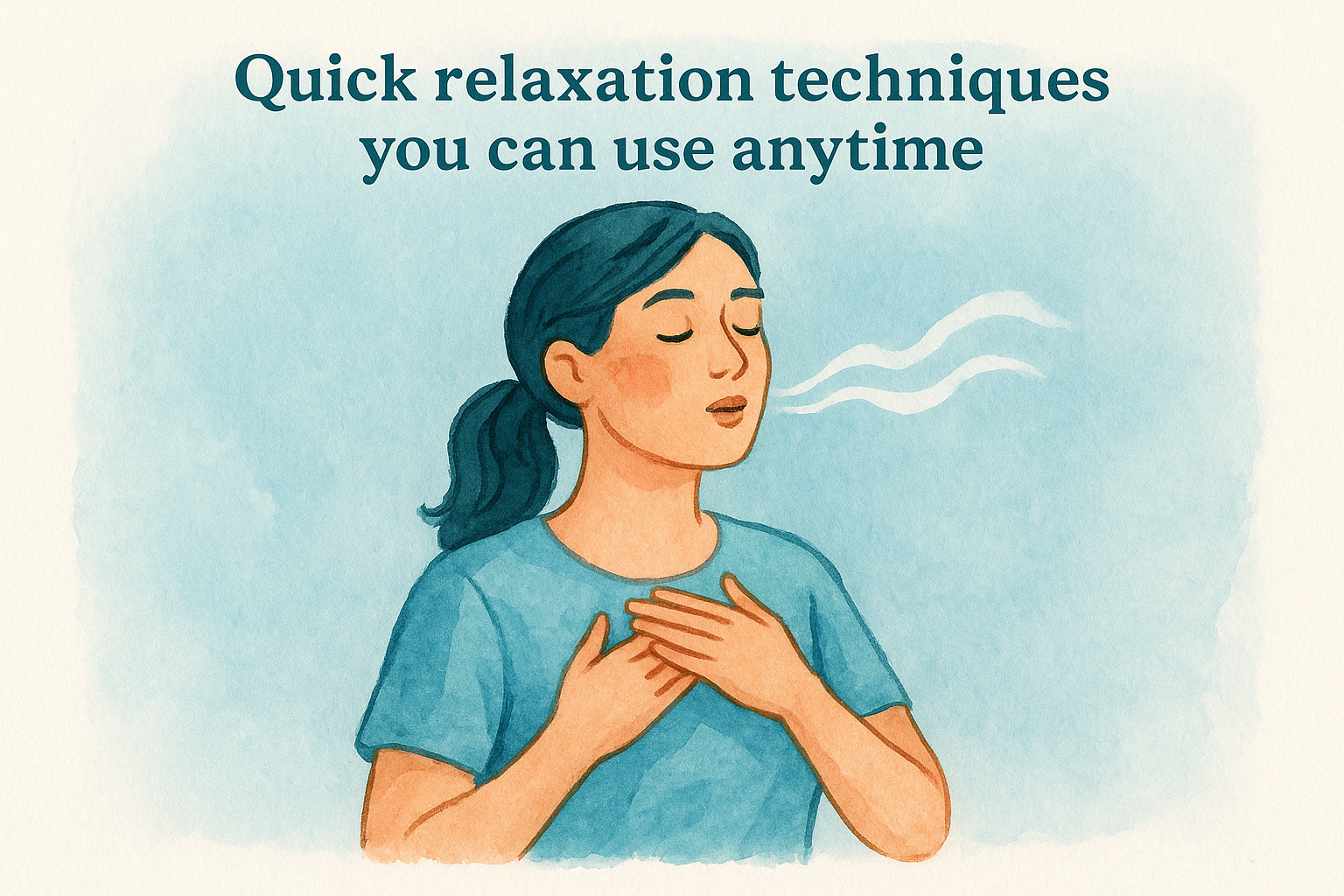
"Deep breathing directly interrupts the stress response that causes your jaw to clench, creating almost immediate muscle relaxation."
Evening wind down routines that protect your jaw
Create a 30-minute buffer before bed dedicated to calming activities like reading, gentle stretching, or listening to soothing music. Dim your lights and avoid screens during this time to signal your body that sleep approaches. This routine trains your nervous system to release tension before sleep begins.
When to seek counseling or therapy for stress
You should seek professional help when stress interferes with daily functioning or when jaw clenching persists despite trying multiple self-care approaches. Therapists trained in cognitive behavioral therapy can address underlying anxiety patterns that fuel your clenching habit, providing long-term relief that physical treatments alone cannot achieve.
4. Improve Sleep Quality to Reduce Nighttime Grinding
Poor sleep quality creates the perfect conditions for jaw clenching to intensify throughout the night. Your body enters lighter sleep stages more frequently when sleep quality suffers, and these transitions trigger increased muscle activity in your jaw. Studies show that people who sleep poorly experience jaw clenching episodes nearly twice as often as those who achieve deep, restorative sleep. Optimizing your sleep environment and habits ranks among the most effective ways to prevent jaw clenching from disrupting your rest and damaging your teeth.
How sleep quality affects jaw clenching
Your jaw muscles remain partially active during light sleep stages, making you more prone to clenching when you fail to reach deep sleep. Sleep disorders like sleep apnea increase grinding frequency by disrupting your natural sleep cycles. Better sleep quality means your jaw muscles stay relaxed for longer periods, reducing both the intensity and frequency of clenching episodes.
Bedtime habits that calm your jaw muscles
Apply a warm compress to your jaw for 10 minutes before bed to release muscle tension. Gently massage your jaw joints using circular motions to promote relaxation. These simple actions signal your muscles to stay loose throughout the night.
"A consistent pre-sleep routine that focuses on jaw relaxation can reduce nighttime clenching by up to 40% within two weeks."
What to avoid before bed to reduce clenching
Skip caffeine after 2 PM and avoid alcohol within three hours of bedtime, as both substances disrupt sleep quality and increase muscle tension. Heavy meals eaten late force your digestive system to work when you should be resting, creating stress that transfers to your jaw muscles.
Better sleep positions for jaw and neck comfort
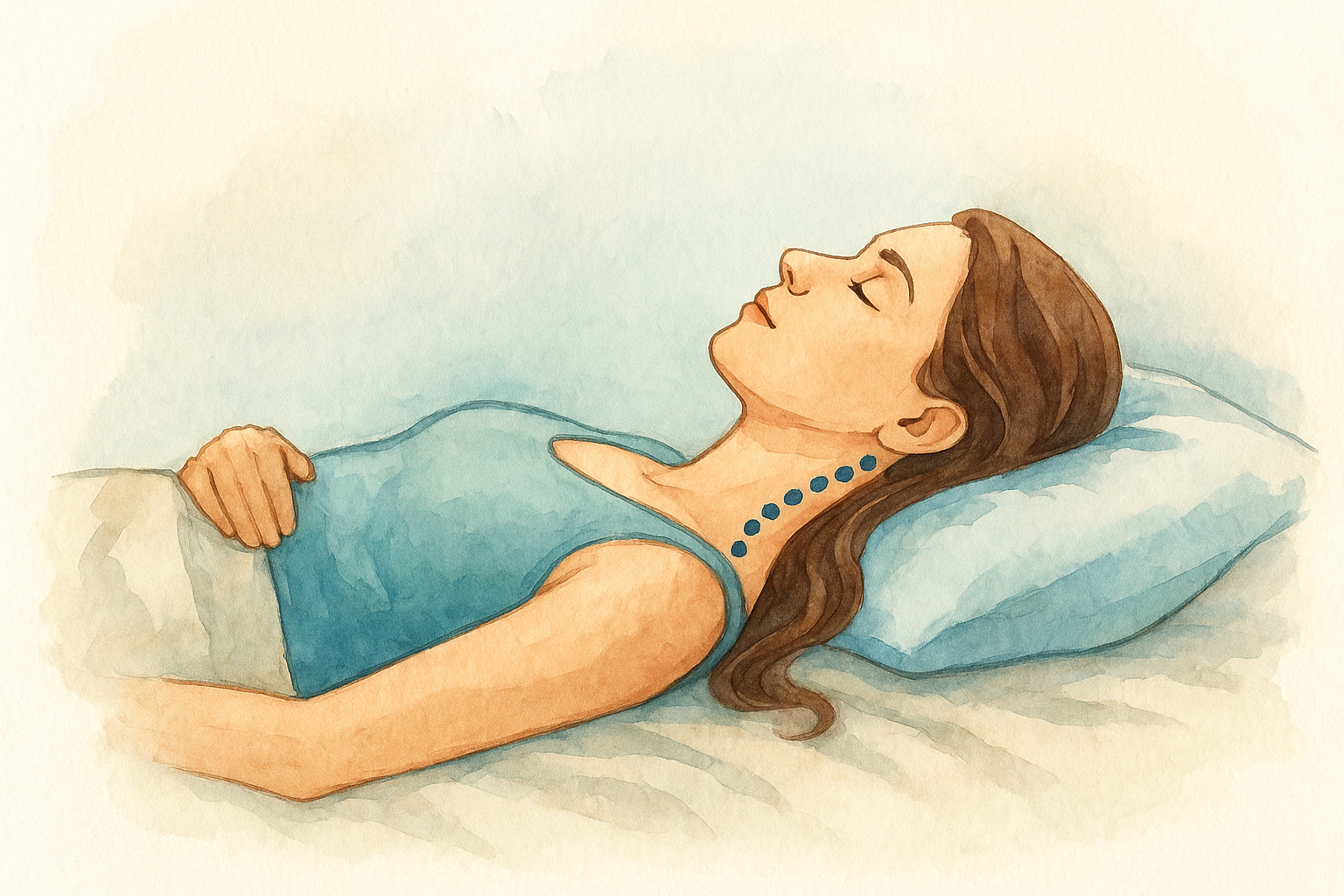
Sleep on your back with proper pillow support that keeps your neck aligned with your spine. This position prevents your jaw from shifting forward or to the side, reducing pressure on your jaw joints. Avoid stomach sleeping, which forces your head into an awkward angle that strains your jaw and neck muscles.
5. Seek Professional Help When Home Remedies Are Not Enough
Professional intervention becomes necessary when self-care approaches fail to control your jaw clenching symptoms. Dentists and doctors offer specialized treatments and diagnostic tools that identify underlying causes you cannot address alone. Knowing when to seek help and what to expect during professional care ensures you access the most effective ways to prevent jaw clenching from causing permanent damage to your teeth and jaw joints.
Signs you need a dentist or doctor to step in
Schedule an appointment if you experience persistent jaw pain lasting more than two weeks, visible tooth damage like chips or cracks, or headaches that wake you from sleep. Clicking or popping sounds in your jaw joints indicate potential TMJ disorder requiring professional assessment.
What happens during a bruxism and jaw exam
Your dentist examines your teeth for wear patterns and checks jaw movement range. They palpate jaw muscles to identify tender areas and may take X-rays to assess joint damage. This comprehensive evaluation takes 15 to 30 minutes.
Medical and dental treatments your provider may suggest
Providers prescribe muscle relaxants for severe nighttime clenching or recommend physical therapy for jaw strengthening. Some cases benefit from dental corrections that adjust your bite alignment.
Questions to ask about night guards and other options
Ask about guard material options and expected lifespan, plus whether insurance covers the cost. Inquire about alternative treatments if guards prove ineffective for your specific situation.
Simple next steps
You now have five proven ways to prevent jaw clenching that dentists recommend. Start by identifying which approach fits your current situation. If you clench at night, a custom night guard offers immediate protection. Daytime clenchers benefit from practicing awareness techniques throughout their day. Most people find success by combining multiple strategies rather than relying on just one method.
Begin with the easiest changes first, like setting hourly reminders to check your jaw position or establishing a calming bedtime routine. Track your symptoms for two weeks to measure improvement. If home remedies do not reduce your pain within this timeframe, schedule a dental appointment.
Ready to protect your teeth tonight? Get your custom night guard with an at-home impression kit that makes professional protection affordable and convenient.

