
 Guards + Retainers
 Custom Night Guard
 Retainer
 Emergency Order

 Whitening
 Whitening Kit
 Teeth Whitening Gel
 Dual-Action Foam
 Cleaning + Care
 Ultrasonic Cleaner Pro
 Water Flosser
 UV Toothbrush Sanitizer
 Deep Clean + Freshening Tablets
 Accessories
 Guard Removal Tool
 Replacement Nozzles
 Bundles
Waking up with a tense jaw, dull headache, and sensitive teeth is not “just sleeping funny.” For many people, it is a sign of bruxism - grinding or clenching teeth, often without realizing it. Research suggests that roughly a fifth of people worldwide live with some form of bruxism, with very similar rates for both sleep and awake grinding, making it far more common than most patients assume according to a large global prevalence analysis. Night guards are one of the simplest and most effective ways to protect your smile from this constant, hidden stress.
This guide walks through what bruxism actually is, how it harms teeth and jaw joints, when a night guard is appropriate, and how to choose between a dental-office guard and a high-quality at-home option. It also explores how stress, sleep, and new wearable technology fit into the picture, so you can take control instead of waking up worried about damage you cannot see.
How Common Is Bruxism and Why It Matters
Bruxism is not a rare condition limited to a few highly stressed people. It is a widespread pattern of jaw muscle activity that shows up as clenching, grinding, or a mixture of both. Many patients only discover it because a partner hears grinding at night, or a dentist spots flattened or chipped tooth surfaces and receding gums that do not match their age or brushing habits.
Global data now indicates that bruxism affects a substantial portion of the population across age groups and regions, with both daytime and nighttime forms showing up at similar rates based on systematic review findings. That level of prevalence means untreated grinding is quietly wearing down millions of smiles. Even if the underlying muscle activity is not always a “disease,” the mechanical forces on teeth, fillings, and jaw joints can be intense, leading to cracks, sensitivity, and sometimes jaw joint disorders.
What Actually Happens When You Grind or Clench
Bruxism is essentially overactive jaw muscles. In sleep bruxism, these muscles fire in bursts while you are unconscious, often during lighter stages of sleep. In awake bruxism, the pattern is usually more clenching than grinding - the teeth press firmly together, often during moments of concentration, frustration, or anxiety. Over time, that constant pressure can be as damaging as obvious grinding.
Each episode may last only moments, but they add up. Enamel - the hard outer shell of teeth - is strong, yet it is not designed for hours of side-to-side scraping or intense squeezing every night. The results can include worn biting edges, small fractures, gum recession, and sore chewing muscles. Many people mistake the morning discomfort for sinus issues or “just getting older,” overlooking bruxism as the root cause.
From Disease to Protective Response
Clinically, the understanding of bruxism has shifted. It is no longer viewed purely as a disease, but rather as a type of jaw motor activity that can sometimes have physiological or even protective roles, depending on the context as discussed in contemporary prosthodontic literature. For example, some episodes may help maintain airway patency or stabilize the jaw in certain sleep positions.
That does not mean bruxism is harmless. The key distinction is that the muscle activity itself is not always “pathology,” but the consequences on teeth, restorations, and joints can absolutely become pathological. Dentistry’s role is to protect the hard and soft tissues from damage, not to eliminate every trace of muscle movement. This is exactly where a well-designed night guard fits in: it works with the jaw’s natural movement while shielding the structures at risk.
Signs You May Need a Night Guard
Patients are often surprised to learn that they are ideal candidates for a night guard even if they never hear grinding sounds. Some of the most reliable clues show up during the day or at dental checkups, rather than in the middle of the night.
Common warning signs include:
- Morning jaw fatigue, tightness, or soreness in the cheeks and temples
- Dull headaches after sleep or long work sessions
- Teeth that look shorter, flatter, or chipped along the edges
- Increased sensitivity to hot, cold, or sweets despite good brushing habits
- Clicking or popping sounds in the jaw joints when opening wide or chewing
- Indentations along the sides of the tongue or cheek where teeth press at night
If these patterns sound familiar, discussing a night guard with a dental professional makes sense. The goal is not only to relieve symptoms, but also to prevent future cracks, fractures, and expensive restorative work. This is especially important if you have veneers, crowns, or orthodontic results you want to preserve long term.
Why You Grind: Stress, Sleep, and Lifestyle Triggers
Bruxism has many contributing factors. Genetics, medications, airway issues, and bite relationships can all play a role. For many adults, though, the biggest drivers are psychological stress and the quality of sleep.

Stress, Anxiety, and the Pandemic Effect
Stress and anxiety consistently show up as key contributors to bruxism flare-ups, which helps explain why so many people reported new or worsening grinding during the pandemic years according to bruxism monitoring research. When the nervous system stays in a heightened state, jaw muscles often reflect that tension. People may clench during long hours at a laptop, in traffic, or while scrolling on a phone late at night.
Over time, this pattern can become semi-automatic. Even once acute stress levels settle, the jaw may continue firing in the same way. That is why patients sometimes feel their life is “less stressful now,” yet signs of grinding remain. A night guard does not remove stress, but it breaks the direct link between emotional tension and dental damage by absorbing much of the load.
Sleep Quality and the Grinding Cycle
Sleep and bruxism have a two-way relationship. Poor or fragmented sleep can trigger more jaw activity, and jaw activity can then further disrupt sleep. Interestingly, recent work suggests that how restful you feel may matter more for bruxism than what many devices report about your sleep architecture based on a study of subjective sleep quality and grinding symptoms.
That means paying attention to how you actually feel in the morning - refreshed or drained - is clinically important. Patients who wake unrefreshed, even after apparently adequate time in bed, often show stronger patterns of grinding and clenching. Addressing insomnia, inconsistent bedtimes, and late-night screen exposure can reduce bruxism intensity, making a night guard part of a broader sleep-improvement plan rather than a standalone fix.
How Night Guards Protect Your Teeth and Jaw
A night guard is a custom-molded appliance that fits over either the upper or lower teeth. It does not “stop” the brain from sending signals to the jaw muscles. Instead, it changes what happens when those muscles fire. Instead of enamel grinding directly against enamel, the guard becomes a protective interface.
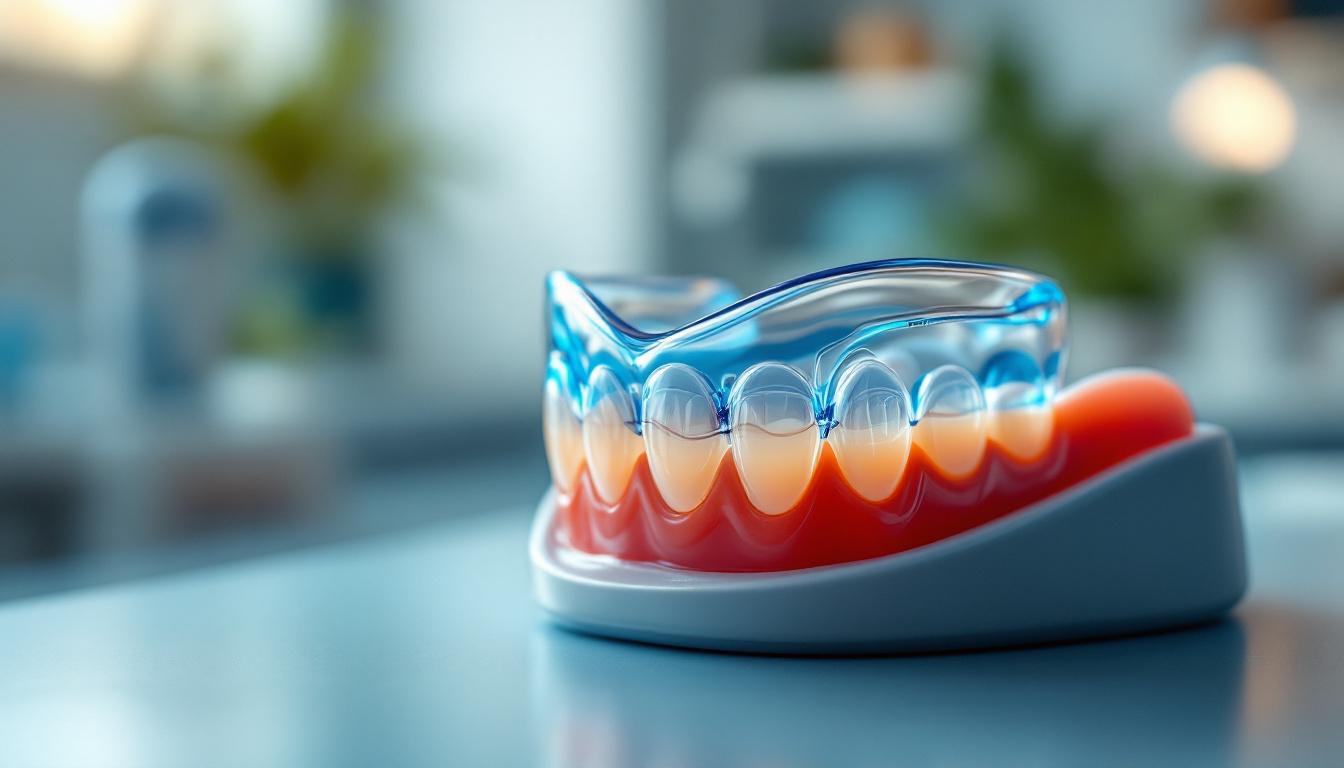
That cushioning and redistribution of force makes a real difference. It can prevent micro-fractures in enamel, protect fillings and crowns from chipping, and decrease compressive load on the jaw joints. Many patients also notice that simply wearing a guard makes them more aware of clenching during the day, helping them break subconscious habits.
Custom vs. Generic Guards
Not all night guards are created equal. Drugstore “boil and bite” trays are better than nothing in some cases, but they often feel bulky, can shift during sleep, and may not distribute forces evenly. Poorly fitting guards sometimes aggravate jaw joints or even encourage more clenching.
Custom guards - whether made in a dental office or through a reputable at-home service like Remi - start with an impression of your teeth and are fabricated in a lab. This allows the material thickness, shape, and contact points to be tailored to your bite. Patients who have struggled with uncomfortable stock guards are often surprised at how slim and natural a properly made custom guard can feel.
What a High-Quality At-Home Guard Looks Like
Modern direct-to-consumer brands have borrowed the same lab techniques dentists use, then streamlined the process for home use. With Remi, for example, the process begins with a mail-order mold kit that guides you through taking impressions from home. Those impressions are used to create a precise digital model and then a custom-fitted guard.
Different material designs help match the guard to the severity of grinding. Softer styles can feel more forgiving for lighter clenchers or those sensitive to pressure, while firmer exteriors are helpful for heavy grinders who need more durability. Hybrid constructions combine a soft inner layer with a harder outer shell, balancing comfort and strength. All of this aims for a slim, stable fit that is easy to wear through the night.
Cleaning is equally important. A guard that is worn regularly but only scrubbed with a toothbrush can accumulate biofilm, odors, and staining. Using an ultrasonic cleaner - like Remi’s compact unit designed for guards, aligners, and retainers - helps remove bacteria and debris from tiny crevices without harsh chemicals. That not only feels fresher, it also prolongs the life of the appliance.
Choosing Between Dentist-Made and At-Home Night Guards
From a clinical standpoint, the most important qualities in a night guard are accurate fit, appropriate material, and patient compliance. A perfectly designed appliance does no good in a drawer. Both dentist-made and reputable at-home custom guards can meet these criteria when done well.
A guard made through a dental office allows your dentist to evaluate jaw joints, bite relationships, and existing restorations in person. This can be particularly helpful if you have complex dental work, a history of jaw locking, or unexplained facial pain. On the other hand, in-office guards often come with higher costs and additional appointments, which is why many people delay getting one until problems are more advanced.
Direct-to-consumer options like Remi reduce many of those barriers. By mailing impression kits and using the same professional-grade materials found in many dental labs, they offer a practical route for patients who value convenience and cost savings but still want a tailored fit. Many patients choose an at-home guard as a first step, then follow up with their dentist to integrate it into a broader treatment plan as needed.
Beyond the Guard: Daily Habits That Reduce Bruxism Strain
A night guard is a powerful tool, but it works best as part of a broader strategy. Small daily changes can significantly lower the load on your teeth and jaw, making the guard’s job easier and your results better.
Simple but effective habits include keeping teeth slightly apart during the day except when chewing or swallowing, using the tongue to rest gently against the palate instead of pressing the teeth together, and taking regular posture breaks during desk work. Patients are often surprised at how often they find their teeth touching once they start paying attention.
Stress management belongs in this plan as well. Short, consistent relaxation practices - breathing exercises, gentle stretching before bed, journaling, or a brief mindfulness routine - can calm the nervous system and reduce nighttime muscle overactivity. Making your oral-care ritual part of a wind-down routine helps too: clean your night guard in an ultrasonic cleaner, brush and floss thoroughly, and then avoid screens for a little while before sleep. That sequence signals to your body that it is safe to relax.
The Future of Bruxism Care and At-Home Tech
Interest in bruxism has grown alongside interest in sleep and wearable technology. In recent market analyses, at-home sleep monitoring devices and wearables used for tracking bruxism activity have seen a rise of more than a third over a short span, reflecting how strongly people want data about what happens while they sleep according to industry trend reports. These tools can help quantify grinding episodes and give both patients and clinicians feedback on how treatments - from guards to stress-reduction programs - are working.
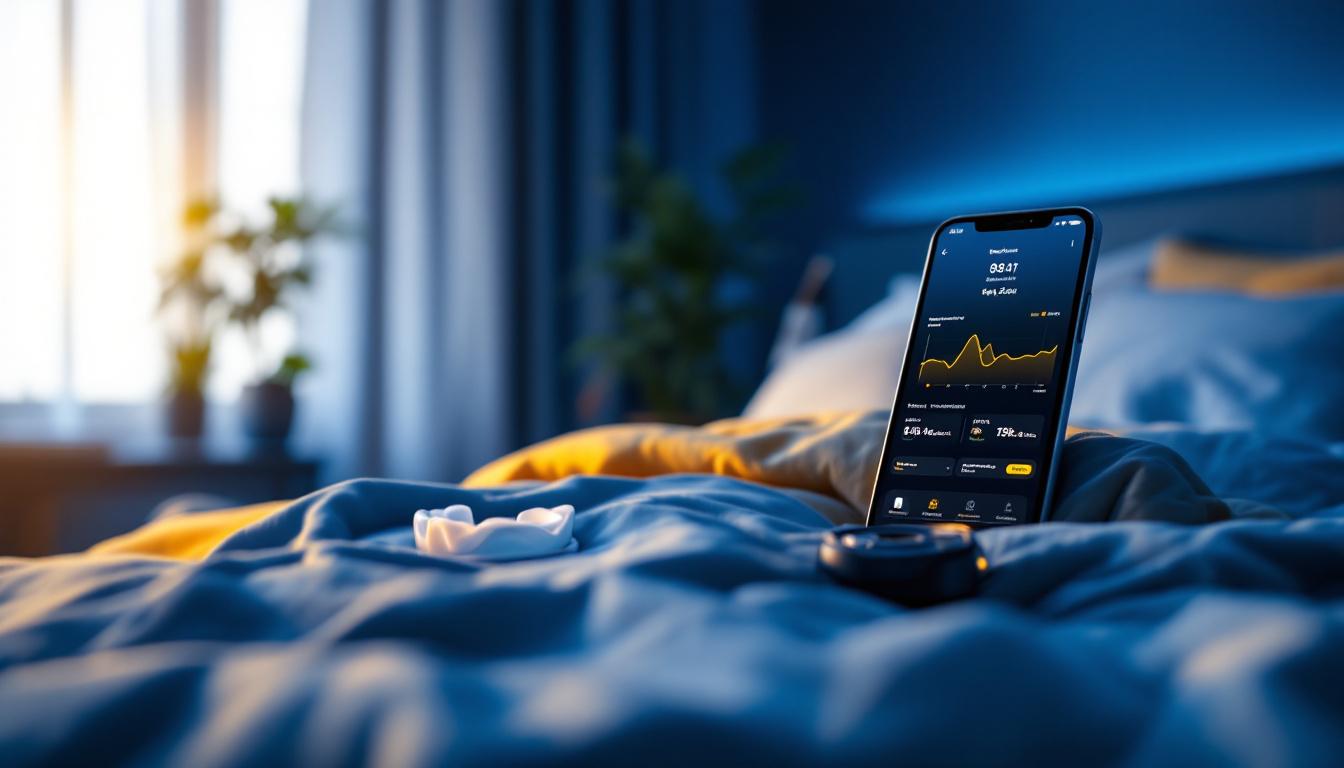
At the same time, economic forecasts suggest that demand for bruxism treatment is accelerating, with the overall market expected to grow from just over a billion dollars to well beyond that within the coming decade at a robust compound annual growth rate based on global bruxism treatment market analyses. This growth is driven by rising awareness of sleep disorders, stress-related conditions, and the convenience of at-home solutions.
For patients, this is good news. It means better access to custom night guards without prohibitive costs, more comfortable materials, and smarter devices that can track jaw activity alongside heart rate and sleep stages. Brands like Remi are part of this shift, delivering lab-quality guards, ultrasonic cleaners, and gentle whitening systems straight to doors, so people can build a complete nighttime oral-care routine at home. The essential step, though, remains the same: recognize the signs of bruxism early, protect your teeth with a well-fitting guard, and work with a dental professional to keep your smile strong, comfortable, and healthy for the long term.
Ready to take the next step in protecting your smile from the effects of bruxism? Remi offers custom night guards that are up to 80% cheaper than traditional options, without sacrificing quality. With our easy at-home impression kit, you can get a perfect fit tailored just for you, choosing between 1mm and 2mm thickness for your comfort. Join The Remi Club for regular replacements at a fraction of the cost, and rest easy knowing your night guard is made in the USA with dental-grade, BPA-free plastic. Experience the Remi difference and enjoy a healthier, more comfortable smile. If you're not completely satisfied, our 30-day return policy has you covered. Shop Now and start your journey to a better night's sleep and a protected smile.