


Celebrity endorsements and sleek marketing have made Snow teeth whitening one of the most talked-about at-home whitening brands. From LED kits to dissolving strips, their products promise professional-level results without a dentist visit. But with prices ranging from budget-friendly strips to premium kits costing over $100, you're right to wonder if the investment actually pays off.
At Remi, we specialize in custom dental products and oral care solutions, including our own teeth whitening foam designed to work alongside night guards. This gives us a unique perspective on what actually works when it comes to whitening products, and what's mostly hype. We've done the research so you can make an informed decision before adding anything to your cart.
This article breaks down everything you need to know about Snow teeth whitening: how the technology works, what real users are saying about their results, the true cost breakdown, and whether these products are safe for your enamel. Whether you're comparing options or ready to buy, you'll walk away with the facts you need to decide if Snow is worth your money.
What Snow teeth whitening is
Snow teeth whitening is an at-home dental whitening brand that uses LED-accelerated technology combined with proprietary serum formulas to lighten tooth stains. The company launched in 2017 and quickly gained attention for its wireless LED mouthpiece kits that you can use while doing other activities. Unlike traditional whitening trays that require messy gel application and awkward positioning, Snow's flagship products aim to make the whitening process more convenient and less intrusive to your daily routine.
The technology behind Snow products
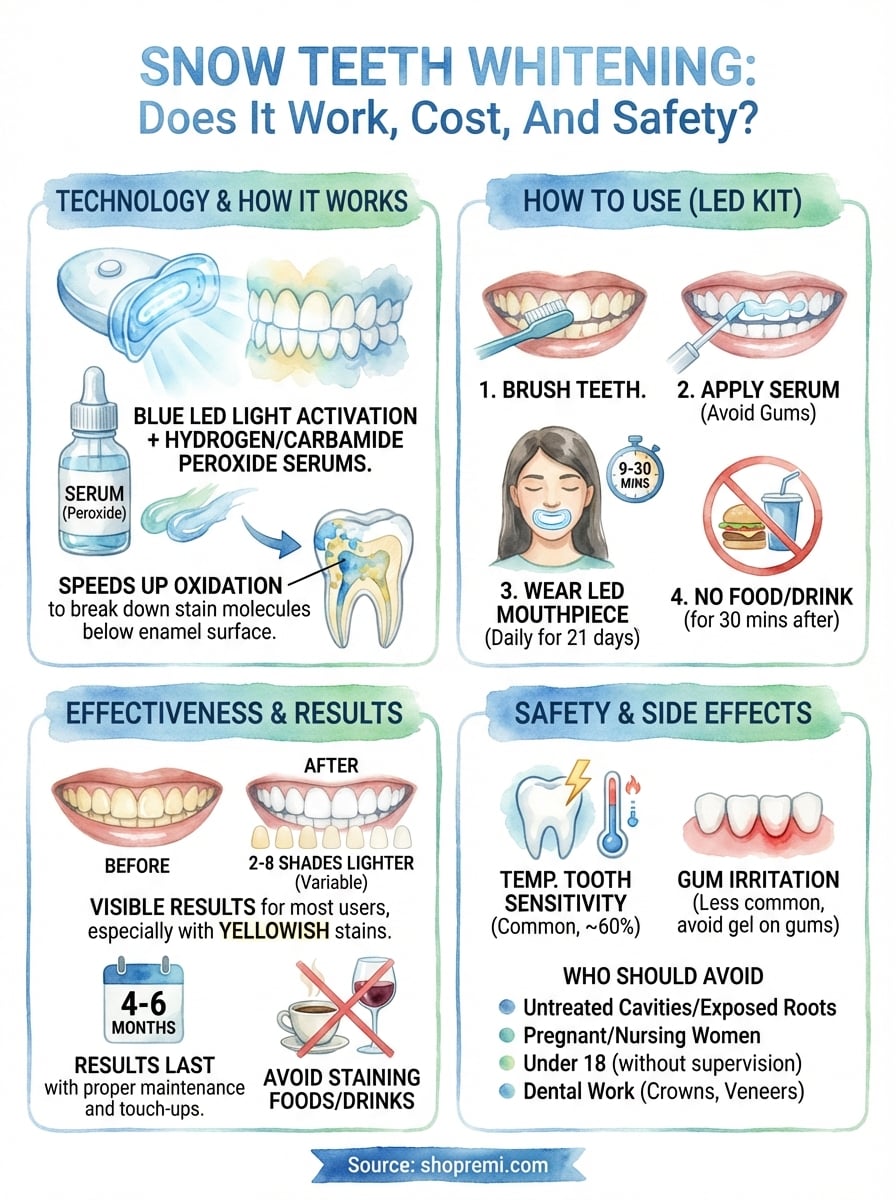
The core of Snow's whitening system relies on blue LED light activation paired with hydrogen peroxide or carbamide peroxide serums. When you apply the whitening serum to your teeth and activate the LED mouthpiece, the light is designed to speed up the oxidation process that breaks down stain molecules. The company claims their technology can penetrate below the enamel surface to target deeper discoloration that regular toothpaste can't reach.
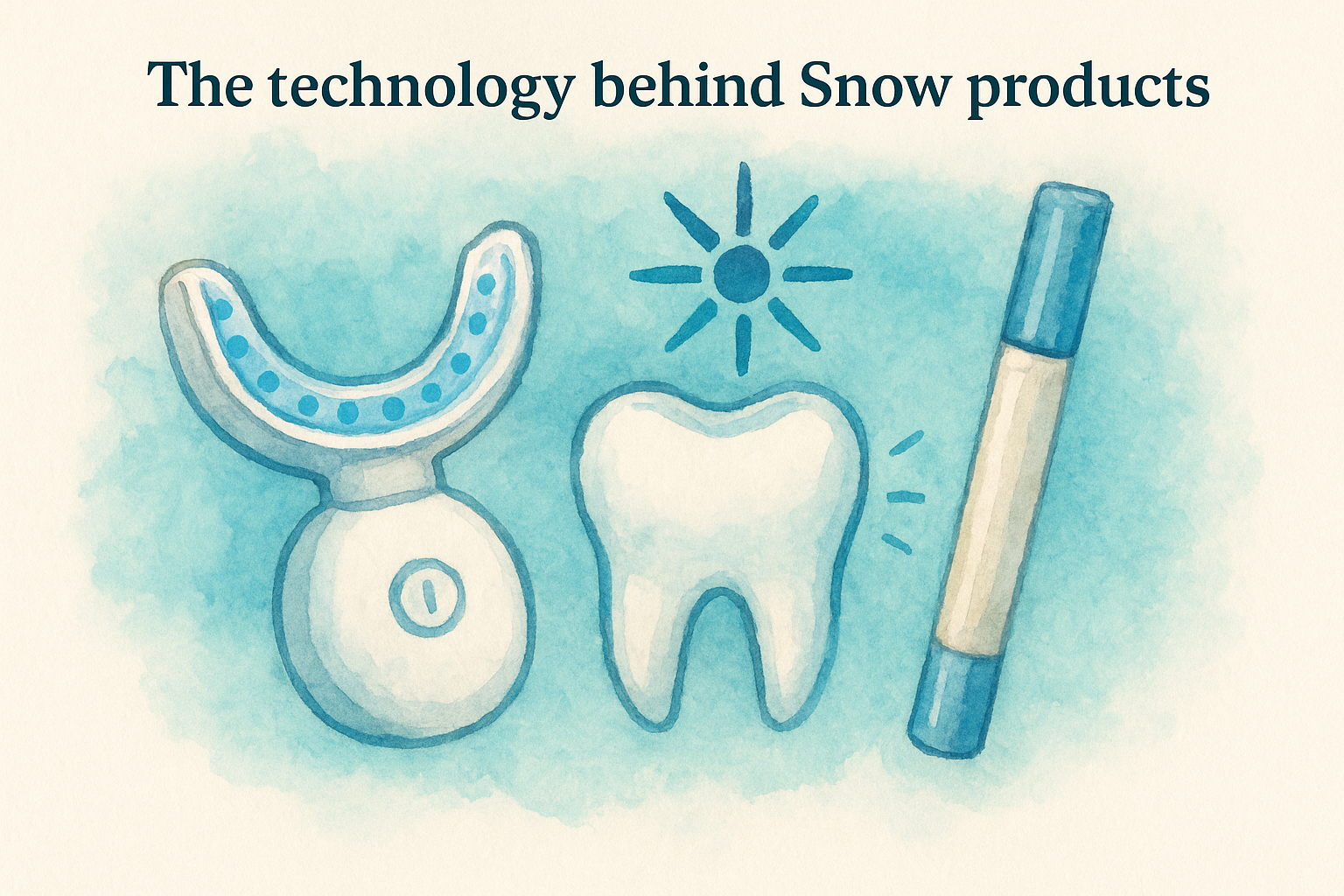
Snow's serums contain varying concentrations of active whitening ingredients depending on the product line. Their standard formula includes hydrogen peroxide at levels comparable to what you'd find in professional dental offices, though the exact percentages vary by product. The brand also offers sensitivity-friendly options that use lower concentrations or alternative ingredients for people with reactive teeth or gums.
The LED acceleration technology is what sets Snow apart from basic whitening strips, though the actual whitening power still comes from the chemical ingredients in the serum.
Snow's product lineup
Snow sells several whitening formats to fit different budgets and preferences. Their flagship Wireless Whitening Kit includes the LED mouthpiece, multiple serum wands, and typically retails between $150 and $200 depending on promotions. This kit is their most comprehensive option and what most customers start with when they're serious about results.
Beyond the LED kits, Snow offers Magic Strips that dissolve on your teeth without requiring removal, making them convenient for travel or quick touch-ups. These strips cost significantly less than the full kit, usually around $30 to $40 for a multi-week supply. You'll also find their whitening serums sold separately for refills, along with complementary products like whitening toothpaste and mouthwash that are designed to maintain your results between treatments.
The brand positions itself in the premium at-home whitening market, priced higher than drugstore options but lower than in-office professional treatments. This middle-ground pricing strategy targets customers who want better results than basic strips can deliver but aren't ready to spend several hundred dollars at a dental office.
Why people use Snow teeth whitening
People turn to Snow teeth whitening primarily to remove surface stains and restore their natural tooth color without scheduling multiple dental appointments. The brand appeals to customers who notice yellowing from coffee, tea, red wine, or smoking, and want a solution they can control at home. You might also consider Snow if you're preparing for a major event like a wedding or job interview where you want to look your best, or if you simply feel self-conscious about discolored teeth affecting your confidence.
Stain removal and daily discoloration
Your teeth collect visible stains from everyday foods and drinks that regular brushing can't fully eliminate. Coffee drinkers, wine enthusiasts, and anyone who consumes dark-colored beverages regularly see the most dramatic discoloration over time. Snow's formula targets these surface stains along with deeper yellowing that develops naturally as you age and your enamel thins. The products promise to reverse years of buildup in weeks rather than months, which appeals to people who want faster results than whitening toothpaste alone can deliver.
Convenience and cost compared to professional treatments
You choose at-home options like snow teeth whitening because professional dental whitening typically costs between $300 and $1,000 per session. Snow's kits range from $30 to $200, giving you multiple applications for less than a single dentist visit. The convenience factor matters just as much as the price: you can whiten your teeth while watching TV, working from home, or doing household tasks, rather than blocking out appointment time and dealing with the sensitivity that often follows in-office treatments.
At-home whitening lets you control the pace and intensity of your treatments based on how your teeth respond, something you can't do with one-time professional sessions.
How to use Snow kits, strips, and serums
Snow teeth whitening products share a simple application process, but each format has specific steps you need to follow for optimal results. The LED kit requires the most setup and time commitment, while strips and standalone serums offer faster alternatives when you're short on time. Understanding the proper technique for each product type helps you avoid uneven whitening or unnecessary sensitivity that comes from misuse.
LED kit application steps
You start by brushing your teeth thoroughly to remove any food particles or surface debris that could block the whitening serum. Apply the whitening serum directly to your teeth using the included wand applicator, covering the front surfaces evenly without getting gel on your gums. Insert the LED mouthpiece and turn it on, then leave it in place for the recommended time, which typically ranges from 9 to 30 minutes depending on the specific kit you purchased.
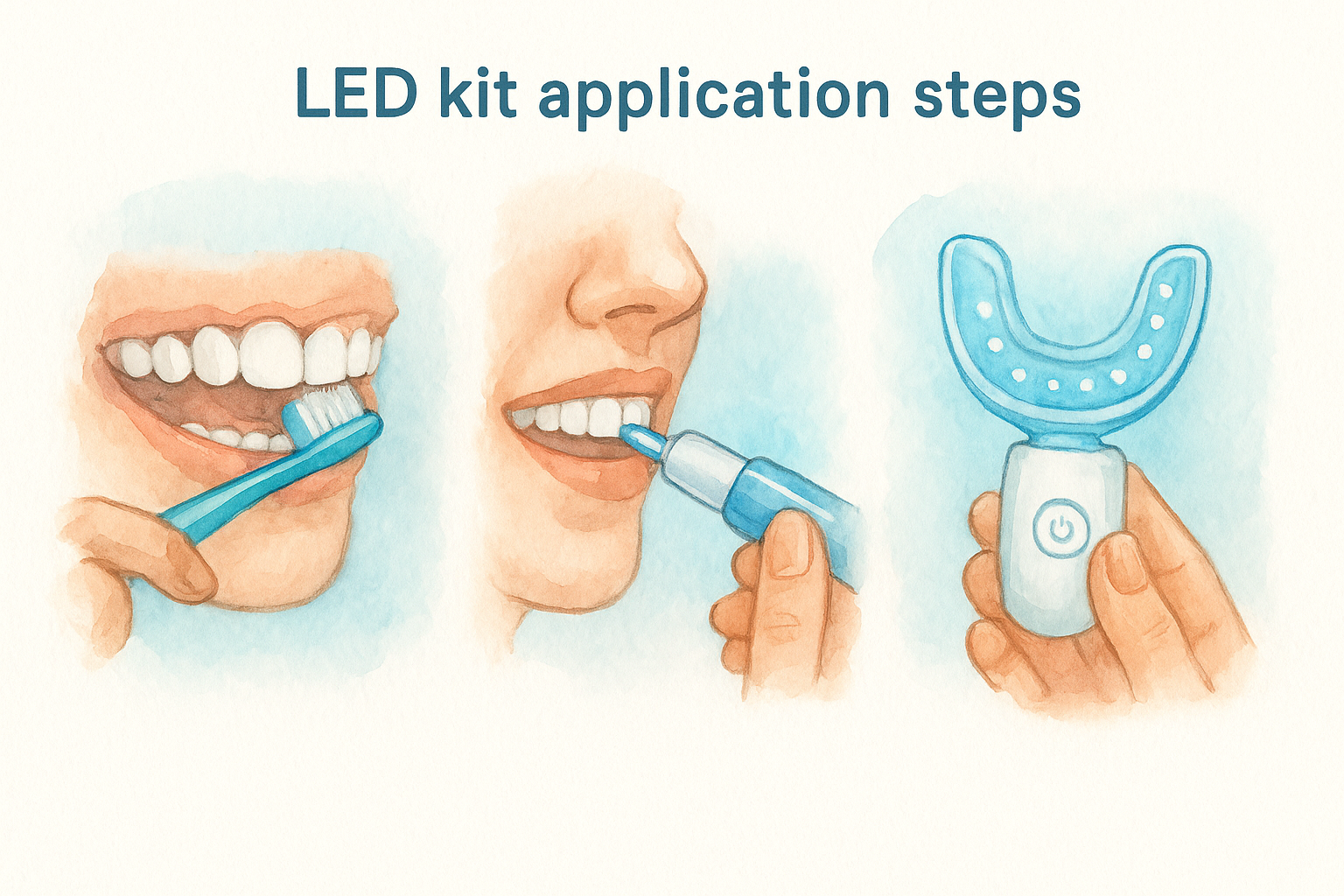
Snow recommends using the LED kit once daily for 21 consecutive days during your initial whitening phase, then switching to maintenance treatments two to three times per week. You shouldn't eat or drink for at least 30 minutes after removing the mouthpiece to let the whitening ingredients fully absorb. The wireless design means you can walk around and do light activities during treatment, though talking with the mouthpiece in place feels awkward for most users.
Consistency matters more than duration when it comes to at-home whitening, so stick to the daily schedule even if you don't see immediate changes.
Using strips and serums
Magic Strips dissolve directly on your teeth, requiring you to apply them to dry tooth surfaces and let them sit for 15 minutes before they fully disappear. Standalone whitening serums work similarly to the LED kit formula but without the light activation, meaning you brush them on and leave them for the specified time without rinsing. Both options cost less than the full LED system but generally take longer to show visible results since they lack the acceleration technology.
Does Snow teeth whitening work and how long it lasts
Snow teeth whitening delivers visible whitening results for most users, though the degree of change varies based on your starting tooth color and the type of stains you're treating. Clinical testing and customer reviews show that surface stains from food and drinks respond best to the LED-activated formula, with many people seeing two to eight shades lighter after the full 21-day treatment cycle. Your results depend heavily on how consistently you follow the application schedule and whether you continue avoiding stain-causing substances during treatment.
Real results and what influences effectiveness
You'll see the most dramatic improvements if you start with yellowish discoloration rather than grayish or brown tones, since hydrogen peroxide works best on organic stains. People who use the LED kit daily report better outcomes than those who skip treatments or only use the standalone serums without light activation. Your natural tooth enamel thickness also plays a role: thinner enamel limits how much whitening any product can achieve since the underlying dentin shows through more prominently.
Intrinsic stains caused by medications or trauma respond poorly to at-home whitening systems, regardless of the brand you choose.
How long whitening results last
Your whitening results typically last four to six months with proper maintenance, though this timeline shortens significantly if you resume heavy coffee, tea, or red wine consumption. Snow recommends touch-up treatments every two to three weeks after your initial cycle to maintain your new shade. You can extend your results by using whitening toothpaste daily, avoiding dark beverages when possible, and rinsing your mouth after meals that could stain your teeth.
Safety, side effects, and who should skip it
Snow teeth whitening products contain FDA-approved ingredients in concentrations similar to what dental professionals use, making them generally safe for most adults. However, you need to understand the potential side effects and know whether your specific dental situation makes these products a poor choice. The most common reaction involves temporary tooth sensitivity, which affects roughly 60% of users during their first week of treatment.
Common side effects you might experience
Tooth sensitivity ranks as the most frequent complaint, causing sharp pain when you consume hot or cold foods and drinks during your whitening cycle. This happens because the hydrogen peroxide temporarily opens your enamel pores, exposing the underlying dentin layer to temperature changes. Gum irritation occurs less frequently but affects users who accidentally apply too much serum or let it contact their soft tissue for extended periods.
Sensitivity typically peaks around day three to five of treatment and decreases as your teeth adapt to the whitening formula.
You can manage sensitivity by reducing your treatment frequency to every other day or switching to Snow's sensitivity-focused formula with lower peroxide concentrations. Most discomfort resolves within 48 hours after you stop treatments completely.
Who should avoid Snow products
You should skip snow teeth whitening if you have untreated cavities, exposed tooth roots, or recent dental work like crowns and veneers that won't respond to whitening agents. Pregnant or nursing women should avoid hydrogen peroxide products entirely since limited research exists on safety during these periods. People under 18 shouldn't use these products without direct supervision from their dentist, as developing teeth respond differently to whitening chemicals than fully mature adult teeth.
Next steps
Snow teeth whitening products can deliver noticeable results when you follow the application schedule consistently and understand their limitations. You now have the facts about costs, effectiveness, and safety to decide whether these products fit your needs and budget. Remember that whitening only addresses surface discoloration, so maintaining your results requires ongoing oral hygiene habits and limiting stain-causing foods and drinks.
Your teeth whitening efforts work best when you protect your overall dental health. If you grind or clench your teeth at night, you're constantly wearing down enamel that whitening products depend on to show results. Consider protecting your investment with a custom night guard that prevents grinding damage while you work on achieving your ideal smile. Our night guards cost 80% less than traditional dental office options and arrive ready to use, giving you professional-grade protection without the hefty price tag or multiple appointments.

