


You just finished months or years of orthodontic treatment and got your retainers. Now you're facing a new challenge: keeping these custom appliances clean, safe, and effective so your teeth stay straight. Skip proper care and you risk warped plastic, broken wires, foul odors, or worse, teeth shifting back to their original positions. Without clear retainer care instructions, many people accidentally damage their retainers or develop bad habits that compromise their results.
This guide walks you through everything you need to know about caring for removable and fixed retainers. You'll learn daily cleaning routines, safe storage practices, eating and drinking rules, and how to handle common problems like tight fits or cloudy plastic. Whether you have clear Essix retainers, wire Hawley retainers, or bonded permanent retainers, these instructions will help you protect your investment and maintain your smile for years to come.
1. Start with the right retainer fit
Your retainer only works when it fits correctly and you follow the proper care routine from day one. A poorly fitted retainer won't hold your teeth in place, and neglecting retainer care instructions leads to expensive replacements or teeth shifting back. Understanding your specific retainer type and establishing good habits now saves you time, money, and frustration later.
Why retainer care matters after braces
The bone and tissue around your teeth need months or years to stabilize after orthodontic treatment. Your retainer holds everything in position while this natural process happens. Skip wearing your retainer for even a few days and you risk permanent tooth movement that requires additional treatment to correct.
Proper retainer care protects the investment you made in your smile and prevents costly re-treatment down the road.
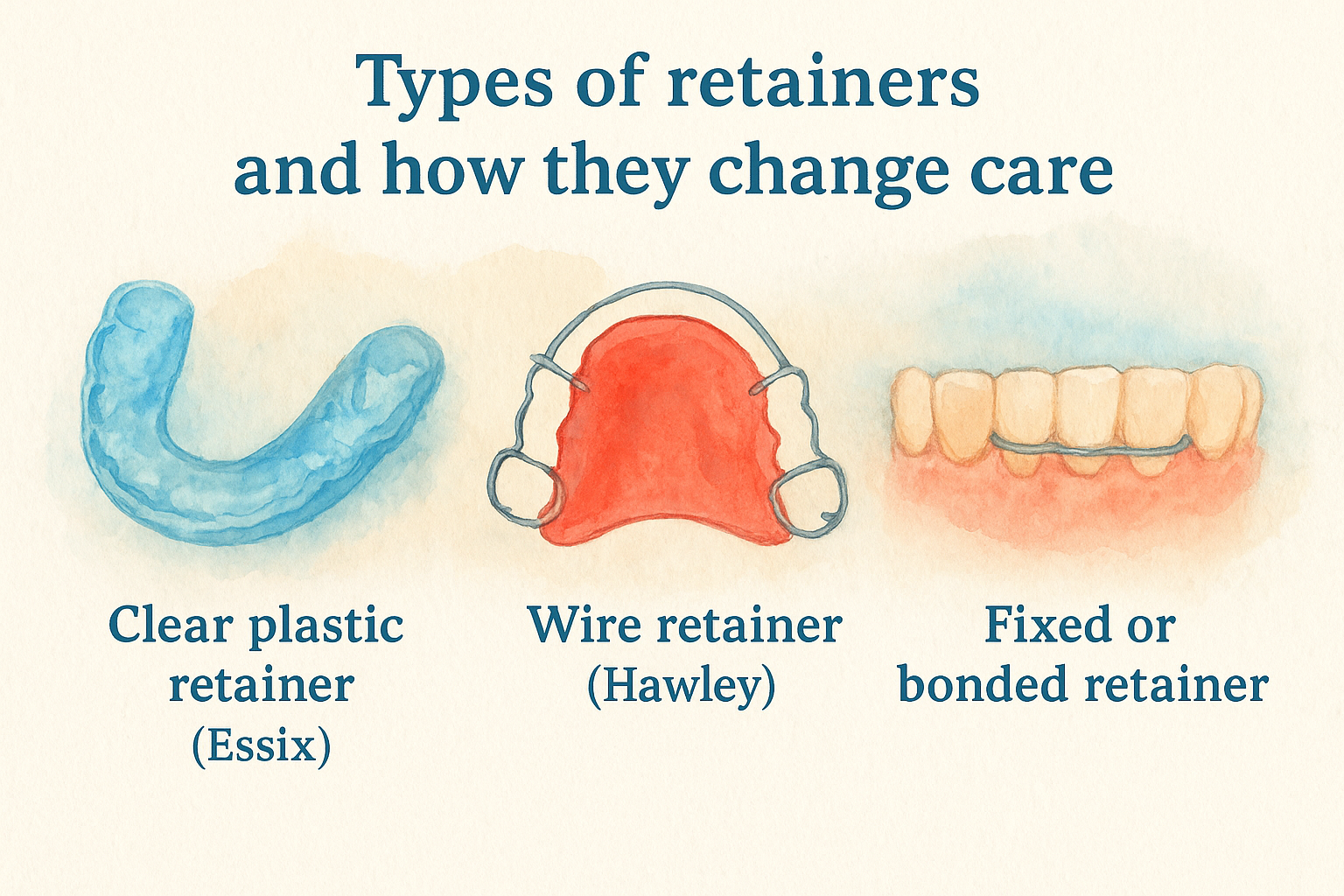
Types of retainers and how they change care
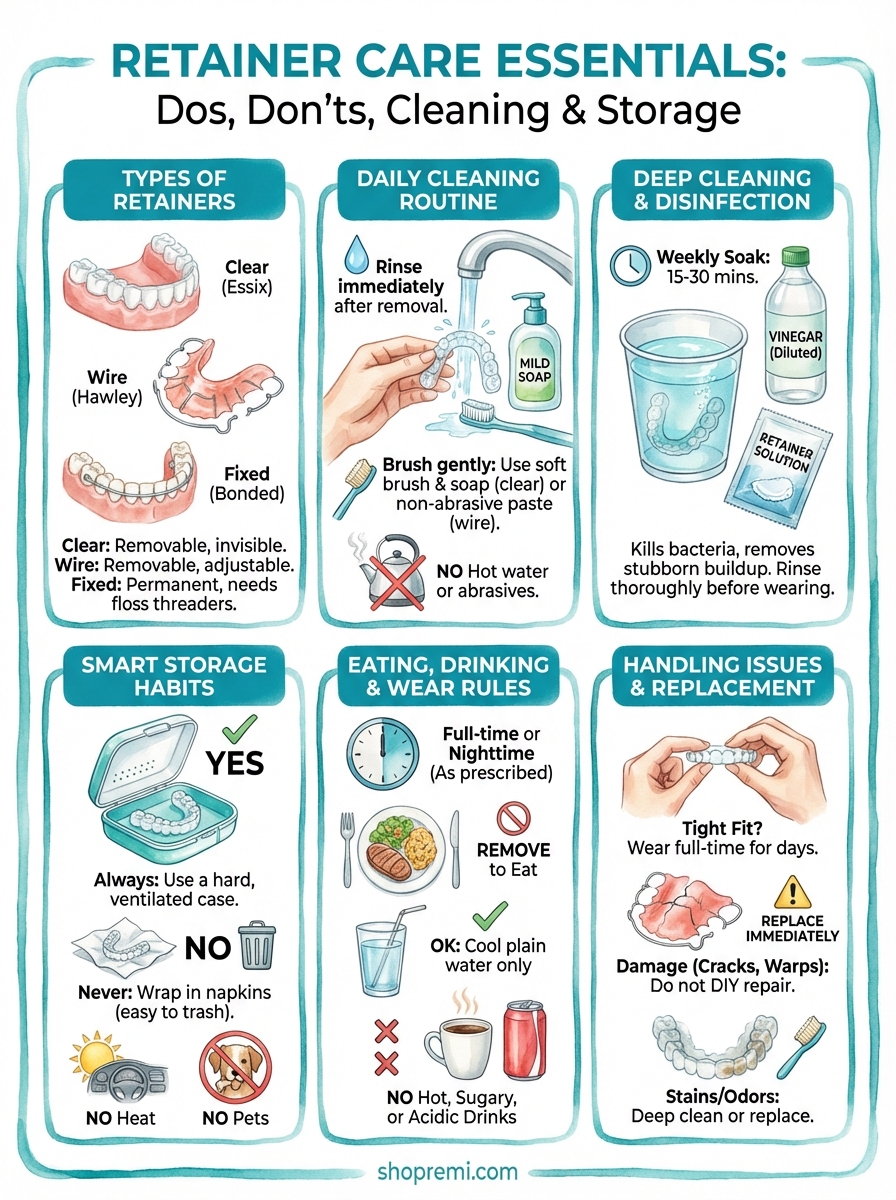
Clear plastic retainers (Essix) snap over your teeth and require removal before eating, while wire retainers (Hawley) use metal and acrylic that you can adjust over time. Fixed or bonded retainers stay permanently attached behind your teeth and need special flossing techniques. Each type requires different cleaning methods and storage approaches.
How custom clear retainers from Remi work
Remi creates custom clear retainers using impressions you take at home, delivering professional-quality appliances without dental office visits. These removable retainers fit your exact tooth positions and cost significantly less than traditional options while maintaining the same quality standards.
Setting wear time and replacement expectations
Most orthodontists recommend wearing retainers full-time for 6 to 12 months after braces, then transitioning to nighttime wear. Plan to replace clear retainers every 12 to 24 months as the plastic naturally wears down, even with excellent care.
2. Daily cleaning for clear and wire retainers
Your retainer collects bacteria, plaque, and food particles every time you wear it, making daily cleaning essential to prevent bad odors, stains, and oral health problems. Following proper retainer care instructions for cleaning protects both your appliance and your teeth from decay and gum disease. The cleaning method you use depends on your retainer type, but consistent daily care keeps every style fresh and functional.
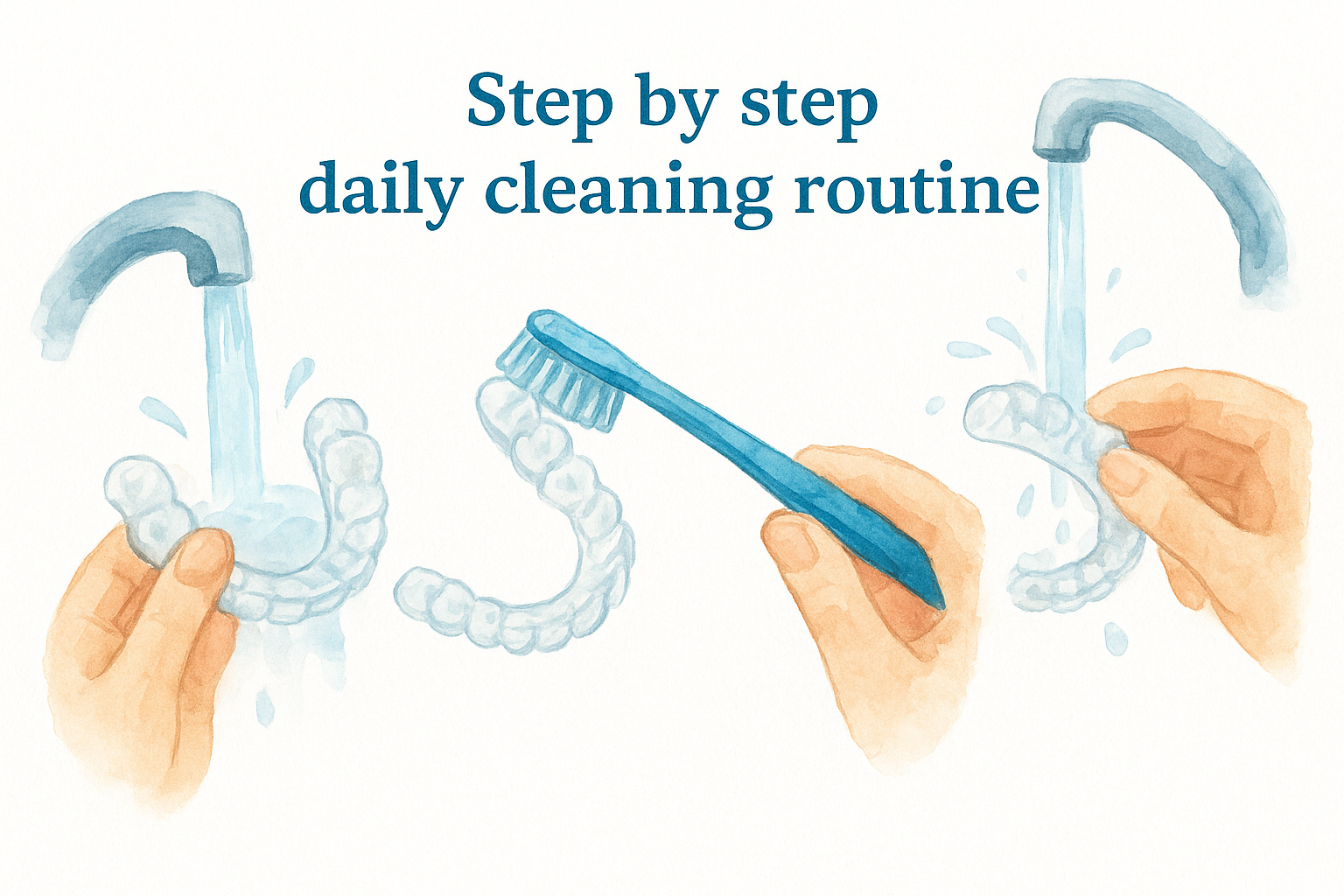
Step by step daily cleaning routine
Remove your retainer and rinse it immediately under cool running water to wash away saliva and loose debris. Use a soft-bristled toothbrush designated specifically for your retainer and gently brush all surfaces, including grooves where bacteria hide. Rinse thoroughly again before placing it back in your mouth or storing it in its case.
Safe cleaners to use on different materials
Clear plastic retainers respond well to mild dish soap or unscented hand soap, while wire retainers tolerate gentle toothpaste without abrasive whitening ingredients. Avoid hot water on any retainer type because heat warps the plastic and loosens bonded components. Never use mouthwash, bleach, or denture tablets with alcohol, as these chemicals damage retainer materials and cause discoloration over time.
Clean your retainer every morning and night with the same consistency you brush your teeth to maintain optimal oral hygiene.
How to clean fixed bonded retainers and wires
Fixed retainers require floss threaders or interdental brushes to remove buildup behind the bonded wire where regular floss can't reach. Thread floss carefully under the wire and slide it up and down each tooth to clear trapped food and plaque. Brush around the wire with a standard toothbrush, angling bristles to reach all surfaces attached to your teeth.
Weekly deep cleaning and disinfection options
Soak removable retainers once weekly in a retainer cleaning solution or white vinegar diluted with equal parts cool water for 15 to 30 minutes. This deep clean eliminates stubborn buildup and kills bacteria that daily brushing misses. Rinse the retainer completely after soaking to remove any residual cleaning solution before wearing it again.
3. Smart storage and handling habits
Your retainer stays safe and functional only when you store it properly between wearings. Improper storage causes most preventable damage, from lost retainers thrown away in napkins to cracked plastic left in hot cars. Following smart storage and handling habits protects your retainer from heat, pressure, bacteria, and accidental disposal while keeping it accessible when you need it.
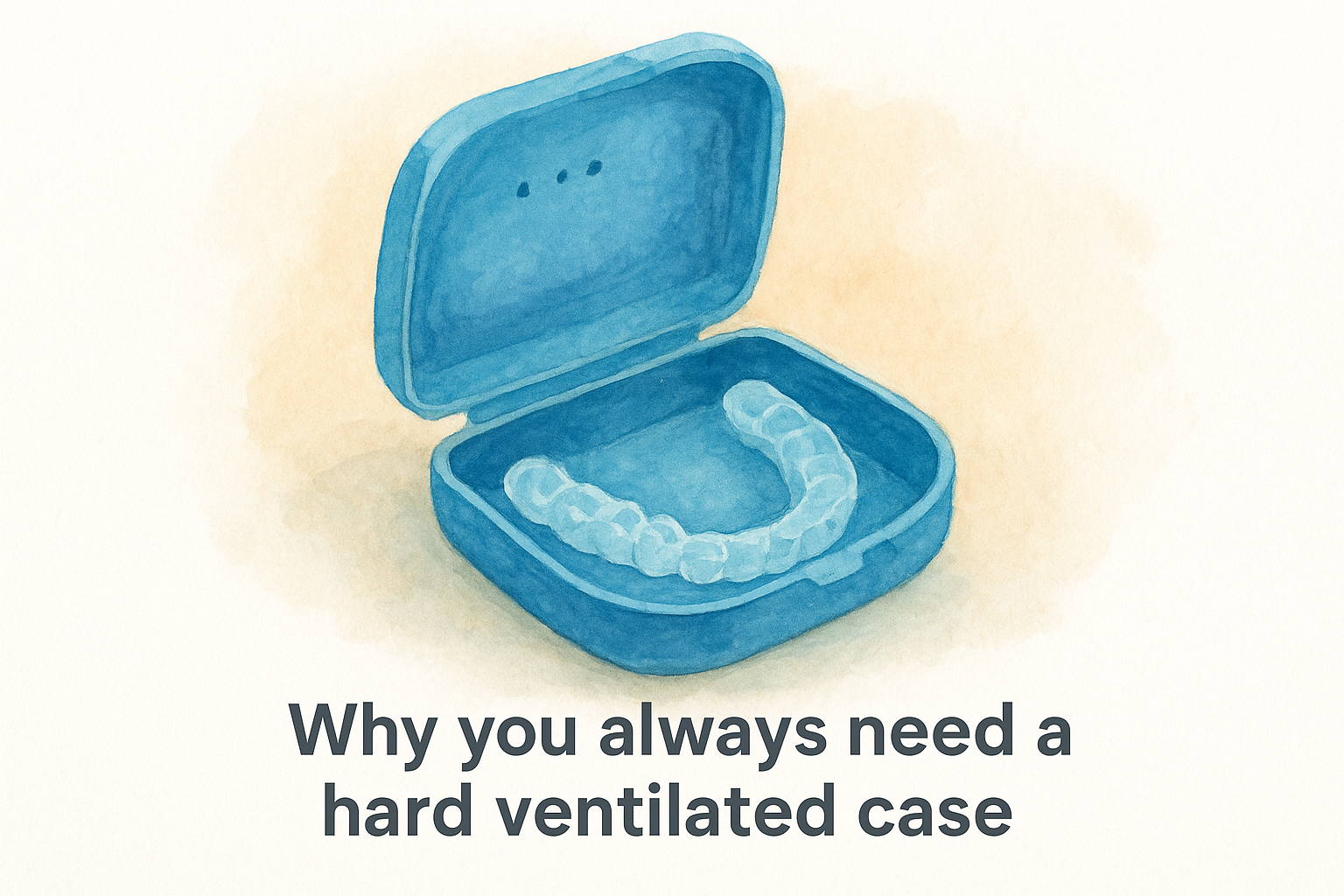
Why you always need a hard ventilated case
Every retainer needs its own designated hard case with ventilation holes that allows air circulation while protecting against crushing and contamination. Keep your retainer in this case every single time you remove it from your mouth, whether you're eating lunch or brushing your teeth. Never wrap your retainer in tissues, napkins, or paper towels because these wrappings look like trash and often end up in garbage bins before you remember where you left them.
Protecting retainers from heat and pressure
Heat warps plastic retainers permanently within minutes, so never leave your case on car dashboards, near heating vents, or in direct sunlight. Store your retainer away from heavy objects that could crush the case and bend the plastic or wires inside. Check your case regularly for cracks or damage that compromise protection.
Always store your retainer in a cool, dry location away from heat sources and potential crushing hazards to maintain its shape and effectiveness.
Keeping retainers safe from pets kids and germs
Dogs find retainers particularly appealing and chew them beyond repair within seconds, so store your case on high shelves or in closed drawers. Keep retainers away from young children who might play with or damage them out of curiosity. Avoid placing your retainer case on public surfaces like restaurant tables or bathroom counters where bacteria accumulate.
Storage tips for school work travel and sports
Pack your retainer case in the same pocket or bag compartment every day to build a consistent routine that prevents forgetting it. Bring a backup case for work or school so you always have protection available when eating away from home. Remove retainers before contact sports and store them safely in their case rather than leaving them vulnerable on benches or in gym bags.
4. Eating drinking and wearing rules
Following consistent wearing schedules and food safety rules prevents retainer damage and keeps your teeth from shifting. Many retainer problems stem from confusion about when to remove them and what substances cause damage. These retainer care instructions for daily wear help you avoid the most common mistakes that lead to warped plastic, stained material, and weakened teeth alignment.
Full time versus nighttime wear schedules
Your orthodontist prescribes either full-time wear or nighttime-only wear based on how recently you finished treatment and your risk of tooth movement. Full-time wear typically means 22 hours daily, removing retainers only for meals and cleaning, while nighttime wear means eight to ten hours during sleep. Follow your prescribed schedule exactly because skipping even one night during the critical stabilization period allows teeth to shift.
How long you can leave retainers out safely
Remove retainers for 30 to 60 minutes maximum during meals and oral hygiene routines if you're on a full-time schedule. Leaving them out longer gives your teeth time to begin shifting, making your retainer feel tight or uncomfortable when you put it back in. Replace your retainer immediately after eating and brushing to maintain constant pressure on your teeth.
Eating and drinking guidelines with retainers
Always remove removable retainers before eating any food, as chewing damages the plastic and traps food particles that cause decay. Drink only cool or room-temperature water while wearing retainers because hot liquids warp the material and sugary or acidic drinks seep underneath, coating your teeth with cavity-causing substances.
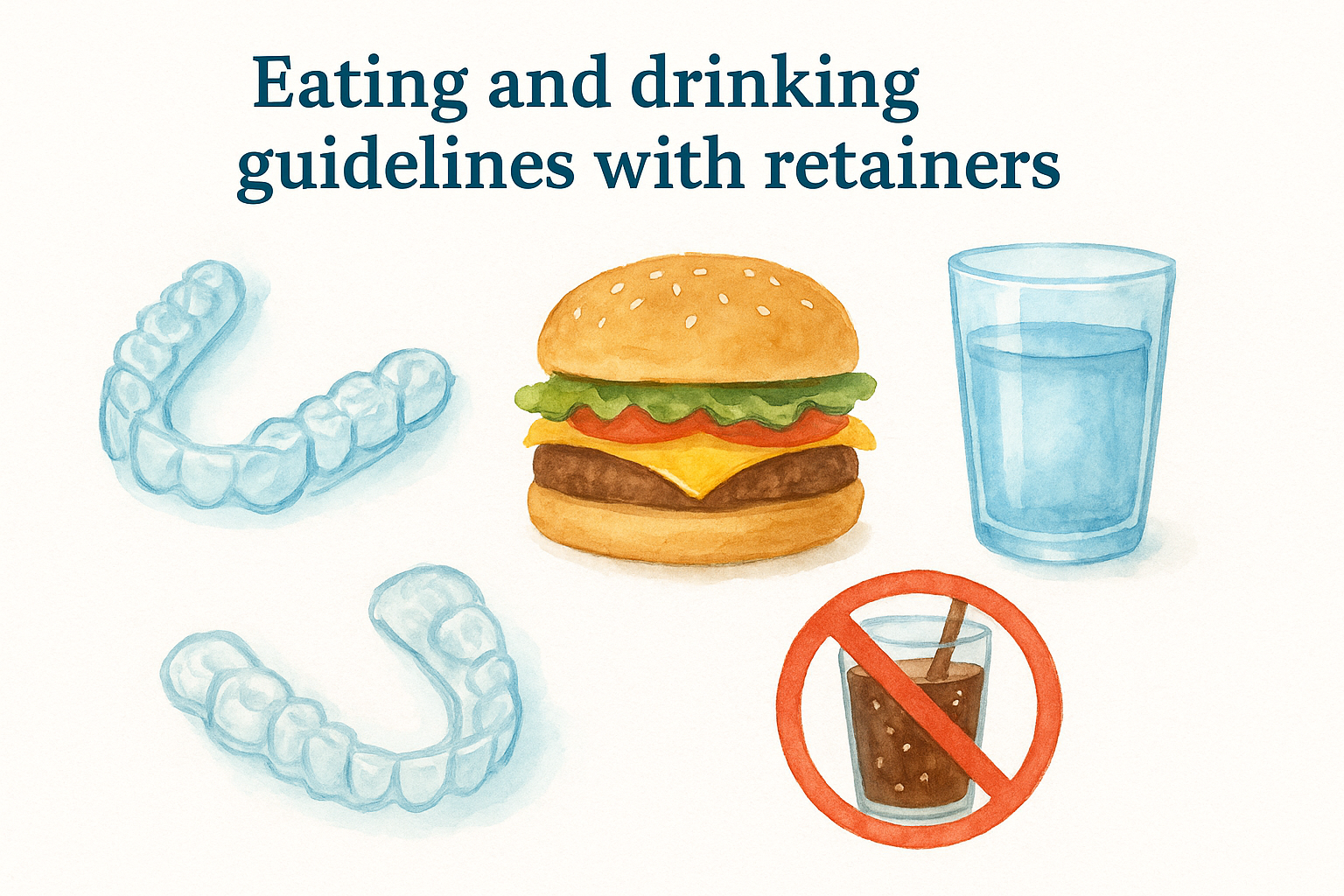
Never eat with removable retainers in your mouth, as this causes irreversible damage and promotes tooth decay from trapped food particles.
Everyday dos and donts to avoid damage
Remove retainers before contact sports or swimming to prevent loss and chlorine damage. Avoid touching retainers with dirty hands that transfer bacteria directly into your mouth. Never adjust retainers yourself by bending wires or trimming plastic, and skip using toothpaste on clear retainers because the abrasive ingredients create scratches that harbor bacteria.
5. Fixing issues and knowing when to replace
Even with perfect retainer care instructions, your retainer eventually shows wear or develops problems that affect its function. Recognizing issues early and addressing them promptly prevents teeth from shifting and saves you from more expensive orthodontic work later. Understanding when to fix minor problems yourself and when to contact your orthodontist keeps your retainer working effectively throughout its intended lifespan.
What to do if your retainer feels tight or loose
A tight retainer signals that your teeth have started shifting because you skipped wearing it or left it out too long during the day. Place the retainer back in your mouth immediately and wear it full-time for several days to guide your teeth back into position. Contact your orthodontist if the tightness doesn't improve within 48 hours or if the retainer causes significant pain, as these symptoms indicate you may need professional adjustment or a new retainer entirely.
Handling cracks warping or broken wires quickly
Stop wearing a retainer with visible cracks, warped plastic, or broken wires because damaged retainers apply uneven pressure that moves teeth incorrectly. Contact your orthodontist or retainer provider immediately to order a replacement, as delaying allows your teeth to shift away from their corrected positions. Never attempt to repair retainers yourself with glue or by bending wires, as these modifications create unsafe pressure points.
Replace damaged retainers within days rather than weeks to prevent tooth movement that requires additional orthodontic treatment to correct.
Dealing with odors stains and cloudy plastic
Persistent odors mean bacteria have accumulated in microscopic scratches on your retainer's surface despite regular cleaning. Soak the retainer in white vinegar diluted with equal parts water for 30 minutes, then brush gently with a soft toothbrush. Replace retainers that remain cloudy or stained after deep cleaning because discoloration indicates material breakdown that compromises both hygiene and structural integrity.
Getting affordable replacement retainers online
Remi offers custom replacement retainers delivered directly to your home at a fraction of traditional dental office costs. Order new retainers using your previous impressions or create fresh molds with an at-home impression kit that ensures perfect fit and proper tooth alignment maintenance.
Keep your retainer routine on track
Following these retainer care instructions protects your orthodontic investment and keeps your teeth aligned for decades. Daily cleaning, proper storage, and consistent wearing schedules prevent the most common problems that lead to expensive replacements and tooth movement. Small habits like storing your retainer in its case every time you remove it and avoiding heat exposure make the difference between retainers that last years and ones that fail within months.
Your retainers work only when you wear them correctly and replace them before damage occurs. Remi makes maintaining your smile affordable and convenient with custom clear retainers delivered directly to your door at professional quality without the dental office price. Order replacement retainers before your current ones crack or warp to ensure your teeth stay in their corrected positions permanently.

