


The Complete Guide to the Direct to Consumer Business Model
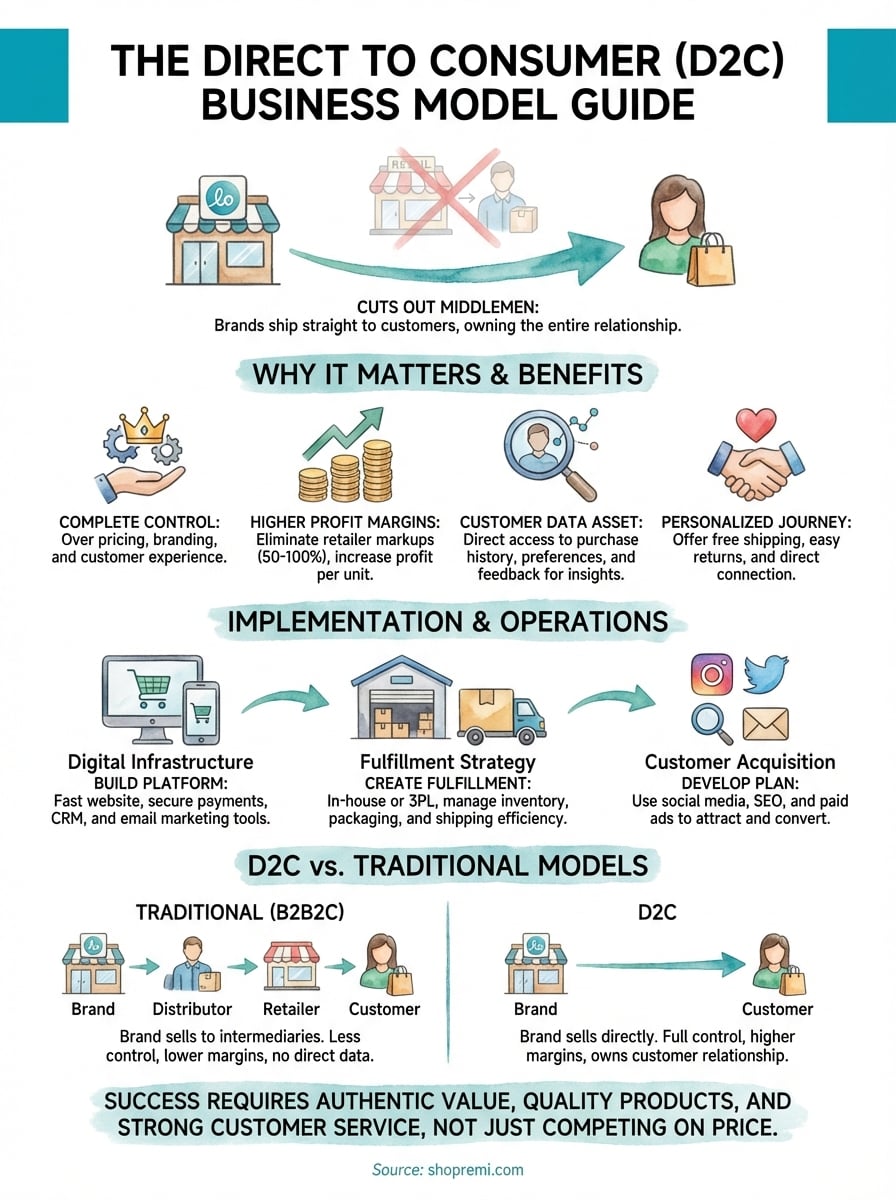
The direct to consumer business model cuts out the middleman. Instead of selling through retailers or wholesalers, brands ship products straight to customers. This approach gives companies complete control over pricing, branding, and customer relationships. Brands like Warby Parker and Dollar Shave Club disrupted traditional industries by connecting directly with buyers, offering better prices and personalized experiences.
This guide breaks down everything you need to know about the D2C model. You'll learn why this approach transformed retail, how to implement it for your business, and what benefits and challenges you'll face. We'll compare D2C to traditional retail and wholesale models, then show you real examples of brands that succeeded with this strategy. Whether you're launching a new business or considering adding a D2C channel to your existing operations, you'll walk away with a clear understanding of how this model works and whether it's right for you.
Why the direct to consumer model matters
The direct to consumer business model reshaped retail over the past decade. Traditional brands relied on distributors and retailers to reach customers, but this approach meant losing control over pricing, branding, and customer data. D2C brands flipped this relationship by building direct connections with buyers, which fundamentally changed how successful companies operate today.
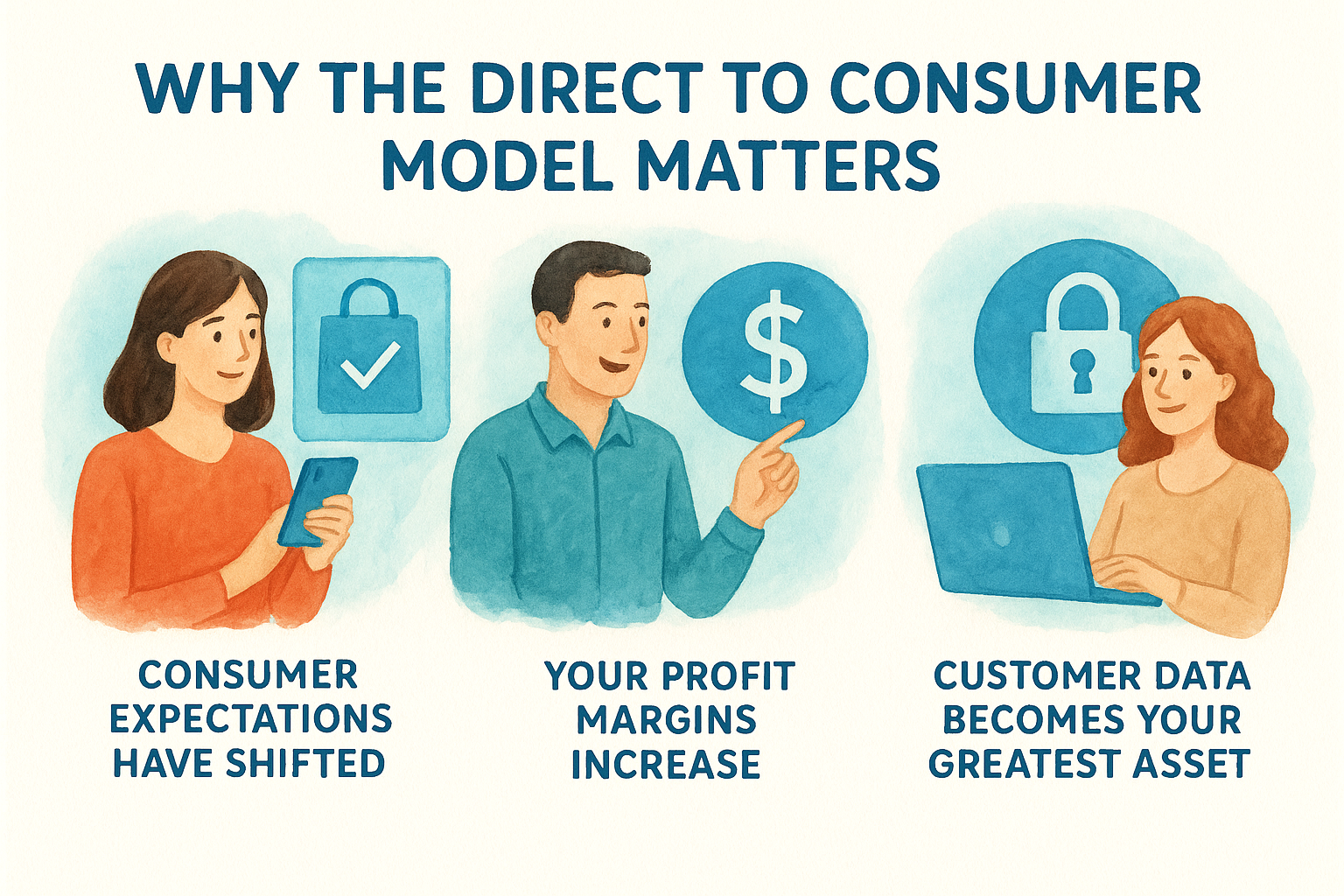
Consumer expectations have shifted dramatically
Your customers now expect personalized experiences and authentic brand connections. They want to know who makes their products and why, not just where to buy them. This shift explains why 70% of Gen Z shoppers actively seek out brands that sell directly to them, according to research on changing shopping behaviors. Traditional retail channels can't deliver this level of transparency because too many parties stand between the brand and the buyer.
Shoppers also demand convenience on their terms. You can offer free shipping, easy returns, and subscription options when you control the entire customer journey. Retailers impose their own policies and restrictions, which often conflict with what your customers actually want.
When you own the relationship with your customer, you control the experience from first click to final delivery.
Your profit margins increase significantly
Every middleman in the traditional supply chain takes a cut of your revenue. Retailers typically mark up products by 50% to 100% before selling to consumers. If your product costs $5 to make and sells for $10 at retail, you only see $5 while the retailer keeps the other half. D2C eliminates this markup, allowing you to sell at $7.50 while increasing your profit per unit and still offering customers a better price than they'd find in stores.
This pricing flexibility gives you room to invest in customer acquisition, product development, and brand building. You can run promotions instantly without negotiating with retail partners or waiting for approval on price changes.
Customer data becomes your greatest asset
Retailers guard customer information because it's valuable. They rarely share purchase data with brands, which leaves you guessing about who buys your products and why. The D2C model solves this problem by giving you direct access to every customer interaction.
You collect email addresses, purchase history, browsing behavior, and feedback with each transaction. This information helps you improve products, personalize marketing messages, and predict future demand. Brands selling through Amazon or Target never gain these insights, which puts them at a permanent disadvantage when making strategic decisions.
Market growth shows no signs of slowing
D2C ecommerce sales reached $169.39 billion in 2023 and continue climbing year over year. This growth reflects both consumer preference and business success. You're not jumping on a passing trend when you choose this model. You're positioning your brand for a retail landscape where direct customer relationships determine which companies thrive and which ones fade into irrelevance.
How to implement the direct to consumer model
Launching a direct to consumer business model requires more than just selling products online. You need infrastructure, fulfillment capabilities, and a clear customer acquisition strategy. This section walks you through the essential steps to build a D2C operation that scales with your business goals.
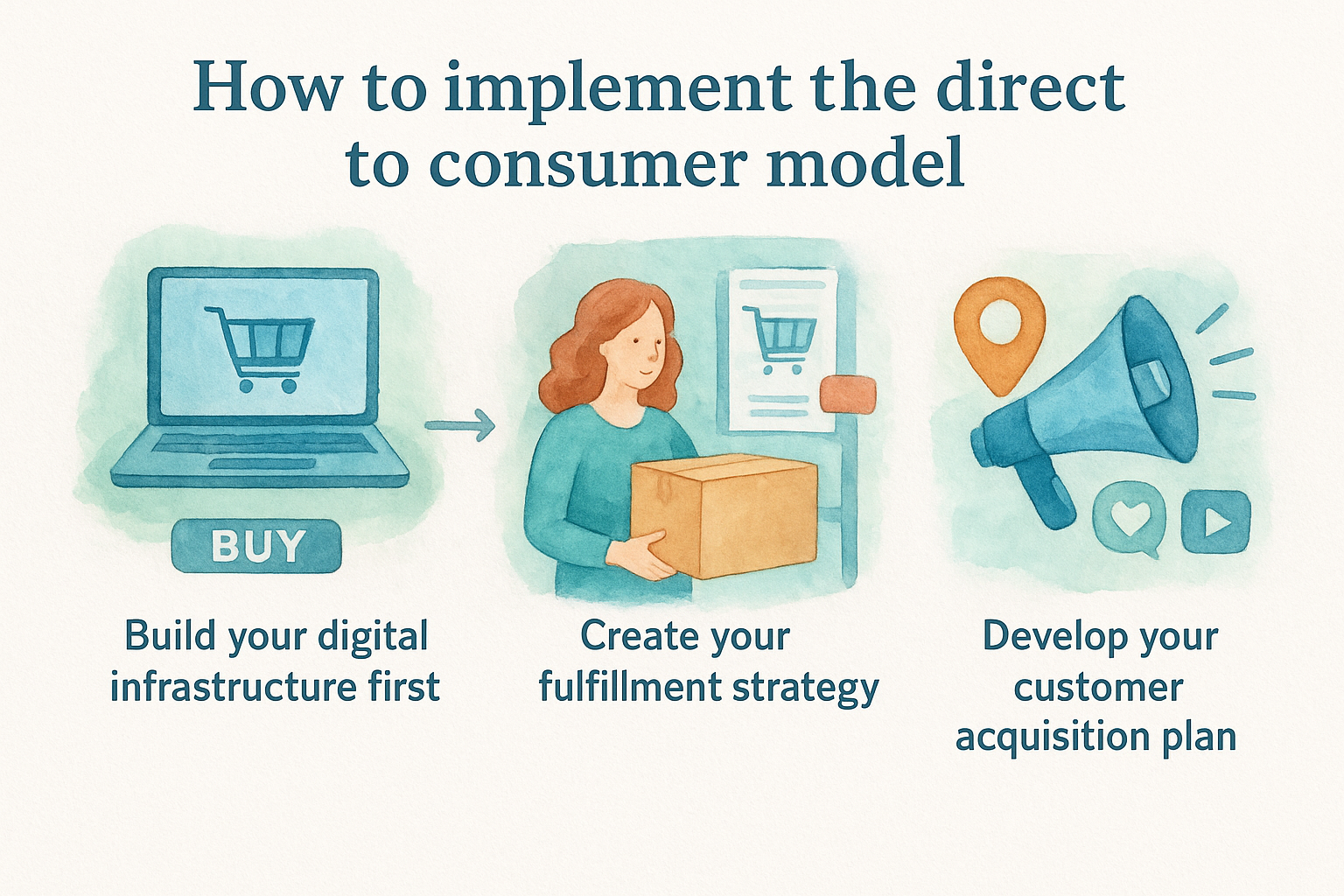
Build your digital infrastructure first
Your ecommerce platform serves as the foundation for your entire D2C operation. You need a website that loads quickly, processes payments securely, and delivers a smooth checkout experience across all devices. Choose a platform that gives you control over your brand presentation without requiring extensive technical knowledge. Your site should collect customer data at every touchpoint while making it easy for shoppers to browse, purchase, and track their orders.
Beyond your main website, you need tools that connect your entire operation. Email marketing software captures customer information and automates follow-up campaigns after purchases. Inventory management systems track stock levels and alert you before products run out. Customer relationship management (CRM) platforms store purchase history and preferences so you can personalize future interactions. These tools work together to create the seamless experience that D2C customers expect from brands they trust.
Create your fulfillment strategy
Warehousing decisions shape your operational costs and delivery speed. You can store products yourself in a dedicated space or partner with a third-party logistics provider (3PL) that handles storage and shipping. Self-fulfillment gives you complete control over packaging and timing, which matters when you're building a brand that emphasizes presentation. However, 3PLs offer scalability and expertise that saves time as order volume grows. Most successful D2C brands start with self-fulfillment and transition to 3PLs once they consistently ship hundreds of orders per week.
Shipping strategy directly impacts both your profit margins and customer satisfaction. You need to calculate the true cost of delivery including packaging materials, carrier fees, and the time your team spends preparing shipments. Free shipping attracts customers but only makes financial sense when you build the cost into your product pricing. Consider offering multiple shipping speeds so customers can choose between fast delivery and lower costs based on their urgency.
Your fulfillment process represents your first physical interaction with customers, so every detail matters from box quality to packing materials.
Develop your customer acquisition plan
Marketing channels determine how quickly you can build an audience for your D2C brand. Social media platforms like Instagram and TikTok connect you directly with target customers through organic content and paid advertising. Search engine optimization brings shoppers who are actively searching for solutions that your products provide. Email marketing converts one-time buyers into repeat customers through targeted campaigns that showcase new products and exclusive offers. You'll likely need a combination of these channels rather than relying on just one source of traffic.
Budget allocation requires testing and adjustment as you learn what works for your specific audience. Start by investing 60% of your marketing budget in paid advertising to generate immediate sales and collect customer data. Dedicate 20% to content creation that builds organic search visibility over time. Reserve the remaining 20% for experimentation with new channels like influencer partnerships or podcast sponsorships. Track your customer acquisition cost across all channels and shift spending toward the options that deliver the lowest cost per purchase while maintaining product-market fit with your ideal buyers.
Your pricing strategy needs to account for all these operational costs while remaining competitive. Calculate your product cost, shipping expenses, platform fees, and estimated customer acquisition cost to determine your minimum viable price point. Add your desired profit margin to reach your final price, then compare this number to what competitors charge for similar products. If your price seems high, look for cost savings in manufacturing or fulfillment rather than sacrificing your profit margin right from the start.
Key benefits and challenges of D2C
The direct to consumer business model delivers significant advantages that explain its rapid adoption across industries. However, running a successful D2C operation comes with obstacles that require strategic planning and ongoing investment. Understanding both sides of this equation helps you make informed decisions about whether this model fits your business goals and resources.
The competitive advantages you gain
Complete control over your brand experience stands out as the primary benefit. You determine how customers discover your products, what messages they see, and how they receive their orders. Traditional retail forces you to share shelf space with competitors and accept whatever product placement the retailer chooses. D2C eliminates these compromises, letting you craft every touchpoint from first impression to repeat purchase.
Higher profit margins follow naturally when you eliminate intermediary markups. You capture the full retail price instead of splitting revenue with distributors and retailers. This extra margin funds better customer acquisition strategies, product development, or simply strengthens your bottom line. Your pricing flexibility also increases because you can adjust prices instantly, run flash sales, and test different price points without negotiating with retail partners.
Direct access to customer data transforms how you make business decisions. Every purchase tells you who buys your products, when they buy, and what else they consider. You can segment customers based on purchase history, send personalized product recommendations, and predict future demand with greater accuracy. Retailers guard this information jealously, which leaves traditional brands operating with incomplete pictures of their actual buyers.
You own the customer relationship in a D2C model, which means you control retention and lifetime value rather than hoping retailers promote your products over competitors.
The operational challenges you'll face
Customer acquisition costs represent your biggest ongoing expense. You need to build brand awareness from scratch without the benefit of established retail foot traffic. Traditional brands pay wholesale prices but gain instant access to millions of shoppers walking through store doors. Your marketing budget must work harder to attract visitors, convert them into buyers, and retain them for repeat purchases. Most D2C brands spend between 20% and 40% of revenue on marketing in their growth phase.
Fulfillment complexity increases dramatically when you handle individual orders instead of bulk shipments to retailers. You manage warehousing, inventory, packaging, and shipping for every single transaction. Returns and exchanges fall entirely on your shoulders, which requires clear policies, efficient processes, and responsive customer service. Scaling this operation demands either significant internal investment or partnerships with 3PL providers who add their own costs and complexity.
Competition intensifies as more brands adopt the same model. You face thousands of other D2C companies fighting for the same customers on the same digital platforms. Standing out requires exceptional products, compelling brand stories, and marketing that cuts through constant noise. Your success depends on finding and communicating genuine differentiation rather than competing solely on price, which erodes the margin advantages that made D2C attractive in the first place.
Direct to consumer vs other business models
The direct to consumer business model differs fundamentally from traditional retail and wholesale approaches in how products reach customers. Understanding these distinctions helps you evaluate which model fits your business strategy and resources. Each approach comes with specific trade-offs that affect everything from profit margins to customer relationships and operational complexity.
Traditional retail and wholesale models
Traditional retail places products in physical stores where shoppers browse and purchase. Brands manufacture products, sell them to distributors at wholesale prices, and those distributors supply retailers who mark up items for final sale. You surrender control over pricing, placement, and customer experience in exchange for immediate access to established foot traffic. Your products compete for shelf space alongside dozens of competitors, and you depend entirely on retailer decisions about which items to promote or discontinue.
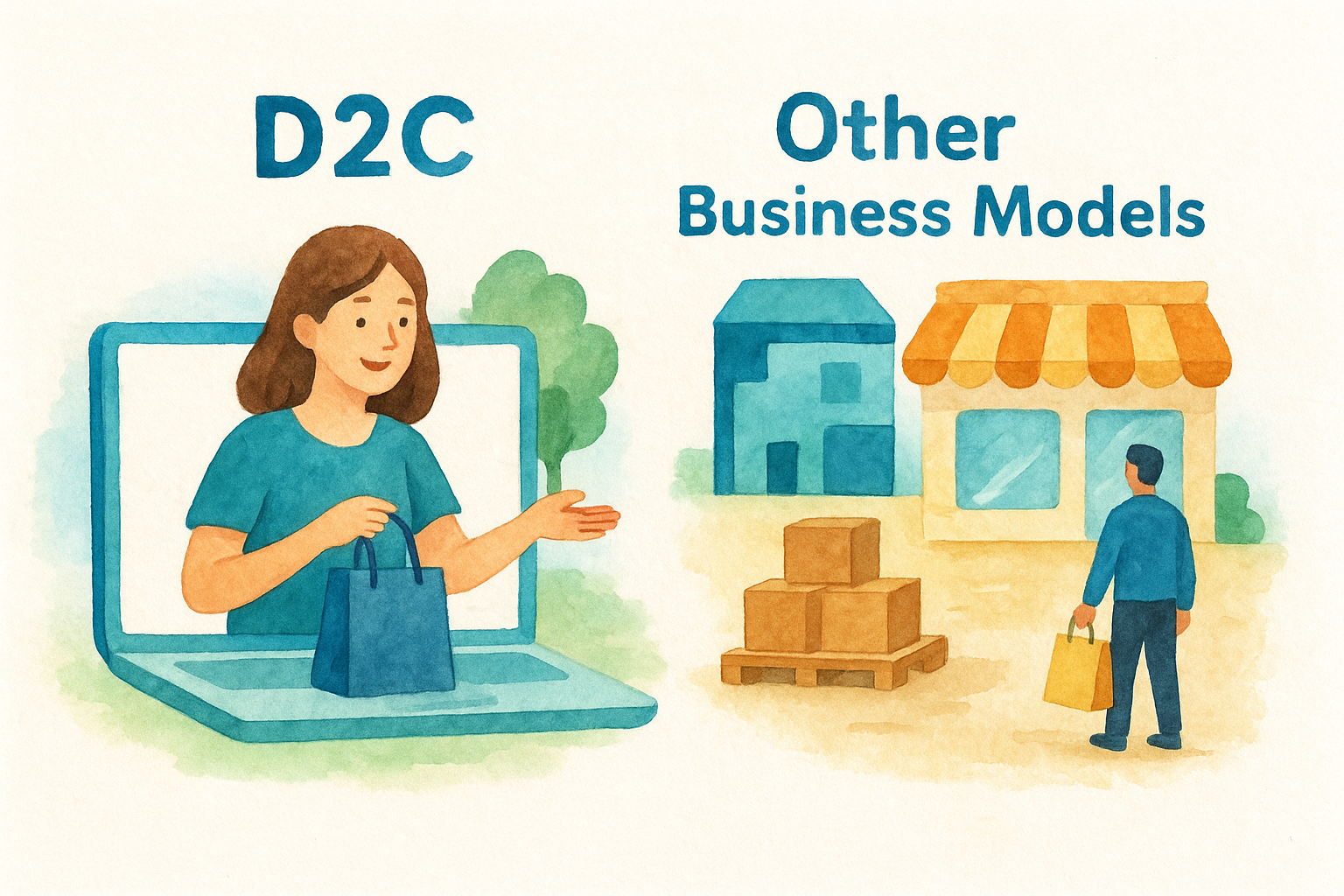
Wholesale models follow similar patterns but focus on bulk orders rather than individual retail relationships. You sell large quantities to distributors who handle storage and delivery to multiple retail locations. This approach scales efficiently because you ship pallets instead of individual packages, but you sacrifice direct customer feedback and market insights. Both traditional models limit your ability to build brand loyalty because customers associate their shopping experience with the retailer rather than your company.
The fundamental difference between D2C and traditional models comes down to who owns the customer relationship and controls the buying experience.
B2C vs D2C distinctions
Business to consumer (B2C) serves as a broad category that includes any company selling to end users, whether through retail stores, marketplaces, or direct channels. Amazon represents B2C but not D2C because the marketplace sits between brands and buyers. Your business can operate as B2C while routing products through multiple channels, which means you still share revenue and customer data with intermediaries.
D2C narrows this definition by requiring direct transactions between your brand and customers without third-party involvement in the sale. You manage the entire journey from product discovery to delivery, which maximizes control but increases operational responsibilities. This model demands stronger digital capabilities and marketing expertise than traditional B2C approaches where retail partners handle customer acquisition and fulfillment logistics.
Examples of direct to consumer brands
Real-world examples demonstrate how the direct to consumer business model works across different industries. These brands built successful operations by eliminating retail intermediaries and creating direct relationships with customers. Their approaches reveal patterns you can apply to your own business regardless of what products you sell.
Health and wellness D2C success stories
Warby Parker revolutionized the eyewear industry by selling prescription glasses directly to customers at a fraction of traditional optical store prices. The company sends customers free home try-on frames, collects orders online, and ships finished glasses straight to buyers. This approach cut costs by avoiding retail markups while maintaining professional quality standards through partnerships with manufacturing facilities.
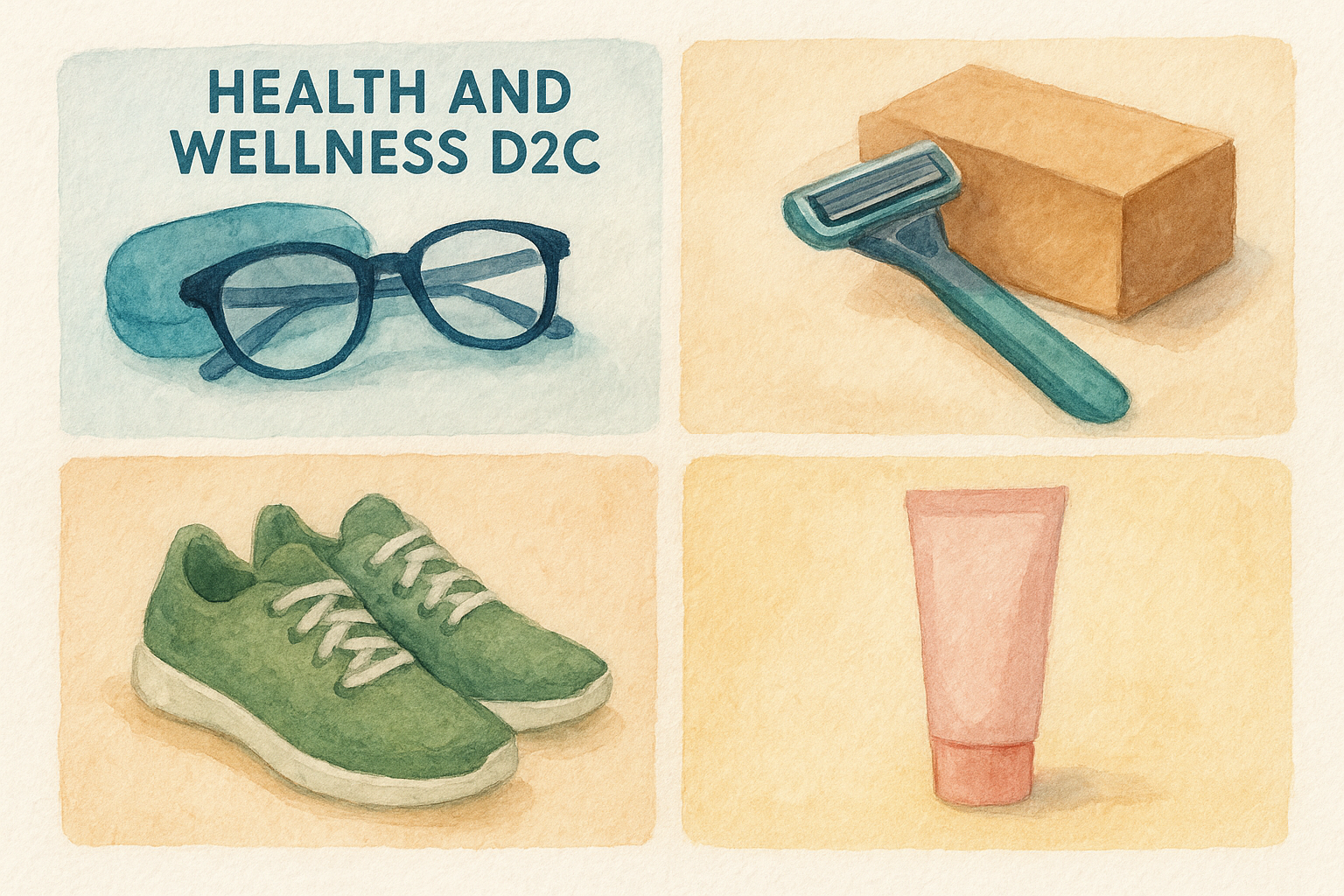
Dollar Shave Club disrupted the razor market with a subscription model that delivers blades monthly to customers' doors. The brand succeeded by addressing a specific pain point: overpriced razors locked behind retail security cases. Their viral marketing and simple subscription system proved that commodity products become differentiated when brands control the entire customer experience and messaging.
D2C brands succeed by identifying specific customer frustrations with traditional retail and building their entire business model around solving those problems directly.
Remi follows this same pattern in the dental protection space by offering custom night guards and retainers at prices significantly lower than dental offices charge. The brand uses an at-home impression kit that eliminates office visits while maintaining professional quality through dentist oversight. This direct to consumer business model works because it targets the exact pain points customers face with traditional dental solutions: high costs and inconvenient appointments.
Fashion and lifestyle brands
Allbirds built a cult following by selling sustainable wool sneakers exclusively through their website and company-owned stores. The brand emphasizes transparency about materials and manufacturing while controlling every aspect of the customer journey. Their success proves that D2C works even in crowded markets when you differentiate through values and product quality rather than competing solely on price.
Glossier transformed beauty retail by building community-driven product development and selling directly through their website. The brand asks customers what products they want, creates those items, and delivers them without traditional beauty counter markups. This approach builds loyalty because customers feel invested in the brand's success rather than viewing themselves as anonymous shoppers.
Final thoughts
The direct to consumer business model continues reshaping how successful brands connect with customers. You gain complete control over pricing, branding, and customer relationships when you eliminate retail intermediaries, which translates to higher margins and better data insights. However, this control comes with responsibility for marketing, fulfillment, and customer acquisition that traditional wholesale brands never face directly.
Your success depends on identifying specific customer pain points and building your entire operation around solving those problems better than retail alternatives can. Brands that win in this space focus on authentic value creation rather than competing solely on price, because sustainable D2C operations require investment in quality products, strong customer service, and marketing that drives continuous growth.
If you struggle with teeth grinding or jaw clenching, Remi demonstrates how this model delivers real value through custom-fit night guards that cost significantly less than traditional dental office solutions while maintaining professional quality standards.

