


Benefits of Good Oral Health for Overall Health & Wellness
Good oral health means more than just clean teeth and fresh breath. It means keeping your mouth free from disease, protecting your gums, and maintaining healthy teeth through regular care. When you take care of your mouth, you protect your body from infections that can spread through your bloodstream and affect your heart, lungs, brain, and other vital organs. Research shows clear connections between oral health and conditions like diabetes, cardiovascular disease, and pregnancy complications.
This article explains exactly how your mouth affects your body and why a strong oral hygiene routine matters. You'll discover the specific ways good oral health protects against serious diseases, learn how to build effective daily habits, and understand which warning signs mean you need to act. We'll also cover the tools and products that make maintaining oral health easier at home. Whether you're dealing with teeth grinding, want to prevent future problems, or just want to understand why dentists emphasize daily care, you'll find practical information you can use right away.
Why good oral health matters for your whole body
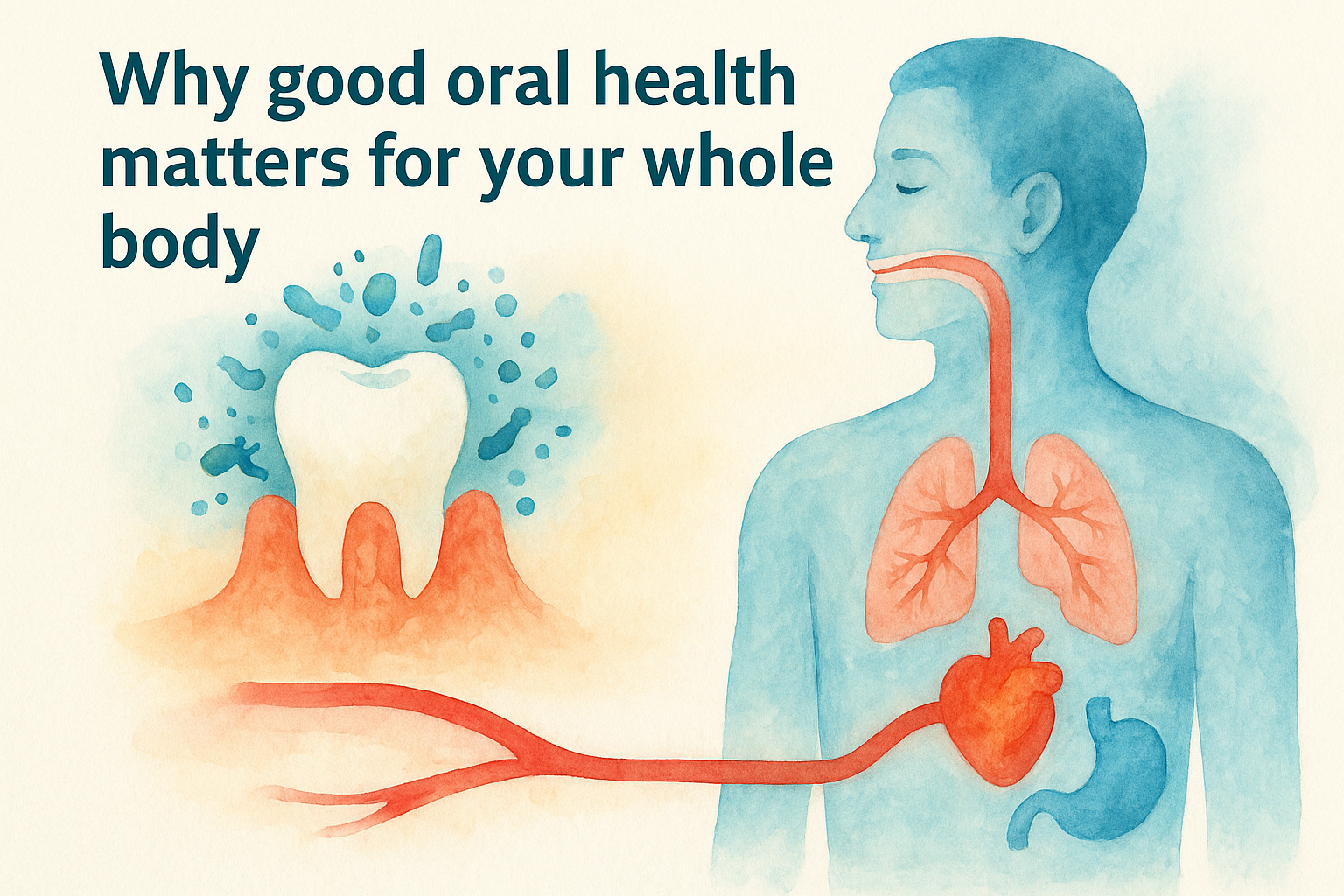
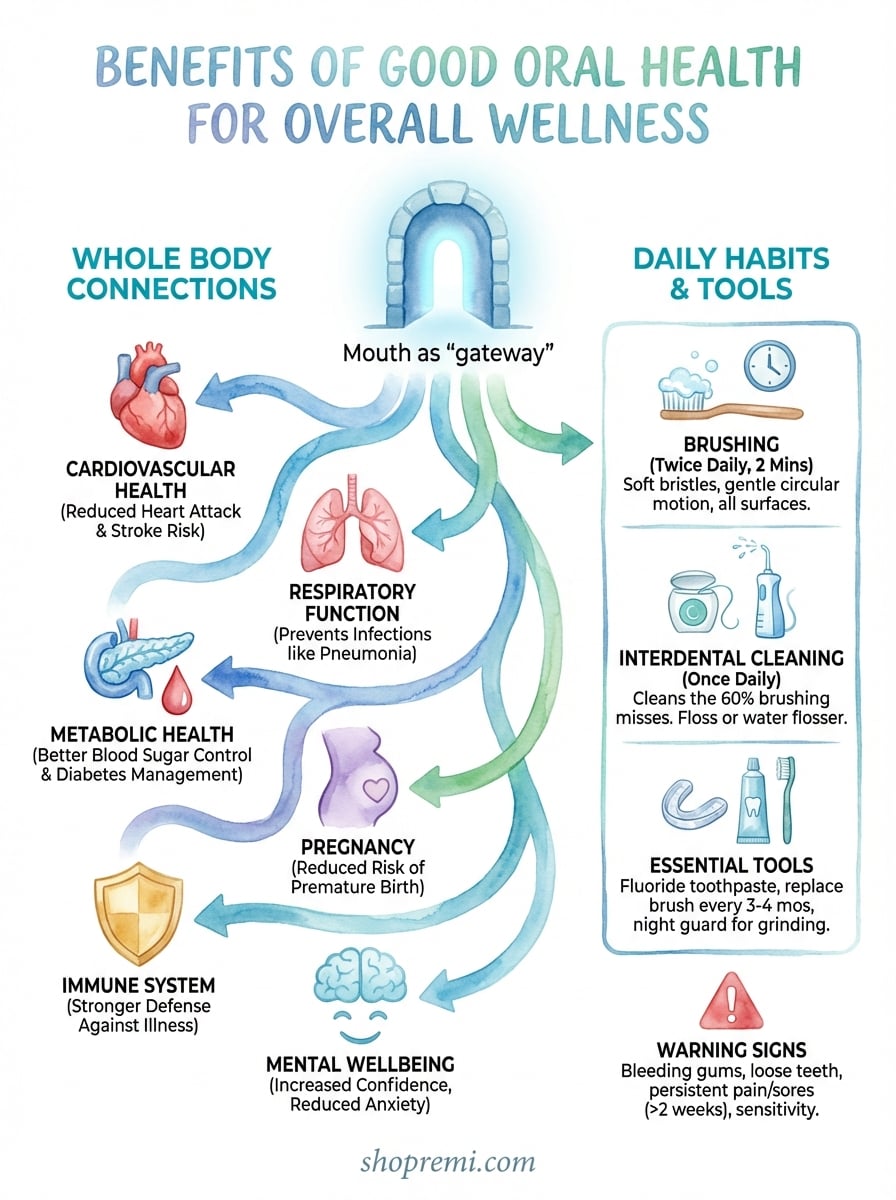
Your mouth acts as a gateway to your entire body. Bacteria from your mouth can enter your bloodstream through inflamed or bleeding gums, then travel to your heart, lungs, and other organs. This direct pathway explains why untreated gum disease increases your risk for serious health conditions beyond your mouth. When you ignore oral hygiene, you don't just risk cavities or bad breath; you potentially compromise your cardiovascular system, respiratory function, and immune response.
The inflammation connection
Gum inflammation triggers your body's immune response, which releases chemicals into your bloodstream. These inflammatory markers can damage blood vessel walls and contribute to arterial plaque buildup, increasing your risk for heart attack and stroke by nearly 50%. Your body treats persistent oral inflammation like any other infection, keeping your immune system in a constant state of alert. This ongoing inflammatory response affects blood sugar regulation, making diabetes harder to control and increasing your risk of developing Type 2 diabetes if you have severe gum disease.
Direct pathways for bacteria
You inhale oral bacteria directly into your lungs with every breath. Harmful bacteria from gum disease can cause respiratory infections like pneumonia, particularly in older adults or people with compromised immune systems. Pregnant women face additional risks, as oral bacteria can reach the placenta through the bloodstream and contribute to premature birth or low birth weight. The benefits of good oral health extend far beyond your smile because your mouth influences nearly every system in your body through these direct bacterial pathways.
Your oral health status reflects and affects your overall health status more than most people realize.
How to build strong daily oral hygiene habits
Your daily routine determines whether you'll experience the benefits of good oral health or face problems down the road. Consistency matters more than perfection; you need to brush twice daily and clean between your teeth once daily without exception. Most people brush too quickly or miss important areas, which allows plaque to accumulate in hidden spots where it hardens into tartar within 24 to 72 hours. You can't remove tartar at home, which means you need professional cleaning to eliminate it once it forms.
Morning and evening brushing technique
You should spend two full minutes brushing your teeth using a soft-bristled brush and fluoride toothpaste. Angle your bristles toward your gumline at 45 degrees, then use gentle circular motions rather than harsh back-and-forth scrubbing that damages enamel and irritates gums. Cover all surfaces of each tooth, including the backs of your front teeth where plaque loves to hide. Don't forget to brush your tongue, which harbors bacteria that cause bad breath and can contribute to oral health problems.
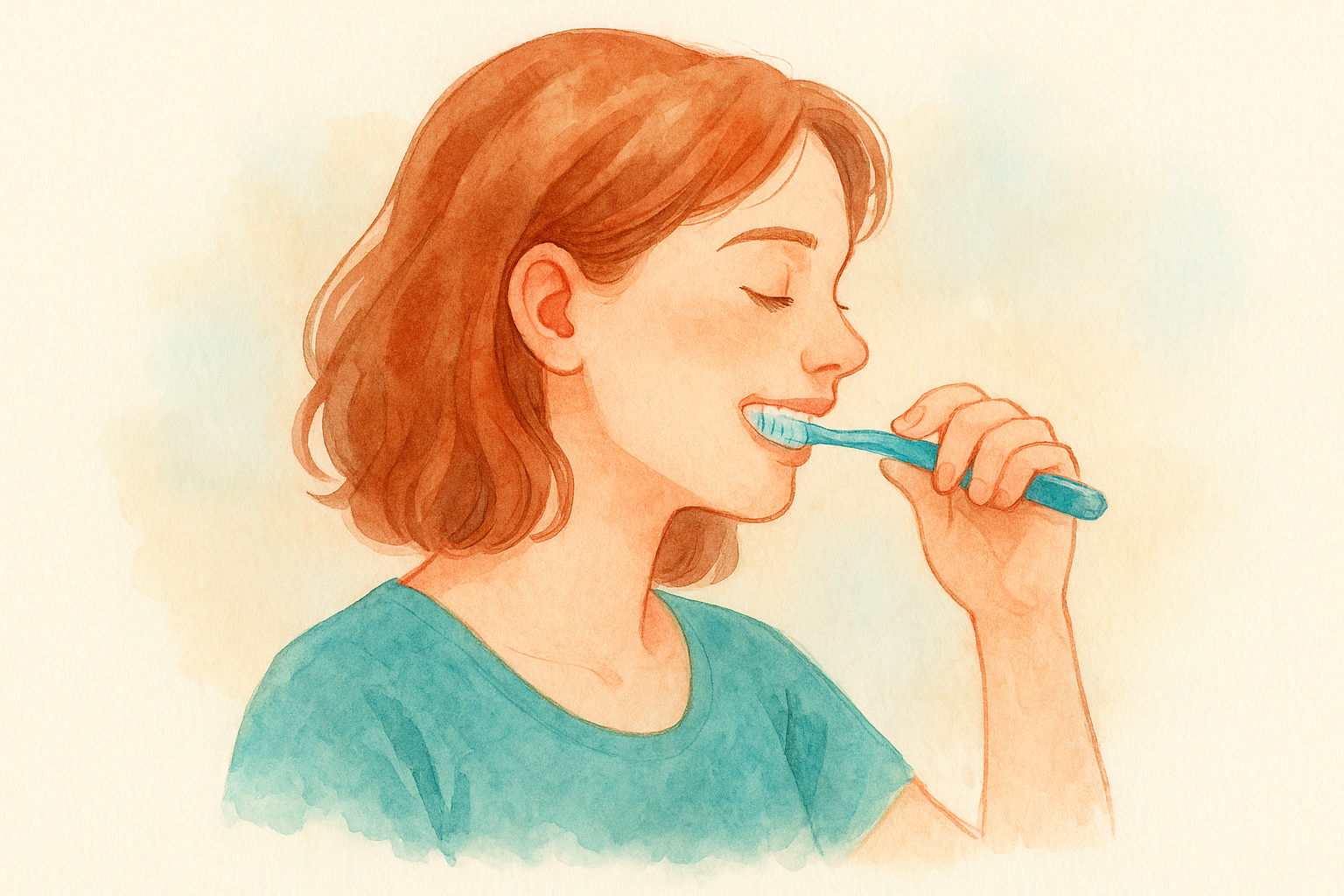
Proper technique prevents more problems than expensive treatments can fix.
Daily interdental cleaning
Brushing alone cleans only about 60% of your tooth surfaces, leaving the spaces between teeth untouched. Dental floss removes food particles and plaque from these tight spaces where your toothbrush can't reach. You can use traditional string floss, floss holders for easier handling, or water flossers if arthritis or dexterity issues make manual flossing difficult. Clean between every tooth once per day, preferably before bed so bacteria can't multiply overnight in those hard-to-reach areas.
Systemic health benefits you can expect
When you maintain strong oral hygiene practices, you gain protection against diseases that affect your entire body. The benefits of good oral health extend far beyond preventing cavities; you reduce inflammation throughout your body, strengthen your immune system, and protect vital organs from bacterial infection. Your daily brushing and flossing directly influence your heart health, blood sugar levels, respiratory function, and even your mental wellbeing. These connections mean every minute you spend on oral care delivers returns across multiple body systems.
Cardiovascular and metabolic protection
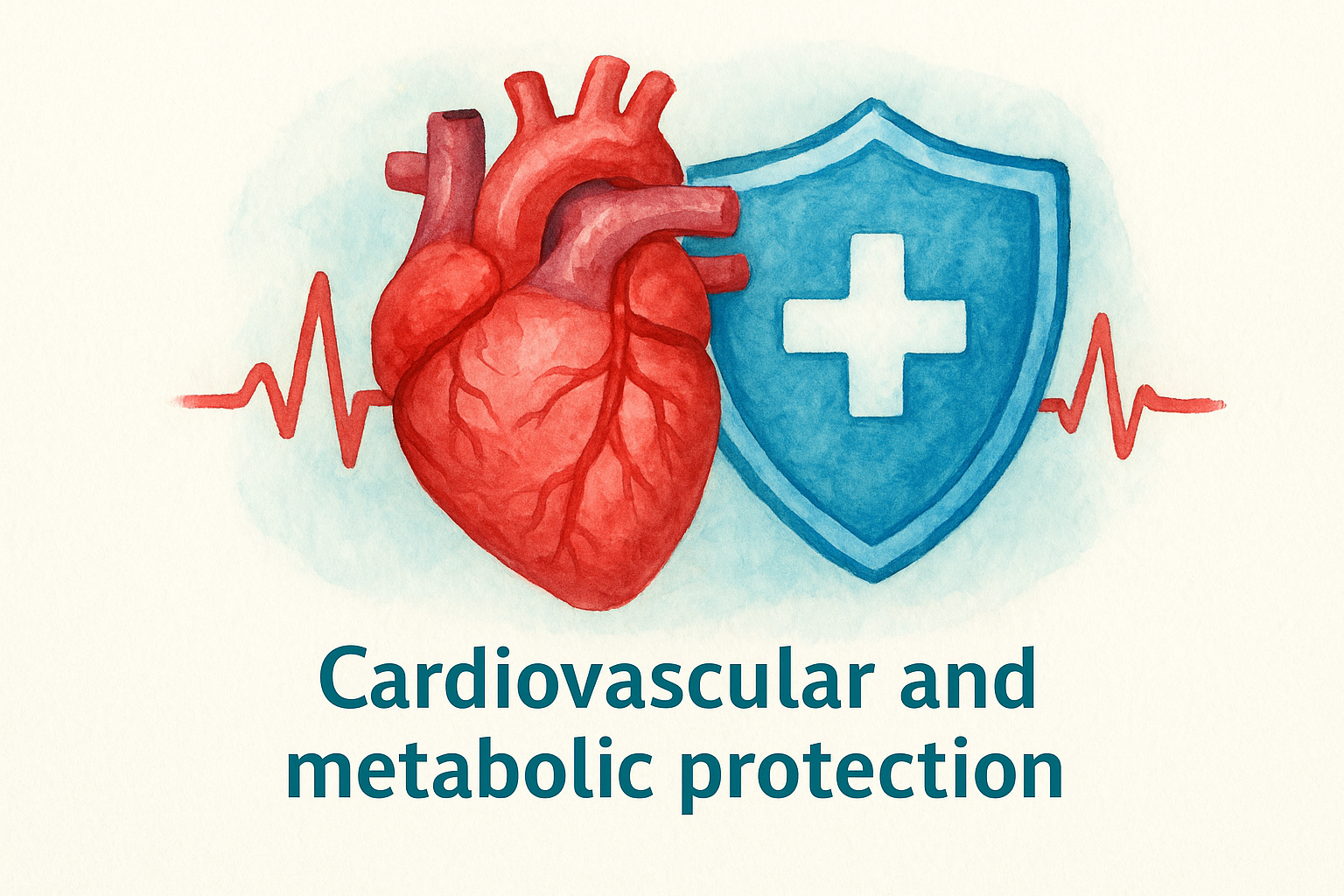
You decrease your risk of heart attack and stroke significantly when you prevent gum disease through consistent oral hygiene. Healthy gums mean less inflammation in your bloodstream, which protects your arterial walls from damage and reduces dangerous plaque buildup in your cardiovascular system. Your blood sugar control improves as well because oral inflammation interferes with insulin function; people with healthy gums manage diabetes more effectively and face lower risks of developing Type 2 diabetes. Studies show that treating gum disease helps diabetic patients achieve better glucose regulation, creating a positive feedback loop where oral health and metabolic health support each other.
Respiratory and immune system support
Maintaining clean teeth and healthy gums prevents harmful bacteria from entering your lungs with each breath. You protect yourself against pneumonia and chronic respiratory conditions by reducing the bacterial load in your mouth through daily hygiene practices. Your immune system functions more efficiently when it doesn't need to constantly fight oral infections, leaving resources available to defend against other threats. This improved immune response means you recover faster from illnesses and experience fewer infections overall.
A healthy mouth lets your immune system focus on protecting your entire body instead of constantly battling oral bacteria.
Beyond physical health
You experience mental health benefits from good oral hygiene through increased confidence and reduced anxiety about your appearance. Fresh breath and a healthy smile improve your social interactions and professional opportunities, reducing stress related to self-consciousness. Your ability to eat nutritious foods without pain supports better overall nutrition, which affects everything from energy levels to cognitive function.
Key signs your oral health needs attention
You need to recognize warning signs early because untreated oral problems escalate quickly and affect your overall health. Your mouth sends clear signals when something requires professional attention, from obvious pain to subtle changes you might dismiss as normal. Bleeding gums during brushing indicate inflammation that can progress to serious gum disease if ignored, while persistent bad breath often signals bacterial overgrowth that daily brushing alone won't eliminate.
Physical symptoms that demand action
Loose teeth or changes in how your teeth fit together when you bite suggest advanced gum disease or bone loss requiring immediate dental evaluation. You should also watch for tooth sensitivity to hot, cold, or sweet foods that lasts more than a few seconds, as this indicates exposed tooth roots or enamel erosion. Swollen, tender, or discolored gums reveal active infection that can spread through your bloodstream and compromise the benefits of good oral health you're working to maintain.
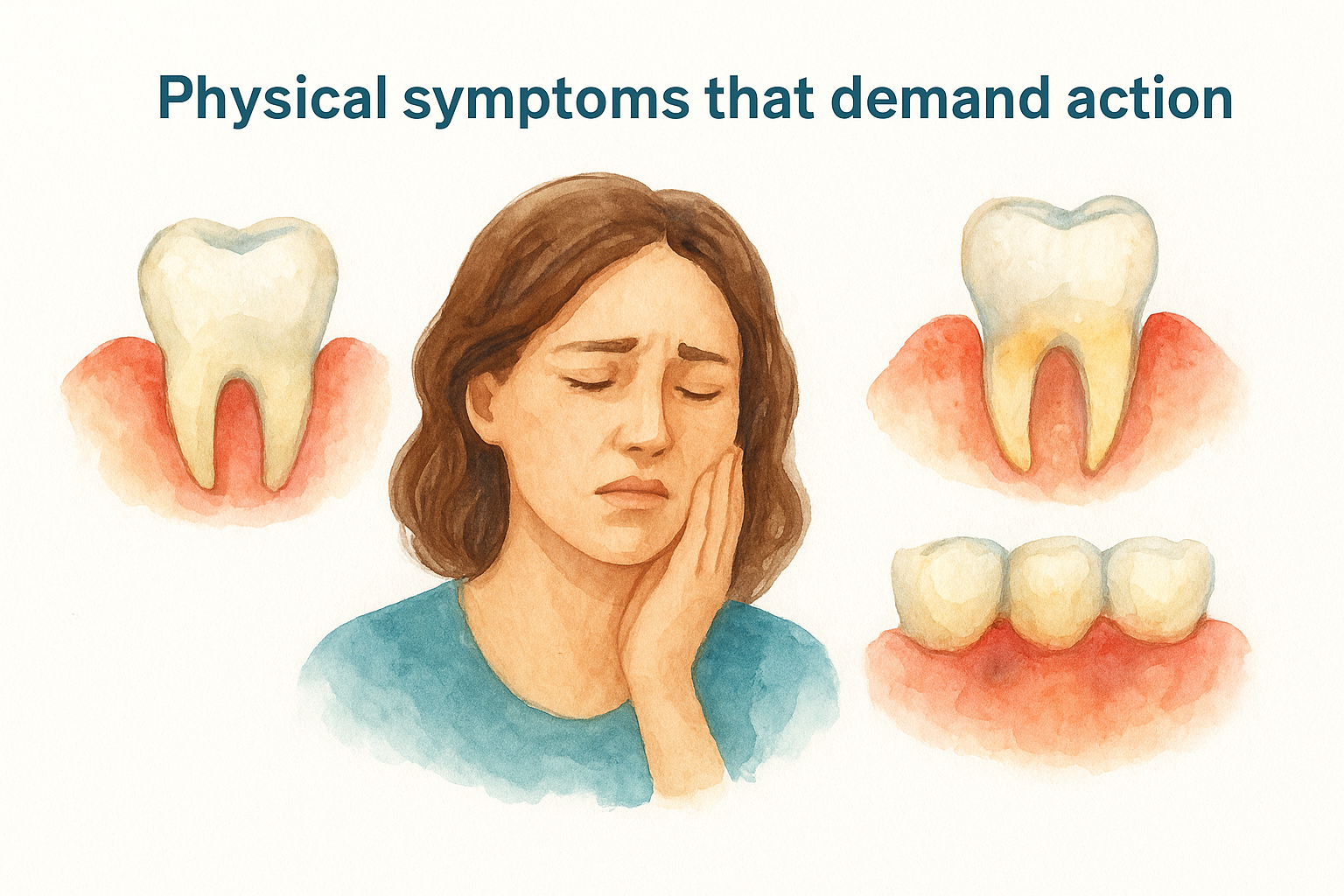
Your mouth rarely stays silent when problems develop; you just need to listen to the signals it sends.
When professional help matters most
Persistent mouth pain or sores that don't heal within two weeks require dental examination to rule out serious conditions. Schedule an appointment immediately if you notice pus around your teeth, extreme sensitivity, or difficulty chewing, as these symptoms indicate infections that antibiotics alone won't resolve.
Tools and products that support oral health at home
You don't need expensive equipment to maintain excellent oral hygiene, but the right tools make daily care more effective and help you experience the full benefits of good oral health. Your basic toolkit should include a soft-bristled toothbrush you replace every three to four months, fluoride toothpaste, and dental floss or interdental cleaners. These fundamental items remove plaque and prevent the bacterial buildup that leads to gum disease and tooth decay when you use them correctly twice daily.
Equipment that elevates your routine
Electric toothbrushes remove plaque more effectively than manual brushing for most people because they provide consistent motion and often include timers that ensure you brush for the full two minutes. Water flossers deliver powerful results if you struggle with traditional floss, using pressurized water streams to clean between teeth and below the gumline where bacteria accumulate. Night guards protect your teeth from grinding damage while you sleep, preventing enamel wear and jaw pain that interfere with your overall health and quality of life.
Investing in quality oral care tools pays dividends through decades of healthier teeth and reduced dental expenses.
Keep your mouth and body healthy
You protect more than just your smile when you commit to daily oral hygiene practices. The benefits of good oral health reach every system in your body, from your cardiovascular health to your immune function and mental wellbeing. Your twice-daily brushing routine and consistent flossing create a foundation that prevents disease before it starts, saving you from painful treatments and serious health complications down the road.
Start with the basics, but don't hesitate to upgrade your tools when needed. A water flosser makes interdental cleaning easier and more effective if traditional floss feels difficult or uncomfortable. Regular dental checkups catch problems early, while your daily habits determine whether those problems develop in the first place. Take action today to protect your mouth and your body for decades to come.

