


Why Do I Clench My Jaw? Causes and How a Night Guard Helps
You wake up with a headache. Your jaw feels tight and sore. Your teeth ache for no clear reason. If this sounds familiar, you might be clenching your jaw without even realizing it.
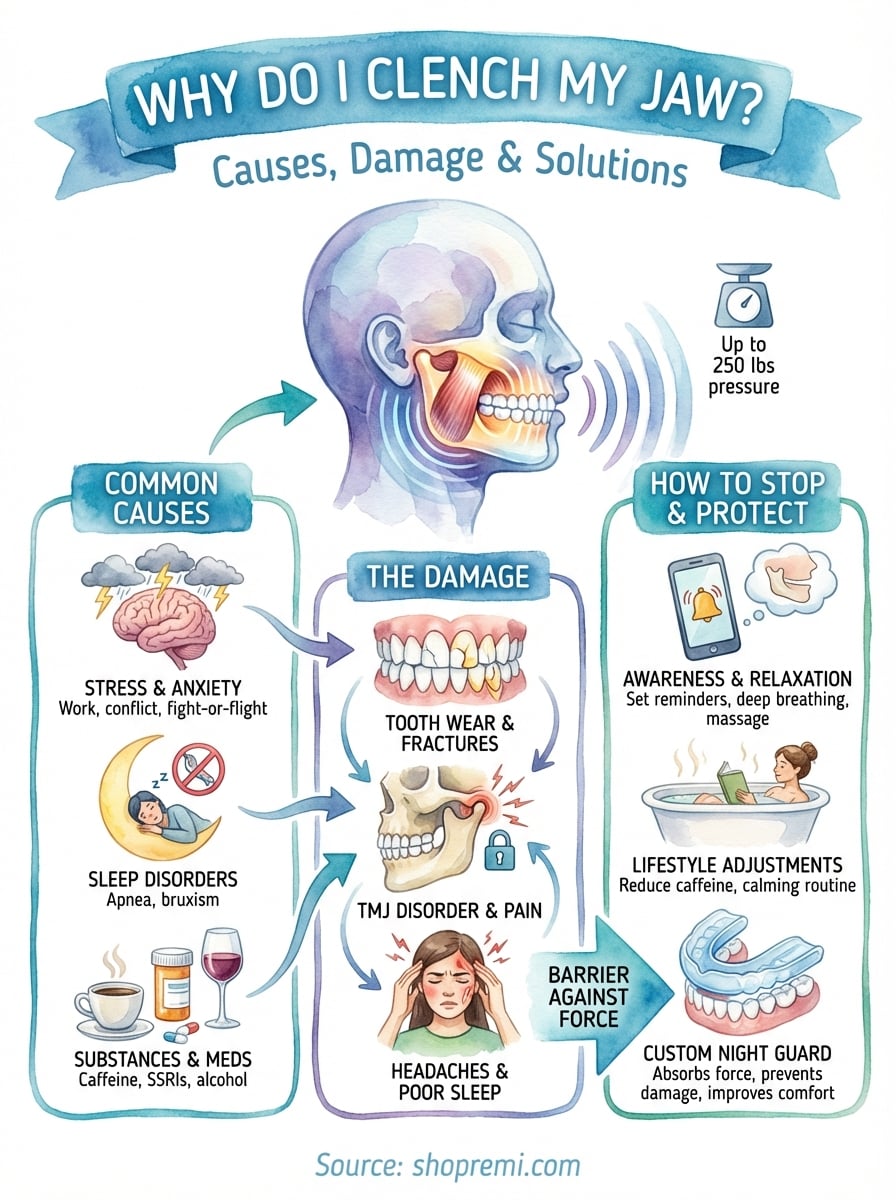
Jaw clenching happens when you unconsciously tighten your jaw muscles, pressing your teeth together with significant force. Some people do this during the day when they feel stressed or focused on a task. Others clench at night while sleeping, a condition called sleep bruxism. Either way, your body can generate up to 250 pounds of pressure on your teeth and jaw.
This article explains why jaw clenching happens, what triggers it, and how to stop it. You'll learn about the real damage it causes to your teeth and jaw, practical steps you can take to break the habit, and how a custom night guard can protect your smile while you work on addressing the root causes.
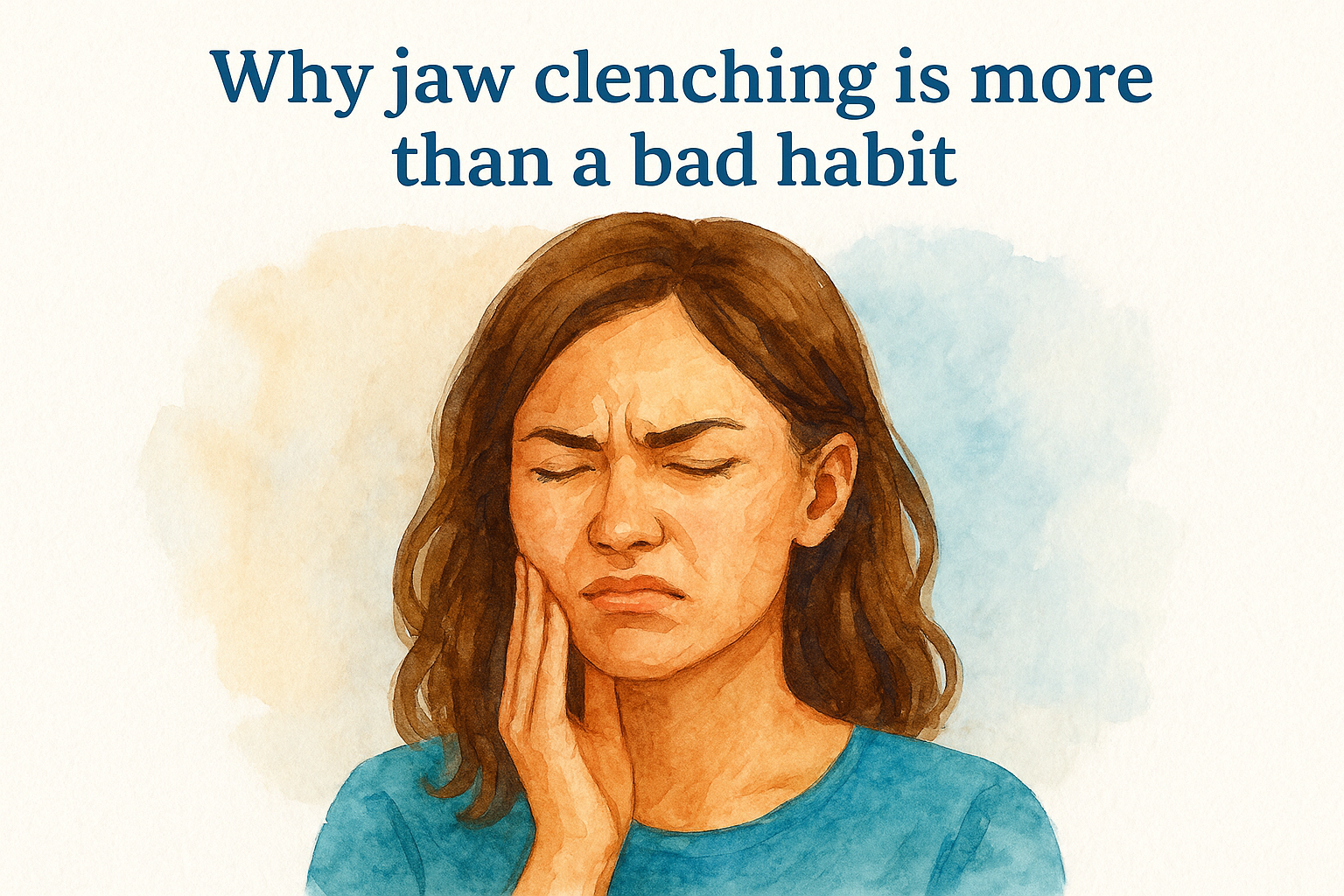
Why jaw clenching is more than a bad habit
You might think clenching your jaw is just a quirk or temporary stress response, but if you've found yourself wondering "why do I clench my jaw," you're recognizing a problem that's far more serious than it seems. Jaw clenching causes real physical damage to your teeth, jaw joints, and surrounding muscles. This isn't something that just goes away on its own or improves with time. The force you generate when clenching can wear down your tooth enamel, crack your teeth, and strain the temporomandibular joint (TMJ) that connects your jaw to your skull.
The physical damage adds up quickly
Your teeth weren't designed to handle constant grinding pressure. Repeated clenching wears away tooth enamel, exposing the sensitive dentin layer underneath. This makes your teeth more vulnerable to cavities, temperature sensitivity, and fractures. Many people don't realize they have a problem until their dentist points out the wear patterns during a routine checkup. TMJ disorder develops when you repeatedly stress the joint, leading to clicking, popping, or even jaw locking that interferes with eating and speaking.
Untreated jaw clenching can lead to permanent tooth damage and chronic jaw joint problems that require extensive dental work to fix.
Your quality of life takes a hit
Beyond the dental damage, jaw clenching affects your daily comfort and wellbeing. Morning headaches and facial pain become regular companions when you clench at night. Your jaw muscles stay tight and sore throughout the day, making it difficult to concentrate at work or enjoy meals. Poor sleep quality results from the muscle tension, leaving you tired and irritable even after a full night in bed.
How to stop clenching your jaw
Breaking the jaw clenching habit requires you to address both the conscious and unconscious patterns that keep your muscles tight. You need a multi-pronged approach that combines awareness, stress management, and protective measures. Some techniques work better for daytime clenching, while others target nighttime grinding. Most people find success by implementing several strategies at once rather than relying on a single fix.
Increase awareness of when you clench
The first step to stopping jaw clenching is recognizing when you do it. Set reminders on your phone throughout the day to check your jaw position. When the alarm goes off, notice whether your teeth are touching or if your jaw feels tense. Your teeth should only touch when you're actively chewing food. At rest, your lips should be closed while your teeth stay slightly apart and your tongue rests gently against the roof of your mouth.
Pay attention to activities that trigger clenching. Many people unconsciously clench while driving, working at a computer, or concentrating on detailed tasks. Once you identify your triggers, you can consciously relax your jaw during these moments. Some people place sticky notes on their computer monitor or car dashboard as visual cues to release jaw tension.
Practice relaxation techniques that target jaw muscles
Your jaw muscles respond directly to stress signals from your nervous system. Deep breathing exercises help by activating your parasympathetic nervous system, which tells your muscles to relax. Try inhaling slowly through your nose for four counts, holding for four counts, then exhaling through your mouth for six counts. This breathing pattern reduces overall muscle tension, including in your jaw.
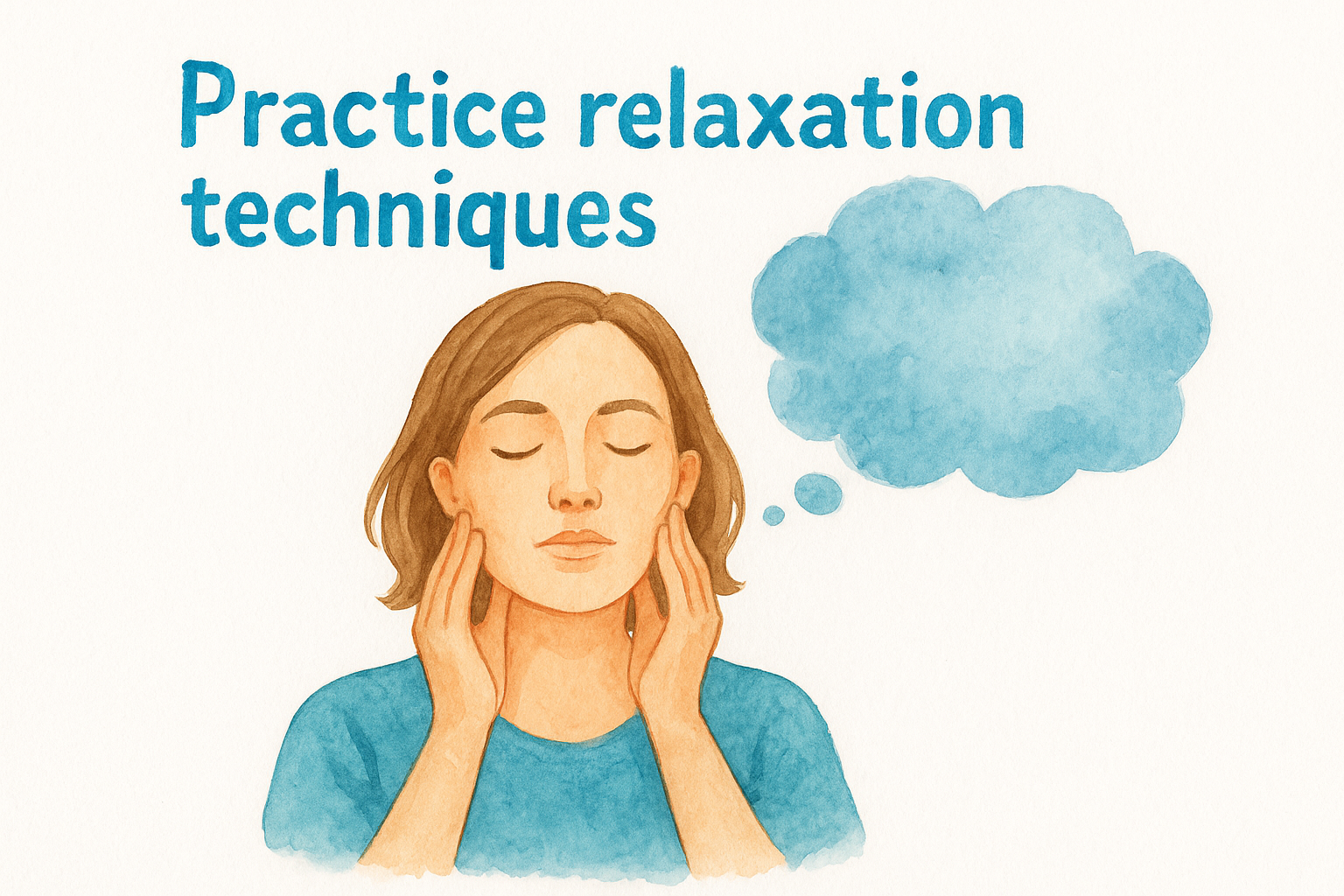
Gentle jaw stretches throughout the day prevent muscle stiffness and reduce clenching intensity. Open your mouth slowly as wide as comfortable, hold for five seconds, then close. Repeat this movement five times every few hours. You can also massage the muscles at the angle of your jaw with your fingertips using small circular motions.
Regular jaw exercises and conscious relaxation reduce the frequency and intensity of clenching episodes over time.
Make lifestyle adjustments that reduce triggers
Understanding why do i clench my jaw often points to modifiable lifestyle factors. Cut back on caffeine intake, especially after noon, since it increases muscle tension and interferes with sleep quality. Alcohol consumption disrupts your sleep cycles and can worsen nighttime clenching. Limit or eliminate both substances to see if your symptoms improve.
Create a calming bedtime routine that signals your body to release tension. Take a warm bath, read a book, or practice gentle stretching before bed. Avoid screens for at least one hour before sleep, as blue light interferes with melatonin production and sleep quality.
Common causes and triggers of jaw clenching
Understanding what drives your jaw clenching helps you take targeted action to stop it. The causes fall into three main categories: psychological factors, physical conditions, and substance-related triggers. Most people who ask themselves "why do i clench my jaw" discover that multiple factors work together to create the problem. Your specific combination of triggers determines which treatment approaches will work best for you.
Stress and emotional tension drive most clenching
Your body responds to stress by tensing muscles throughout your body, and your jaw muscles are no exception. Anxiety disorders, work pressure, and relationship conflicts all translate into physical tension that manifests as jaw clenching. When you feel overwhelmed, angry, or frustrated, you unconsciously tighten your jaw as part of your fight-or-flight response. This tension persists even during sleep, which explains why you wake up with a sore jaw after stressful days.
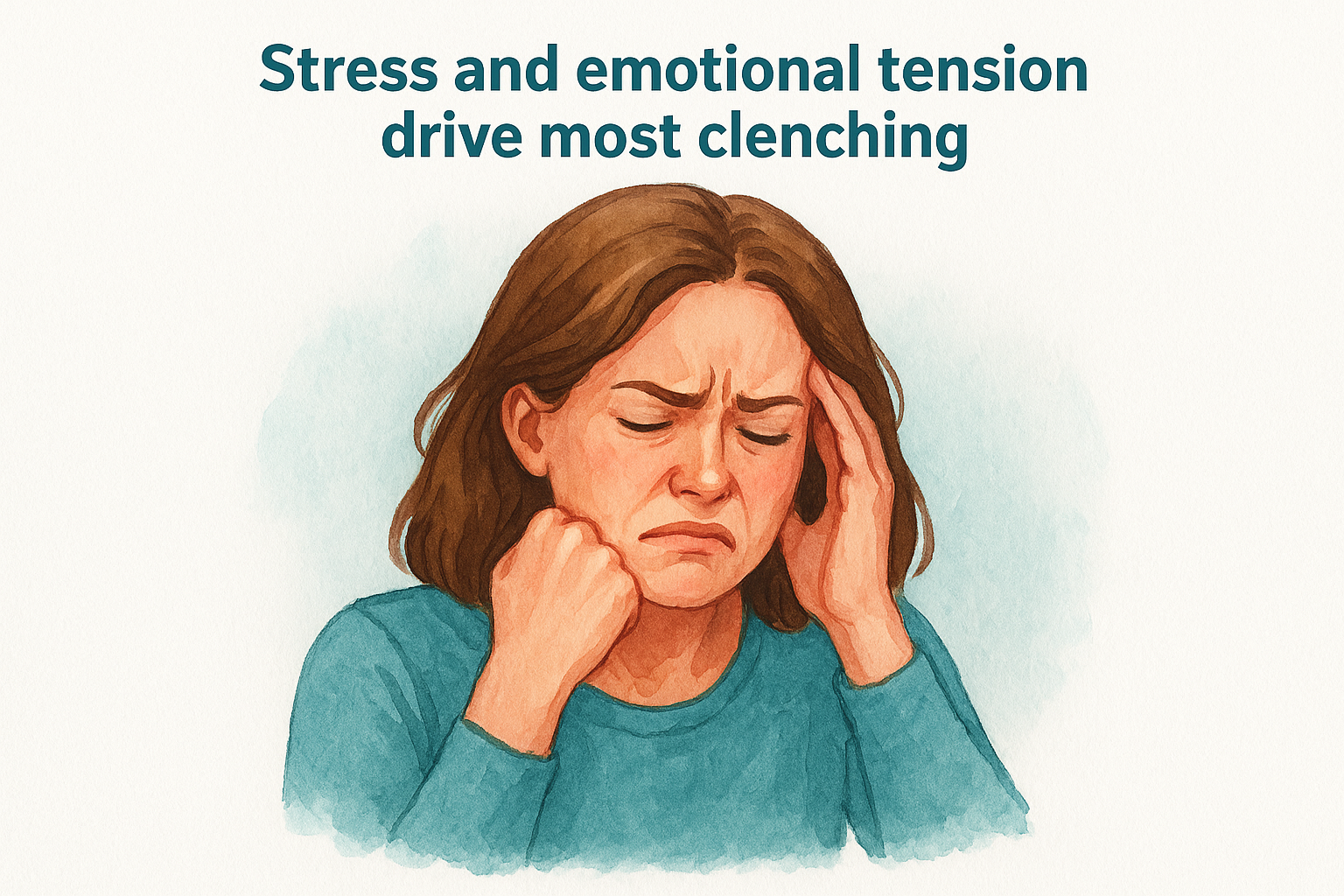
Stress and anxiety account for the majority of jaw clenching cases, making stress management a critical part of any treatment plan.
Sleep disorders and physical factors contribute
Sleep apnea creates repeated breathing interruptions that trigger muscle tension throughout the night. Your body responds to oxygen deprivation by clenching your jaw, trying to maintain an open airway. Certain neurological conditions like Parkinson's disease also increase your risk. Tooth misalignment and bite problems force your jaw muscles to work harder to find a comfortable resting position, leading to chronic clenching.
Medications and substances can worsen the problem
Specific antidepressants, particularly SSRIs like fluoxetine and sertraline, can trigger jaw clenching as a side effect. Talk to your doctor if you started clenching after beginning a new medication. Caffeine, alcohol, and nicotine all increase muscle tension and disrupt your sleep quality. Recreational drugs like cocaine and amphetamines dramatically worsen jaw clenching and teeth grinding. Reducing or eliminating these substances often provides immediate relief.
How a custom night guard helps protect your teeth
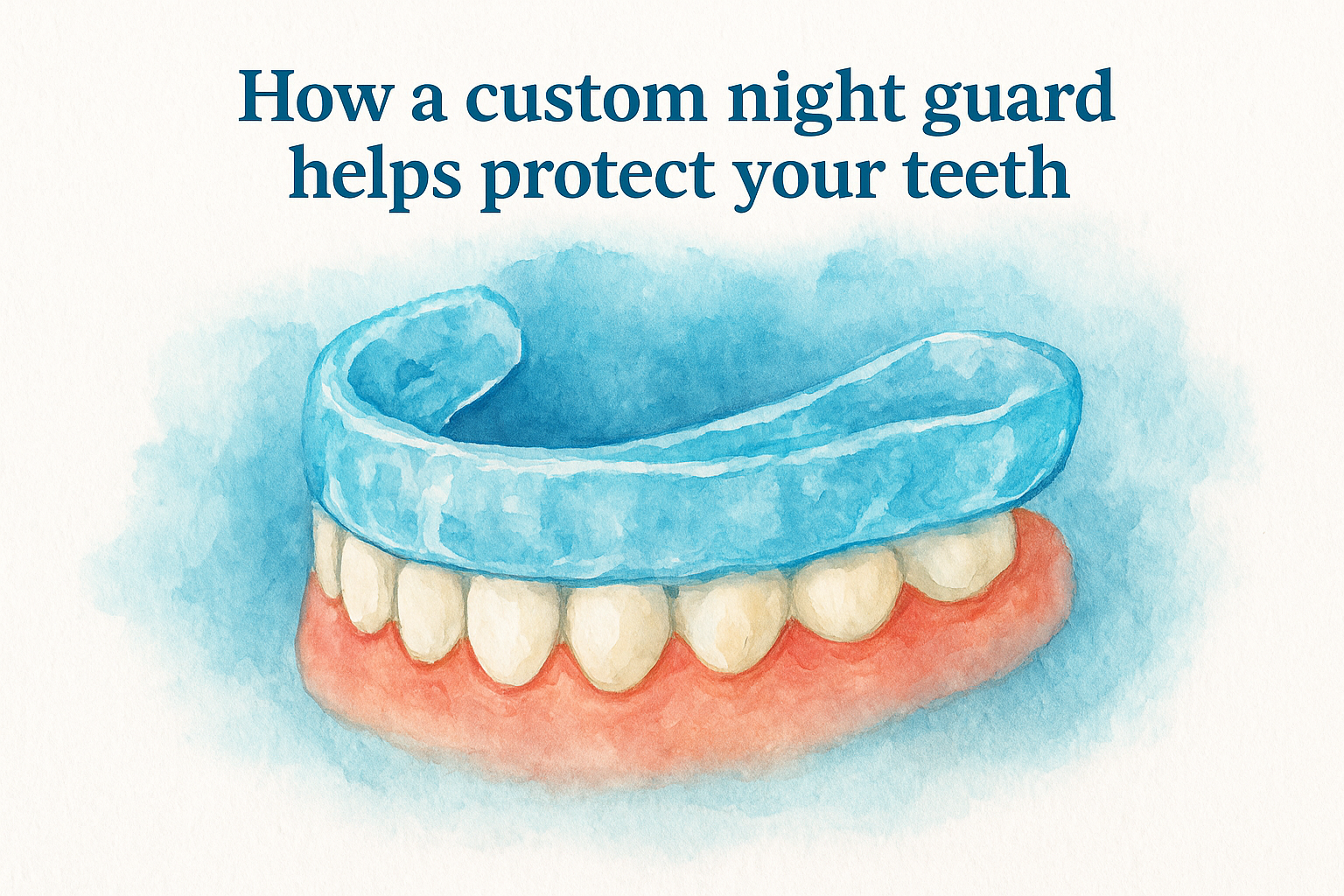
A custom night guard creates a protective barrier between your upper and lower teeth while you sleep. This dental appliance absorbs and distributes the force you generate during nighttime clenching, preventing direct tooth-on-tooth contact that grinds down your enamel. Custom-fitted guards outperform over-the-counter options because they conform precisely to your unique dental structure, ensuring maximum protection and comfort throughout the night.
The barrier stops direct tooth damage
When you wear a night guard, the durable material takes the impact instead of your teeth. This prevents enamel erosion, chips, and cracks that develop from months or years of grinding. The cushioning effect reduces the strain on your jaw joints and muscles, which often leads to decreased morning headaches and facial pain. You'll notice fewer dental problems at your checkups because your teeth stay protected from the destructive forces of clenching.
A properly fitted custom night guard can prevent thousands of dollars in future dental repairs by protecting your teeth from grinding damage.
Custom fit makes treatment sustainable
Over-the-counter night guards often feel bulky and uncomfortable, leading most people to abandon them within weeks. A custom guard fits your mouth precisely, making it easy to breathe, speak, and sleep without feeling like you have a foreign object in your mouth. This comfort level ensures you'll actually wear the guard every night, providing consistent protection. The investment in a custom solution pays off because you stick with the treatment long enough to see real benefits. Remi's custom night guards use professional-grade materials and an at-home impression process, delivering the same quality you'd get from a dental office at a fraction of the cost.
When to see a professional for jaw clenching
You should schedule an appointment with a dentist or doctor when home remedies and lifestyle changes don't reduce your symptoms after a few weeks. Persistent morning headaches, severe tooth damage, or jaw pain that interferes with eating all signal the need for professional evaluation. Your healthcare provider can rule out underlying conditions like sleep apnea or TMJ disorder that require specific medical treatment.
Warning signs that need attention
Seek help immediately if you experience jaw locking, can't open or close your mouth normally, or notice significant tooth cracks. Facial swelling, severe pain, or clicking sounds when moving your jaw warrant professional assessment. If you're still asking yourself "why do i clench my jaw" after trying self-care measures, a dental professional can identify specific causes and recommend targeted treatments.
Final thoughts
Understanding why do i clench my jaw gives you the power to take action before permanent damage occurs to your teeth. The combination of stress management, lifestyle adjustments, and protective measures delivers better results than any single approach alone. A custom night guard protects your teeth immediately while you work on addressing the underlying causes of your clenching habit. Remi's custom night guard provides professional-grade protection at a fraction of dental office costs, delivered straight to your door.

