


You wake up with a headache. Your jaw feels tight. Maybe your teeth hurt for no clear reason. These could be signs you're clenching your jaw without realizing it. Jaw clenching happens when you squeeze your teeth together or grind them back and forth. It's called bruxism in medical terms. Most people do it unconsciously during sleep or when they're stressed or concentrating hard during the day.
This article breaks down the key symptoms of jaw clenching so you can identify if you have it. You'll learn what causes this habit, when it becomes a problem that needs treatment, and what you can do about it. Whether you're dealing with morning jaw pain or wondering if your headaches stem from teeth grinding, you'll find clear answers that help you take the next step toward relief.
Why jaw clenching is more than a bad habit
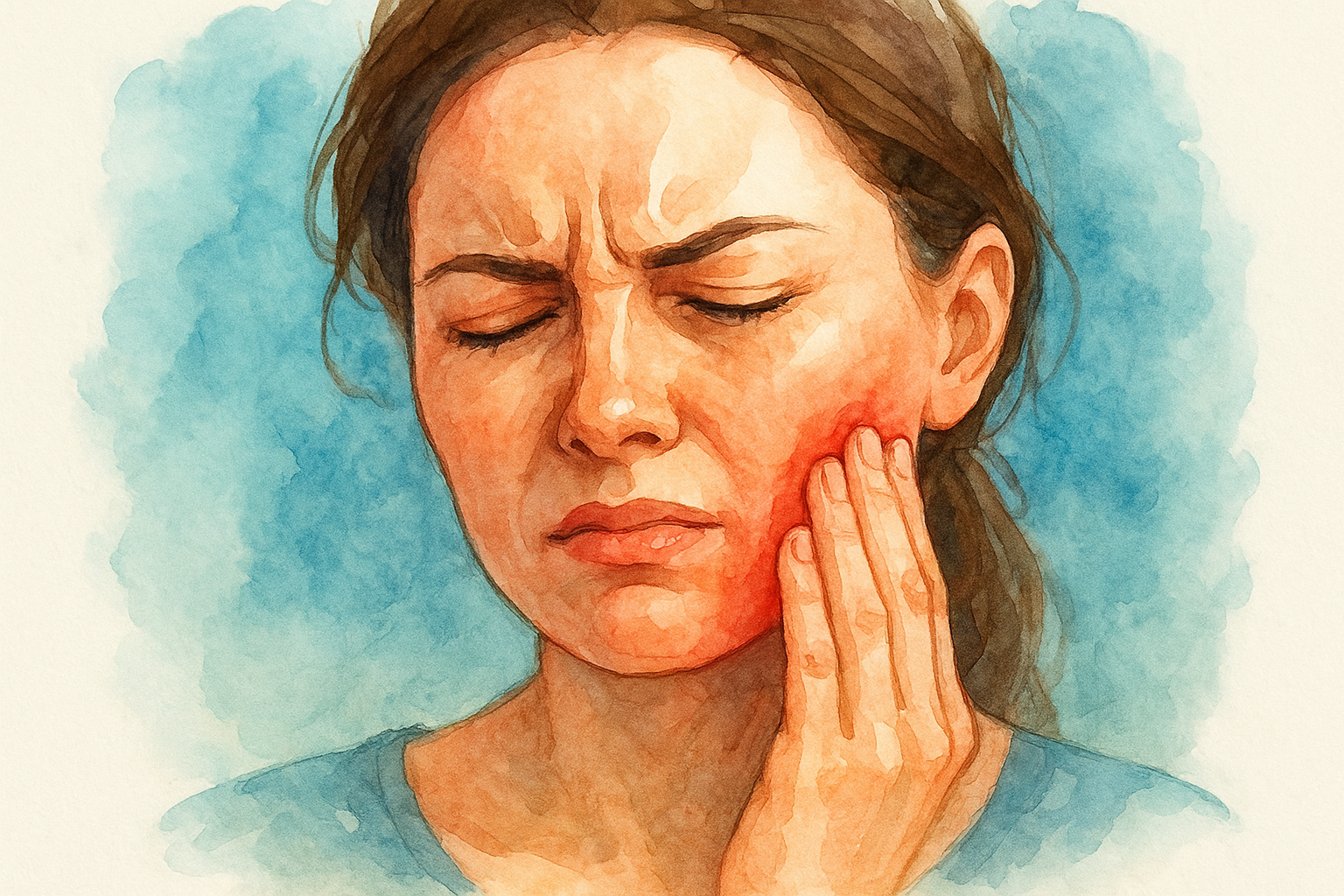
Many people dismiss jaw clenching as a minor quirk or stress response. Your jaw is controlled by some of the strongest muscles in your body, and when you repeatedly clench or grind, you subject your teeth and joints to hundreds of pounds of force. This constant pressure doesn't just disappear. It accumulates over time and causes real damage to your teeth, jaw joints, and surrounding muscles. What starts as occasional tightness can progress to cracked teeth, worn enamel, chronic headaches, and temporomandibular joint (TMJ) disorders that affect how you eat, speak, and sleep.
The hidden costs of ignoring jaw tension
You might not feel the impact right away, but untreated jaw clenching leads to dental bills and daily discomfort that disrupt your quality of life. Your teeth can chip, fracture, or become so sensitive that hot and cold foods trigger sharp pain. The jaw joints themselves can develop inflammation that makes opening your mouth difficult and causes clicking or popping sounds.
Chronic jaw clenching puts up to 250 pounds of pressure on your molars during sleep, far exceeding the normal chewing force of 20 to 40 pounds.
How to spot the symptoms of jaw clenching
The symptoms of jaw clenching show up in multiple areas of your body, and many people don't connect their headaches or earaches to teeth grinding. Your body sends clear signals when you're putting excessive pressure on your jaw. You need to pay attention to morning symptoms especially, since sleep bruxism causes the most severe damage while you're unconscious and unable to control the habit.
Physical signs in your teeth and mouth
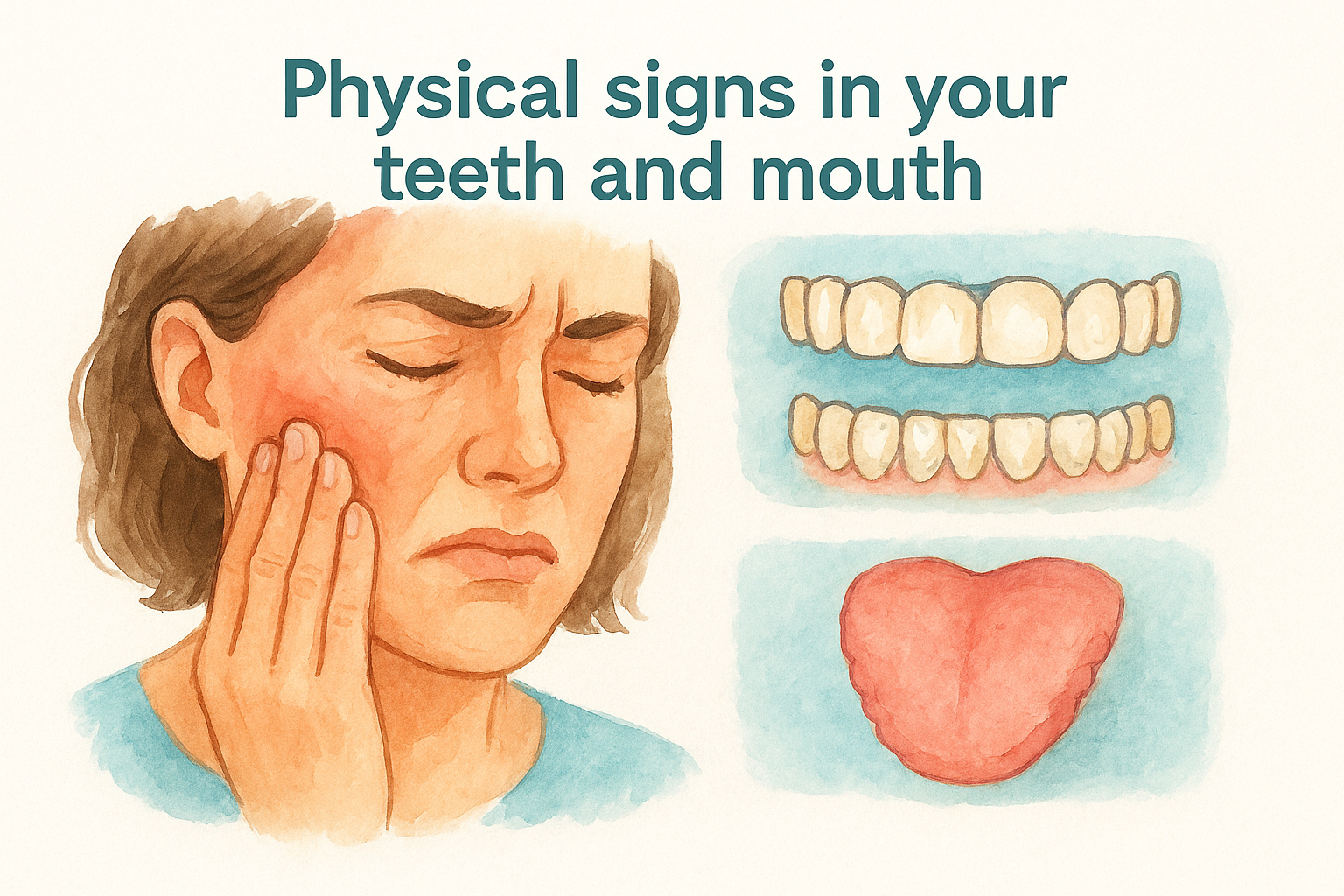
Check your teeth for visible wear patterns. Flattened, chipped, or cracked teeth indicate you're grinding with significant force. You might notice your tooth enamel wearing down, exposing the sensitive inner layers that react to hot and cold temperatures. Look at your tongue for scalloped edges along the sides, which form when you press your tongue against your teeth during clenching episodes. Your jaw muscles may feel tight or larger than expected on both sides of your face. If you run your fingers along your jawline near your ears, you might detect knots or tender spots in the masseter muscles.
Pain and discomfort beyond your jaw
Headaches that start at your temples when you wake up often signal nighttime jaw clenching. The pain radiates from overworked jaw muscles that stayed contracted for hours while you slept. Your ears may ache even though nothing is wrong with them, because the temporomandibular joint sits right in front of your ear canal and refers pain to that area. You might experience neck stiffness, facial soreness, or difficulty fully opening your mouth. Some people hear clicking or popping sounds when they eat or yawn.
Research shows that 70% of jaw clenching cases cause referred pain to other areas, making diagnosis difficult without examining multiple symptoms together.
Common causes and triggers to watch for
Understanding what causes jaw clenching helps you identify patterns and make changes. Doctors haven't pinpointed a single definitive cause, but research reveals several risk factors that increase your likelihood of developing this condition. Your daily habits, stress levels, and even your medications can all contribute to the symptoms of jaw clenching you experience during waking hours or sleep.
Stress and emotional factors
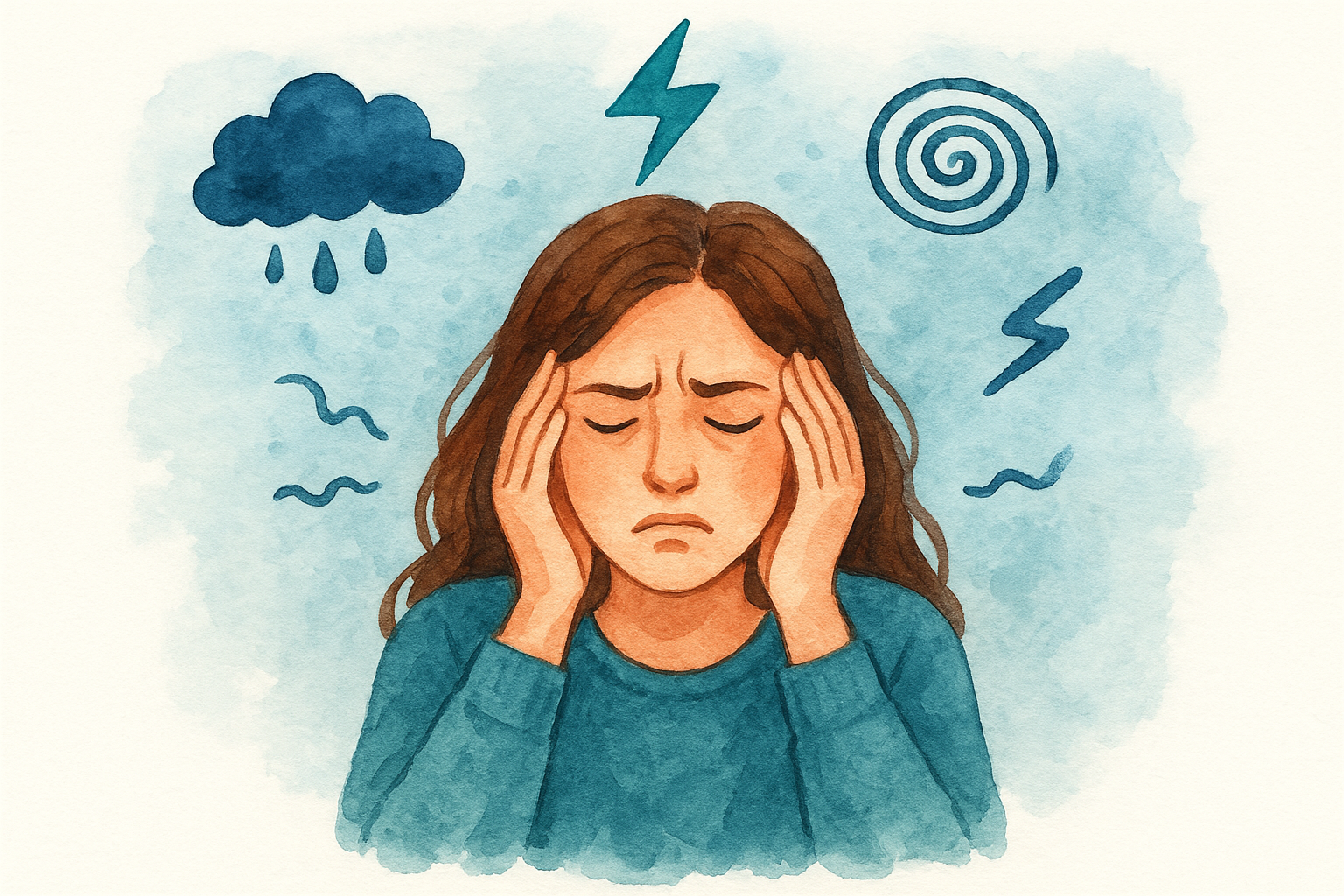
Anxiety and stress top the list of common triggers. When you feel overwhelmed, angry, or frustrated, your body tenses up, and your jaw muscles often bear the brunt of that tension. People with diagnosed anxiety disorders or depression face twice the risk of developing bruxism compared to those without these conditions. Intense concentration during work or studying can also trigger daytime clenching without your awareness.
Studies indicate that individuals experiencing high stress levels are three times more likely to develop chronic bruxism than those with lower stress levels.
Lifestyle and medication triggers
Your daily consumption choices matter more than you might expect. Drinking more than six cups of coffee per day doubles your risk of teeth grinding, and alcohol and tobacco use show similar correlations. Certain antidepressants, particularly SSRIs, list bruxism as a known side effect that affects some patients. Sleep disorders like sleep apnea frequently occur alongside jaw clenching, though researchers continue investigating whether one condition causes the other.
When to see a dentist or doctor
Schedule an appointment with your dentist when symptoms of jaw clenching persist for more than a few weeks or interfere with your daily activities. Your dentist can examine your teeth for wear patterns and assess the condition of your jaw joints during a routine checkup. Early intervention prevents extensive dental damage that becomes more complicated and expensive to repair later. Most dental professionals can diagnose bruxism through a physical examination and discussion of your symptoms.
Signs that require professional evaluation
You need immediate professional attention if you experience severe jaw pain that limits your ability to eat or speak normally. Look for cracked or loose teeth, which indicate significant grinding force that threatens your dental health. Schedule a visit when morning headaches become frequent or when jaw stiffness prevents you from opening your mouth fully. Persistent facial pain or sensitivity to hot and cold foods also warrants a dental examination.
Dentists report that 60% of patients with advanced bruxism waited years before seeking treatment, resulting in damage that required extensive restoration.
What healthcare providers can help
Dentists handle most bruxism cases, but your doctor may refer you to a sleep specialist if sleep apnea appears connected to your jaw clenching. TMJ specialists treat complex cases involving chronic joint pain or dysfunction that doesn't respond to standard treatments.
Treatment options and home relief
Several proven treatments reduce or eliminate the symptoms of jaw clenching, ranging from professional interventions to simple home remedies you can start today. The right approach depends on how severe your bruxism is and whether it happens during the day or at night. Most people benefit from a combination of professional treatment and self-care strategies that address both the physical habit and underlying triggers like stress or poor sleep.
Professional treatment approaches
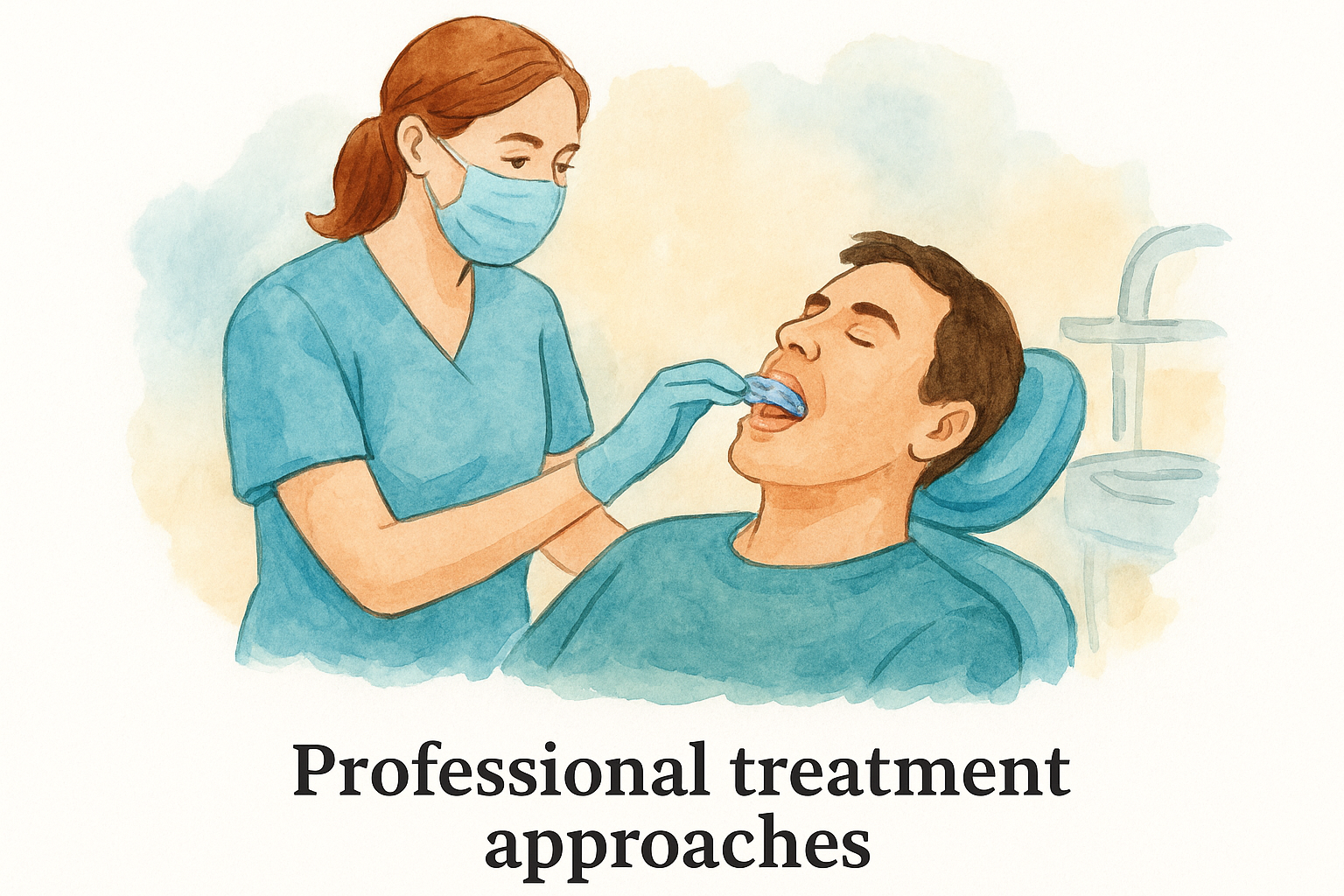
Custom mouth guards from your dentist provide the most effective protection for your teeth during sleep. These appliances cushion your teeth and position your jaw to reduce muscle strain, preventing the damage that comes from grinding with full force. Your dentist creates them from impressions of your teeth for a precise, comfortable fit that stays in place all night. Stress reduction techniques like cognitive behavioral therapy, meditation, or regular exercise help many people stop clenching by addressing the root cause. Muscle relaxers offer temporary relief for severe cases, though doctors typically prescribe them for short periods. Botox injections in the jaw muscles can reduce clenching intensity for three to four months by temporarily weakening the muscles responsible for grinding.
Custom night guards reduce tooth wear by 90% compared to over-the-counter options, according to dental research studies.
Self-care strategies that work
Apply a warm compress to your jaw for 10 to 15 minutes before bed to relax tight muscles and reduce nighttime clenching. Avoid chewing gum, hard foods, and caffeine in the evening since these activities overstimulate your jaw muscles. Practice awareness during the day by keeping your lips together and teeth apart, which is the natural resting position for a relaxed jaw. Limit alcohol consumption and quit smoking if you currently use tobacco products, as both substances significantly increase bruxism risk.
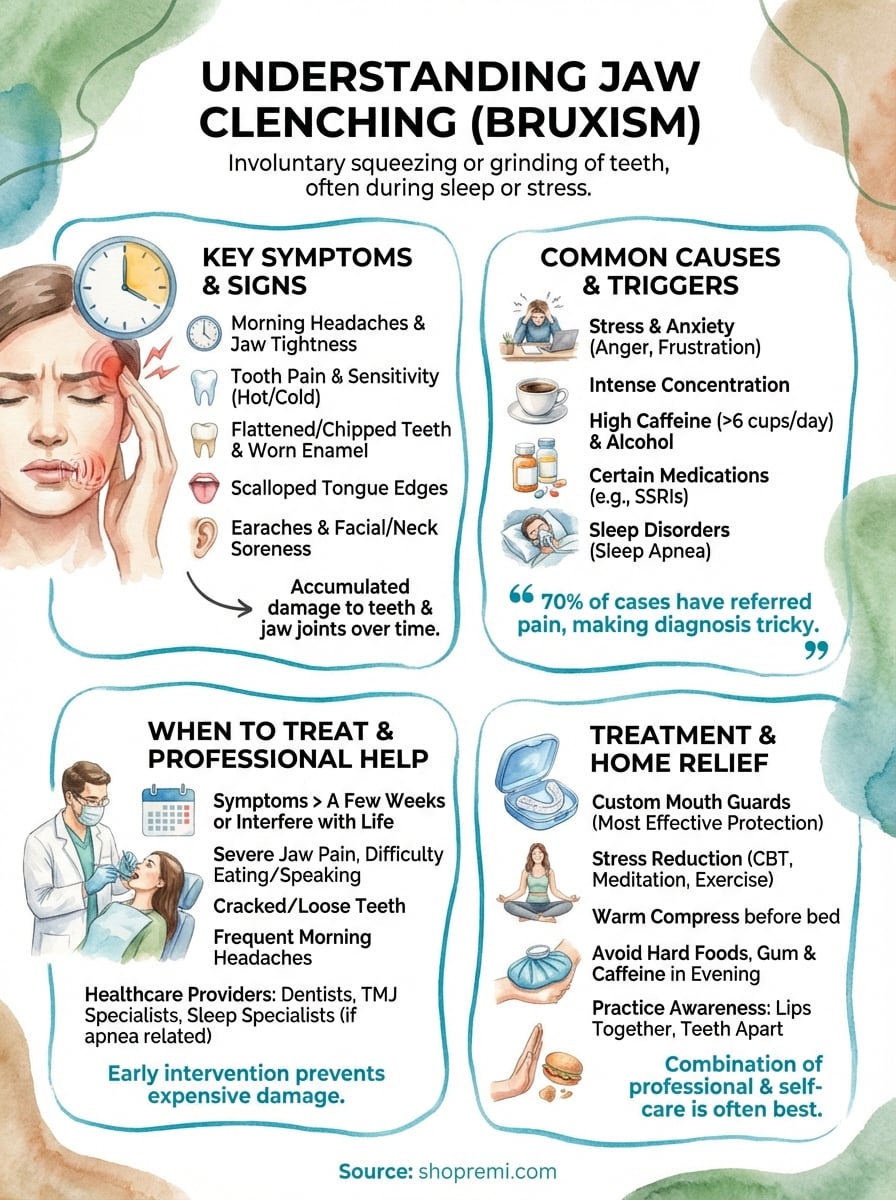
Key takeaways
The symptoms of jaw clenching range from obvious tooth damage to subtle morning headaches and facial pain that many people don't connect to teeth grinding. You need to recognize these signs early to prevent expensive dental repairs and chronic discomfort that affects your sleep, eating, and daily activities. Stress, caffeine, alcohol, and certain medications commonly trigger jaw clenching, though the exact causes vary by person. Professional treatments like custom mouth guards provide the most effective protection, while stress management and lifestyle changes help address the root causes.
If you're experiencing persistent jaw tension, tooth sensitivity, or morning headaches, a custom-fitted night guard protects your teeth from further damage while you work on long-term solutions. Remi's custom night guard offers professional-grade protection at a fraction of dental office costs, with convenient at-home impressions and direct-to-door delivery that makes treatment simple.

