


How to Relieve Jaw Clenching: 5 Proven, Dentist-Backed Tips
You wake up with a headache. Your jaw feels tight and sore. Maybe your partner mentioned hearing you grind your teeth at night. Or you catch yourself clenching during stressful moments at work. This constant jaw tension is more than annoying. It damages your teeth, disrupts your sleep, and leaves you in pain. The worst part is that most people who clench their jaws do it unconsciously, making it feel impossible to stop.
The good news is that you can relieve jaw clenching with the right approach. This article covers five dentist-backed methods that actually work. You'll learn how custom night guards protect your teeth while you sleep, which jaw exercises release built-up tension, and how simple habit changes throughout your day can make a massive difference. We'll also cover heat therapy, massage techniques, and stress management strategies that address the root causes of clenching. Each tip includes clear steps you can start using today, plus guidance on when professional help makes sense. These aren't quick fixes or temporary solutions. They're proven strategies that give your jaw real, lasting relief.
1. Custom night guards for jaw clenching
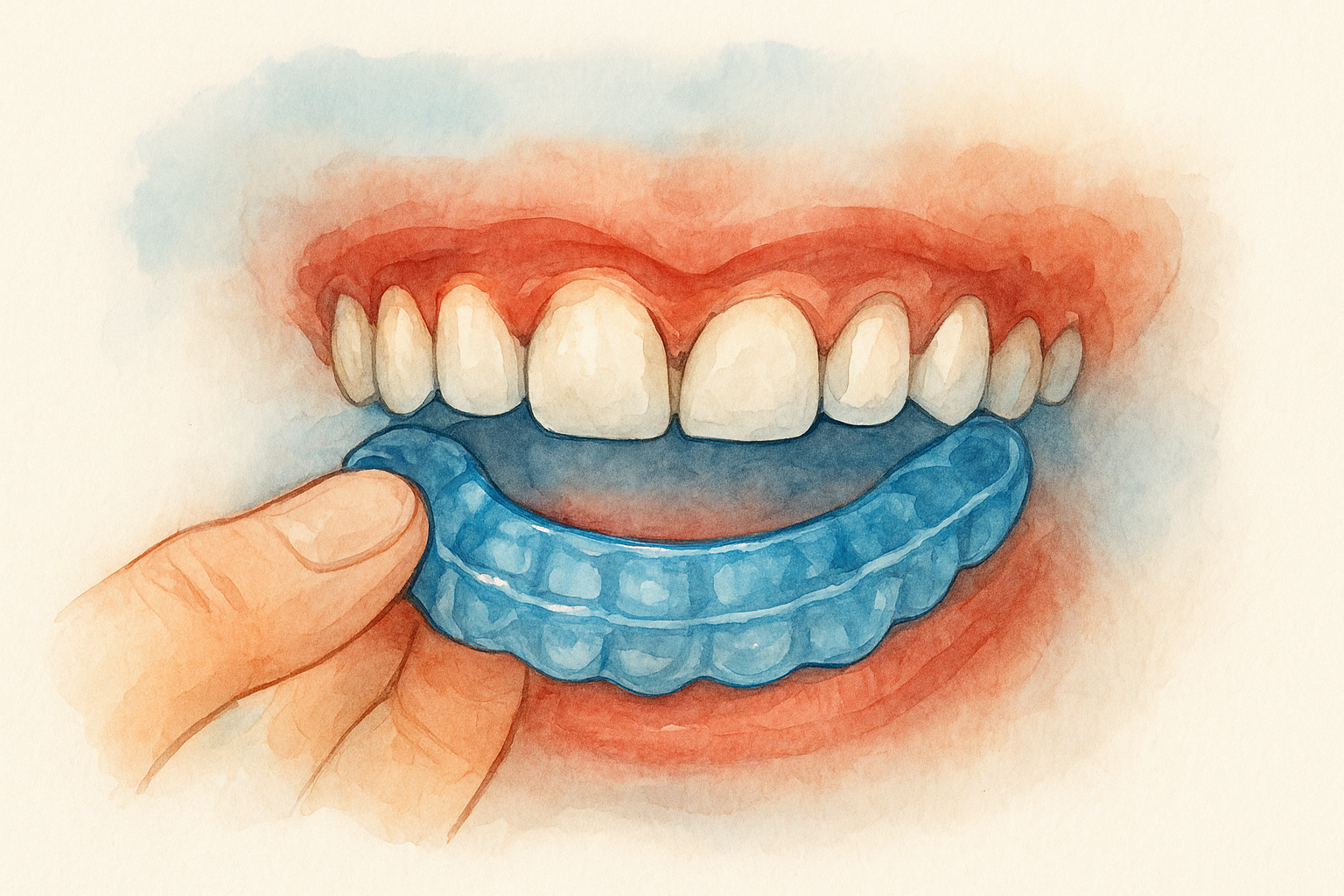
Custom night guards create a protective barrier between your upper and lower teeth while you sleep. Unlike the generic guards you find at pharmacies, custom versions fit your exact tooth structure and bite pattern. This precise fit means you'll actually wear it through the night instead of yanking it out in your sleep. Your jaw muscles still want to clench, but the guard absorbs the pressure and prevents your teeth from grinding together.
How this tip helps your jaw
The guard repositions your jaw into a slightly more relaxed position, which reduces the intensity of muscle contractions during sleep. When you clench without protection, you can generate up to 250 pounds of force on your teeth. A properly fitted night guard distributes this force across the entire guard surface rather than concentrating it on individual teeth. This protection prevents tooth damage like chips, cracks, and worn enamel. The guard also keeps your jaw from fully clenching shut, which reduces morning muscle soreness and tension headaches.
Custom night guards are one of the most effective tools for how to relieve jaw clenching because they work while you sleep, when conscious control is impossible.
Steps to use this tip
You start by getting dental impressions made, either at a dentist's office or through an at-home impression kit. The lab uses these molds to create a guard that matches your unique dental structure. When your guard arrives, you clean it with mild soap and water, then insert it before bed. Position it over your teeth and bite down gently to secure it. Store the guard in its protective case each morning after rinsing it with cool water.
When to talk to a dentist
Schedule an appointment if your guard causes persistent discomfort or doesn't stay in place during sleep. You also need professional help if you notice increasing tooth sensitivity despite wearing the guard regularly. A dentist can adjust the fit or recommend a different guard material. If your jaw pain worsens after several weeks of consistent use, the guard might need repositioning to better align your bite.
2. Jaw stretches and relaxation exercises
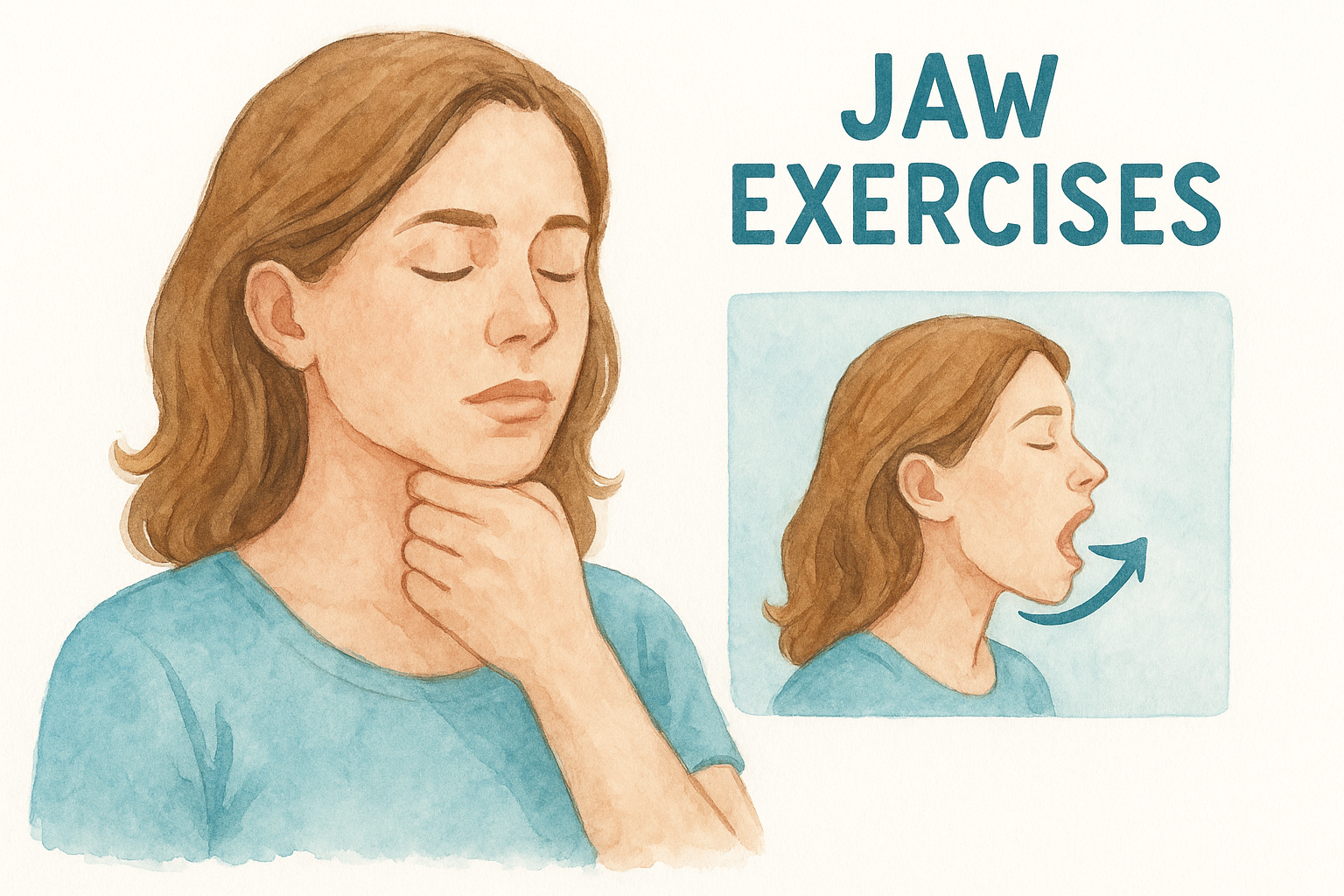
Targeted jaw exercises work directly on the tense muscles that cause clenching pain. These stretches take only five minutes but release the built-up tension that accumulates throughout your day. You perform them consciously, which trains your brain to recognize what a relaxed jaw actually feels like. This awareness carries over into your daily routine, making it easier to catch yourself before you clench.
How this tip helps your jaw
Regular stretching increases blood flow to your jaw muscles, which helps them recover from the micro-damage that clenching causes. The exercises also improve your range of motion in the temporomandibular joint, reducing stiffness and clicking sounds. When you stretch consistently, your muscles develop a memory for the relaxed position rather than the clenched one. This muscle reprogramming is one of the most effective ways for how to relieve jaw clenching without any equipment or cost.
Jaw exercises teach your muscles what relaxation feels like, which helps prevent unconscious clenching throughout the day.
Steps to use this tip
Place your tongue tip on the roof of your mouth, just behind your front teeth. Open your mouth slowly while keeping your tongue in this position, which prevents your jaw from locking. Hold for five seconds, then close gently. Repeat this ten times. Next, move your jaw from side to side slowly, holding each position for three seconds. Finish by placing your palm under your chin and gently pushing up while opening your mouth, creating resistance for five seconds.
When to talk to a dentist
Contact a dental professional if you experience sharp pain during any exercise or hear new clicking sounds that weren't present before. You also need evaluation if your jaw locks in the open or closed position during stretches. A dentist can assess whether you have structural issues that require different treatment approaches beyond exercises.
3. Heat, massage and posture resets
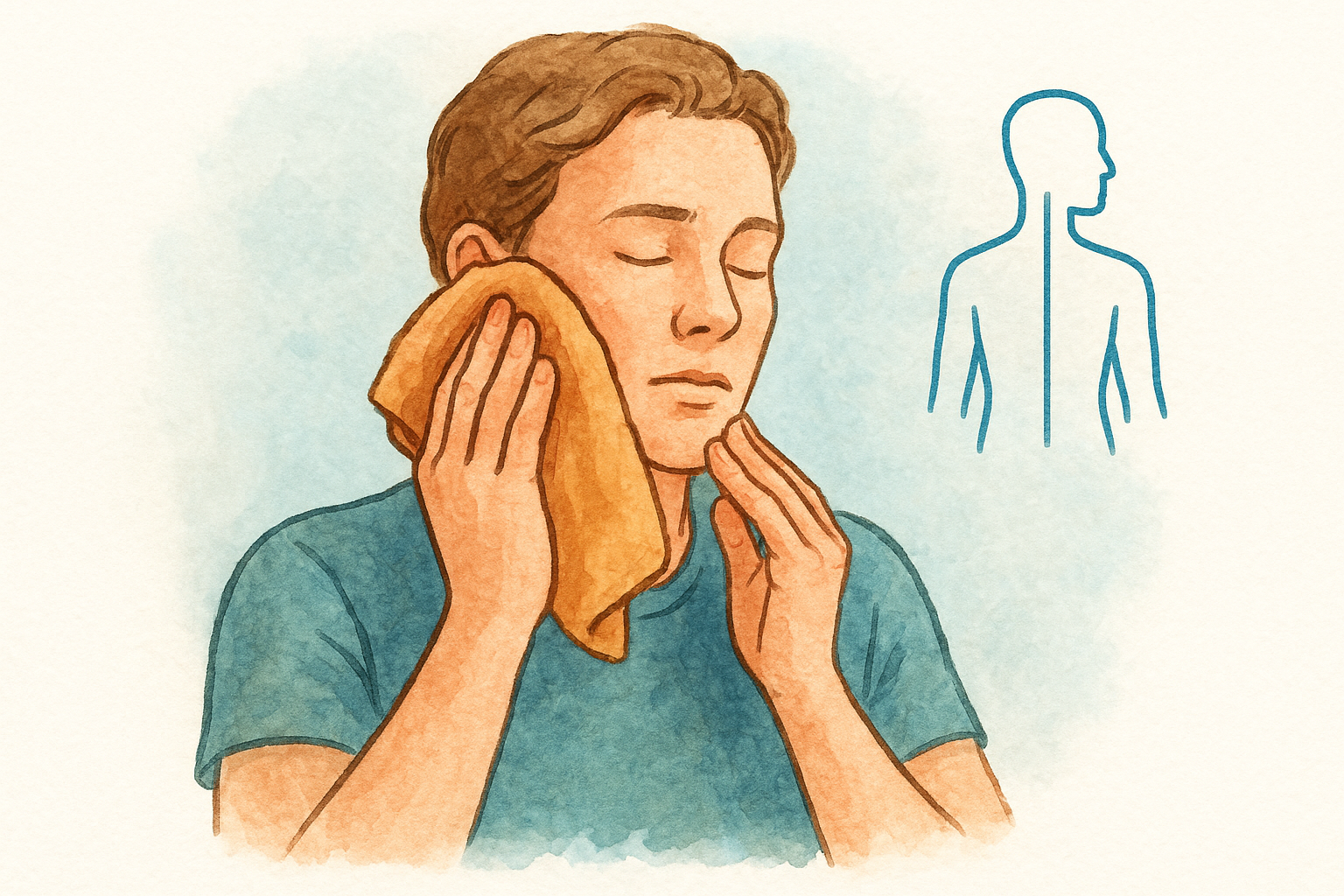
Physical therapy techniques target jaw tension from multiple angles at once. Heat relaxes tight muscles, massage breaks up trigger points, and posture corrections prevent new tension from building. These methods work especially well when you combine them into a 15-minute routine before bed. Your jaw muscles respond quickly to this approach because you're addressing both the symptoms and the physical habits that fuel clenching.
How this tip helps your jaw
Applying heat increases blood circulation to your jaw muscles, which carries away the waste products that cause soreness. The warmth also makes tight muscle fibers more pliable before you massage them. Massage releases adhesions and knots that form from repeated clenching, restoring normal muscle function. Correcting your posture takes pressure off your jaw by properly aligning your head, neck, and spine, which reduces compensatory clenching patterns throughout the day.
Heat therapy combined with massage gives you immediate relief while posture work prevents future tension from returning.
Steps to use this tip
Place a warm, damp towel against your jaw for 10 minutes before bed. Use your fingertips to massage the muscles along your jawline with firm, circular motions for three minutes per side. Check your posture by ensuring your ears align directly over your shoulders when sitting or standing. Set hourly reminders to reset this position if you tend to lean forward.
When to talk to a dentist
Visit a professional if heat application makes your pain worse rather than better. You also need evaluation if you discover lumps or severely tender spots during massage that don't improve within two weeks.
4. Change everyday habits that stress your jaw
Small daily actions add up to major jaw stress over time. Chewing gum for hours, biting pens, or resting your chin on your hand all force your jaw into unnatural positions that trigger clenching. These habits feel harmless because each instance causes minimal discomfort. The problem is that you repeat them dozens of times daily, which keeps your jaw muscles in a constant state of tension. Breaking these patterns removes the fuel that powers your clenching cycle.
How this tip helps your jaw
Eliminating stress-causing habits gives your jaw muscles extended rest periods throughout the day. When you stop chewing gum or biting hard objects, your muscles don't have to work in constant contraction. This reduced workload allows damaged muscle fibers to heal properly. Your jaw also stays in a more neutral position when you avoid leaning on your hand or holding your phone between your shoulder and ear, which prevents compensatory clenching patterns from developing.
Steps to use this tip
Replace gum chewing with sugar-free mints that dissolve without requiring repetitive jaw motion. Keep pens capped and away from your mouth during concentration. Position your computer monitor at eye level so you don't jut your chin forward while working. Hold your phone in your hand during calls instead of wedging it against your shoulder.
When to talk to a dentist
Schedule a consultation if you notice specific activities consistently trigger jaw pain despite your best efforts to modify them. A dental professional can identify whether structural issues require intervention beyond habit changes.
5. Lower stress levels and sleep better
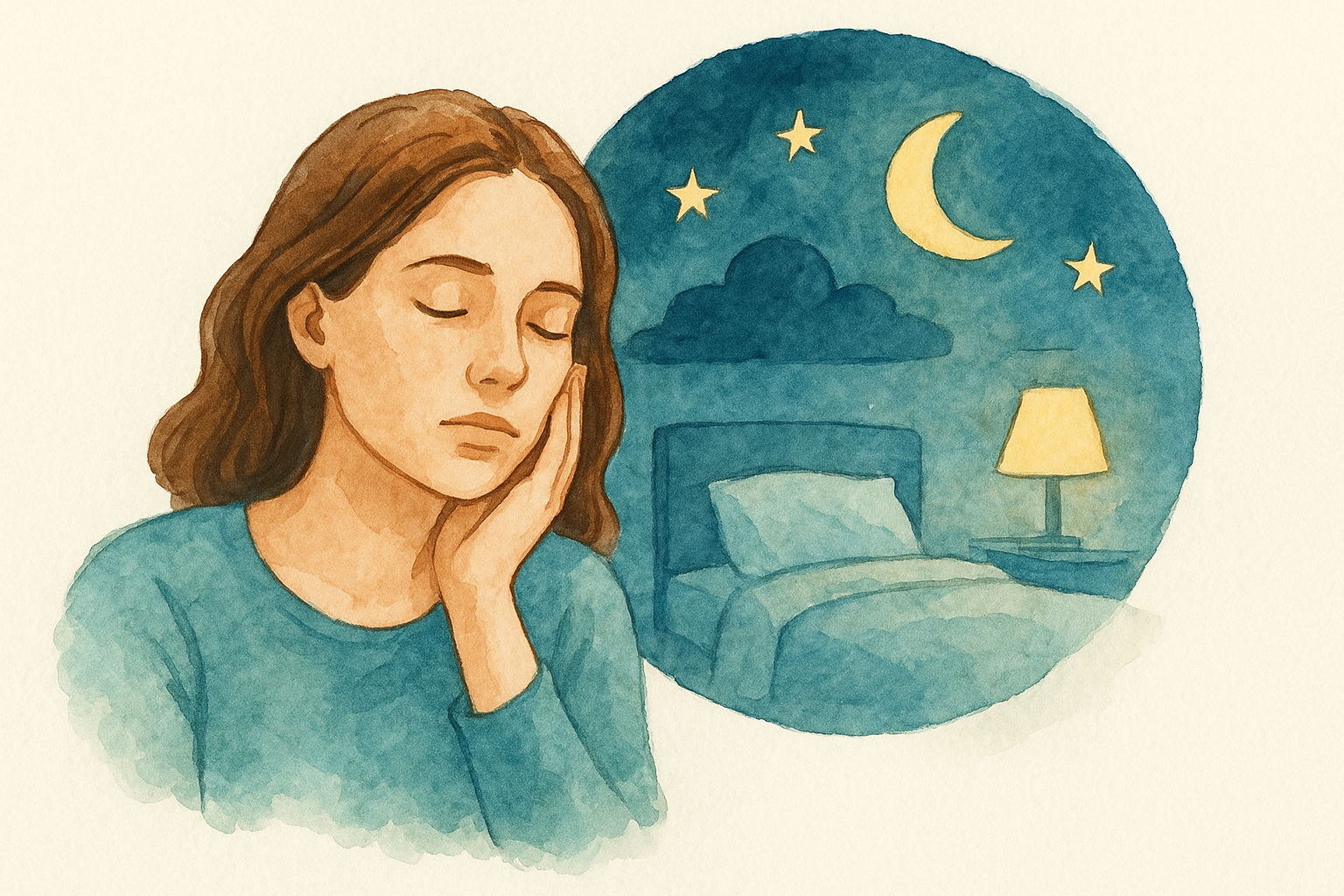
Stress triggers the fight-or-flight response that tenses every muscle in your body, including your jaw. Poor sleep compounds this problem because your body never gets the deep rest it needs to release accumulated tension. When you're stressed and tired, your nervous system stays on high alert, which increases both daytime and nighttime clenching. Addressing these root causes gives you the most sustainable answer for how to relieve jaw clenching because you're fixing what drives the problem rather than just managing symptoms.
How this tip helps your jaw
Quality sleep allows your nervous system to shift out of stress mode and into recovery. During deep sleep stages, your body releases tension and repairs muscle damage from daily clenching. Lower stress levels reduce the cortisol and adrenaline that keep your muscles contracted. When your body isn't constantly preparing for threats, your jaw naturally stays in a relaxed position more often throughout both day and night.
Reducing stress and improving sleep quality targets the neurological triggers that cause unconscious jaw clenching in the first place.
Steps to use this tip
Practice deep breathing for five minutes twice daily by inhaling for four counts, holding for four, and exhaling for six. Create a consistent bedtime routine that starts 30 minutes before sleep with screen-free activities like reading or stretching. Keep your bedroom temperature between 60 and 67 degrees for optimal sleep. Try meditation apps or progressive muscle relaxation to calm your nervous system before bed.
When to talk to a dentist
Seek help if persistent anxiety makes stress management techniques ineffective on your own. You also need evaluation if sleep problems continue despite good sleep hygiene, as underlying conditions like sleep apnea can worsen jaw clenching.
Moving forward
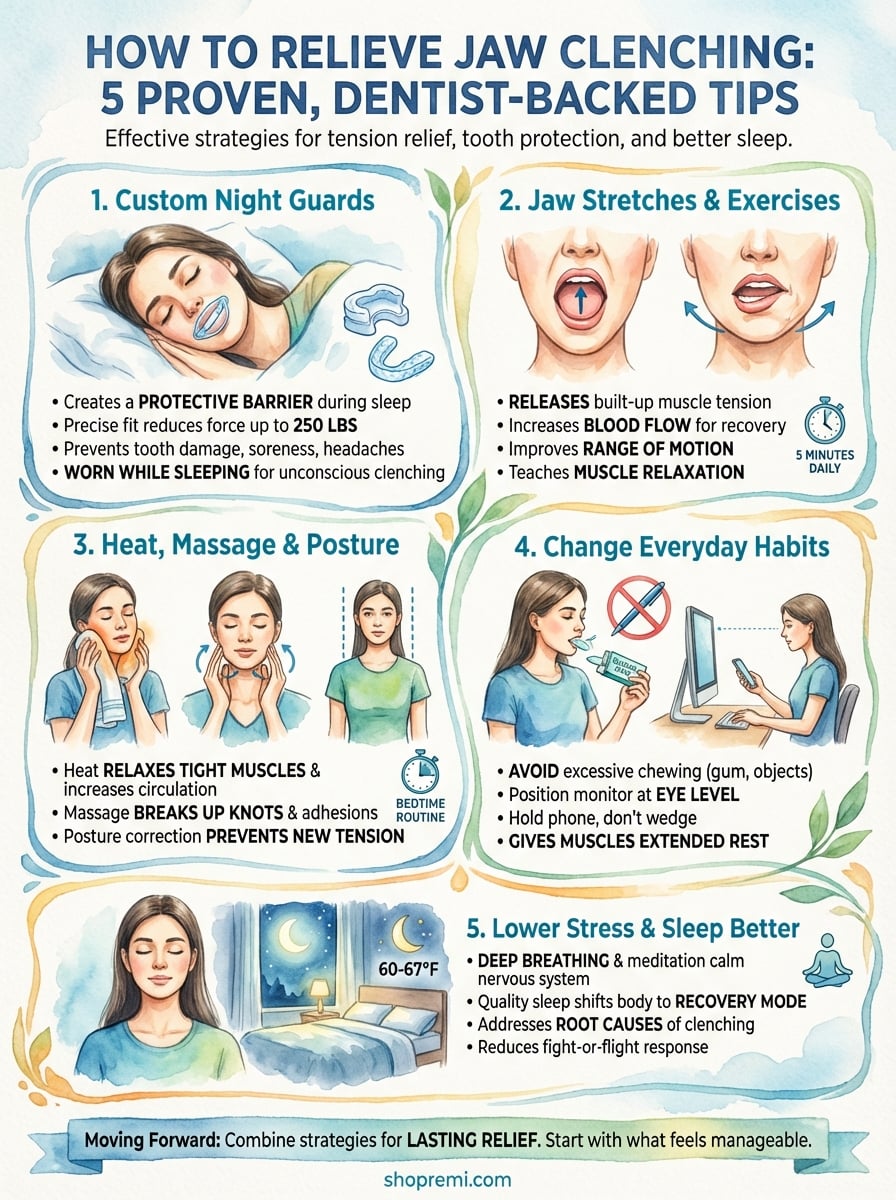
You now have five proven methods for how to relieve jaw clenching that work together to give you lasting relief. Custom night guards protect your teeth during sleep, exercises release built-up muscle tension, and habit changes prevent new stress from accumulating throughout your day. The most effective approach combines multiple strategies rather than relying on just one method alone.
Start with the tips that feel most manageable for your lifestyle and schedule today. Many people see significant improvement within the first two weeks of consistent effort and proper application. If you're ready to protect your teeth while you sleep, a custom night guard gives you professional-grade protection at a fraction of traditional dental office costs. Your jaw deserves real relief, and these strategies give you the tools to make it happen.

