
 Guards + Retainers
 Custom Night Guard
 Retainer
 Emergency Order

 Whitening
 Whitening Kit
 Teeth Whitening Gel
 Dual-Action Foam
 Cleaning + Care
 Ultrasonic Cleaner Pro
 Water Flosser
 UV Toothbrush Sanitizer
 Deep Clean + Freshening Tablets
 Accessories
 Guard Removal Tool
 Replacement Nozzles
 Bundles

You're sitting at your desk, mid-email, and suddenly realize your jaw is clamped shut like a vice. Sound familiar? Unlike nighttime grinding, which happens while you sleep, causes of daytime bruxism are tied to things you're actively experiencing, stress, focus, anxiety, even certain medications. The tricky part is that most people don't notice they're doing it until the tension headaches, worn teeth, or jaw pain have already set in.
Daytime clenching affects a significant portion of adults, and the triggers aren't always obvious. A stressful commute, a demanding work deadline, or even the way you hold your posture can keep your jaw muscles firing all day long. Understanding exactly what's behind your clenching is the first real step toward stopping it, and toward protecting your teeth from the cumulative damage it causes. That's a big part of why we built Remi: to give people affordable, custom-fitted night guards and dental protection without the hassle or price tag of a dental office visit.
Below, we'll break down the psychological, lifestyle, and medical factors that drive daytime bruxism so you can identify your personal triggers and take action before the damage adds up. Whether it's stress management, habit awareness, or wearing a custom guard to limit the impact, knowing the cause points you toward the right solution.
What daytime bruxism is
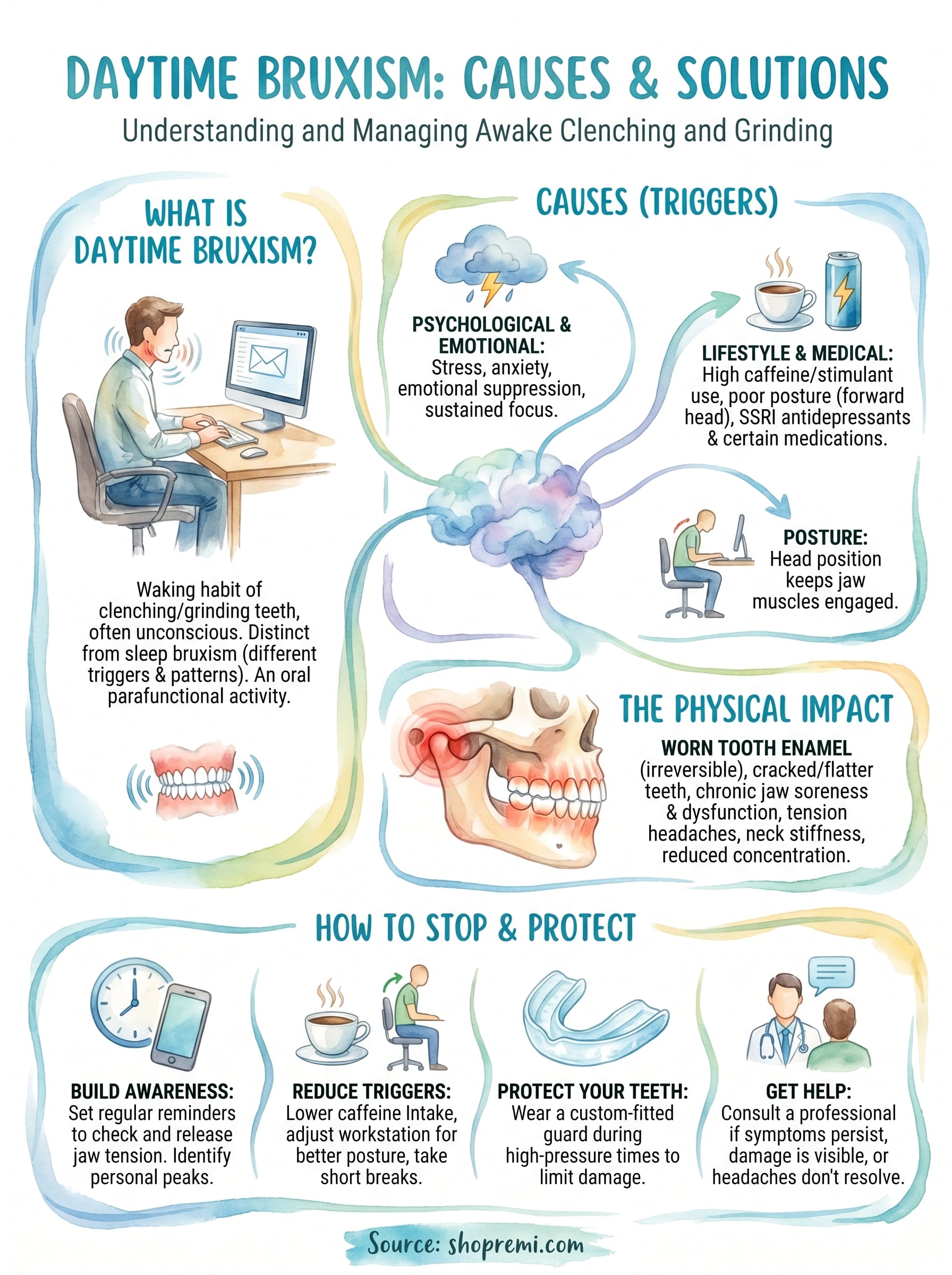
Daytime bruxism is the habit of clenching or grinding your teeth while you're awake, usually without any conscious awareness that you're doing it. Unlike its nighttime counterpart, which happens during sleep and is largely involuntary, daytime bruxism is a waking behavior that typically develops in response to stress, sustained focus, or emotional tension. Dentists classify it as an oral parafunctional activity, meaning your jaw muscles are working in a way they were never designed to sustain repeatedly throughout the day.
How it differs from nighttime grinding
Sleep bruxism and daytime bruxism share the same core action: your upper and lower teeth pressing or sliding against each other with excessive force. But the triggers are completely different. Sleep bruxism connects strongly to sleep disorders, airway issues, and nervous system activity during sleep cycles. Daytime bruxism, by contrast, links much more directly to conscious emotional states and behavioral habits, which is why understanding the causes of daytime bruxism starts with examining your waking life rather than what happens in bed.
Daytime clenching typically involves more sustained, static pressure rather than the back-and-forth grinding motion more common during sleep, which means the muscle fatigue and tooth wear patterns can look different too.
That distinction matters because the two conditions respond differently to treatment. Addressing daytime bruxism usually requires a combination of habit-reversal strategies and stress reduction, alongside dental protection to limit the physical damage while you work on the underlying cause.
Who experiences daytime bruxism
Research shows that daytime bruxism appears more often in people carrying significant psychological stress or anxiety, though it can affect almost anyone. It shows up across a wide age range, from teenagers to older adults, and women report it slightly more frequently than men. Some people clench during specific activities, like driving, typing, or exercising, while others do it throughout most of their waking hours without a clear pattern. For many, recognizing that the behavior exists at all is the hardest first step toward addressing it.
Why daytime bruxism matters
Ignoring daytime clenching isn't a neutral choice. Every session puts force on your teeth far beyond what normal chewing requires, and that accumulates fast over a workday, a week, or a year. The causes of daytime bruxism may originate in your psychology or lifestyle, but the consequences are very physical, affecting your teeth, jaw joints, and overall comfort in ways that get harder to reverse the longer they go unaddressed.
The physical damage it causes
Repeated clenching wears down tooth enamel, the protective outer layer that doesn't regenerate once it's gone. Over time, teeth can become flatter, more sensitive, or prone to cracking, and the jaw muscles and temporomandibular joints can develop chronic soreness and dysfunction that requires real intervention to resolve.
The damage compounds gradually, which is why most people only seek help once symptoms like cracked teeth or persistent headaches become impossible to ignore.
How it affects your daily life
Beyond your teeth, sustained jaw tension feeds directly into tension headaches, neck stiffness, and reduced ability to concentrate. The discomfort rarely stays isolated in your mouth.
If you already carry stress or anxiety, the physical soreness from clenching can intensify those feelings, creating a feedback loop that makes both your emotional state and your jaw harder to settle. Breaking that cycle starts with understanding what's driving it in the first place.
What causes daytime bruxism
The causes of daytime bruxism fall into a few distinct categories, but they almost always share one thing in common: your nervous system is in a heightened state, and your jaw muscles bear the physical cost of that tension. Pinpointing which triggers apply to your situation is what makes managing the habit actually possible.
Psychological and emotional triggers
Stress and anxiety sit at the top of the list for most people. When you're under pressure, your body holds tension in different muscle groups, and the jaw is a common target. Emotional suppression, frustration, and prolonged concentration on demanding tasks all activate the same jaw-clenching response, often without you realizing it's happening.
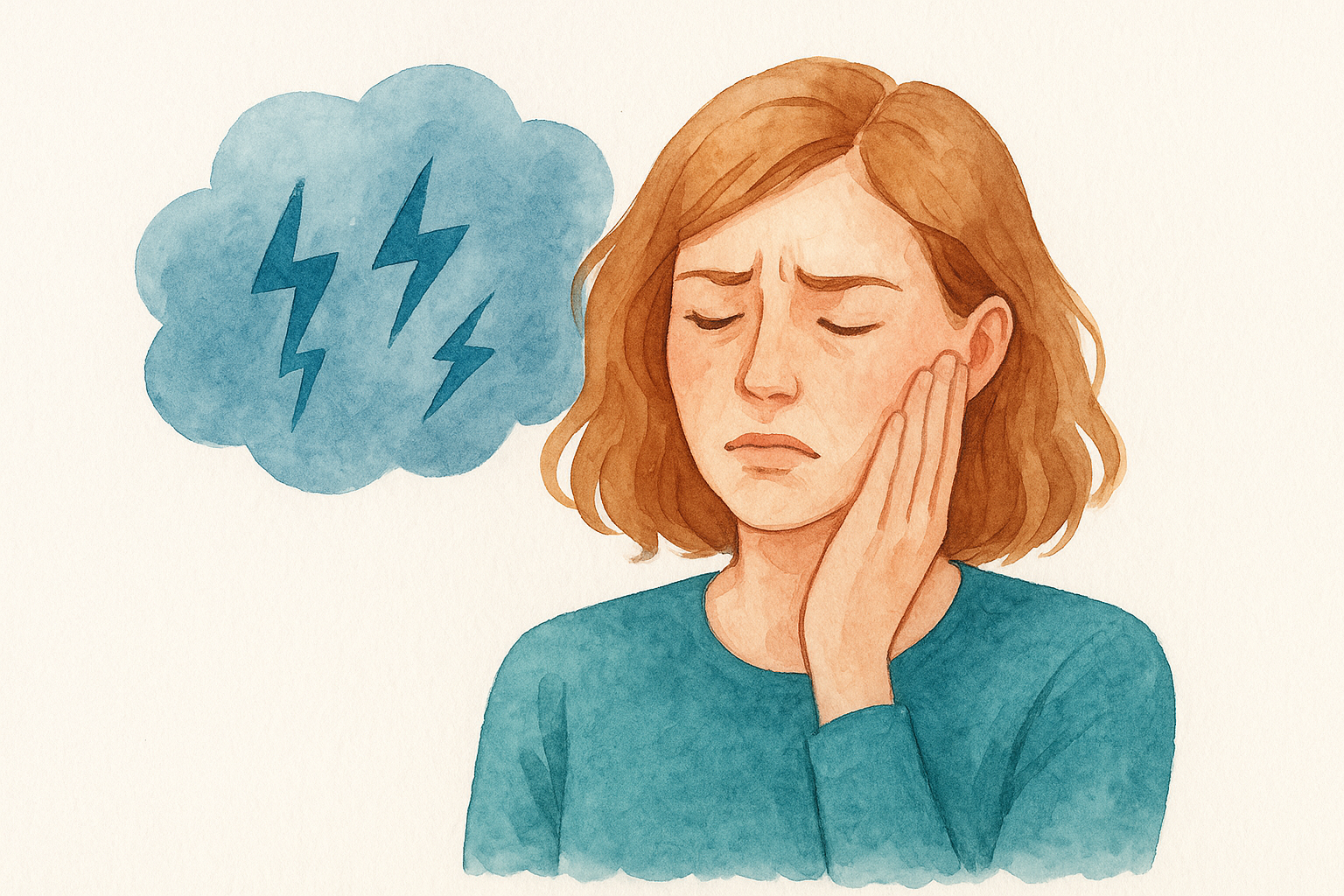
Many people clench most during specific high-pressure moments, like important meetings or heavy traffic, rather than evenly throughout the entire day.
Lifestyle and medical factors
Certain habits and substances drive clenching directly. Caffeine and stimulant use raise your baseline nervous system activity, making your muscles more reactive throughout the day. Some medications, particularly certain antidepressants in the SSRI category, list bruxism as a documented side effect. Poor posture can also force your jaw into a position that keeps muscles engaged far longer than necessary.
Common contributors in this category include:
- High caffeine intake
- SSRI antidepressants and stimulant medications
- Forward head posture from prolonged desk work
- Alcohol consumption
How to stop daytime clenching and grinding
Stopping daytime clenching means addressing the actual causes of daytime bruxism, not just masking the symptoms. The most effective approach combines awareness-building habits with direct changes to the specific triggers driving your jaw muscles throughout the day.
Build awareness of the habit
Most people clench for hours without noticing. Setting brief reminder alerts on your phone every hour prompts you to check and release jaw tension before it compounds. Making the unconscious behavior conscious is the foundation of habit-reversal training, and it's the most accessible starting point.
Once you identify exactly when your clenching peaks, like during focused work or stressful calls, you can target those specific moments rather than trying to manage the habit in general.
Reduce your contributing triggers
Lowering your caffeine intake, particularly after noon, reduces overall nervous system reactivity and the involuntary muscle tension it creates. Adjusting your workstation so your head sits directly over your shoulders removes the postural stress that keeps jaw muscles unnecessarily engaged.
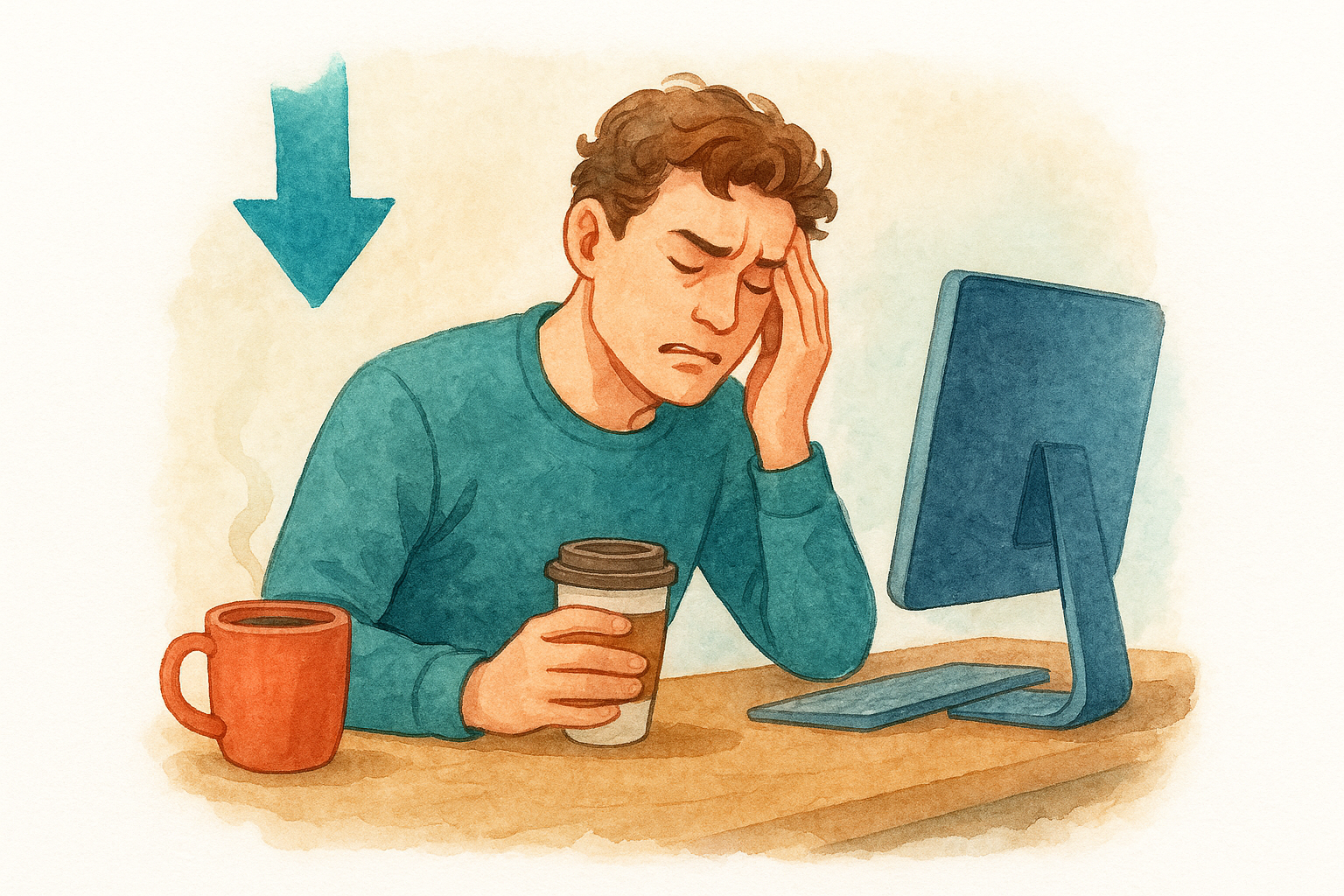
Key adjustments worth making:
- Cut back on coffee and energy drinks after midday
- Raise your monitor to eye level to correct forward head posture
- Schedule short breaks during sustained concentration work
Protect your teeth while you change the habit
Behavioral change takes time, and your teeth absorb damage throughout that process. Wearing a custom-fitted dental guard during high-pressure work sessions limits direct tooth-to-tooth contact and absorbs clenching force while your habits improve. It handles the physical side so the damage doesn't compound while you work on the cause.
When to get help and treatment options
Self-managed habit changes handle many mild cases, but some causes of daytime bruxism run deeper than lifestyle adjustments can reach on their own. If your jaw pain, headaches, or tooth sensitivity persist despite consistent effort over several weeks, that's a clear signal to bring a professional into the process.
The longer you wait after symptoms intensify, the more likely you are to face dental repair costs that dwarf what prevention would have required.
Signs you need professional support
Certain symptoms indicate that muscle tension or dental damage has progressed beyond what awareness exercises and posture corrections can fix on their own. Watch for these warning signs:
- Teeth that look visibly flatter or show cracks or chips
- Persistent jaw clicking or locking
- Morning or midday headaches that don't resolve with standard pain relief
- Facial pain that radiates into your neck or ears
Treatment options your dentist may recommend
Your dentist can evaluate the actual wear patterns on your teeth and confirm how much damage has already occurred. From there, treatment typically involves a combination of a custom-fitted dental guard to absorb clenching force, a possible referral for cognitive behavioral therapy if anxiety is the primary driver, and in some cases a conversation with your prescribing physician if a medication side effect is involved.
Dental guards and behavioral therapy address different layers of the problem, which is why the most effective treatment plans rarely rely on a single approach. Starting with your dentist gives you a clear picture of where the damage stands and what combination of solutions fits your specific situation.
Next steps
The causes of daytime bruxism are real and specific, and now you have a clear picture of what's driving the habit and how to address it. Stress, anxiety, caffeine, posture, and certain medications all push your jaw muscles into overdrive throughout the day. Recognizing your personal triggers is the starting point, but protecting your teeth while you work on those triggers matters just as much.
Start with the habit-awareness strategies and lifestyle adjustments outlined above. Then take the physical protection side seriously. A custom-fitted dental guard keeps your teeth from absorbing clenching force while your habits and stress levels settle down. If your symptoms include persistent soreness, cracking, or headaches that won't resolve, bring your dentist into the process sooner rather than later.
Protecting your teeth doesn't have to mean expensive dental office visits. Get a custom-fitted night guard from Remi and cut the typical dental office cost by up to 80 percent, delivered directly to your door.

